
Evergreen tree or shrub ; up to 6-8 m tall , with vertical air roots appear around the base of the trees to absorb oxygen . Stems much branched , finely grey-tomentose ; bark brown , smooth . Leaves opposite , 2–10 × 2–7 cm , lanceolate to elliptic to ovate , apex acute , base cuneate , margins entire , glabrous above , grey-green , white-woolly beneath due to excreted salt and fine white hair . Inflorescences in dense terminal and axillary clusters ; bracts and bracteoles ovate to suborbicular . Flowers small , orange/yellow , fragrant ; calyx 5- lobed , 3–4 mm , tomentose , ciliate ; corolla 4-lobed , yellow ; tube 2–3 mm , glabrous ; lobes 2–3 mm , ovate , pubescent ; stamens 4 , all fertile . Fruit capsule , ± 3 cm long , rounded to ovoid , somewhat compressed , fleshy , green , opening by 2(–4) valves , 1-seeded . Seeds large , compressed . (Ref . Flora of Oman ; vol . 3) .
No Data
Rare & Threatened (RT) - Near Threatened (NT) - National Assessment ; Least Concern (LC) - Global Assessment
Frequent
الوصف غير متاح حاليًا
Sceura marina Forssk.
No data
maintenanceAr.Item1
Mangrove
Grey Mangrove
White Mangrove
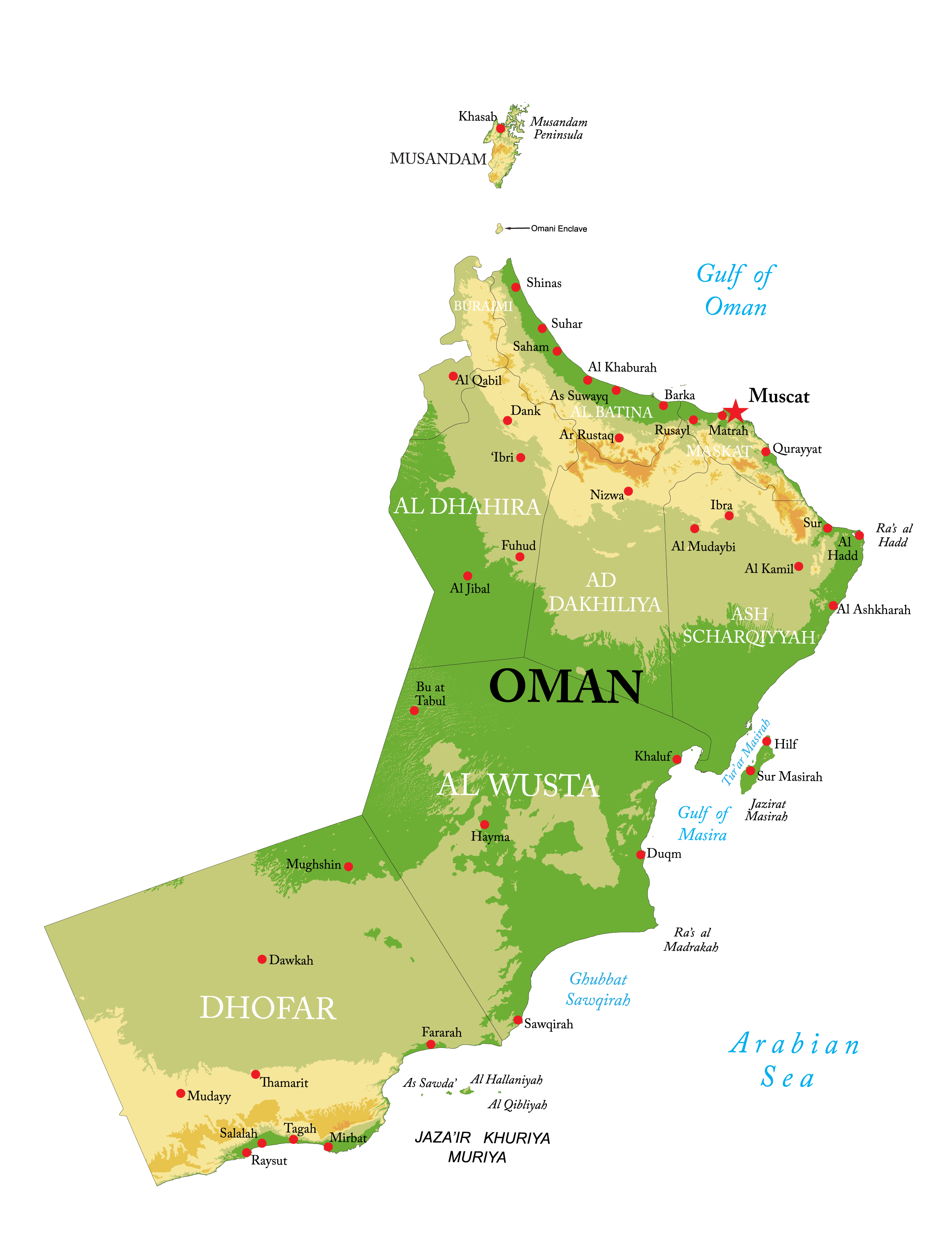
In Omani studies: Richardson & Dorr (2003) wrote that: "On the tidal flats of the Barr al Hikman salt-tolerant mangroves (qurm) provide a flexible material for use in the manufacture of fishing equipment". (Ref. Oman Heritage Craft Book). In addition, Ghazanfar (2015) mentioned that: "The mangroves are used as fodder for livestock where the branches are cut and leaves fed to the camels". (Ref. Flora of Oman; vol.3).
*Ghazanfar, S. (2015). Flora of the Sultanate of Oman, vol.3: Loganiaceae – Asteraceae. Meise, National Botanic Garden of Belgium (Scripta Botanica Begica, Vol. 25). ISBN 9789082352511 ISSN 0779-2387. *https://en.wikipedia.org *https://pza.sanbi.org *Gledhill, D. (2008). The Names of Plants. Fourth Edition. Cambridge University Press, UK. ISBN 978-0-521-86645-3 ISSN 978-0-521-68553-5. *Miller, A., Morris, M. (1988). Plants of Dhofar, the Southern Region of Oman: Traditional, Economic, and Medicinal Uses. Published by Office of the Adviser for Conservation of the Environment, Diwan of Royal Court, Sultanate of Oman; ISBN 10: 0715708082 ISSN 13: 9780715708088. *Pickering, H. Patzelt, A. (2008). Field Guide to the Wild Plants of Oman. Kew publishing, Royal Botanic Garden, Kew. ISBN 9781842461778. *Patzelt, A. (2015). Oman Plant Red Data Book. Published by Diwan of Royal Court, Sultanate of Oman. Oman Botanic Garden Publication No. 1. ISBN 978-99969-50-10-0. *Richardson, N. Dorr, M. (2003). The Craft Heritage of Oman; vol. 2. Published by Motivate
...