
Decumbent , perennial herb ; up to 60-75 cm long . Stems prostrate to decumbent , reddish-green , often rooting at the nodes , glabrous or with short crisped hairs . Leaves opposite , 10–40 × 3–20 mm , obovate , apex acute or obtuse , base attenuating into a short petiole 1-8 mm , margins entire , somewhat undulate , white tomentose when young becoming glabrous with age . Inflorescences 1(–2) borne in the leaf axils ; pedicel 1–2 mm ; bracts foliaceous . Flowers purple to pale pink-purple with dark purple markings ; calyx 13–16 mm , lobed to 3/4 its length into linear lobes (in fruit becoming lobed almost to base) ; corolla 2-lipped , purple to pale pink-purple with dark purple markings on lower lobes and throat , 16–20 mm , united basally to form a tube ± 15 mm ; upper lip 2-lobed , lobes retuse ; lower lip 3-lobed , lobes oblong , retuse to rounded , spreading ; stamens 4 ; filaments fused in pairs ; anthers with a short tail ; ovary glabrous ; style c . 12
...

No Data
Near Endemic (NE) - Least Concern (LC) - Global Assessment
Common
الوصف غير متاح حاليًا
Not available
No data
maintenanceAr.Item1
Not known
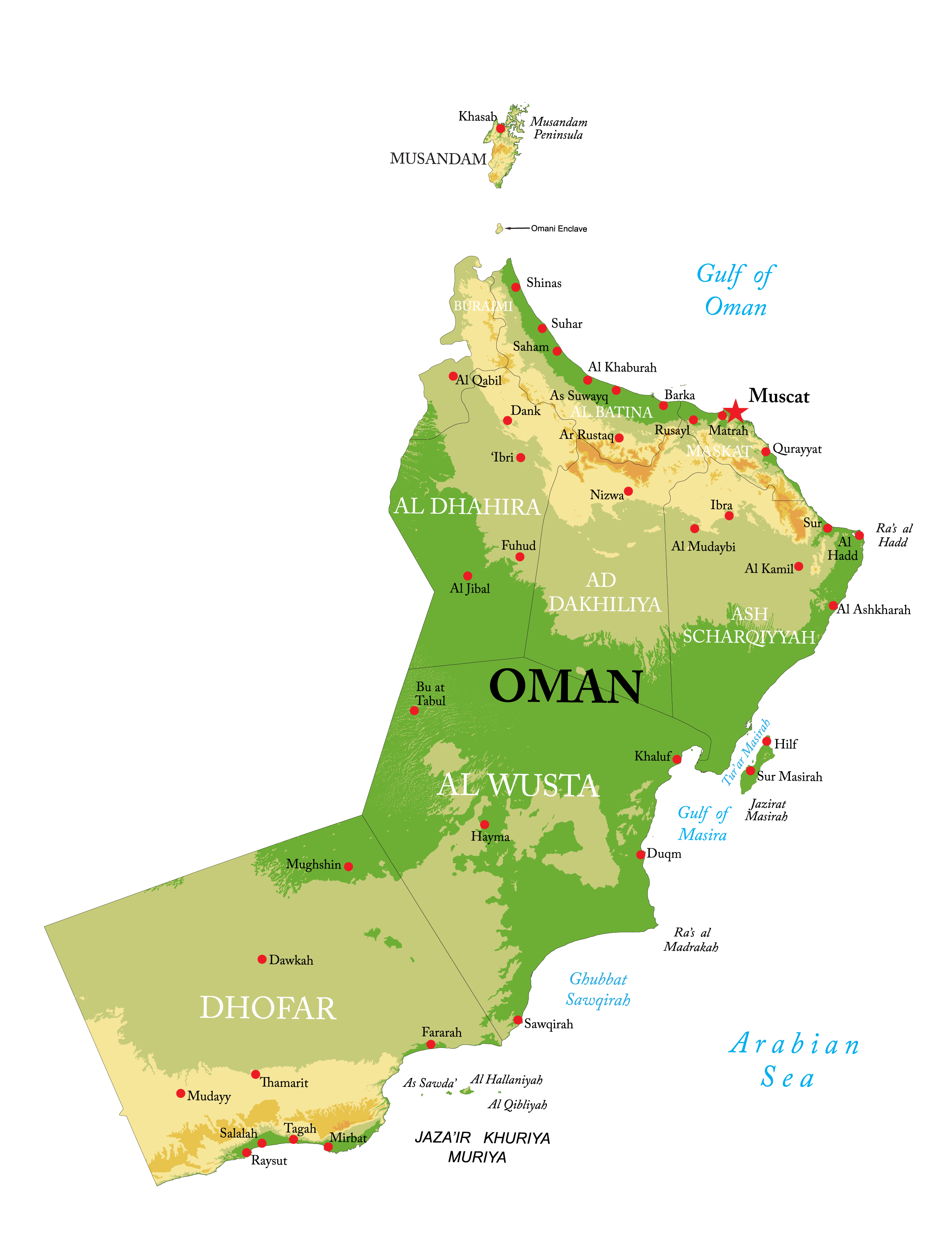
In Omani studies: Miller & Morris (1988) wrote that: "This small plant is very common in the mountainous monsoon areas of Dhofar. It is an extremely important fodder plant for cattle and goats, since it comes into new leaf before the grass and other plants do at the onest of the monsoon rains, and remains long after other vegetation and grasses have dried when the monsoon cloud has lifted. Indeed, it continues to produce foliage right through the year, even in the driest season (J: kud)". (Ref. Plants of Dhofar). In addition, Pickering & Patzelt (2008) mentioned that: "An important fodder plant for cattle and goats". (Ref. A field guide to the Wild plants of Oman).
*Ghazanfar, S. (2015). Flora of the Sultanate of Oman, vol.3: Loganiaceae – Asteraceae. Meise, National Botanic Garden of Belgium (Scripta Botanica Begica, Vol. 25). ISBN 9789082352511 ISSN 0779-2387. *https://en.wikipedia.org *Miller, A., Morris, M. (1988). Plants of Dhofar, the Southern Region of Oman: Traditional, Economic, and Medicinal Uses. Published by Office of the Adviser for Conservation of the Environment, Diwan of Royal Court, Sultanate of Oman; ISBN 10: 0715708082 ISSN 13: 9780715708088. *Pickering, H. Patzelt, A. (2008). Field Guide to the Wild Plants of Oman. Kew publishing, Royal Botanic Garden, Kew. ISBN 9781842461778. *Patzelt, A. (2015). Oman Plant Red Data Book. Published by Diwan of Royal Court, Sultanate of Oman. Oman Botanic Garden Publication No. 1. ISBN 978-99969-50-10-0. *POWO (2023). ""Plants of the World Online. Facilitated by the Royal Botanic Gardens, Kew. Published on the Internet; http://www.plantsoftheworldonline.org
