Ruttya_fruticosa_2 © OBG
Ruttya_fruticosa_3 © OBG
Ruttya_fruticosa_4 © OBG
Ruttya_fruticosa_5 © OBG
Ruttya_fruticosa_6 © OBG
Ruttya_fruticosa_7 © OBG
Ruttya_fruticosa © OBG
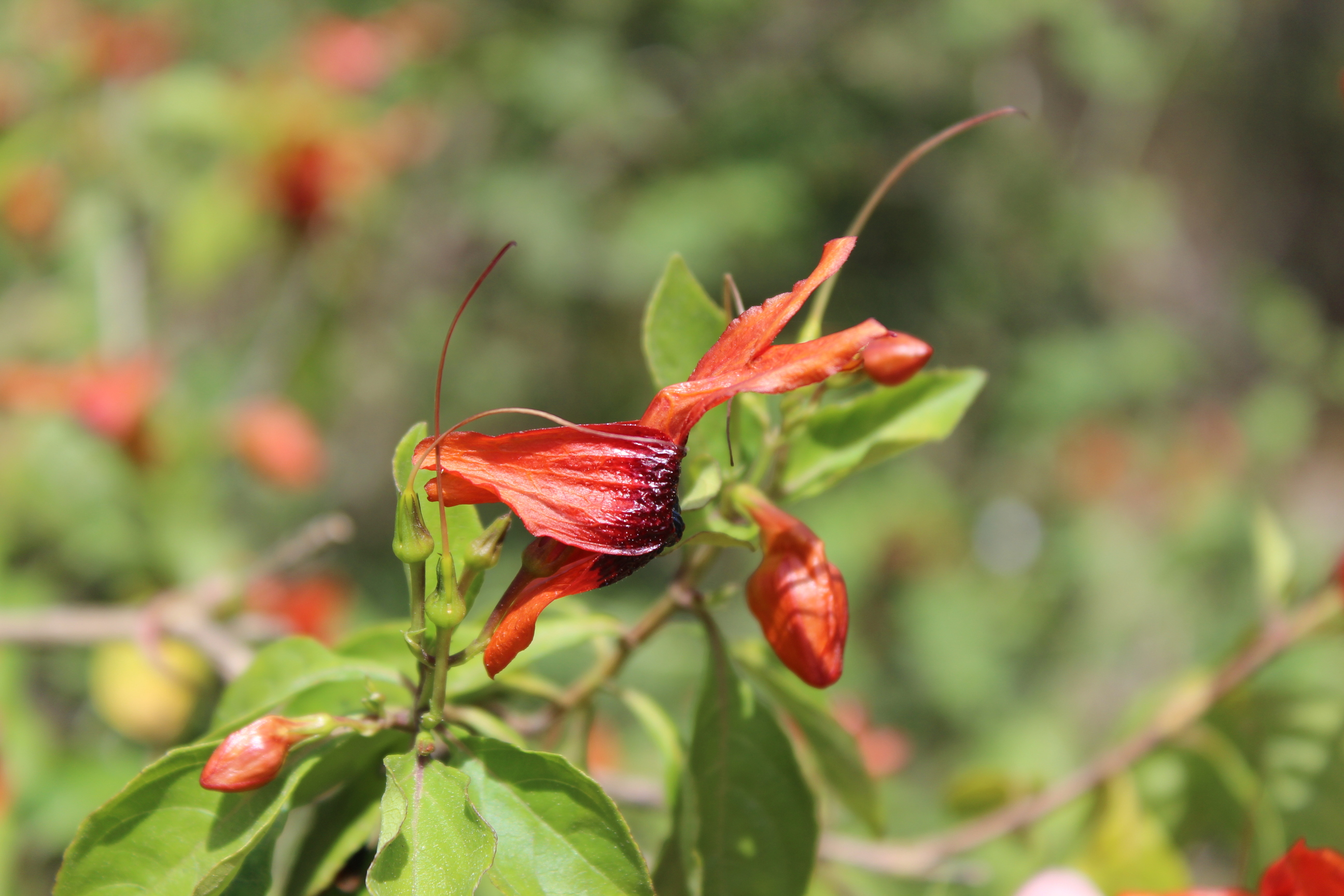
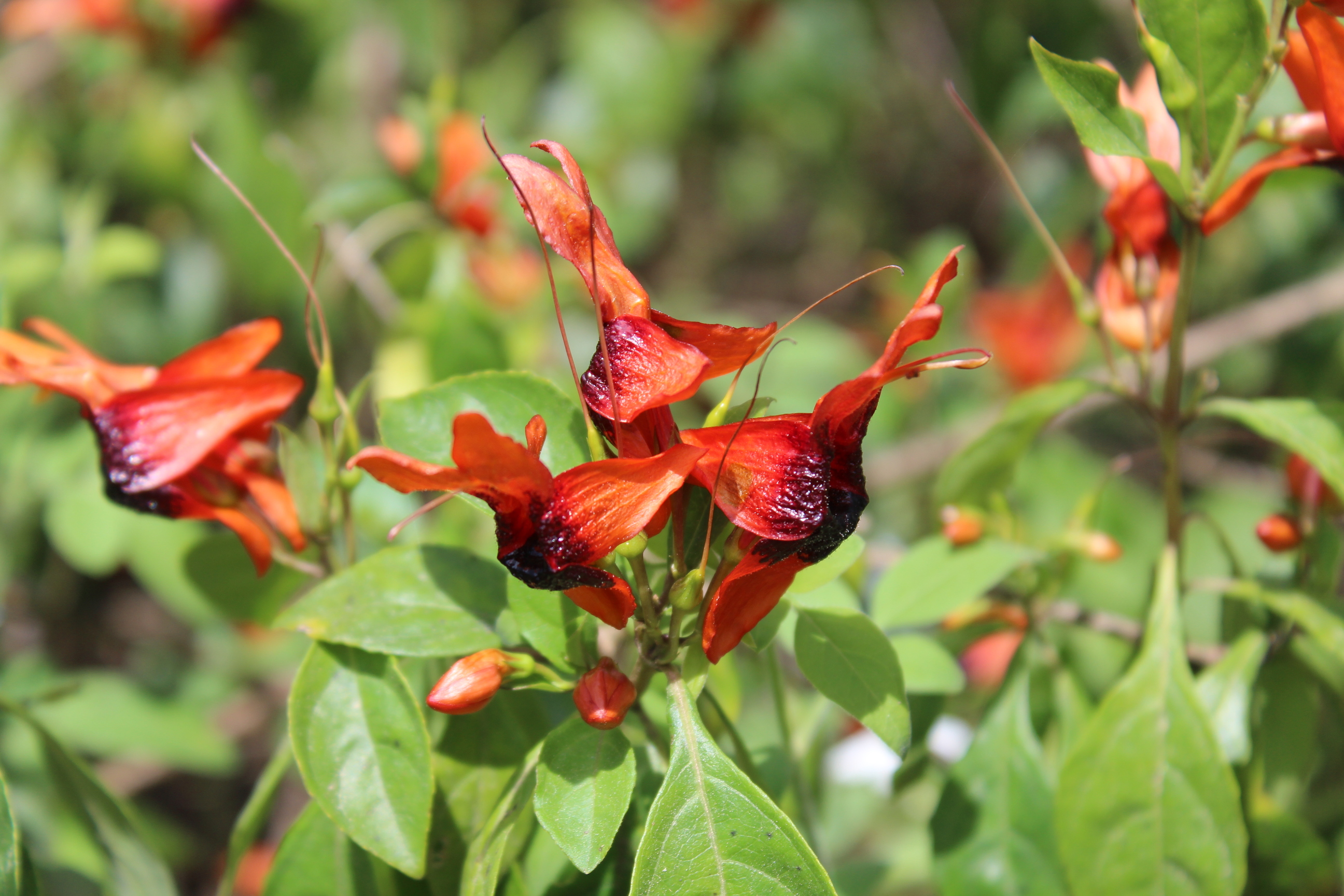
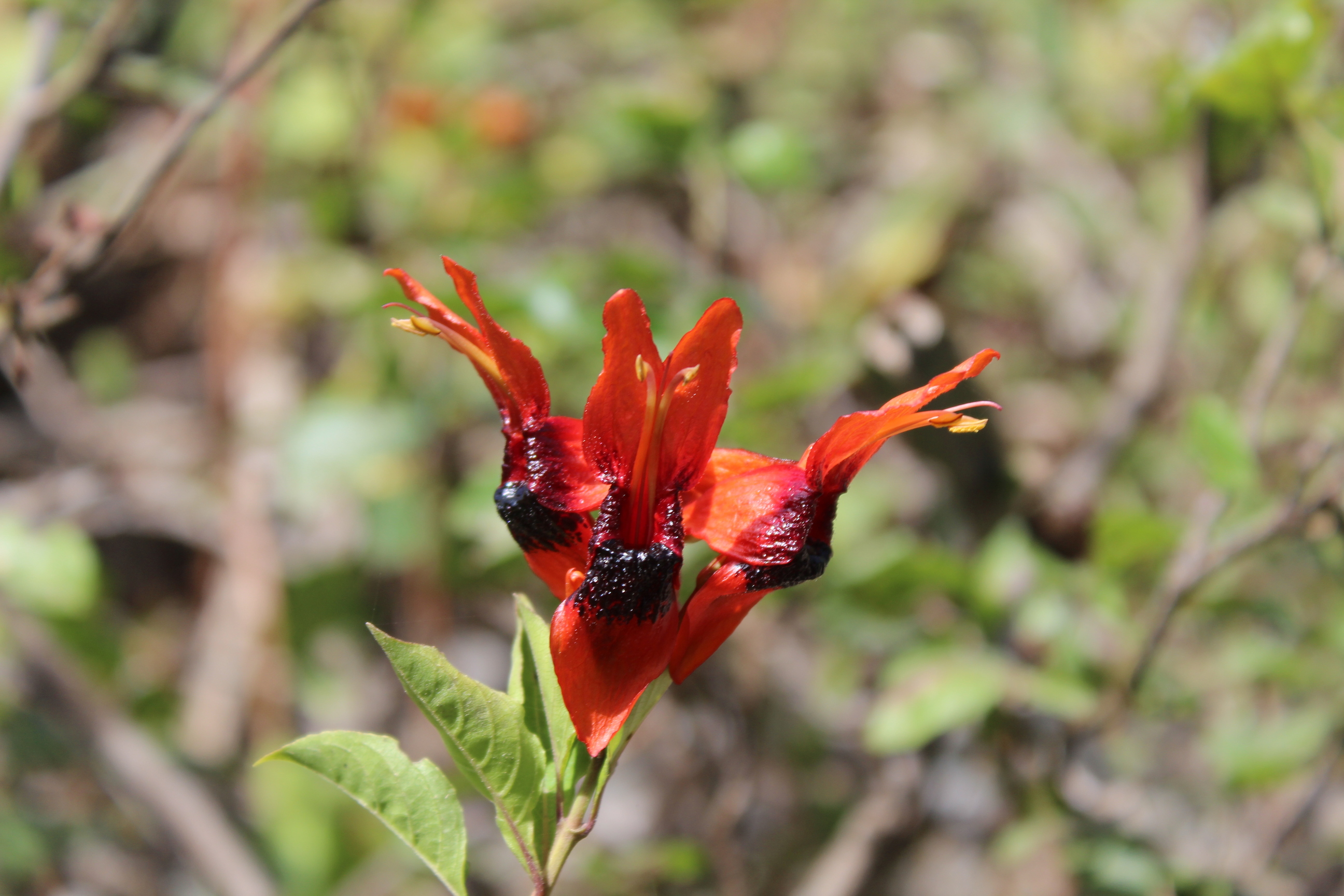
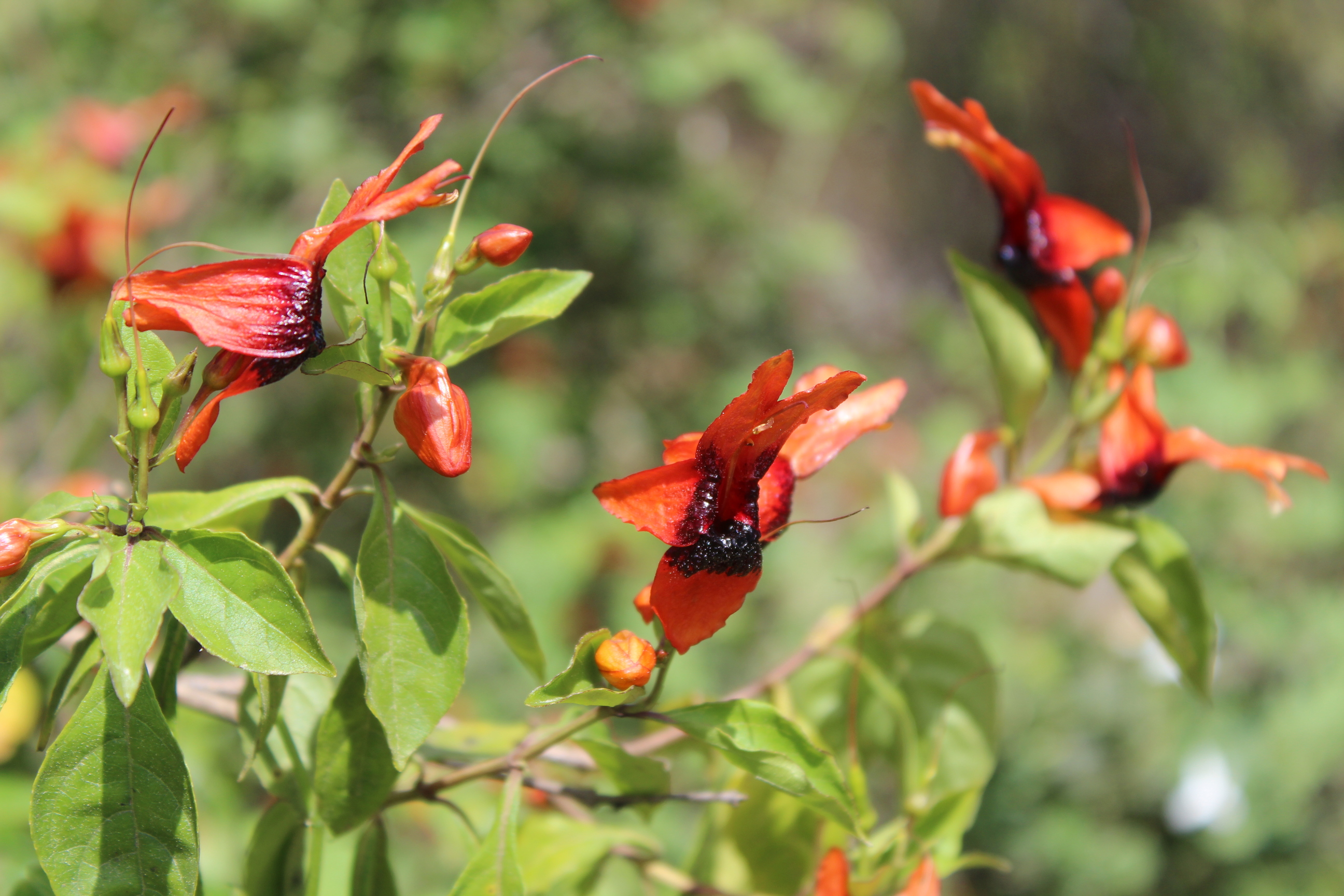
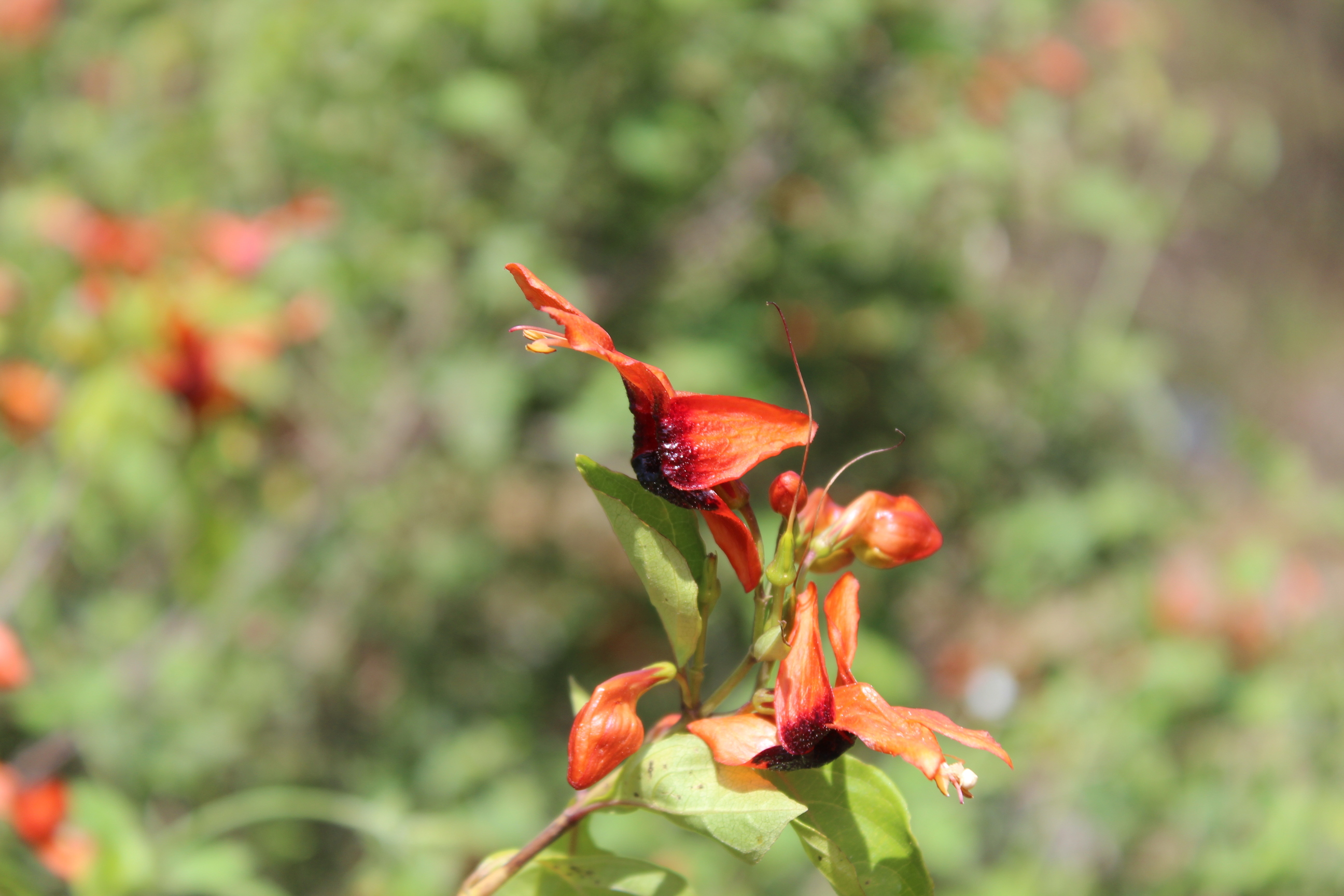
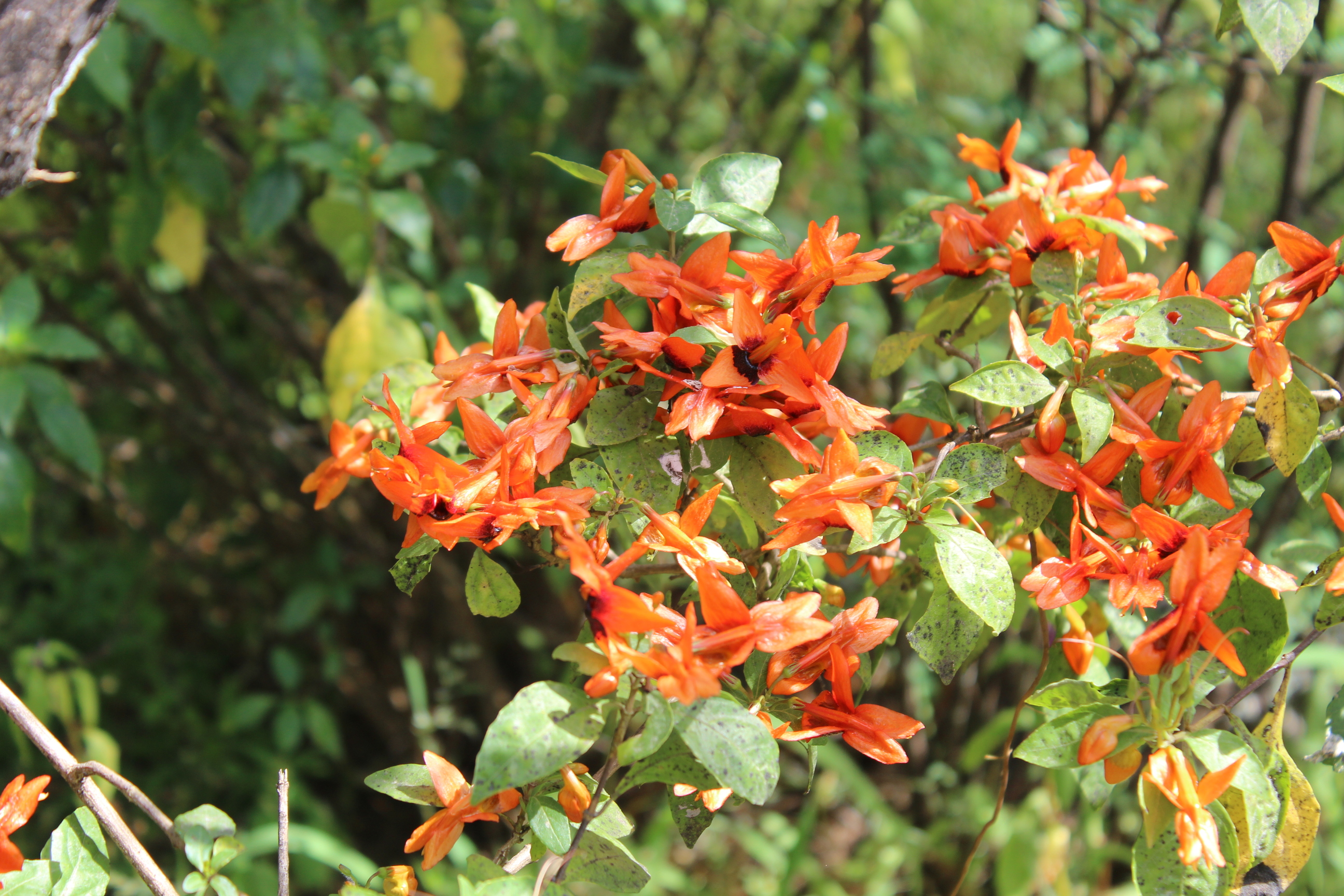
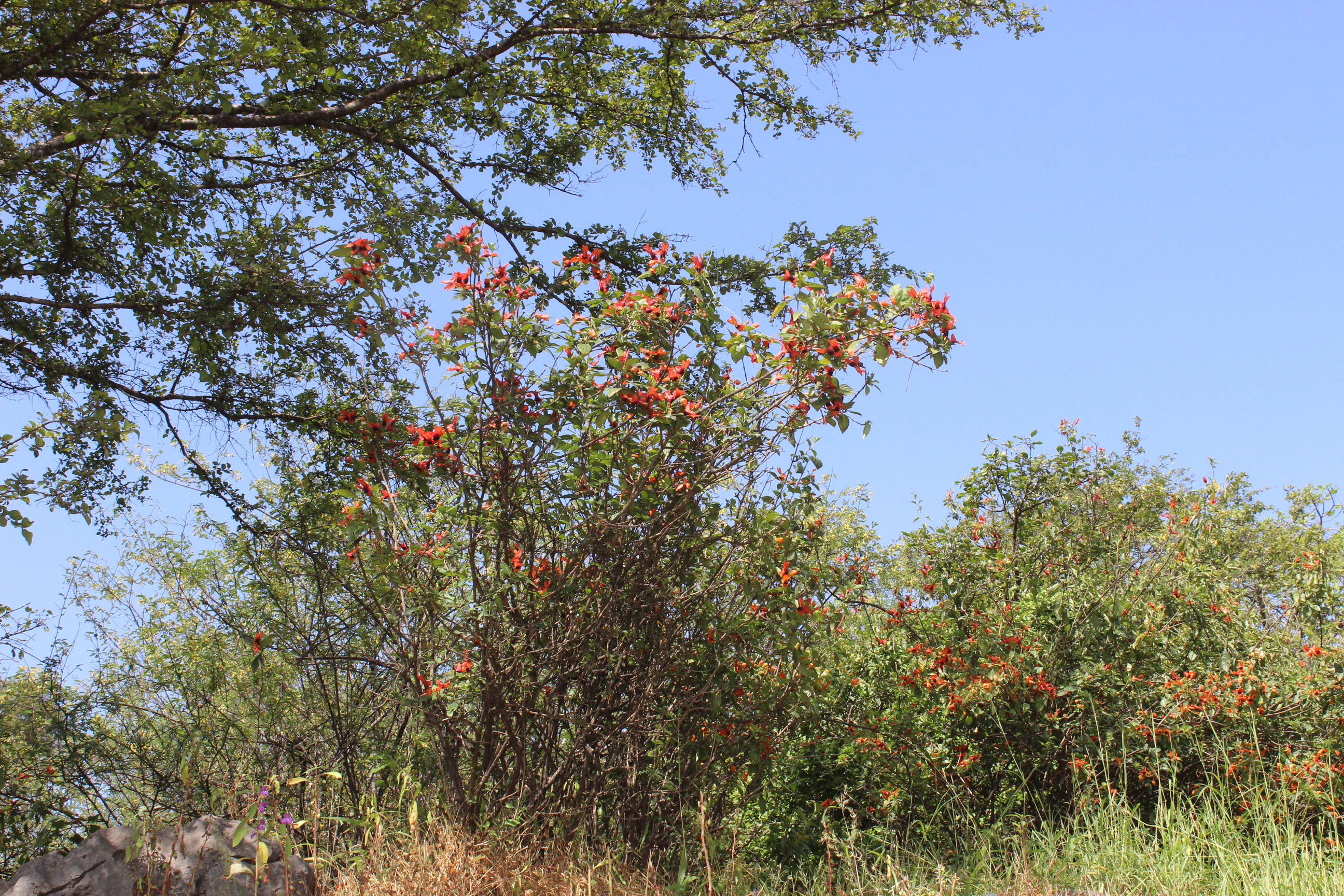
Shrub or small straggling tree ; up to 3 m tall . Stems often with pendant , grey-brown , wiry twigs . Leaves opposite , 4–12 × 2–5 mm , elliptic to ovate , tip acute , base tapering into the petiole , margins entire or irregularly crenate , glabrous or sparesly puberulous on the veins , cystoliths linear ; petiole 1–2 cm , soft textured . Inflorescences in groups of up to ten ; bracts and bracleoles minute , linear . Flowers bright red/orange , two-lipped with black wrinkled , shiny throats ; Calyx 4–6 mm , lobes acute ; corolla orange-red with a black wrinkled throat , 2-lipped , lower lip 3- lobed , forming a lower and 2 lateral lobes , lobes ovate , 18–20 mm , upper lip ovate , deeply bilobed , 15–20 mm , corolla tube ± 10 mm ; stamens 2 , exserted , held under upper lip ; staminodes 2 ; anthers 1-celled , mucronate at base ; ovary 2-locular with 2 ovules in each loculus ; style 3-4 cm , exserted ; stigma minutely bifid . Fruit capsule , 35–40 mm , clavate , glabrous , 4-seeded . Seeds
...

No Data
Not Evaluated (NE)
Common
الوصف غير متاح حاليًا
Not available
No data
maintenanceAr.Item1
Hummingbird Plant
Rabbit Ears
Bunny Ears
Monkey Face
Orange Bird
Orange Dragon
Jammy Mouth
Jêmbekkie
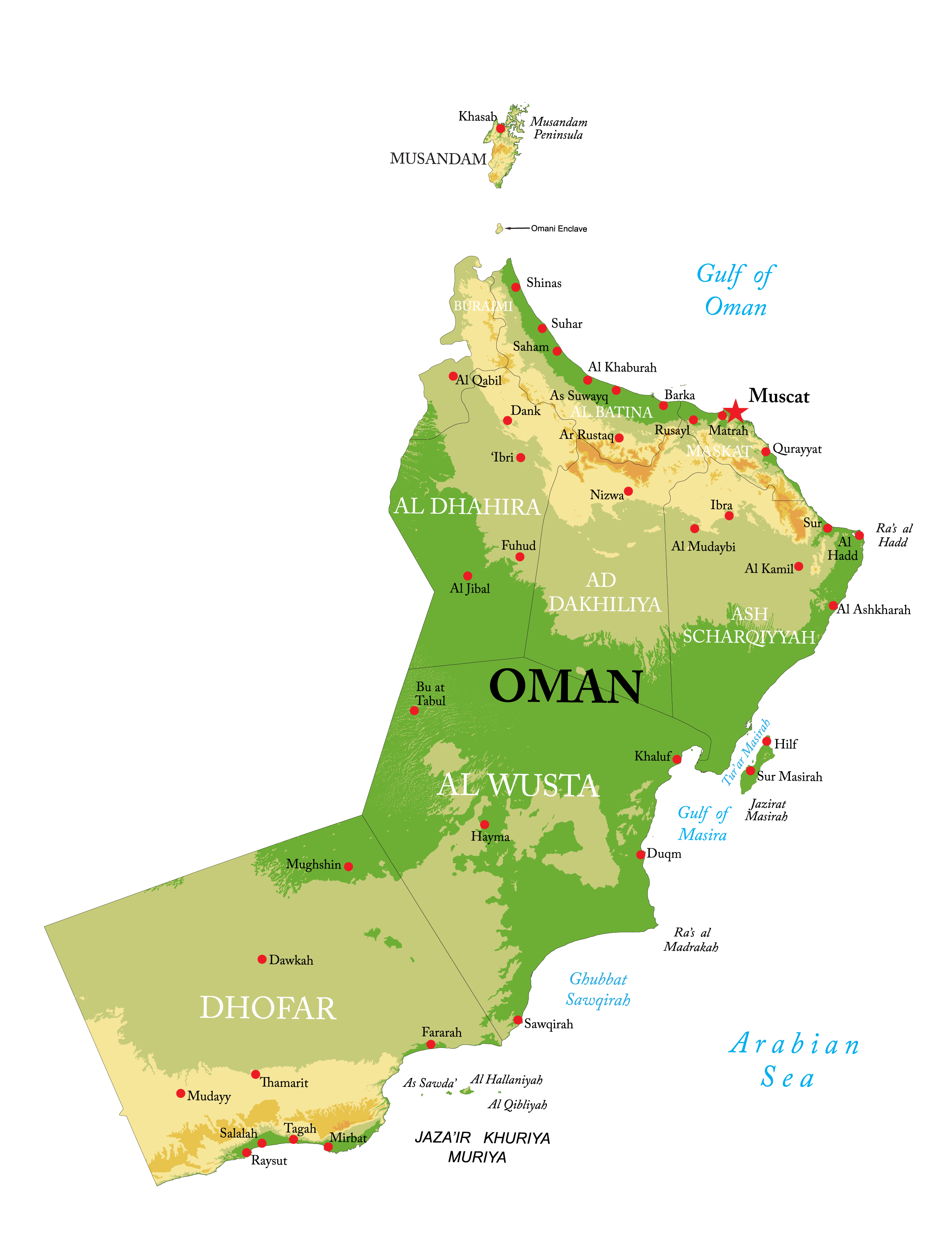
In Omani studies: Miller & Morris (1988) wrote that: "This shrub with its striking glossy red flowers throughout the monsoon-affected mountain areas of Dhofar, growing especially luxuriantly in the steep wooded slopes and scarps of the many mountain watercourses and gullies. The flowers are among those which people, especially children, use to pull off and suck to extract the droplet of nectar at the base. Such flowers are called msisi, from the root mss, meaning 'to suck'. This was more than just a childish treat at a time when sugar was practically non-existent and other sweeteners (wild honey, date-syrup, sugar-cane and so on) were in short supply or expensive. Other sources of sugar, apart from honey, were mainly fruits and berries, such as the fruit of Commiphora gileadensis [J: firit skof], or of C. habessinica [J: firit okor], the fruit of Grewia mollis [J: akimbor gared], the fruit of Capparis
...
*Ghazanfar, S. (2015). Flora of the Sultanate of Oman, vol.3: Loganiaceae – Asteraceae. Meise, National Botanic Garden of Belgium (Scripta Botanica Begica, Vol. 25). ISBN 9789082352511 ISSN 0779-2387. *https://en.wikipedia.org *Pickering, H. Patzelt, A. (2008). Field Guide to the Wild Plants of Oman. Kew publishing, Royal Botanic Garden, Kew. ISBN 9781842461778. *Patzelt, A. (2015). Oman Plant Red Data Book. Published by Diwan of Royal Court, Sultanate of Oman. Oman Botanic Garden Publication No. 1. ISBN 978-99969-50-10-0. *Miller, A., Morris, M. (1988). Plants of Dhofar, the Southern Region of Oman: Traditional, Economic, and Medicinal Uses. Published by Office of the Adviser for Conservation of the Environment, Diwan of Royal Court, Sultanate of Oman; ISBN 10: 0715708082 ISSN 13: 9780715708088. *POWO (2023). ""Plants of the World Online. Facilitated by the Royal Botanic Gardens, Kew. Published on the Internet; http://www.plantsoftheworldonline.org
