
Erect annual herb ; up to 45-70 cm tall . Stems erect to ascending , branching from the base , slender to stout , angular , reddish , glabrous or covered with crisped hairs . Leaves alternate , 4–50 x 2–30 mm , broadly ovate to rhomboid-ovate or lanceolate , apex obtuse or acute or retuse , base cuneate or attenuate into the 0 . 5-5 cm long petiole , margin entire , glabrous or thinly hairy beneath on the veins . Inflorescences intermixed in axillary cymose clusters ; bracts narrow-ovate , membranous , aristate . Flowers unisexual , green-red ; perianth 3 , 1–2 mm , oblong-ovate , with a green midrib ending in an apical mucro ; stamens 3 ; ovary superior , unilocular , with a single erect ovule ; stigma 3 . Fruit capsule , e 1–2mm , subglobose , green-red , strongly wrinkled , dehiscent or not . Seeds 1-1 . 25 mm , round , black , shiny , compressed . (Ref . Flora of Oman ; vol . 1) .
No Data
Not Threatened (NT)
Common
الوصف غير متاح حاليًا
Amaranthus blitum var. graecizans (L.) Moq.
Amaranthus graecizans var. normalis Kuntze
Blitum graecizans (L.) Moench
Galliaria graecizans (L.) Nieuwl.
Glomeraria graecizans (L.) Cav.
No data
maintenanceAr.Item1
Mediterranean Amaranth
Short-Tepalled Pigweed
Tumbleweed
Spreading Pigweed
Pigweed
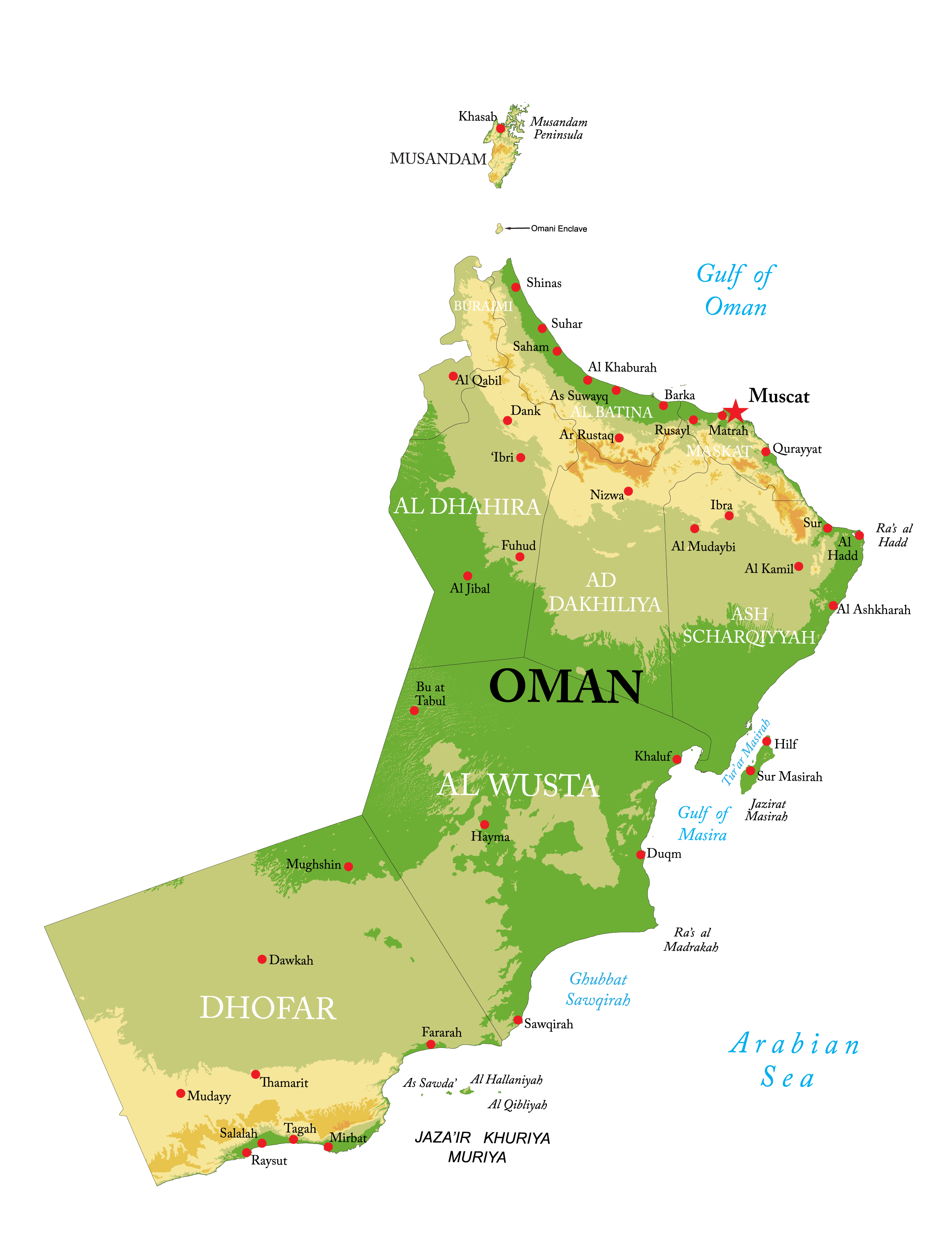
In Omani studies: Miller & Morris (1988) wrote that: "This plant grows throughout Dhofar especially in disturbed ground and in the vicinity of human and livestock settlements and caves. It grows rapidly after rain, when people used to go out to gather it, for home consumption or for selling in the coastal markets. It can be eaten raw, but was more often cooked, on its own as a relish for the main grain dish, or added to sauces and stews. Most preferred of all was to cook it in astringent buttermilk [J; rob], or to squeeze fresh lime-juice over it or to add crushed tamarind pods to the water the vegetable was cooked in - anything locally and readily available to give the tart and sharp flavour so liked by the peoples of this area. In the towns, it was most commonly added to sauces and meat stews, along with
...

*Ghazanfar, S. (2003). Flora of the Sultanate of Oman, vol.1: Piperaceae – Primulaceae. Meise, National Botanic Garden of Belgium (Scripta Botanica Begica, Vol. 25). ISBN 90-72619-55-2 ISSN 0779-2387. *https://en.wikipedia.org *Gledhill, D. (2008). The Names of Plants. Fourth Edition. Cambridge University Press, UK. ISBN 978-0-521-86645-3 ISSN 978-0-521-68553-5. *Miller, A., Morris, M. (1988). Plants of Dhofar, the Southern Region of Oman: Traditional, Economic, and Medicinal Uses. Published by Office of the Adviser for Conservation of the Environment, Diwan of Royal Court, Sultanate of Oman; ISBN 10: 0715708082 ISSN 13: 9780715708088. *Pickering, H. Patzelt, A. (2008). Field Guide to the Wild Plants of Oman. Kew publishing, Royal Botanic Garden, Kew. ISBN 9781842461778. *Patzelt, A. (2015). Photographic Field Guide to the Plants of the Western Hajar Mountains, Sultanate of Oman: with a complete checklist of vascular plant species. Sultan Qaboos University – Academic Publication and Outreach Department. P.O Pox (17) Postal Code (123), Muscat,
...
