
Dioecious . Deciduous tree ; up to 5 m tall . Bark fissured . Leaves alternate , 10-20 cm long , imparipinnate , terminal leflet often smaller than the others , somewhat leathery , glabrous , reddish tinged when young ; leaflets 5-9 pairs , 1 . 5-10 x 1 . 0-1 . 5 cm , narrow-ovate , apex acute , base oblique , margin entire , reddish on the nerves ; petiole 4-6 cm . Inflorescences in many-flowered axillary panicles ; bracts and bracteoles surrounding the inflorescence , membranous , 1-1 . 5 mm , linear to linear-ovate . Flowers minute , unisexual ; calyx and corolla absent . Male flowers in dense panicles , 2-6 cm long ; bracts and bracteoles 3-5 , linear-triangular , c . 1-1 . 5 mm long , membranous ; stamens 4-6 , inserted on a disk , filaments short . Female flowers in lax panicles , 6-10 cm long ; bracts and bracteoles 4-6 , linear-ovate , 1 . 5-5 mm long , membranous ; ovary superior , 1-celled ; styles 3 . Fruit a drupe , 7 x 6 cm , ovoid and laterally compressed , with a small beak at the apex , red at maturity , glabrous , 1-seeded . (Ref . Flora of Oman ;
...

No Data
Rare & Threatened (RT) - Near Threatened (NT) - National Assessment
Rare
الوصف غير متاح حاليًا
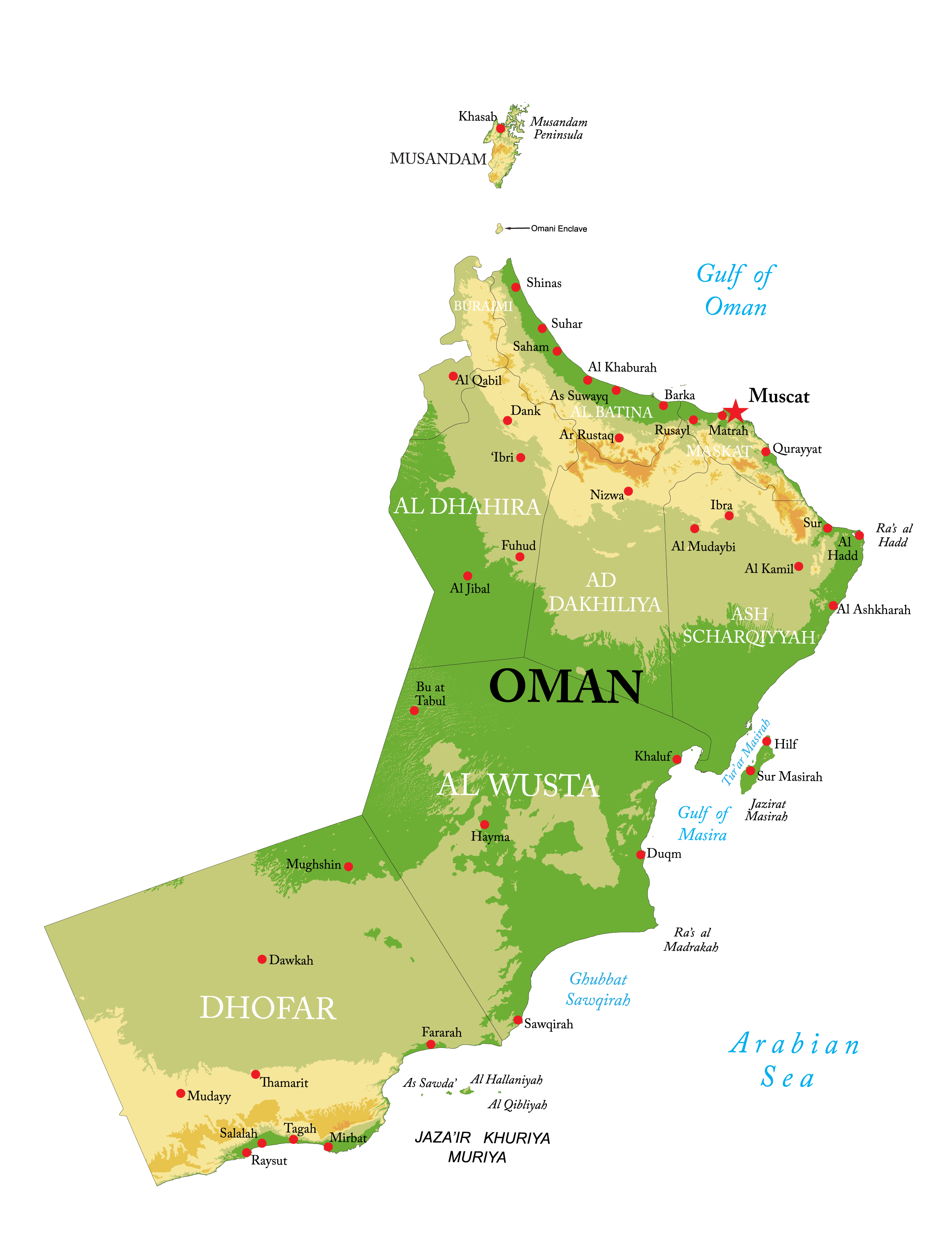
Pistacia chinensis subsp. falcata (Becc. ex Martelli) Rech.f.
Pistacia chinensis var. falcata (Becc. ex Martelli) Zohary
Rhus falcata (Becc. ex Martelli) Penz.
No data
maintenanceAr.Item1
Siinsay
In Omani studies: Miller & Morris (1988) wrote that: "The fruit produced by this comparatively rare tree Pistacia falcata is unpalatable, and the wood was never available in sufficient quantities to have had any importance as firewood or building material. Indeed its very rarity probably gave rise to its somewhat special significance in local medicine. Pieces of root were dug up, lightly crushed, and left to soak in water (usually with a piece of iron, either in the water, or laid across the top of the container - both methods were considered equally effective as protection against interference by the evil eye or ill-wishing spirits), the water then being drunk by a woman who had suffered the tragedy of seeing many of her children die, from whatever cause. She would also wear little pieces of the dried root in leather pouches about her person in the hope of protecting herself
...
*Ghazanfar, S. (2007). Flora of the Sultanate of Oman, vol.2: Crassulaceae – Apiaceae. Meise, National Botanic Garden of Belgium (Scripta Botanica Begica, Vol. 36). ISBN 9789072619747 ISSN 0779-2387. *https://en.wikipedia.org *https://www.merriam-webster.com *Miller, A., Morris, M. (1988). Plants of Dhofar, the Southern Region of Oman: Traditional, Economic, and Medicinal Uses. Published by Office of the Adviser for Conservation of the Environment, Diwan of Royal Court, Sultanate of Oman; ISBN 10: 0715708082 ISSN 13: 9780715708088. *Patzelt, A. (2015). Oman Plant Red Data Book. Published by Diwan of Royal Court, Sultanate of Oman. Oman Botanic Garden Publication No. 1. ISBN 978-99969-50-10-0. *POWO (2023). ""Plants of the World Online. Facilitated by the Royal Botanic Gardens, Kew. Published on the Internet; http://www.plantsoftheworldonline.org
