
Succulent shrub or small tree ; up to 0 . 5-2 m tall , with a large swollen base , pale grey , smooth bark and clear or white sap . Stems large , sparsely branched ; branches ascending or decumbent . Leaves alternate , 5−12(−17) x 1−5 cm , sessile , clustered at the ends of branches , obovate , base cuneate , apex emarginate or acute or mucronate , margins entire , glabrous or pubescent , green above , pale green or reddish tinged beneath ; midrib prominent beneath . Inflorescences arranged in lax , few-flowered terminal cymes , at the ends of branches . Flowers bright pink , tinged yellowish in throat , funnel shaped ; calyx 5−10 mm , tubular , 5-lobed to half its length ; lobes ± 4 mm , acute , ciliate ; corolla 2−4 cm , funnel-shaped , 5-lobed above , with small coronal scales at the base of the lobes and alternating with them , pubescent except for the lobes which are glabrous on the inside ; lobes 10−13 mm , broadly ovate , mucronate at apex ; stamens 4 , each with long
...

No Data
Least Concern (LC) - Global Assessment
Common
الوصف غير متاح حاليًا
Cameraria obesa (Forssk.) Spreng.
Nerium obesum Forssk.
No data
maintenanceAr.Item1
Desert Rose
Sabi Star
Kudu
Mock Azalea
Impala Lily
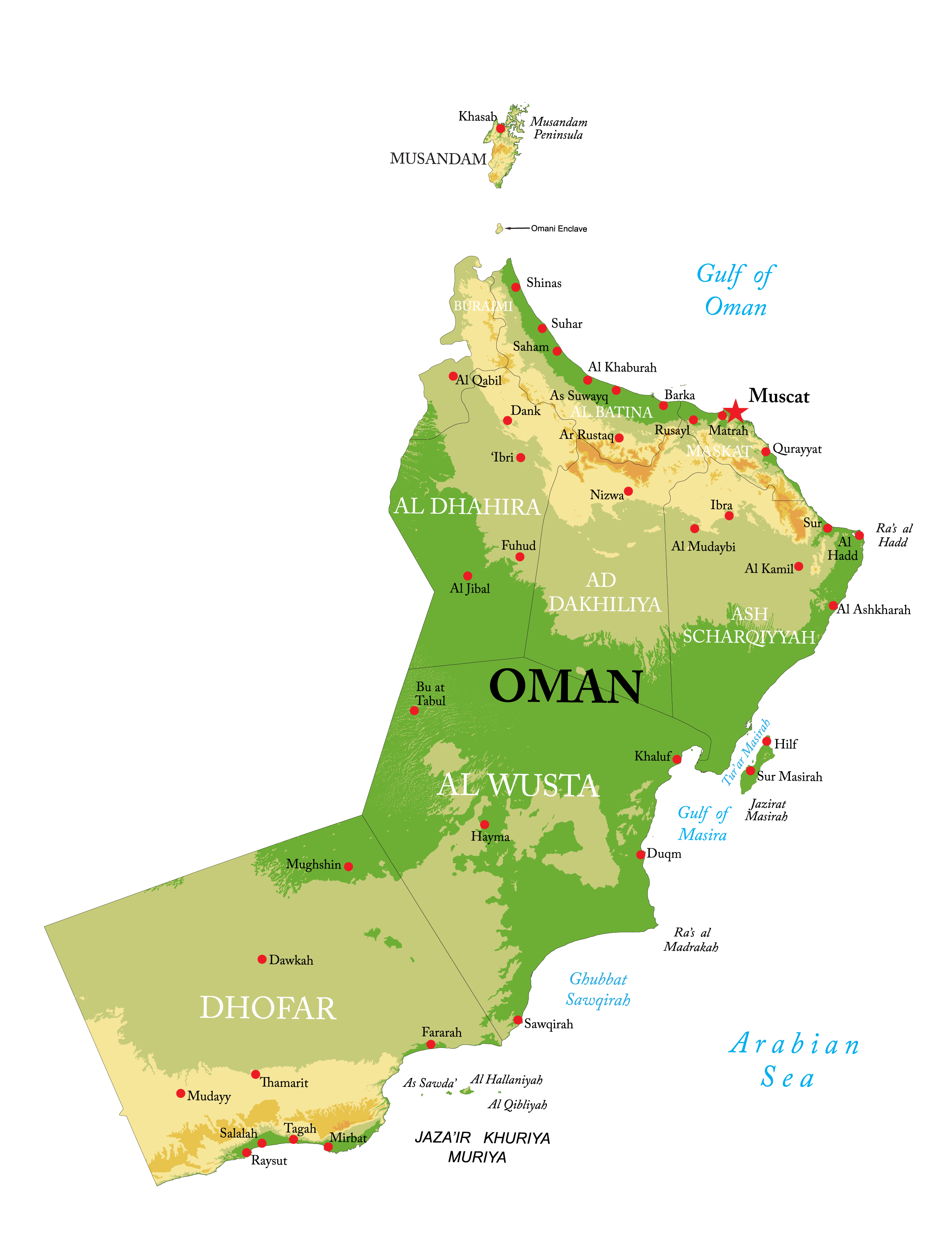
In Omani studies: Miller & Morris (1988) wrote that: "This plant was regarded with some suspicion locally, since snakes were believed to obtain their poison from it. Its sap was used medicinally, but traditionally even this sap had to be collected with care. The sieved liquid was applied locally to swellings, to painful joints, to the site of a sprain or dislocation, to a paralyzed limb, to the site of pain in cases of sciatica or lumbago , or to The whole body of a patient suffering from generalized oedema. also, The sap was indeed believed to be particularly efficacious in The treatment of illnesses caused by ill-wishers or by The evil eye. All The parts of this plants are very toxic to livestock". (Ref. Plants of Dhofar). In addition, Pickering & Patzelt (2008) mentioned that: "All parts are toxic to animals". (Ref. Field Guide to the Wild Plants of
...
*Ghazanfar, S. (2015). Flora of the Sultanate of Oman, vol.3: Loganiaceae – Asteraceae. Meise, National Botanic Garden of Belgium (Scripta Botanica Begica, Vol. 25). ISBN 9789082352511 ISSN 0779-2387. *Miller, A., Morris, M. (1988). Plants of Dhofar, the Southern Region of Oman: Traditional, Economic, and Medicinal Uses. Published by Office of the Adviser for Conservation of the Environment, Diwan of Royal Court, Sultanate of Oman; ISBN 10: 0715708082 ISSN 13: 9780715708088. *https://en.wikipedia.org *Pickering, H. Patzelt, A. (2008). Field Guide to the Wild Plants of Oman. Kew publishing, Royal Botanic Garden, Kew. ISBN 9781842461778. *POWO (2023). ""Plants of the World Online. Facilitated by the Royal Botanic Gardens, Kew. Published on the Internet; http://www.plantsoftheworldonline.org
