
Perennial herb ; up to 1 m tall , arising from a depressed globose tuber . Stems slender , wiry , sparsely hairy to glabrous . Leaves opposite , 3−12 x 0 . 5−4 cm , narrow-ovate to ovate-oblong , base obtuse to subcordate , apex acute , margins entire , glabrous , green sometimes reddish tinged ; petiole 1−2 cm . Inflorescences in 2−5-flowered axillary pedunculate cymes , peduncle 1−3 cm long ; pedicels 5−8 mm . Flowers greenish-purple ; calyx 5-lobed , lobes 2 mm , linear , acute ; corolla tubular , 5- lobed above , 20−28 mm ; tube ± 14 mm , with a basal globose base and a cylindrical tubular portion expanding into funnel-shape above , greenish below , purplish-green above ; lobes ± 8 mm , linear , fused at the top , margins reflexed , greenish-purple , with long purple hairs ; corona in 2 series: outer corona of 5 segments , horseshoe-shaped , white ; inner corona of 5 erect segments ; staminal column short , included in the basal portion of the corolla ; pollinia erect , solitary in each anther loculus . Fruit follicles , 6−12
...

No Data
Not Evaluated (NE)
Frequent
الوصف غير متاح حاليًا
Ceropegia acuminata Roxb.
Ceropegia brosima E.A.Bruce & P.R.O.Bally
Ceropegia bulbosa var. esculenta (Edgew.) Hook.f.
Ceropegia bulbosa var. lushii (Graham) Hook.f.
Ceropegia edulis Decne.
Ceropegia esculenta Edgew.
Ceropegia humilis N.E.Br.
Ceropegia lushii Graham
Ceropegia vignaldiana A.Rich.
No data
maintenanceAr.Item1
Bulbous Ceropegia
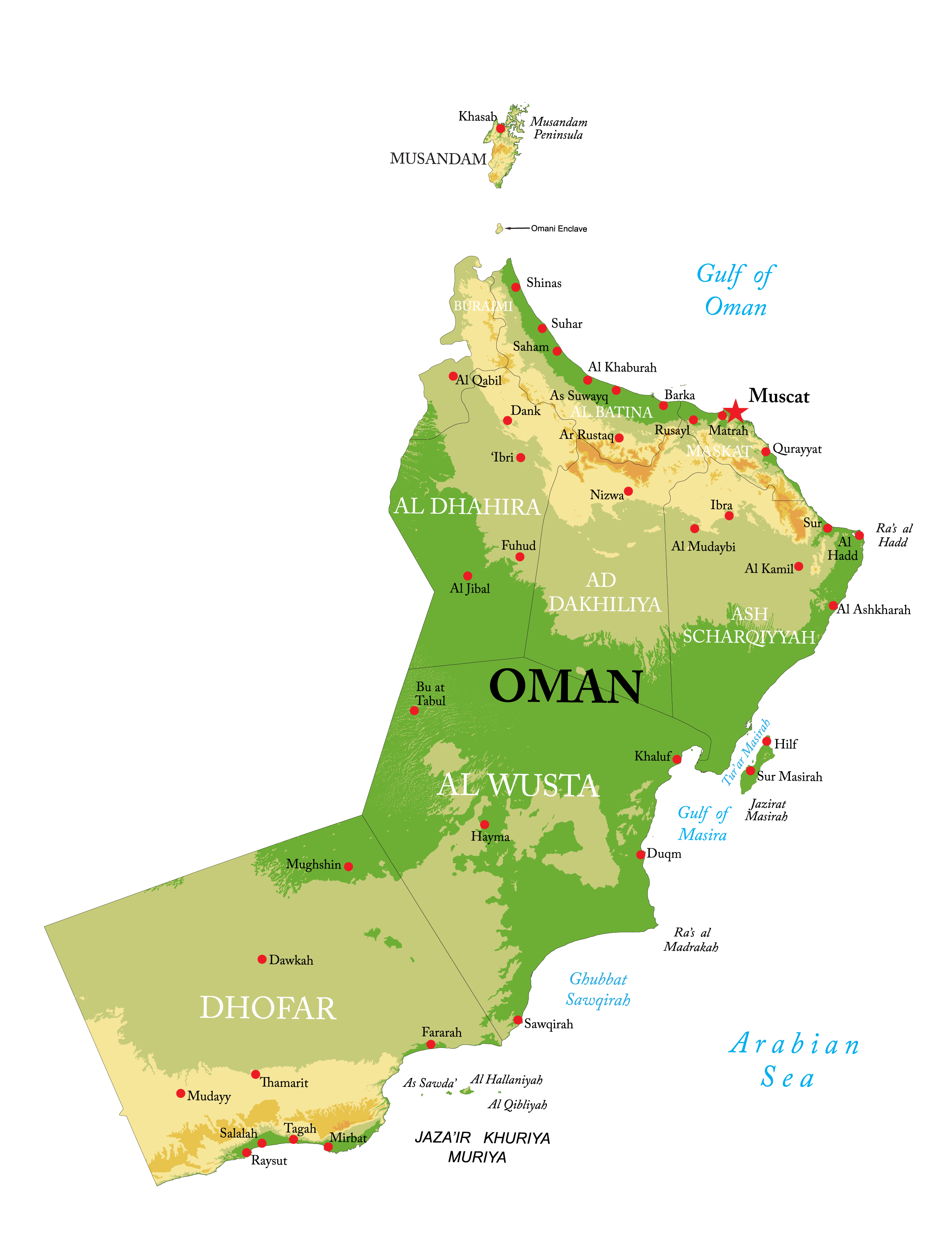
In Omani studies: Miller & Morris (1988) wrote that: "This plant grows rapidly at the first sign of rain, sending its stems twining up and into bushes and shrubs in the heavily wooded valley scarps and in the thickets of the valley bottoms. The whole of the plant is edible - the tuber [J: rot], the twining stem [J: ahtemut], the leaves [J: segelef], the flowers [J: seferor] and the fruit [J: kurun]. The younger, smaller tubers are delectably sweet and fine-flavoured, whilst the older, larger ones are rather fibrous and slightly sour. They grow in great profusion, and a collector can easily fill his or her leather pouch with enough tubers and foliage for himself and to take back to the family. Unfortunately the tubers do not keep well, so plants gathered were normally eaten the same day, but the edible parts of this plant provided a very welcome
...
*Ghazanfar, S. (2015). Flora of the Sultanate of Oman, vol.3: Loganiaceae – Asteraceae. Meise, National Botanic Garden of Belgium (Scripta Botanica Begica, Vol. 25). ISBN 9789082352511 ISSN 0779-2387.*https://en.wikipedia.org *https://illinoisbotanizer.com *Miller, A., Morris, M. (1988). Plants of Dhofar, the Southern Region of Oman: Traditional, Economic, and Medicinal Uses. Published by Office of the Adviser for Conservation of the Environment, Diwan of Royal Court, Sultanate of Oman; ISBN 10: 0715708082 ISSN 13: 9780715708088. *POWO (2023). ""Plants of the World Online. Facilitated by the Royal Botanic Gardens, Kew. Published on the Internet; http://www.plantsoftheworldonline.org
