
Perennial climber ; up to 1 m high , with white to yellowish latex . Stems leafless , branched , finely striate , semi-succulent , thick , glabrescent , glabrous . Leaves scale-like , often not exactly opposite , 0 . 8–1 . 2 x 0 . 5–0 . 8 mm , acute . Inflorescences 4–7-flowered ; peduncle 0–2 . 5 mm long ; pedicels 2–4 . 5 mm long , glabrous . Flowers sweetly scented , greenish-white ; corolla greenish-white , 5-lobed , fused basally ; lobes ± 3 mm , ovate ; coralline corona absent ; gynostegial corona white , lobes fused to about ¾ of length , erect or inflexed at the apex , connate to the filament . Fruit follicles , single or paired , ± 8 cm , with a short beak at the apex . Seeds 5–6 x 2–3 mm , pear-shaped , densely pubescent , not winged , with tuft of c . 2 cm long hairs . (Ref . Flora of Oman ; vol . 3) .
No Data
Not Evaluated (NE)
Not Common
الوصف غير متاح حاليًا
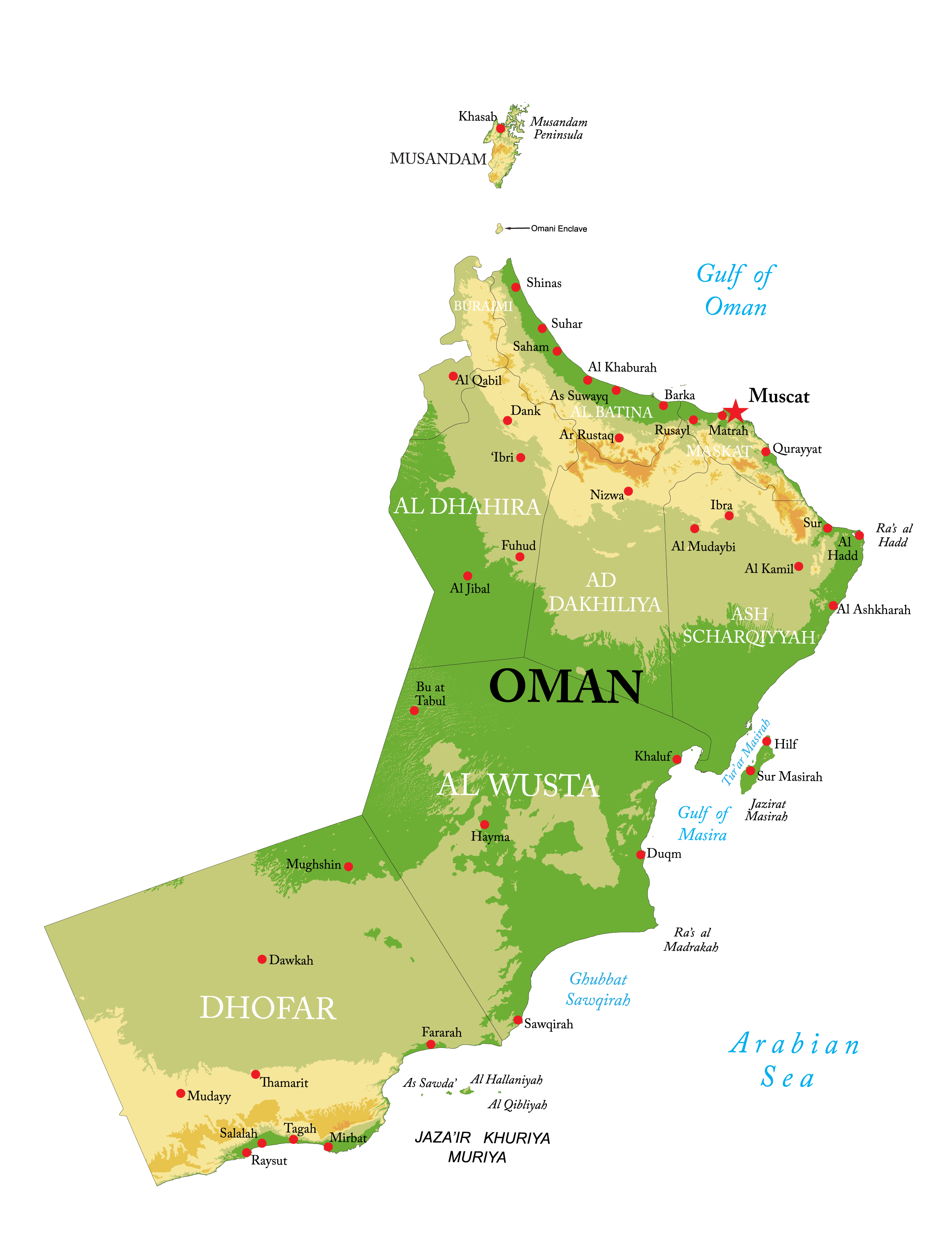
Cynanchum tetrapterum (Turcz.) R.A. Dyer
Sarcocyphula gerrardi Harv.
No data
maintenanceAr.Item1
Moroh
In Omani studies: Miller & Morris (1988) wrote that: "Cynanchum tetrapterum (=C. gerrardii), (J: halbelib, halbelob), grows swiftly at the onset of the rains, sending its tendrils twinning and spiralling up among the branches of the Euphorbia balsamifera bushes that forms the dominant vegetation of the high plateaux areas in Dhofar. These bushes provide a sort of specilalised micro-climate, a fertile and protected habitat where these plants and many others root. The whole plant is edible, flower, fruit, stems, roots and shoots, though it becomes tougher and more bitter further down the stem towards the root. It has a delicious sour flavour, and is full of juice, so it is not surprising that it was so very popular. Everyone in Dhofar known the little quatrin about this plant. tek helbelib agmudek d-ilbelib titi firkot gomdot tenzeyib (I ate Cynanchum tetrapterum and spent the evening in tears. My wife has run
...

*Ghazanfar, S. (2015). Flora of the Sultanate of Oman, vol.3: Loganiaceae – Asteraceae. Meise, National Botanic Garden of Belgium (Scripta Botanica Begica, Vol. 25). ISBN 9789082352511 ISSN 0779-2387.*https://en.wikipedia.org *https://casabio.org *Miller, A., Morris, M. (1988). Plants of Dhofar, the Southern Region of Oman: Traditional, Economic, and Medicinal Uses. Published by Office of the Adviser for Conservation of the Environment, Diwan of Royal Court, Sultanate of Oman; ISBN 10: 0715708082 ISSN 13: 9780715708088. *POWO (2023). ""Plants of the World Online. Facilitated by the Royal Botanic Gardens, Kew. Published on the Internet; http://www.plantsoftheworldonline.org
