
Scrambling or twining shrub ; up to 1 m tall , often forming tangled clumps . Stems scrambling , dichotomously branched , pencil-like , articulated at the nodes , fleshy , 3−7 mm in diameter , blue-green , glabrous ; latex white . Leaves absent or reduced to minute triangular scales . Inflorescences of umbellate terminal clusters , 3-20-flowered ; pedicel 6−12 mm long . Flowers yellowish green , faintly fragrant ; calyx 5-lobed , reddish brown ; lobes ovate , 1-1 . 5 mm long , acute ; corolla pale yellow , rotate , 5-lobed almost to base ; lobes 5−6 . 5 × 2 mm , ovate-oblong , margins reflexed , glabrous (lobes reflexed when the flower is in full bloom) ; corona double ; outer corona white , cup-like , 5-lobed , inner thick , fleshy , lobes attached to the central column 2−3 mm long . Fruit follicles , 10−13 cm , paired , linear-ellipsoid , divergent . Seeds 3-6 mm long , flattened , ovate , with a tuft of hairs at the tip . (Ref . Flora of Oman ; vol . 3) .
No Data
Not Evaluated (NE)
Not Common
الوصف غير متاح حاليًا
Asclepias stipitacea Forssk.
Sarcostemma stipitaceum (Forssk.) Schult.
Sarcostemma viminale subsp. stipitaceum (Forssk.) Meve & Liede
No data
maintenanceAr.Item1
Not known
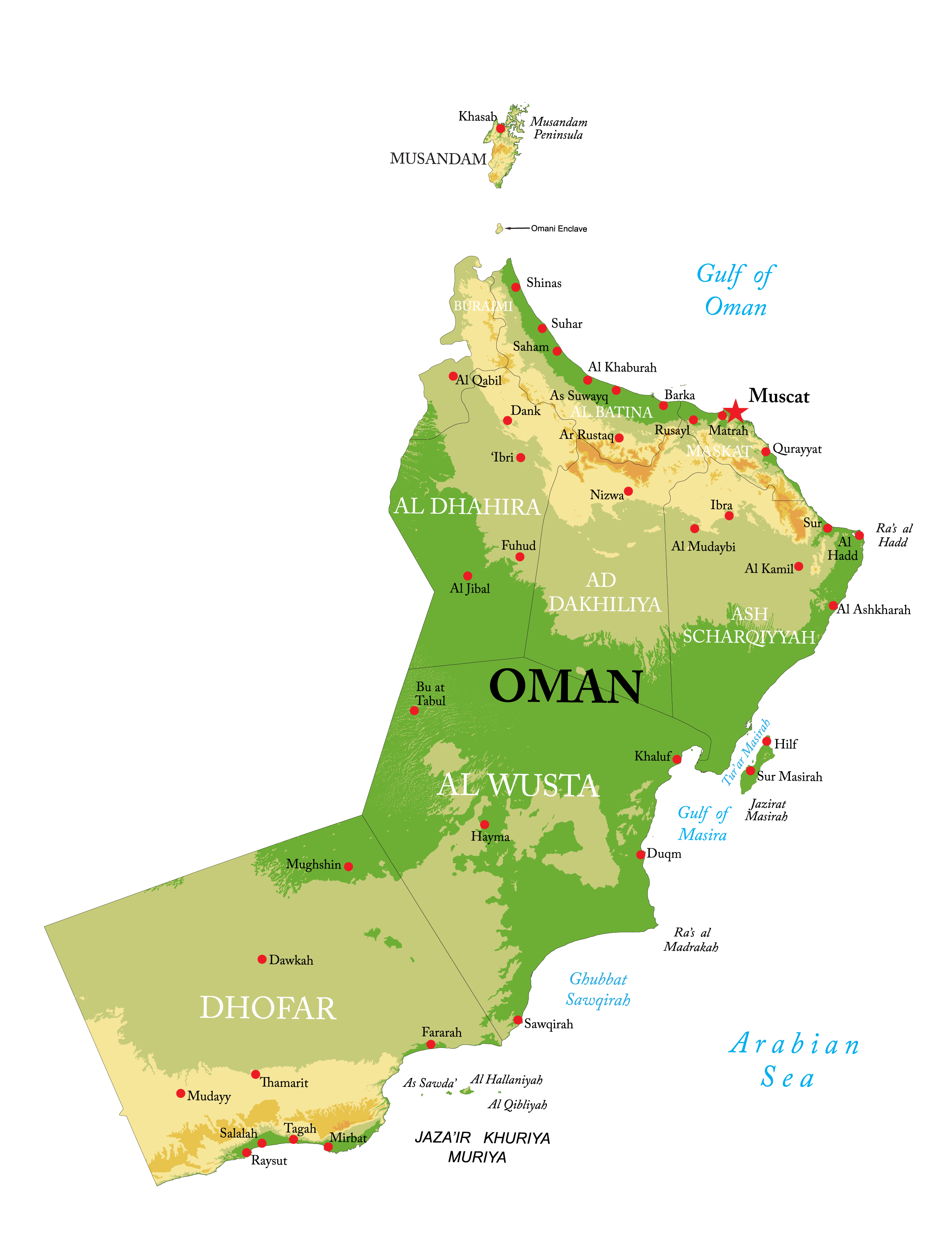
In Omani studies: Miller & Morris (1988) wrote that: "Sarcostemma viminale (= Cynanchum viminale subsp. stipitaceum) was an important food source in earlier times, and is still gathered and enjoyed today. The plant grows mainly in the drier areas of Dhofar, and after rain turns a bright green as delcate new shoots appear. If the new growth is grasped firmly and twisted sharply around, the green outer covering slides cleanly away from the harder centre, providing an edible hollow tube. The taste is refreshingly lemony and tart, and it was regarded as having medicinal value as a restorative and general tonic, purifying the blood and cleansing the entire digestive system. After rain people would go out and gather armfuls of it to take back to the settlements. The flowers too are edible, as are the young fruit. Livestock enjoy the plant as well. Unfortunately, there are stories of the poorly
...

*Ghazanfar, S. (2015). Flora of the Sultanate of Oman, vol.3: Loganiaceae – Asteraceae. Meise, National Botanic Garden of Belgium (Scripta Botanica Begica, Vol. 25). ISBN 9789082352511 ISSN 0779-2387.*https://en.wikipedia.org *https://en.wiktionary.org *Miller, A., Morris, M. (1988). Plants of Dhofar, the Southern Region of Oman: Traditional, Economic, and Medicinal Uses. Published by Office of the Adviser for Conservation of the Environment, Diwan of Royal Court, Sultanate of Oman; ISBN 10: 0715708082 ISSN 13: 9780715708088. *Gledhill, D. (2008). The Names of Plants. Fourth Edition. Cambridge University Press, UK. ISBN 978-0-521-86645-3 ISSN 978-0-521-68553-5. *Pickering, H. Patzelt, A. (2008). Field Guide to the Wild Plants of Oman. Kew publishing, Royal Botanic Garden, Kew. ISBN 9781842461778. *POWO (2023). ""Plants of the World Online. Facilitated by the Royal Botanic Gardens, Kew. Published on the Internet; http://www.plantsoftheworldonline.org
