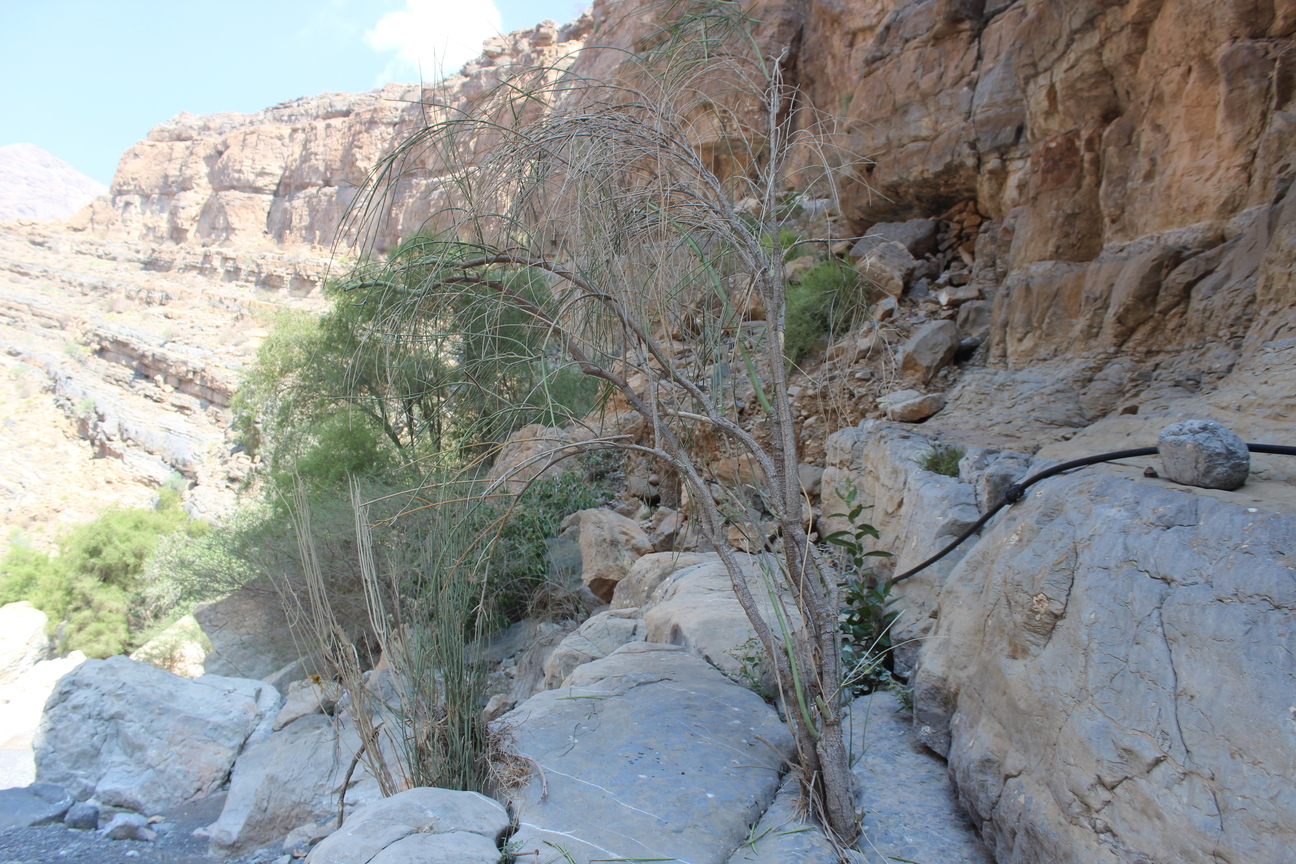
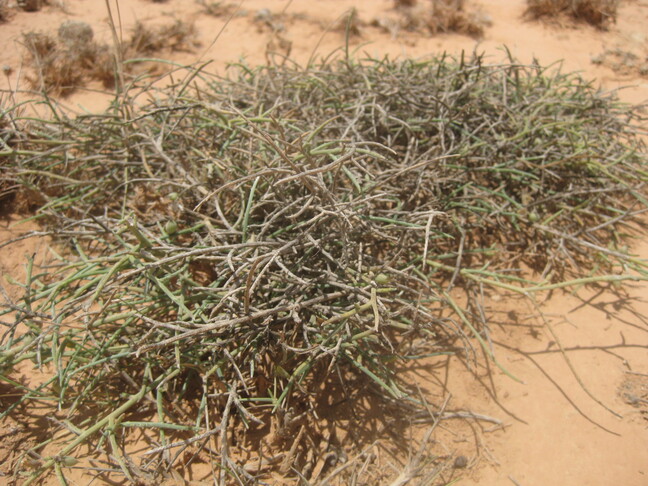
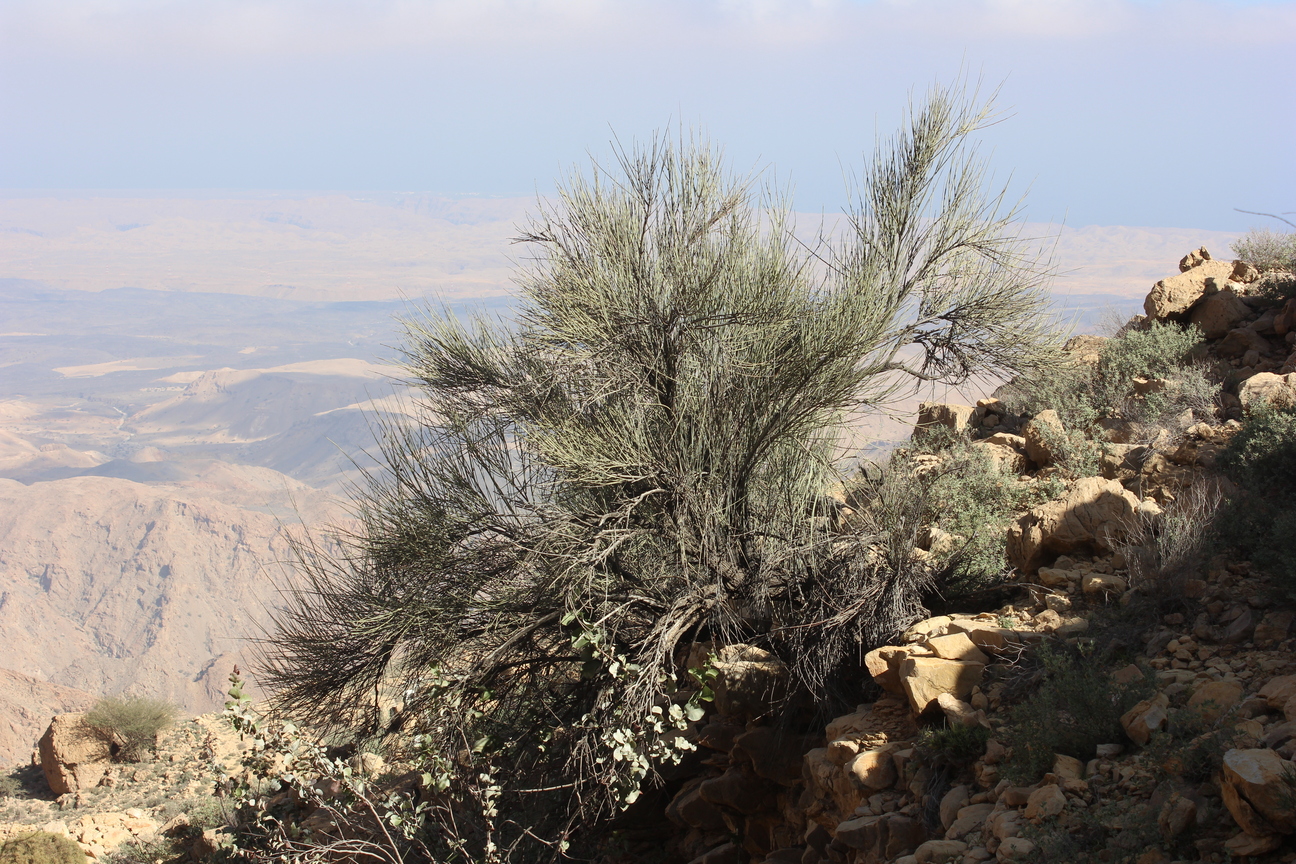
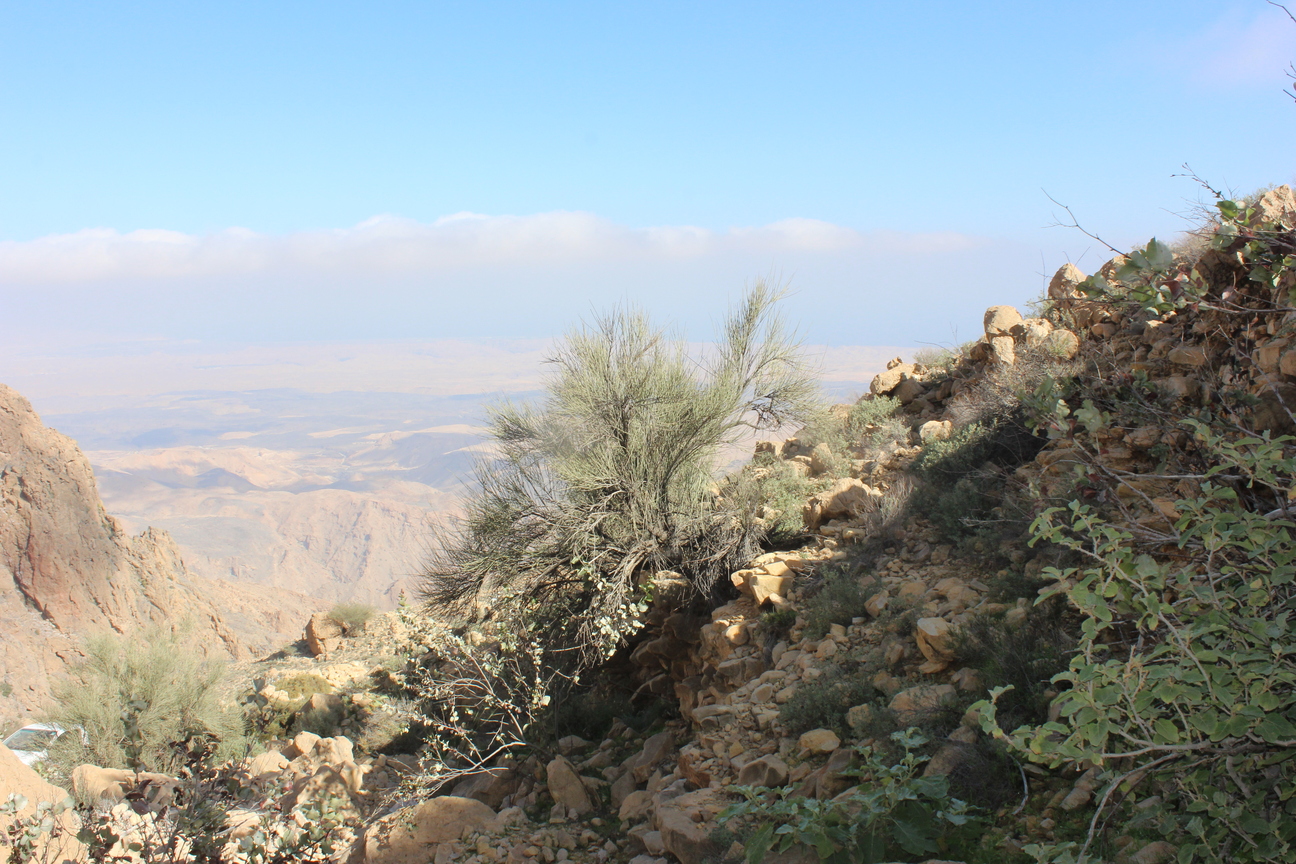
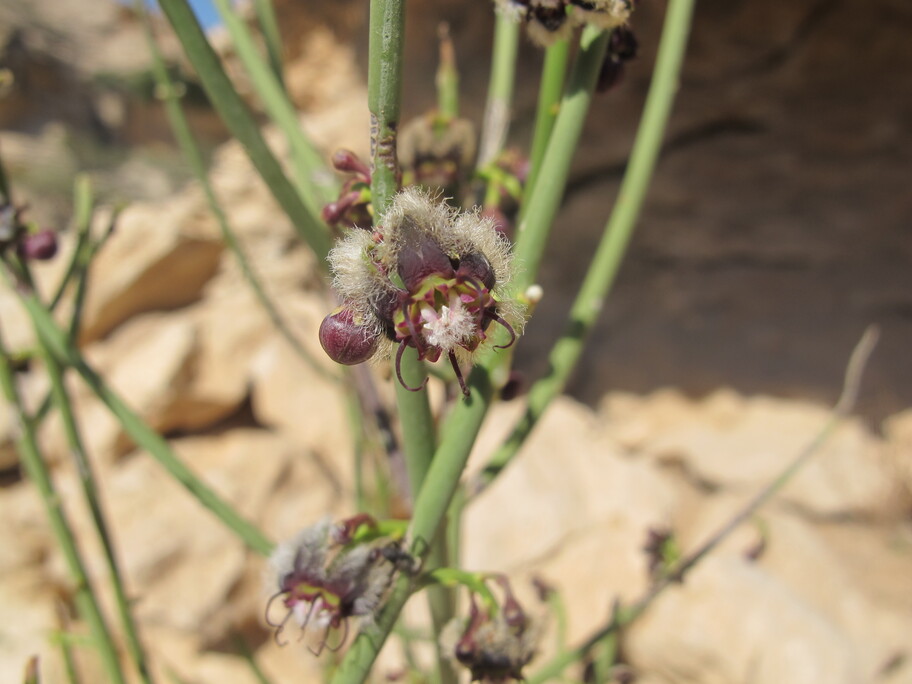
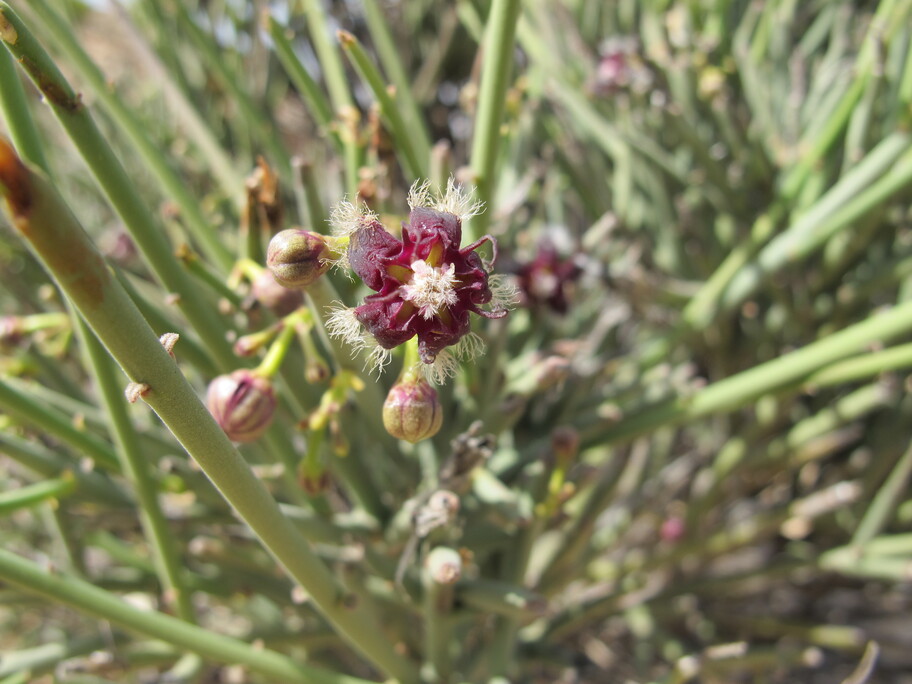
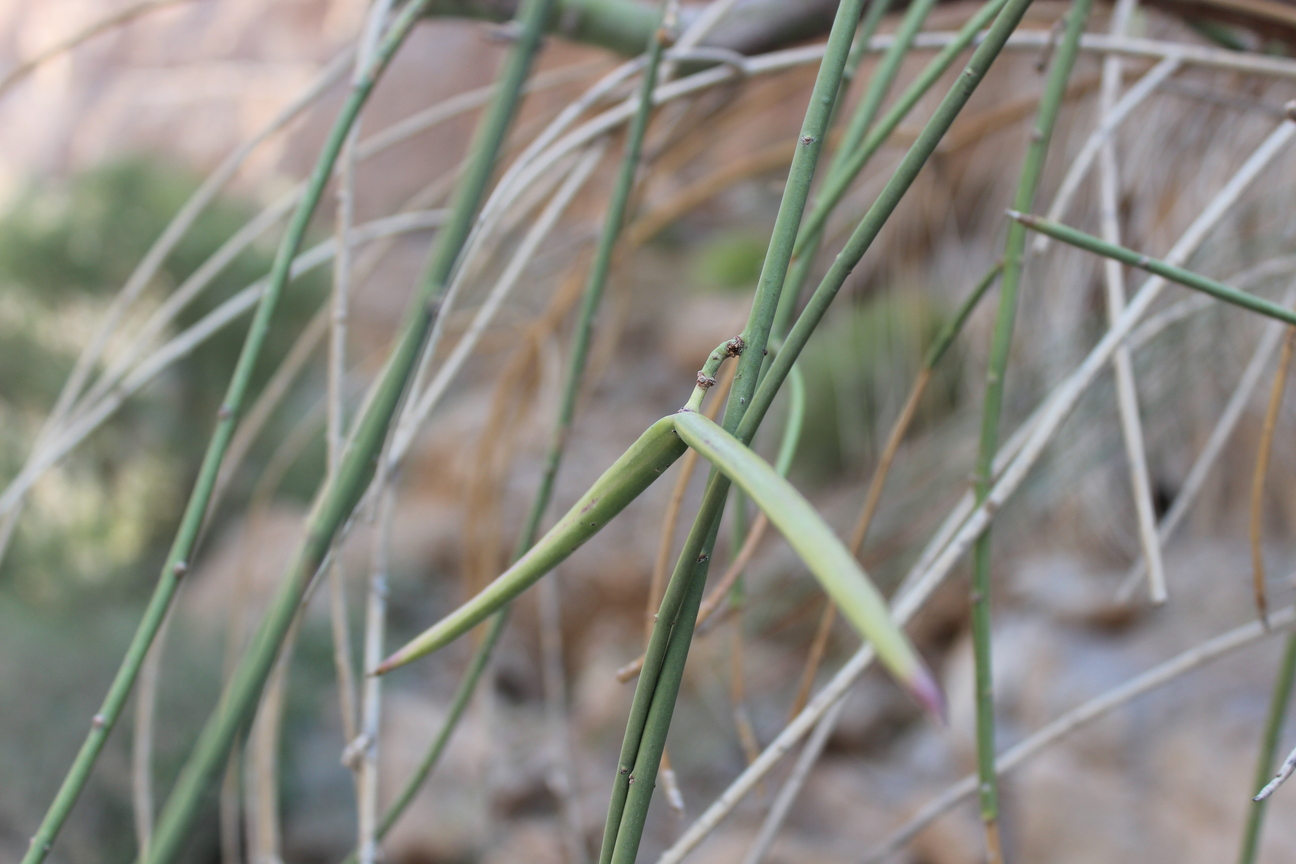
Periploca_aphylla_2 © OBG
Periploca_aphylla_3 © OBG
Periploca_aphylla_4 © OBG
Periploca_aphylla_5 © OBG
Periploca_aphylla_6 © OBG
Periploca_aphylla_7 © OBG
Periploca_aphylla © OBG
Erect almost leafless shrub ; up to 2(-3) m tall , produces white latex when cut . Stems much branched , thick and rigid , leafless , green or yellowish green . Leaves opposite , tiny , 3−12 x 1−5 mm , soon falling , ovate-oblong , apex obtuse , thick and leathery . Inflorescences borne in 3-15-flowered axillary or terminal clusters ; pedicel 2−3 mm . Flowers about 10 mm across , deep red/purple ; calyx 5-lobed to half its length ; lobes 2−3 mm , ovate , obtuse , ciliate ; corolla 5-lobed almost to base ; lobes spreading or reflexed , oblong , 5−7 × 2−4 mm , purple with a green margin and elliptic white or pale yellow median stripe , fringed with long white hairs ; corona 3-segmented , central purple , filiform , 6−7 mm long , lateral fleshy , ovoid , reddish , fused to the inner base of corolla lobe ; stamens 5 with short filaments ; anthers bearded ; pollen in tetrads ; pollen translators spathulate . Fruit follicles , 6−12 cm , often paired , cylindrical , smooth , tip tapering , acute , widely divergent becoming hard
...

No Data
Not Evaluated (NE)
Common
الوصف غير متاح حاليًا
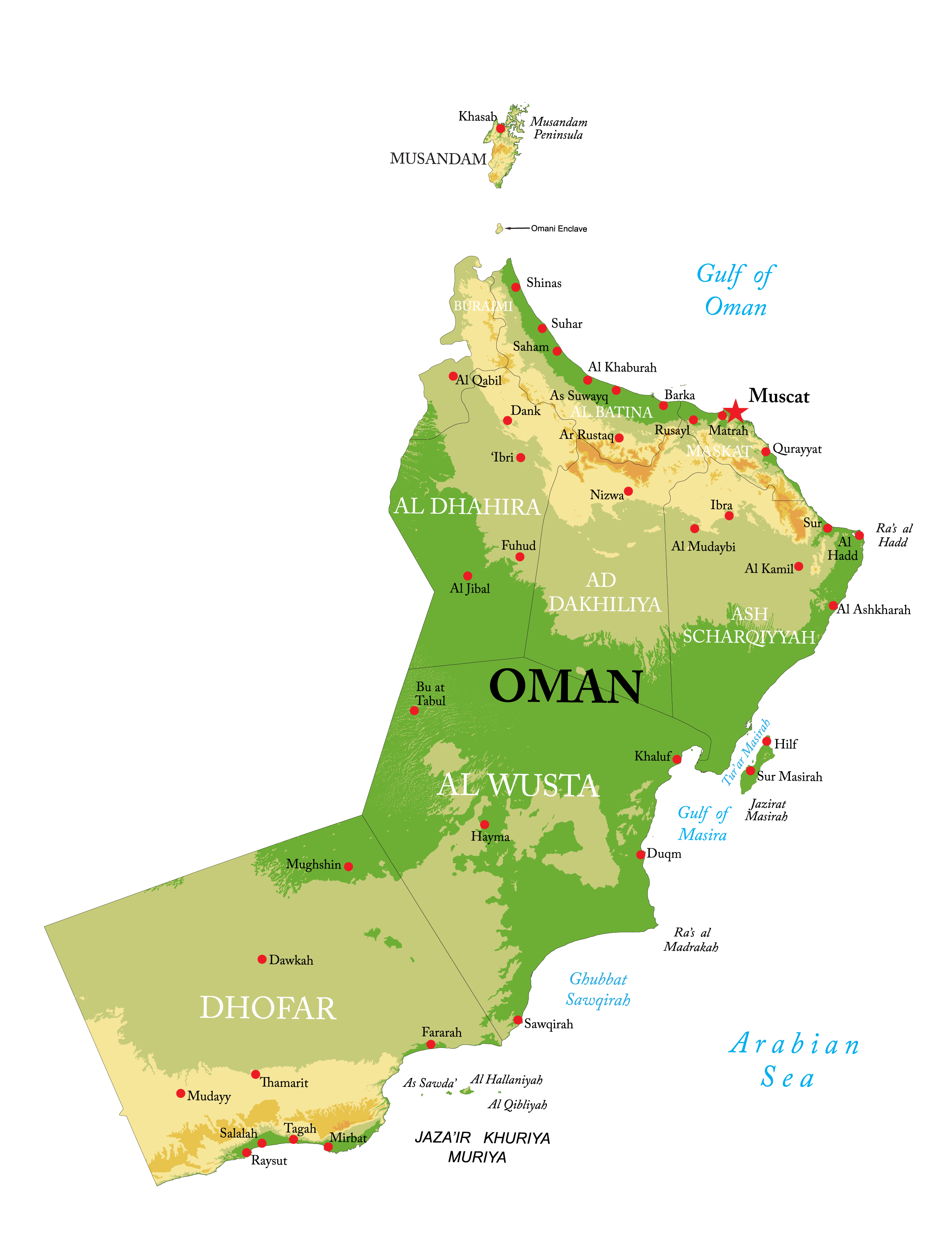
Not available
No data
maintenanceAr.Item1
Milk Broom
In Omani studies: Miller & Morris (1988) wrote that: "P. aphylla occurs widely throughout Dhofar, but more commonly in the drier areas. It flowers in the summer. The buds and central parts of the flowers are edible (like the much appreciated buds of Leptadenia pyrotechnica [DA: marx] that grows in the desert areas), but the pods are not eaten, except by livestock. It was an important fodder source during the dry season, or during the hard period at the beginning of the rains when other fodder was scarce. Herders went out to gather it and brought sackfuls back to livestock too weak to venture far in search of grazing at this time. Dried twigs and stalks, or thin slivers sliced from the main stems were fire-scorched then ground down to be taken as snuff, either on its own, or mixed with powdered tobacco. The whole bush was used ingeniously to
...
*Ghazanfar, S. (2015). Flora of the Sultanate of Oman, vol.3: Loganiaceae – Asteraceae. Meise, National Botanic Garden of Belgium (Scripta Botanica Begica, Vol. 25). ISBN 9789082352511 ISSN 0779-2387. *https://en.wikipedia.org *http://www.efloras.org *Gledhill, D. (2008). The Names of Plants. Fourth Edition. Cambridge University Press, UK. ISBN 978-0-521-86645-3 ISSN 978-0-521-68553-5. *Miller, A., Morris, M. (1988). Plants of Dhofar, the Southern Region of Oman: Traditional, Economic, and Medicinal Uses. Published by Office of the Adviser for Conservation of the Environment, Diwan of Royal Court, Sultanate of Oman; ISBN 10: 0715708082 ISSN 13: 9780715708088. *Pickering, H. Patzelt, A. (2008). Field Guide to the Wild Plants of Oman. Kew publishing, Royal Botanic Garden, Kew. ISBN 9781842461778. *Richardson, N. Dorr, M. (2003). The Craft Heritage of Oman; vol. 1. Published by Motivate publishing. ISBN 1-86063-1576. *POWO (2023). ""Plants of the World Online. Facilitated by the Royal Botanic Gardens, Kew. Published on the Internet; http://www.plantsoftheworldonline.org
