An erect perennial herb or evergreen dwarf shrub ; up to 30-80 cm tall , glabrous . Stems often with woody base , covered with bases and scars of old leaves . Leaves alternate , 5−7 x 1−3 cm , narrowly ovate to lanceolate , tip acute , base unequally attenuate into a short petiole < 1 mm , margin entire , coriaceous , subsucculent , fresh green in colour , yellowish-green when dry , glabrous ; midrib yellowish and raised on the undersurface . Inflorescences in clusters at the end of stems ; pedicels 2-3 mm . Flowers white ; calyx tubular with 5 triangular lobes 2 mm long , glabrous ; corolla tubular , widest at throat , 5-lobed above , the lobes spreading ; tube 8−14 mm , hairy inside ; lobes bluishgreen outside , 3−6 mm long , acute . Fruit paired , cylindrical , erect , 5−8 cm , tip attenuate , smooth , terete , green when young , brown and dry when mature , splitting at maturity . Seeds 6-8 mm long , compressed , narrowly winged , brown . (Ref . Flora of Oman ; vol . 3) .
No Data
Not Evaluated (NE)
Common
الوصف غير متاح حاليًا
Not available
No data
maintenanceAr.Item1
Eshvarak (Persian)
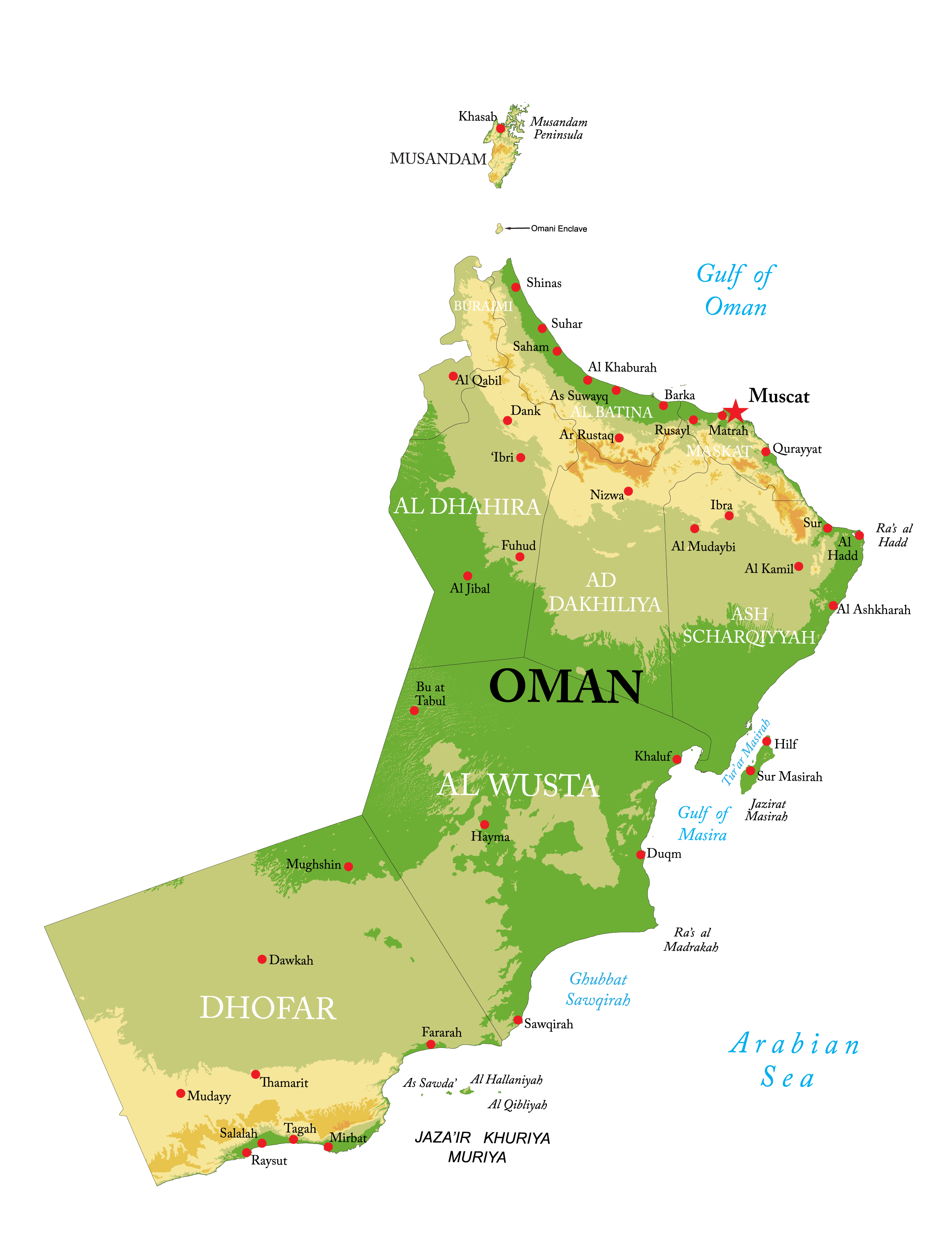
In Omani studies: Miller & Morris (1988) wrote that: "This was the chief medicinal plant of the more desert areas in Dhofar. It was collected and sold to the inhabitants of the monsoon areas and the communities settled along the coast. It thus provided a source of income to those living in the desrt, especially near the coast, who collected and sold bunches of the plants to the boats that formerly plied the Southern Arabian seaboard. It was highly regarded both for its medicinal virtues and for its more supernatural properties (in so far as the two can realistically be separated in the traditional medicine of the area). It is one of the shajarat al-jinn, 'the plants of the Jinn', and thus precautions should be taken when gathering it: something of iron should be worn by the collector, and he should approach the plant praising God and pronouncing Qur'anic formulae.
...

*Ghazanfar, S. (2015). Flora of the Sultanate of Oman, vol.3: Loganiaceae – Asteraceae. Meise, National Botanic Garden of Belgium (Scripta Botanica Begica, Vol. 25). ISBN 9789082352511 ISSN 0779-2387. *https://en.wikipedia.org *Miller, A., Morris, M. (1988). Plants of Dhofar, the Southern Region of Oman: Traditional, Economic, and Medicinal Uses. Published by Office of the Adviser for Conservation of the Environment, Diwan of Royal Court, Sultanate of Oman; ISBN 10: 0715708082 ISSN 13: 9780715708088. *Pickering, H. Patzelt, A. (2008). Field Guide to the Wild Plants of Oman. Kew publishing, Royal Botanic Garden, Kew. ISBN 9781842461778. *POWO (2023). ""Plants of the World Online. Facilitated by the Royal Botanic Gardens, Kew. Published on the Internet; http://www.plantsoftheworldonline.org
