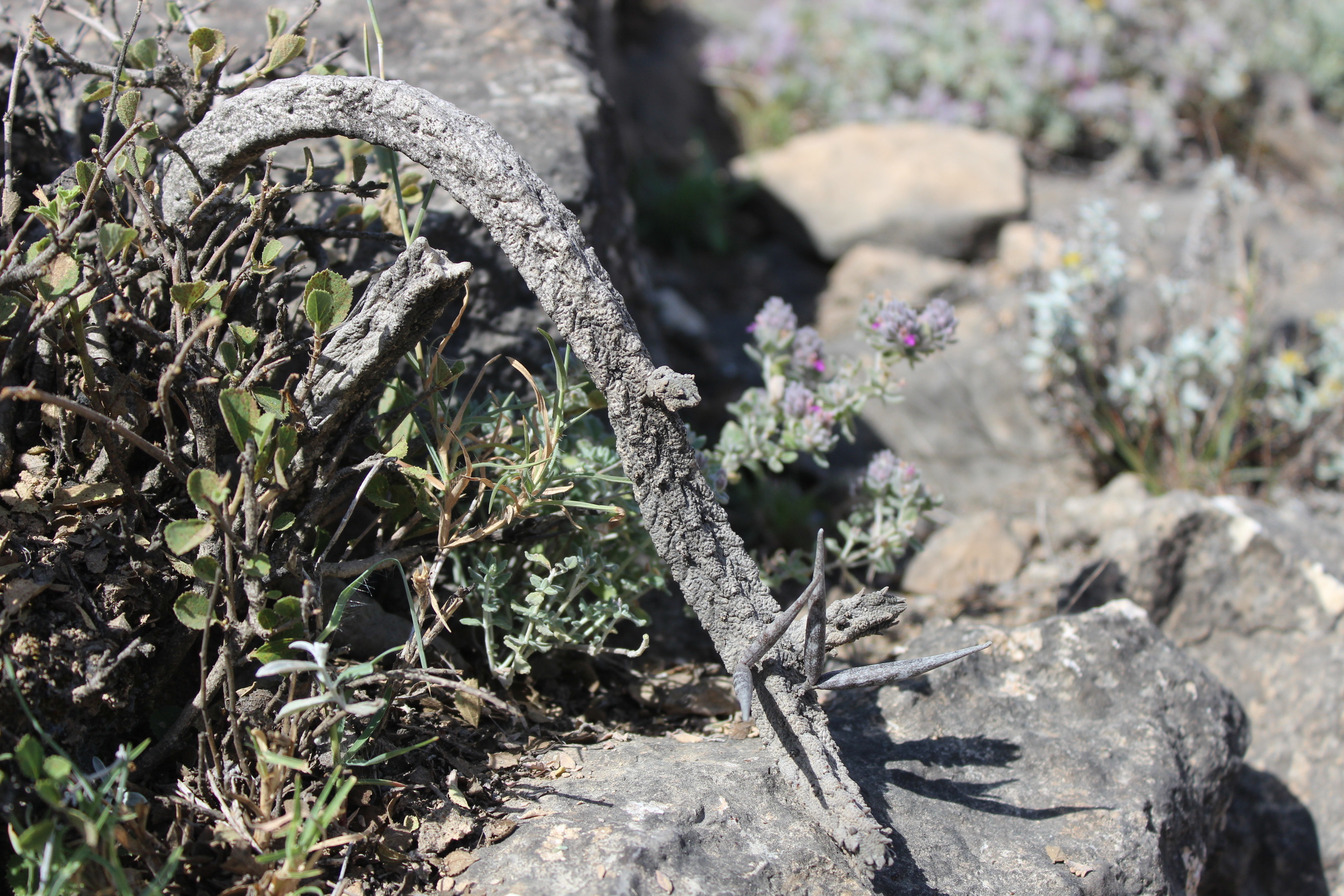
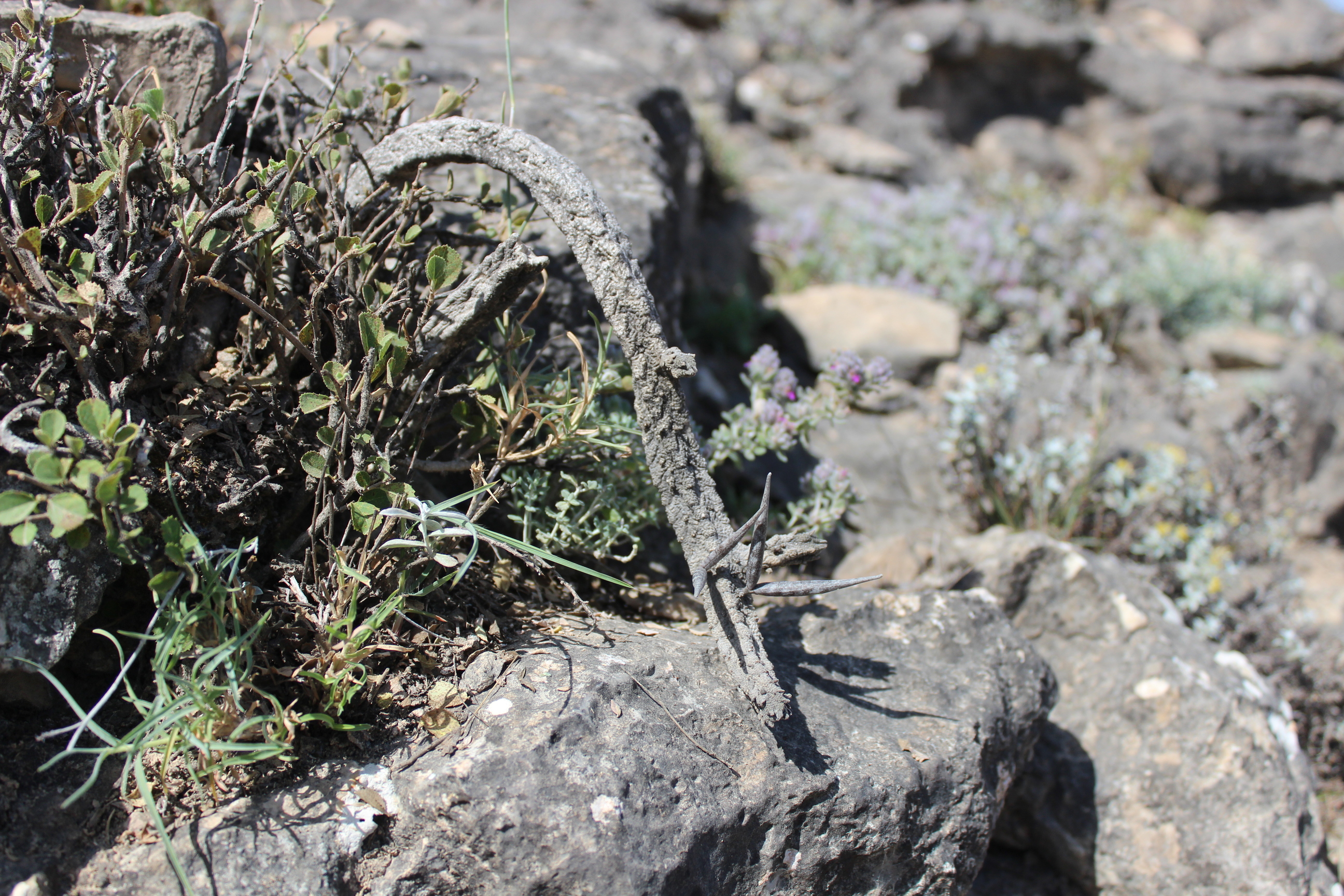
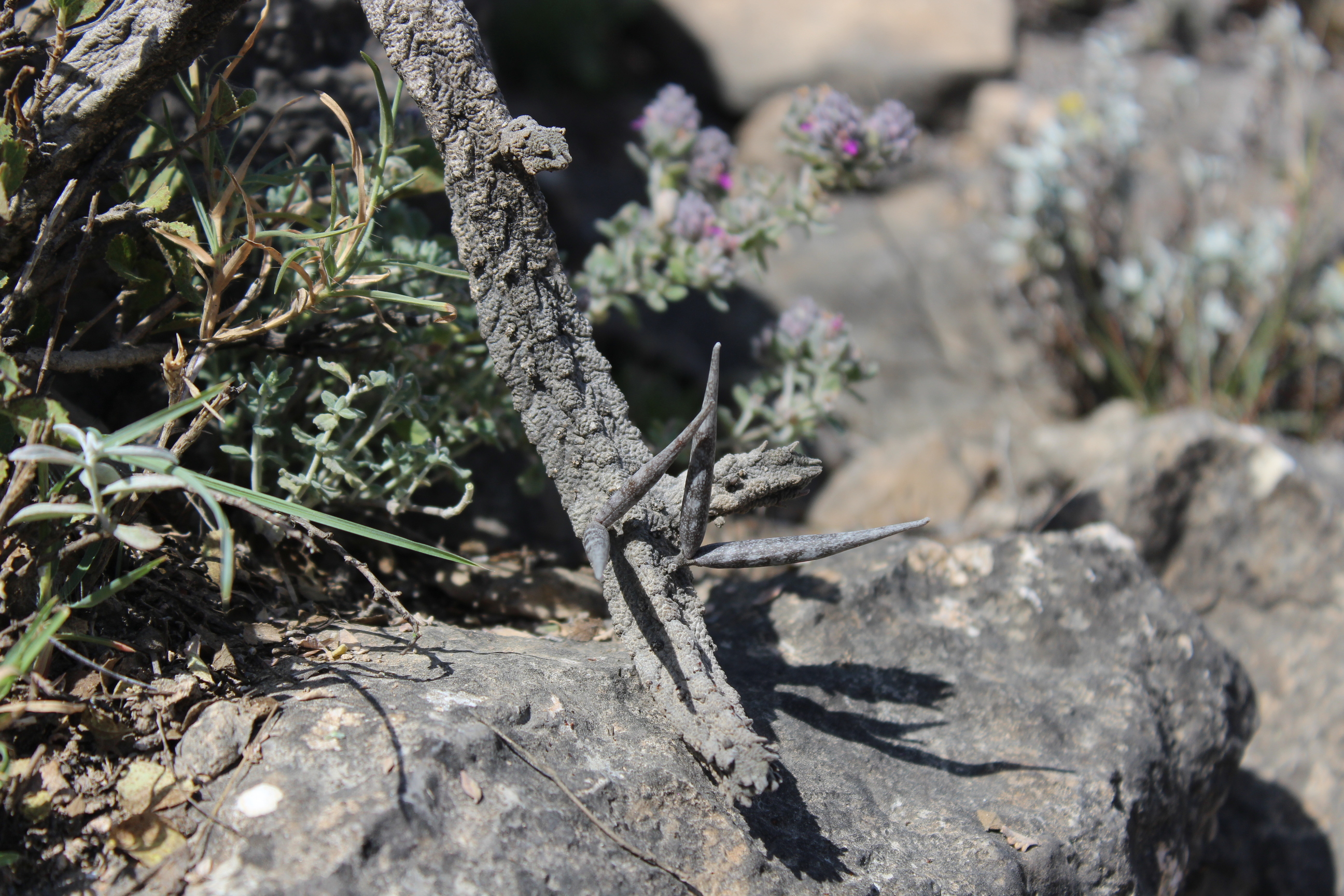
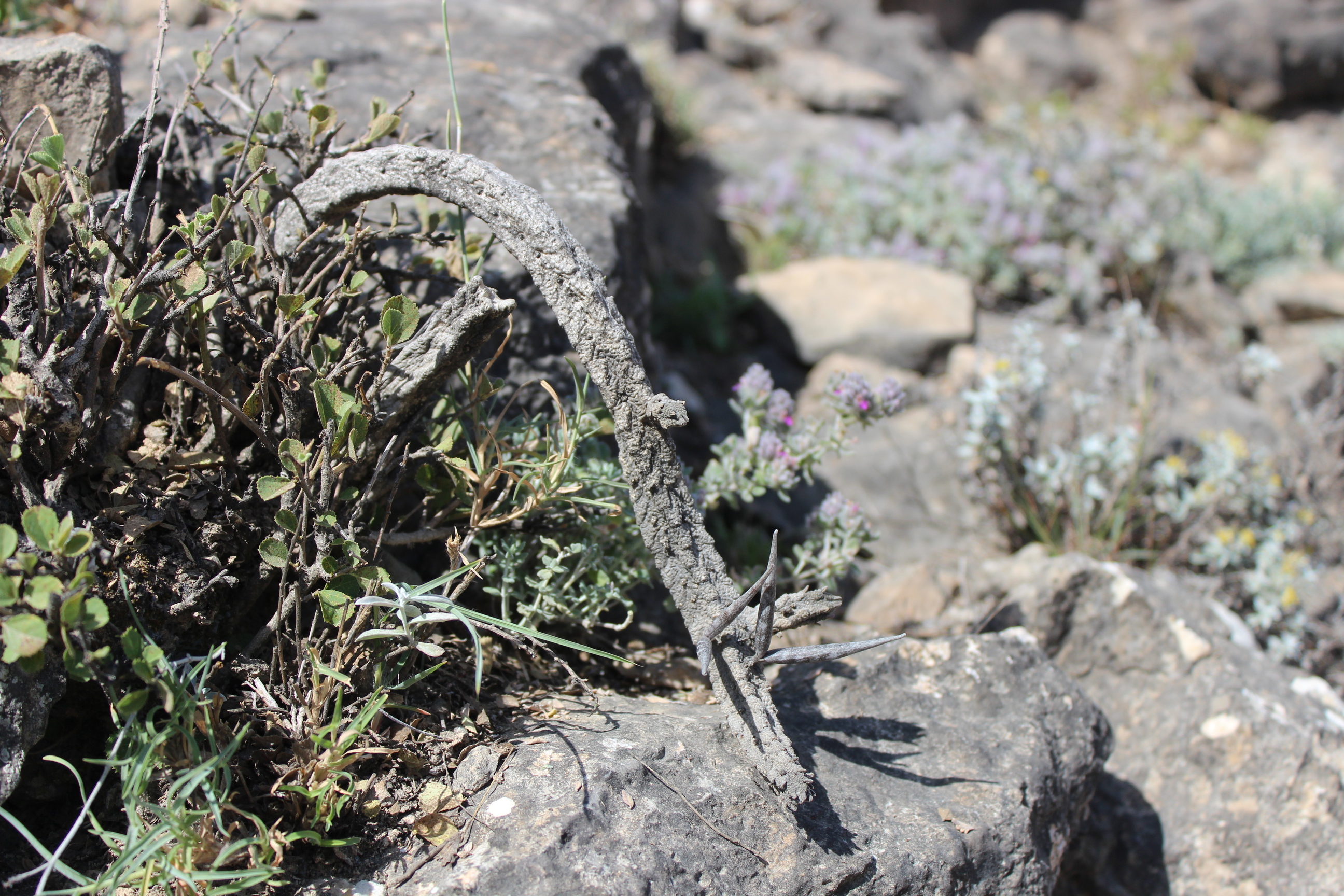
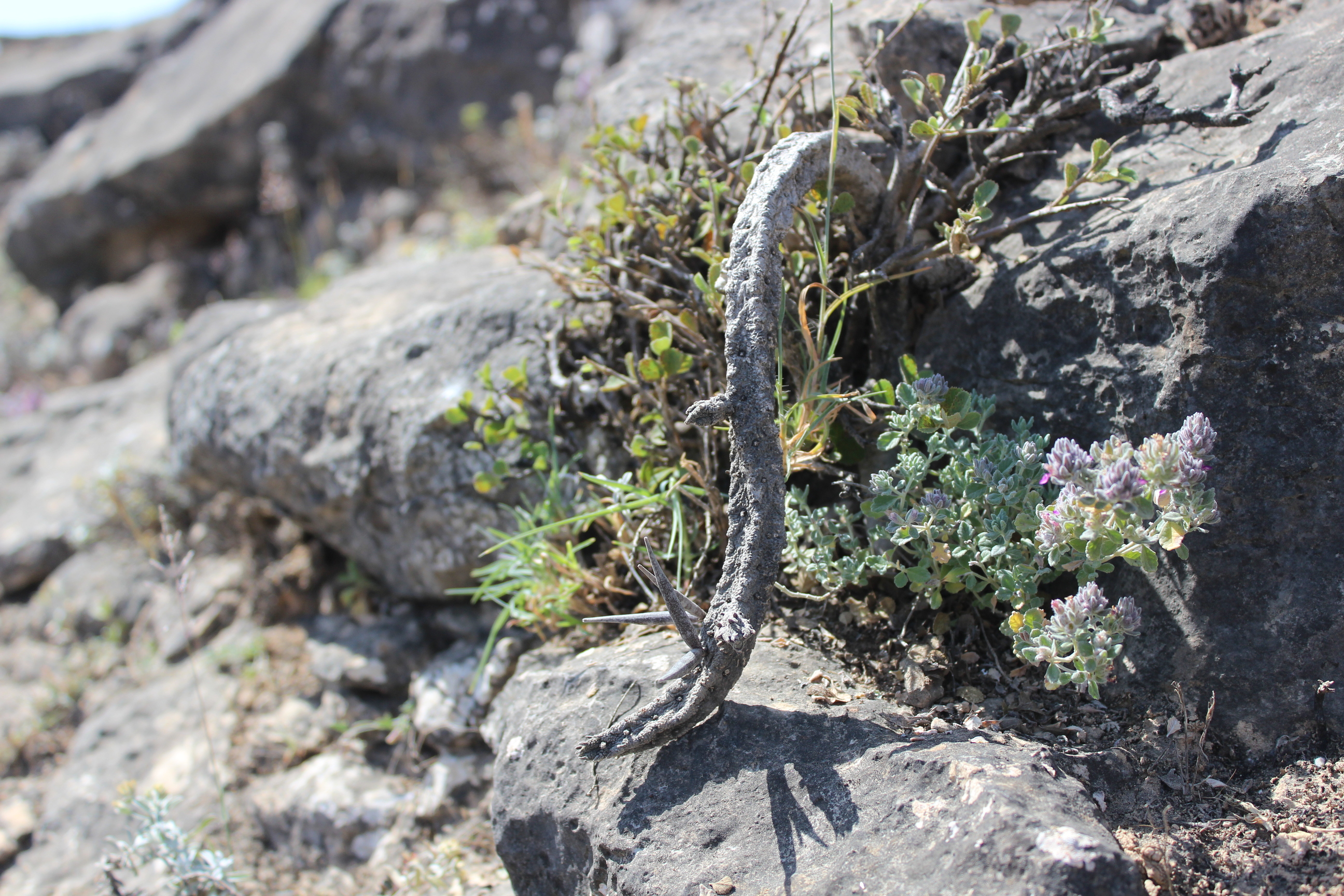
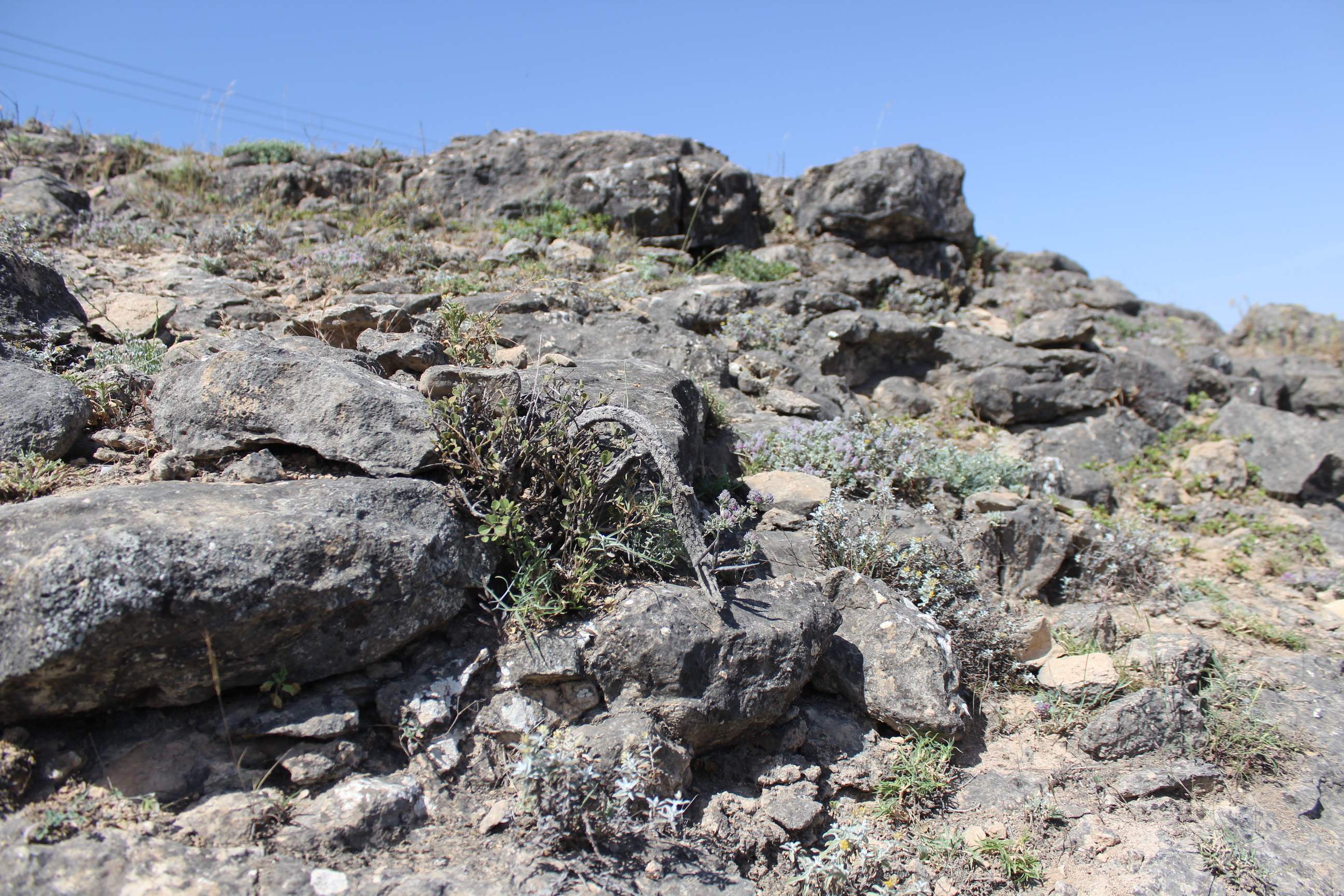
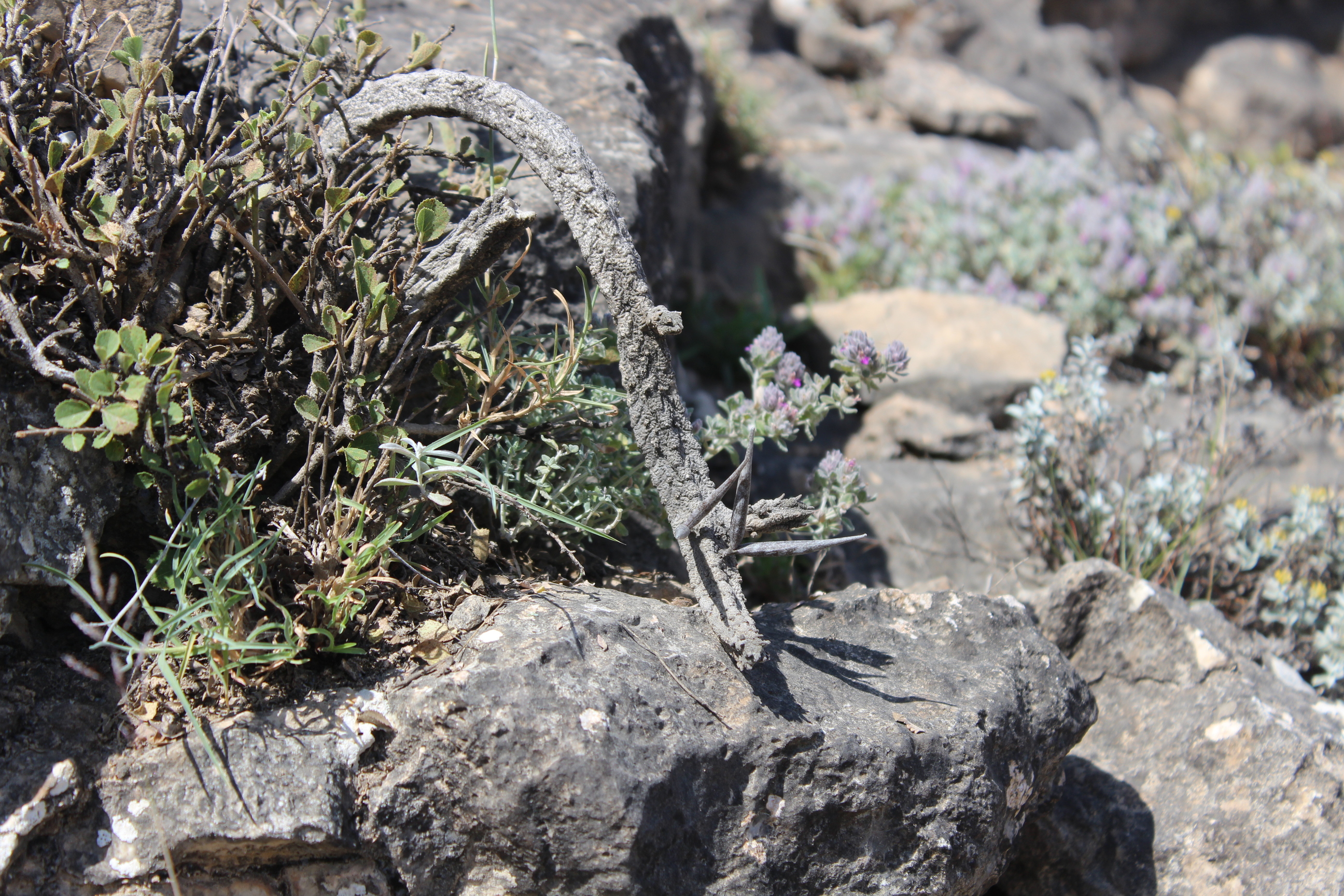
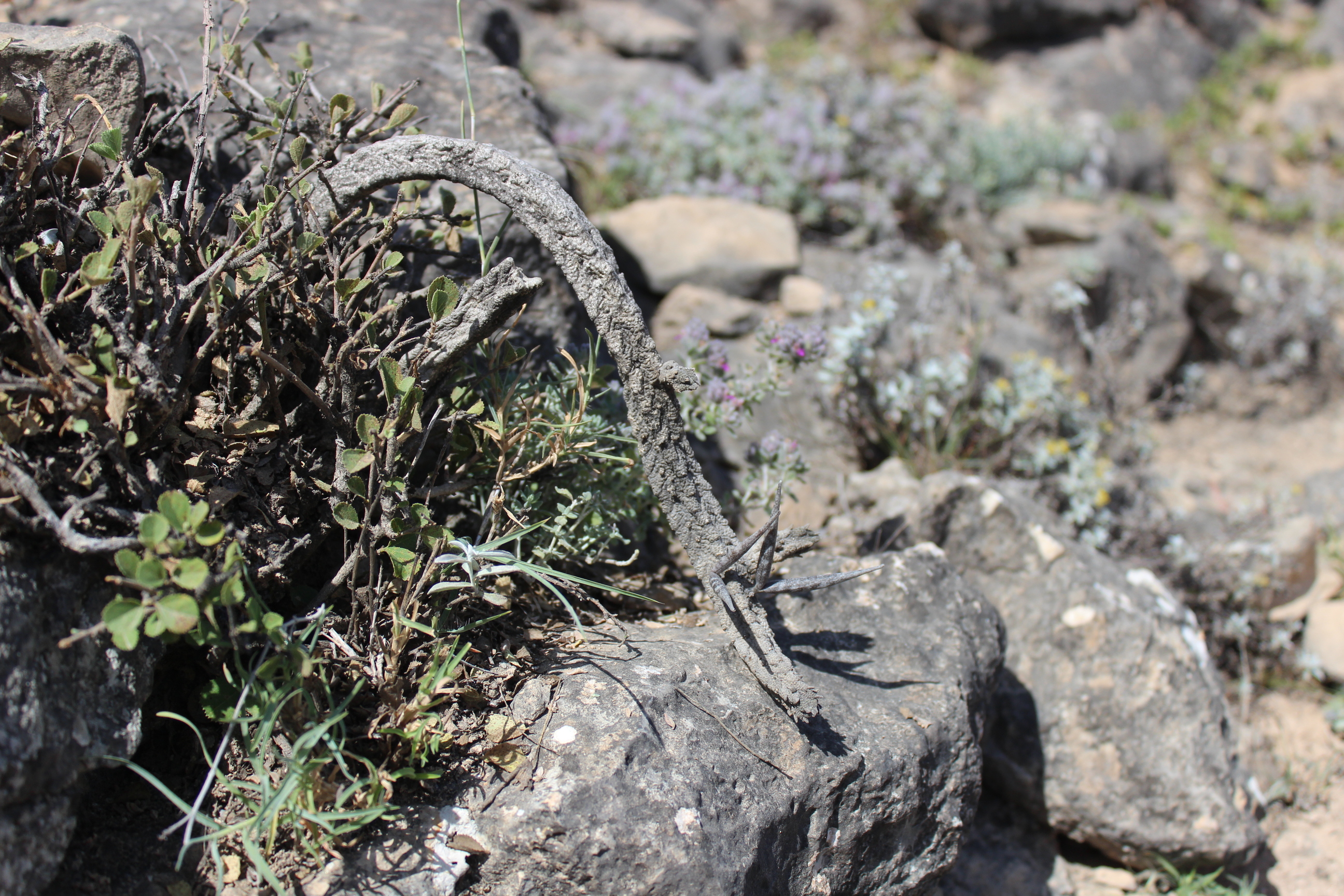
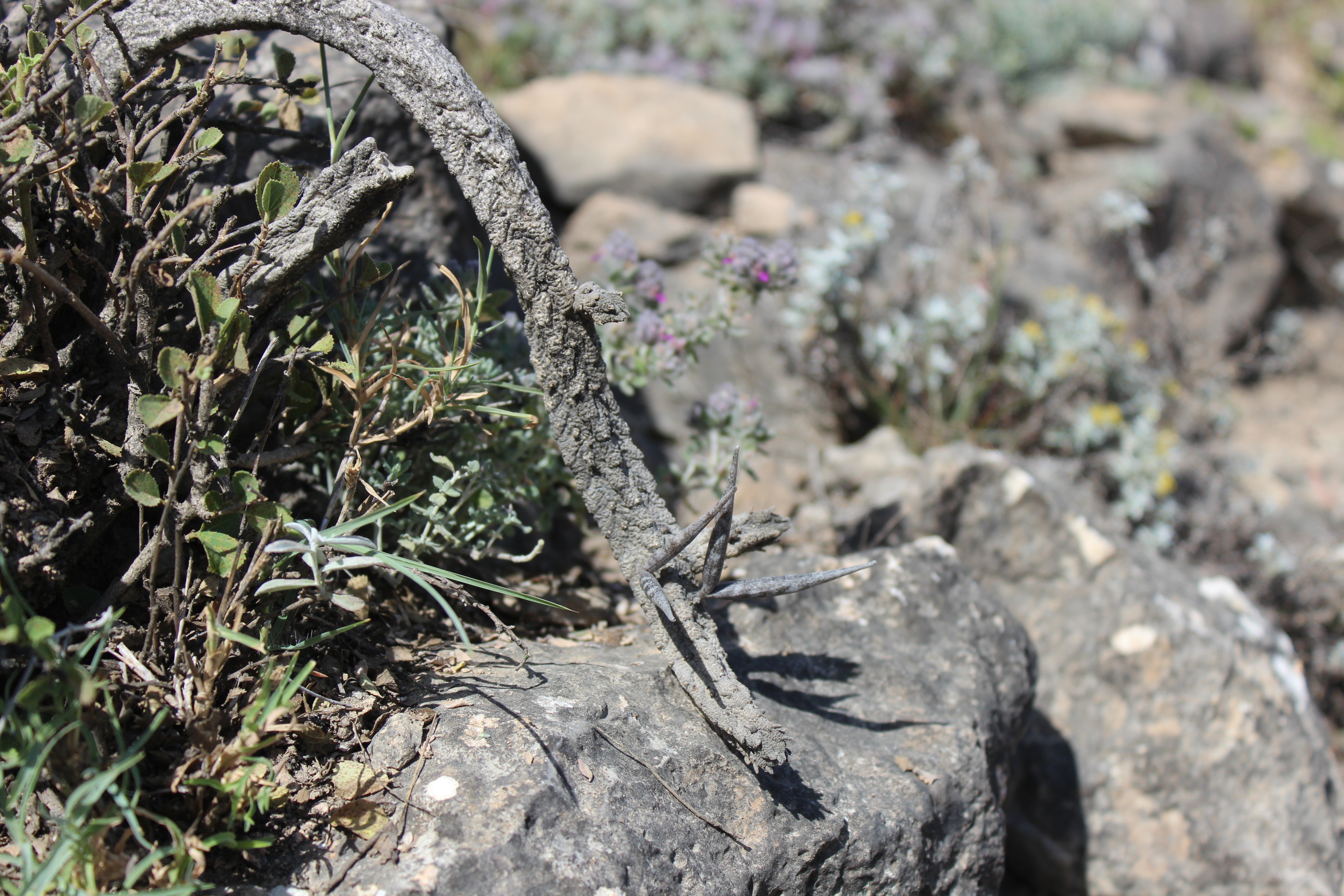
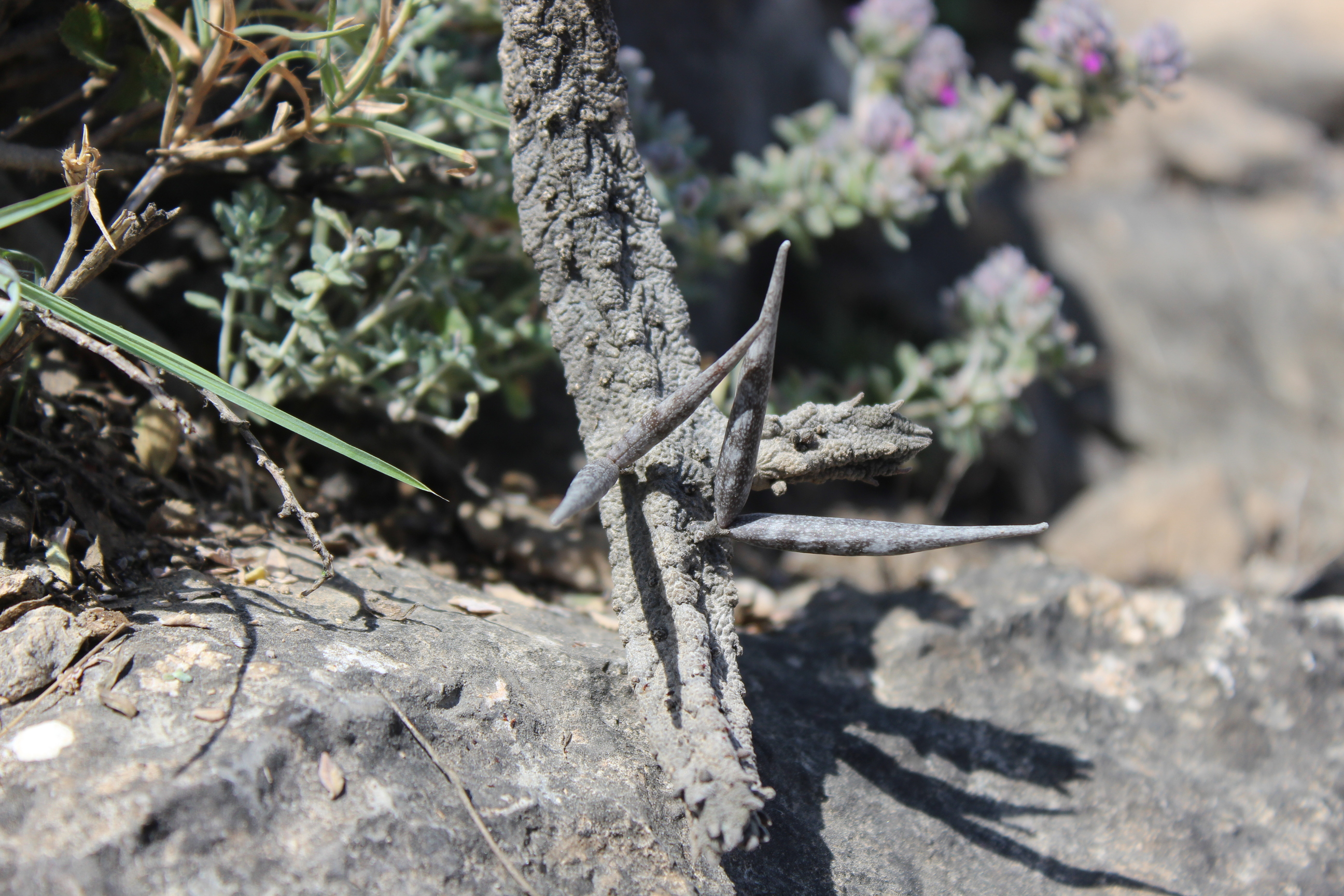
Rhytidocaulon_fulleri_10 © OBG
Rhytidocaulon_fulleri_2 © OBG
Rhytidocaulon_fulleri_3 © OBG
Rhytidocaulon_fulleri_4 © OBG
Rhytidocaulon_fulleri_5 © OBG
Rhytidocaulon_fulleri_6 © OBG
Rhytidocaulon_fulleri_7 © OBG
Rhytidocaulon_fulleri_8 © OBG
Rhytidocaulon_fulleri_9 © OBG
Rhytidocaulon_fulleri © OBG
Low growing , prostrate , creeping to ascending succulent herb ; up to 20 cm tall , ± leafless . Stems simple or few branched sparingly from base , 4−5-angled , wrinkled with rounded tubercles , new growth bluish-green , older parts grey-green , covered with thick waxy coating . Leaves near the apex of stem , ± 3 mm , ovate , fleshy , small and rudimentary , falling soon . Inflorescences subsessile , 1- to 3-flowered , solitary or in pairs , scattered over the young parts of the stem , long-lived . Flowers small , 2 . 5−4 . 5 mm across , cage like , yellowish-brown with brownish-red transverse lines , rich in nectar and unscented ; calyx 5-lobed , lobes 2−3 mm , deltoid ; corolla 5-lobed , lobes free to the base , 4−10 mm , linear-spathulate , margins recurved , yellowish-brown with brownish-red transverse lines , connivent at the tips ; corona in 2 series , brown-red , 2−4 mm across ; outer lobes triangular with erect basal processes ; inner lobes pinkish , oblong , inwardly directed ; pollinia ovoid . Fruit follicles , 40 × 4 mm , paired , erect , linear , bluish-green
...

No Data
Near Endemic (NE) - Endangered (EN B1b(i , iii)) - Global Assessment
Rare
الوصف غير متاح حاليًا
Ceropegia fulleri (Lavranos & Mortimer) Bruyns
No data
maintenanceAr.Item1
Not known
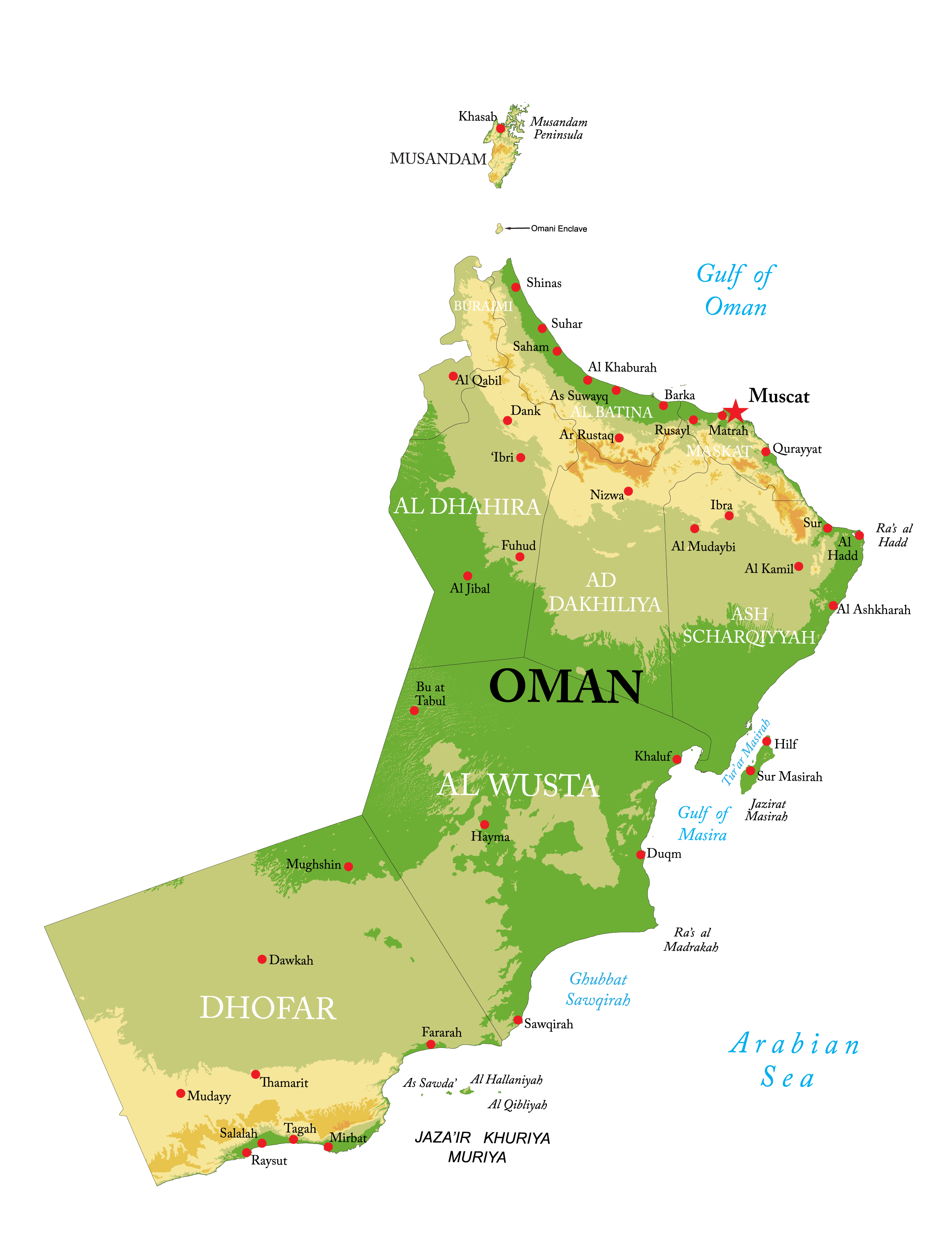
In Omani studies: Miller & Morris (1988) wrote that: "Rhytidocaulon fulleri does not apparently occur commonly enough for it to have been given a specific name. Specimens shown to local experts illicited the name deģúbsi, or duģebóš, the name for Echidnopsis planiflora (Echidnopsis scutellata subsp. dhofarensis). It is rare in Dhofar, being occasionally found in the dry areas outside the monsoon zone. The flowers and fruits as well as the stem when it is flushed green after rain, are all edible. But these plants are insufficiently common to have had any importance as nourishment". (Ref. Plants of Dhofar).
*Ghazanfar, S. (2015). Flora of the Sultanate of Oman, vol.3: Loganiaceae – Asteraceae. Meise, National Botanic Garden of Belgium (Scripta Botanica Begica, Vol. 25). ISBN 9789082352511 ISSN 0779-2387. *https://en.wikipedia.org *Miller, A., Morris, M. (1988). Plants of Dhofar, the Southern Region of Oman: Traditional, Economic, and Medicinal Uses. Published by Office of the Adviser for Conservation of the Environment, Diwan of Royal Court, Sultanate of Oman; ISBN 10: 0715708082 ISSN 13: 9780715708088. *Patzelt, A. (2015). Oman Plant Red Data Book. Published by Diwan of Royal Court, Sultanate of Oman. Oman Botanic Garden Publication No. 1. ISBN 978-99969-50-10-0. *POWO (2023). ""Plants of the World Online. Facilitated by the Royal Botanic Gardens, Kew. Published on the Internet; http://www.plantsoftheworldonline.org
