علم تشكل النبات
Deciduous , small , shrubby tree ; up to 3 m tall , with greyish bark . Stems and branches greyish-white with prominent lenticels . Leaves alternate , soft-textured , 20 x 8 cm , ovate to ovate-oblong , base rounded , apex acute , entire to sinuate-dentate margins , villous below , glabrescent above ; petiole 0 . 5-2 . 5 cm long . Inflorescences in terminal , secondary , many-capitulate glomerules , 1 . 5-2 cm in diameter and containing up to ± 100 capitula . Flowers small , white , tubular . Fruit achene , 2 . 5-3 mm long , black , comperssed , obovate in outline , with hairy edges . Seeds pappus , of flat , filiform scales up to 2 . 5 mm long . (Ref . Flora of Oman ; vol . 3) .
الوضع البيئي الحالي
Near Endemic (NE)- Near Threatened (NT) - Global Assessment
التوزيع الجغرافي والبيئي
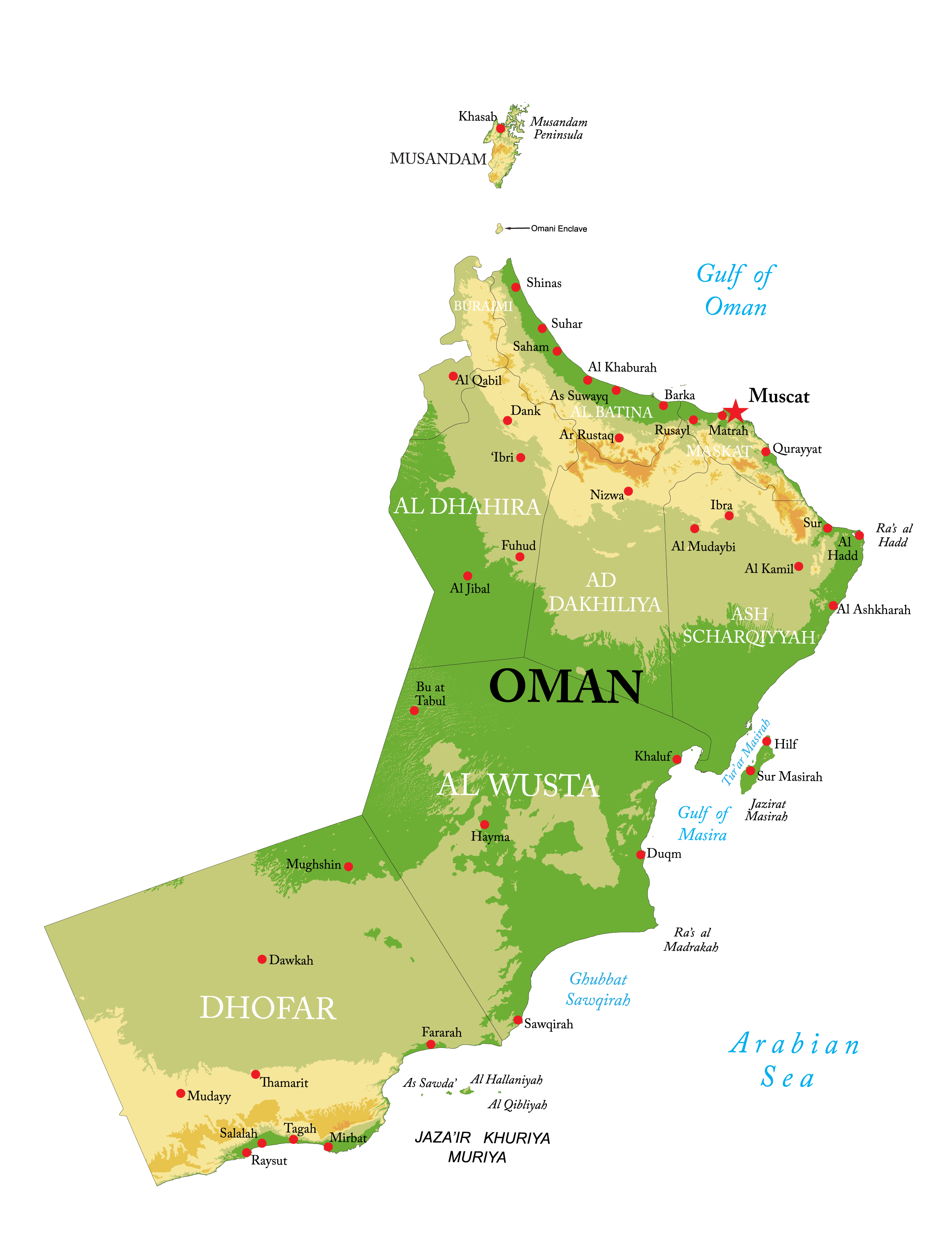
الوصف غير متاح حاليًا
العناية بالنبات
maintenanceAr.Item1
maintenanceAr.Item3
الاستخدامات
In Omani studies: Miller & Morris (1988) wrote that: "This small tree in earlier times formed the dominant vegetation right along the foothills of the monsoon mountains, (called in J: haskik or kiziz). Older members of the community remember such area, and those slightly higher up on the seaward-facing slopes [J: fimut] being floored with a crackling layer of the fallen leaves from this tree and Croton confertus and Ormocarpum dhofarense. Here single men [J: azebo] would go on their own with the unproductive, dry cows, or cows at the end of their milking cycle [J: ferziz] whose last milk was being extracted by means of feeding them up with sardines or using a tulchan for them to sniff. The men lived off the milk of these cows while engaged in other business on the plains, such as sardine-porterage or wood collecting. They would have with them a sack of
...
sardines, a water skin, and their own personal possessions in a leather satchel. While away they would hide these either in the piles of dead leaves or would hang them up in the higher branches of the trees. Few are the piles of dead leaves to be seen in these areas today, unfortunately. On the Salalah plain, and especially in the area known as Jerbeeb Lub, wood from this tree provided most of the fuel gathered to supply the coastal twons, of Salalah, Taqa and Mirbat. The collection and sale of firewood was the main source of income for many people, and this shrub was both pelntiful and readily accessible. It was considered to make good firewood, giving out a good heat with little smoke and, importantly, catching light easily and burning steadily even in damp and misty conditions (prevalent during the monsoon or along the coast at other times of the year). It was not considered suitable, however, for the manufacture of charcoal. Termites attack the bark of the dead wood but not the inner wood, which was much in demand for cutting up into planking for the large town houses (the beams were usually made from harder wood such as that of Olea europaea). Being so abundantly and readily available, it was much used too as a building material for both the permanent and the temporary shelters for herders and their livestock. In summer, temporary shelters [J: asker] - made from two long, slim branches bent over across one another, both ends wedged firmly into the ground then covered with cloth - used to cover the lowland plains as well as areas further inland. The wood of this tree was often used for these structures since - unlike the wood of the other (formerly common) tree favoured for this, Ormocarpum dhofarense - its bark does not split away from the main wood, and thus provides a longer lasting framework. In time however, like the wood of Croton confertus, even the wood of this tree finally splits, and for this reason neither of these woods were used in the construction of more permanent structures. The large and soft leaves of B. hirtum were cut and used as bedding material. being not as attractive to harvester ants and other insects as was the grass usually employed as flooring material. A careful herder would also insert one or two of the leaves into the udder cover worn by milch camels and goats (to prevent their young suckling at will and emptying the udder before the evening milking). By absorbing moisture These leaves kept the udder dry and fresh, which helped to prevent infection. The wood is not very close-grained, and was therefore unsuitable for articles where tensile strength was important, but slim branches were often made into the more expendable or short-lived items, such as the double pointed fishing spear which had an iron tip [J: zik], made by the blacksmith. Straight branches were often split into four or more pieces, which were use as kindling, and also to provide the struts which supported the skin roofing of the baby's cradle. Such sticks were often specially prepared by the mother of a bride and used as firewood for the fire kept burning in the bridal chamber on the wedding night. This specially prepared wood made hardly any smoke and was also practically odourless, allowing the perfumes worn by the bride and the fragrant smoke from the incense smouldering in the clay censers placed about the room to permeate the chamber; nor did such a fire fill the room with acrid and irritating fumes and billowing clouds of smoke, as did many other woods". (Ref. Plants of Dhofar). In addition, Pickering & Patzelt (2008) mentioned that: "Firewood, lights easily and is almost smokeless". (Ref. Field Guide to the Wild Plants of Oman; 2008). Further, Ghzanfar (2015) stated that: "The wood of the species has been used as building material and also for firewood". (Ref. Flora of Oman; vol.3). In Oman Plant Red Data Book, Patzelt (2015) wrote that: "The wood was used for construction work". (Ref. Oman Plant Red Data Book).

المراجع
*Ghazanfar, S. (2015). Flora of the Sultanate of Oman, vol.3: Loganiaceae – Asteraceae. Meise, National Botanic Garden of Belgium (Scripta Botanica Begica, Vol. 25). ISBN 9789082352511 ISSN 0779-2387. *https://en.wikipedia.org *Patzelt, A. Pysek, P. Pergl, J. Van Kleunen, M. (2022). Alien flora of Oman: invasion status, taxonomic composition, habitats, origin, and pathways of introduction. Doi.org/10.1007/s10530-021-02711-4. *POWO (2023). ""Plants of the World Online. Facilitated by the Royal Botanic Gardens, Kew. Published on the Internet; http://www.plantsoftheworldonline.org