
Cushion forming dwarf shrub ; up to 30 cm (rarely over 50 cm) tall . Stems intricately and divaricately branched , with appressed-tomentose with short‑stalked , T‑shaped hairs . Leaves mostly (much) less than 2 × 1 . 5 cm (rarely , in the moist escarpments of southern Dhofar , up to 5 × 2 cm) , ovate to rhomboid , attenuate into a cuneate to petiol-like base , obtuse to acute , with 1–3 teeth or lobes on either side , greyish-green , tomentose . Inflorescences with 10–30 flowers ; in corymbose synflorescences . Flowers purple , all perfect , tubular . Fruit achenes , 1–2 mm , pubescent . Seeds pappus , pure white , with an outer row of narrowly ovate-lanceolate scales up to 0 . 8 mm and an inner row of 3–5 mm bristles . (Ref . Flora of Oman ; vol . 3) .
No Data
Not Evaluated (NE)
Common
الوصف غير متاح حاليًا
Vernonia atriplicifolia auct., non Jaub. & Spach
No data
maintenanceAr.Item1
Not known
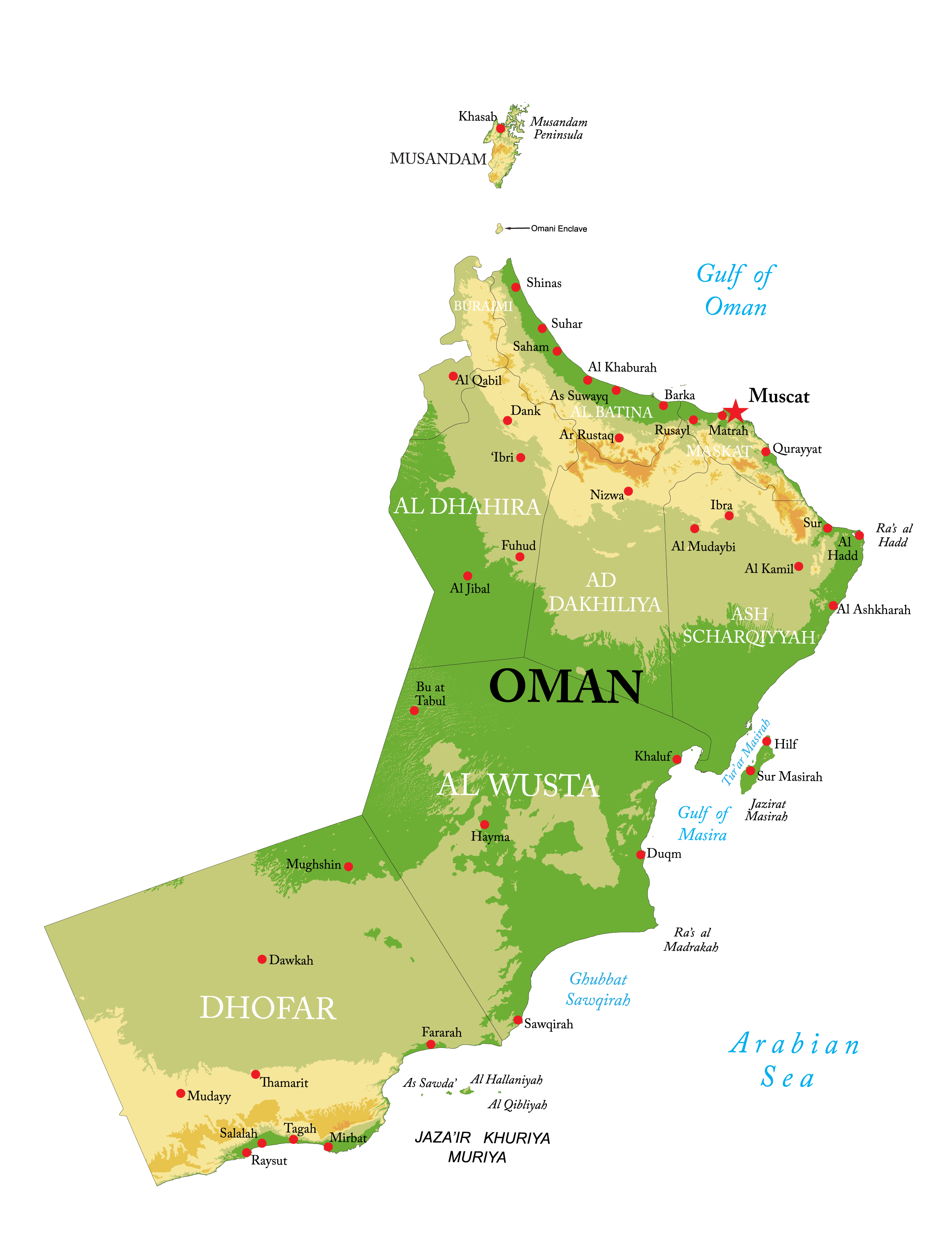
Miller & Morris (1988) wrote that: "The flowers of this smaller plant are delicious smelling, and were plucked and held to the nose to ward off evil smells and malignant influences which were considered to be an important factor in causing illness and disease. The flowering parts or scented leaves of this plant are gathered and rubbed between the palms and over the body as a perfume and deodorant. Sweet fragrances helped to build up resistance to disease and infection, and acted as protection against illness caused by the evil eye, dangerous influences or wizardry". (Ref. Plants of Dhofar; 1988).
*Ghazanfar, S. (2015). Flora of the Sultanate of Oman, vol.3: Loganiaceae – Asteraceae. Meise, National Botanic Garden of Belgium (Scripta Botanica Begica, Vol. 25). ISBN 9789082352511 ISSN 0779-2387.*https://en.wikipedia.org *https://vnps.org *Miller, A., Morris, M. (1988). Plants of Dhofar, the Southern Region of Oman: Traditional, Economic, and Medicinal Uses. Published by Office of the Adviser for Conservation of the Environment, Diwan of Royal Court, Sultanate of Oman; ISBN 10: 0715708082 ISSN 13: 9780715708088. *POWO (2023). ""Plants of the World Online. Facilitated by the Royal Botanic Gardens, Kew. Published on the Internet; http://www.plantsoftheworldonline.org *https://antropocene.it
