Invasive
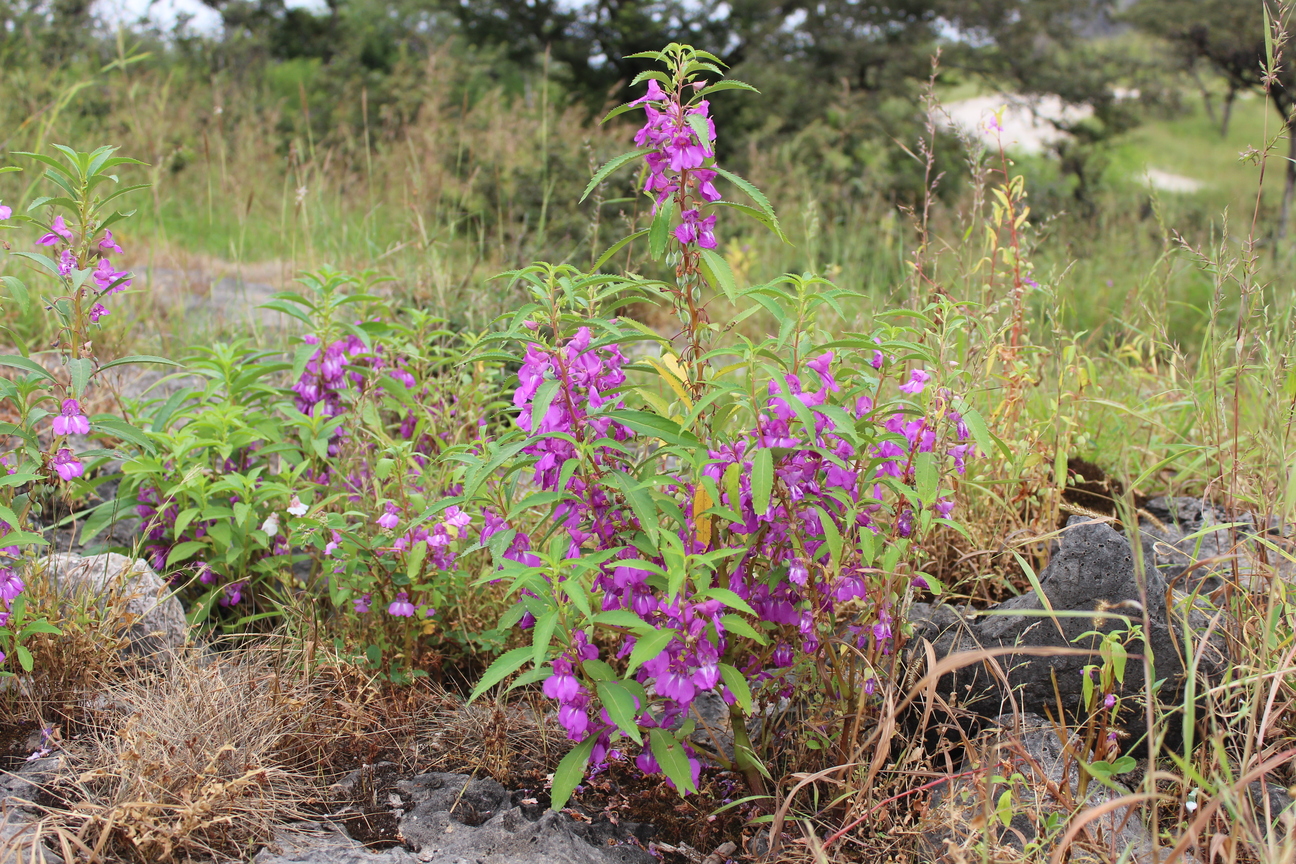
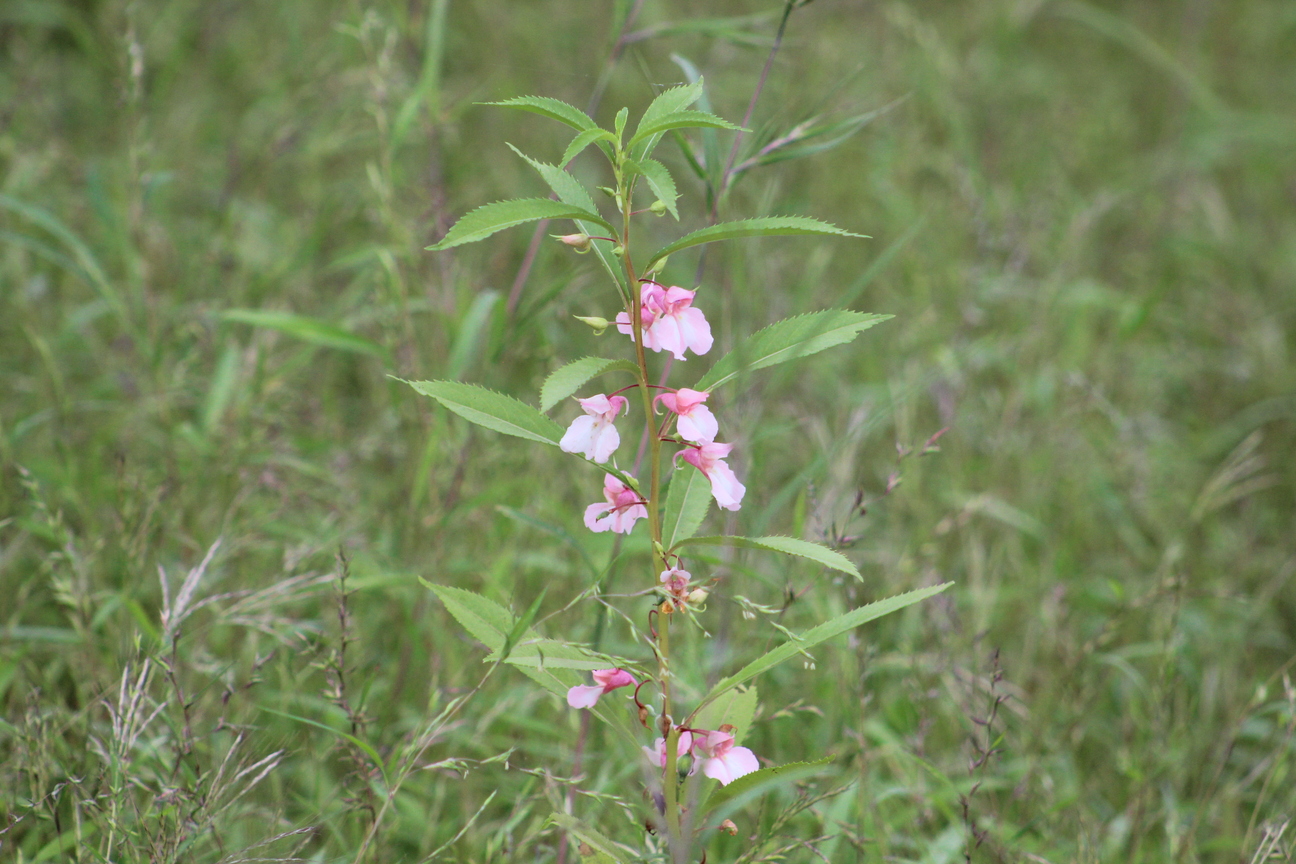
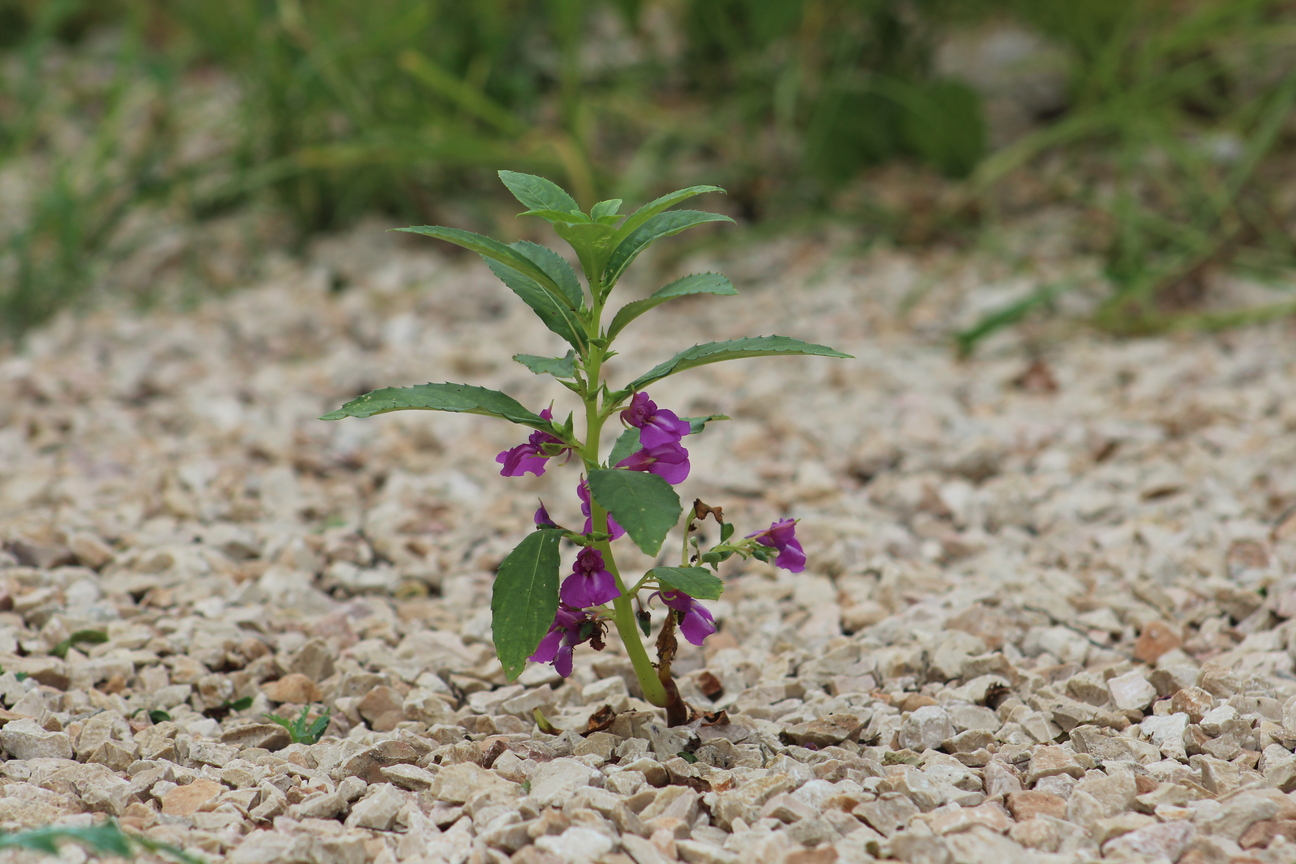
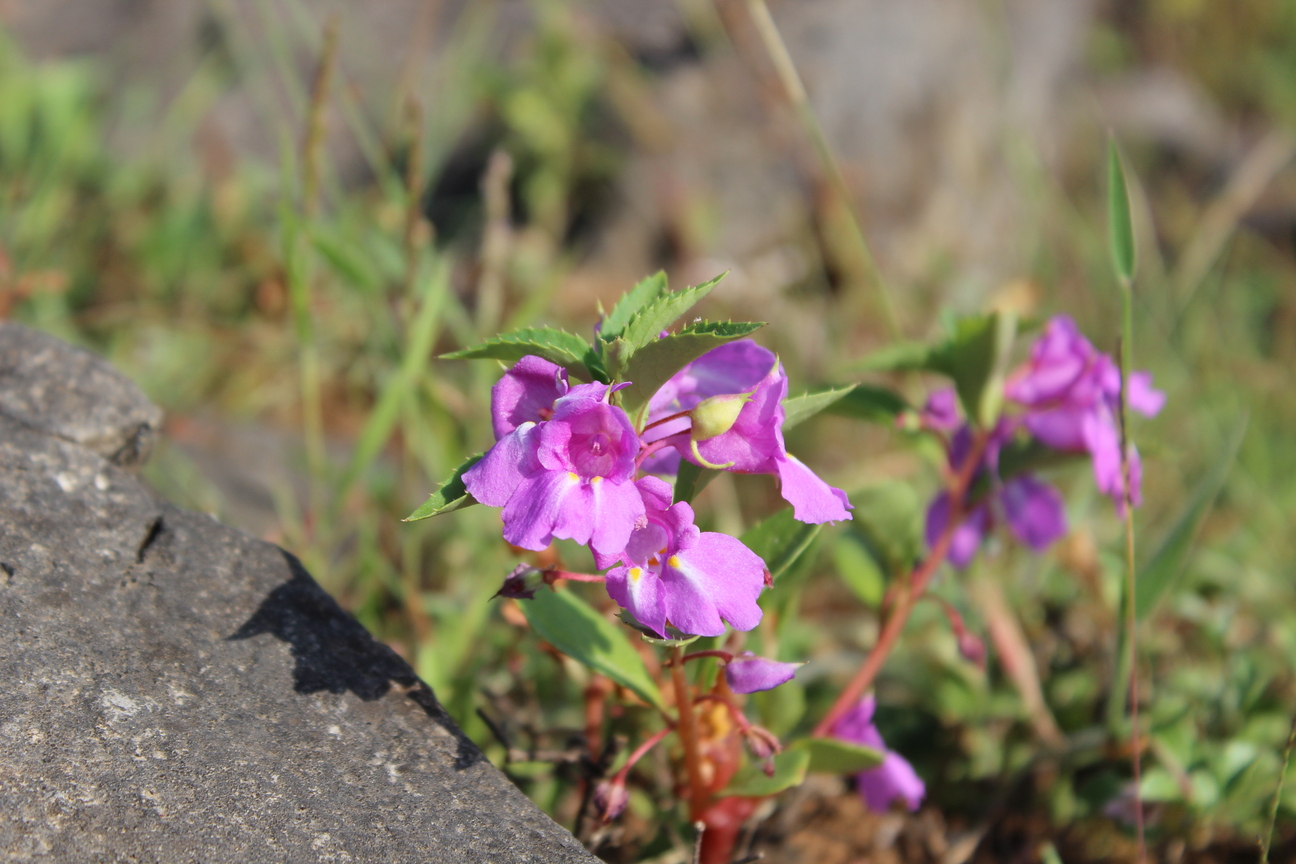
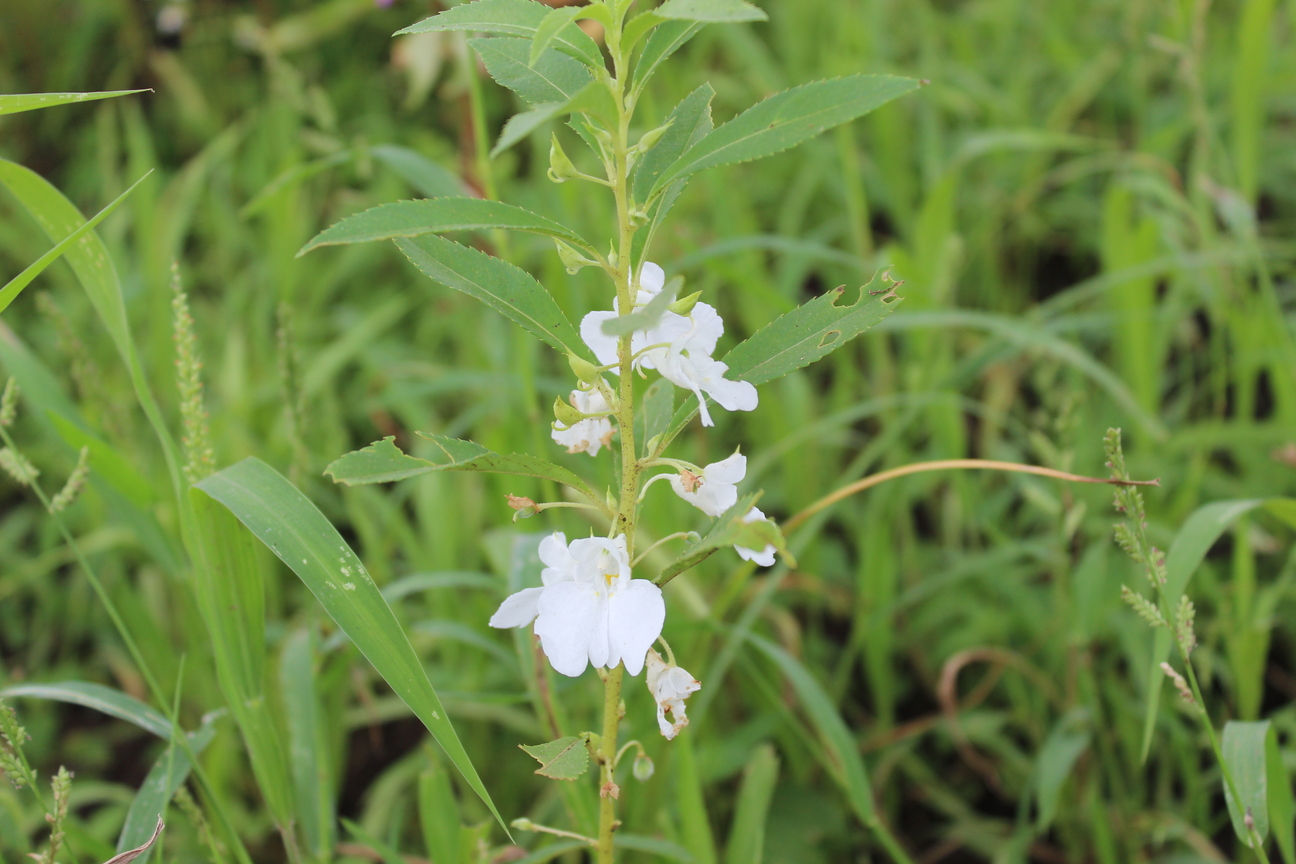
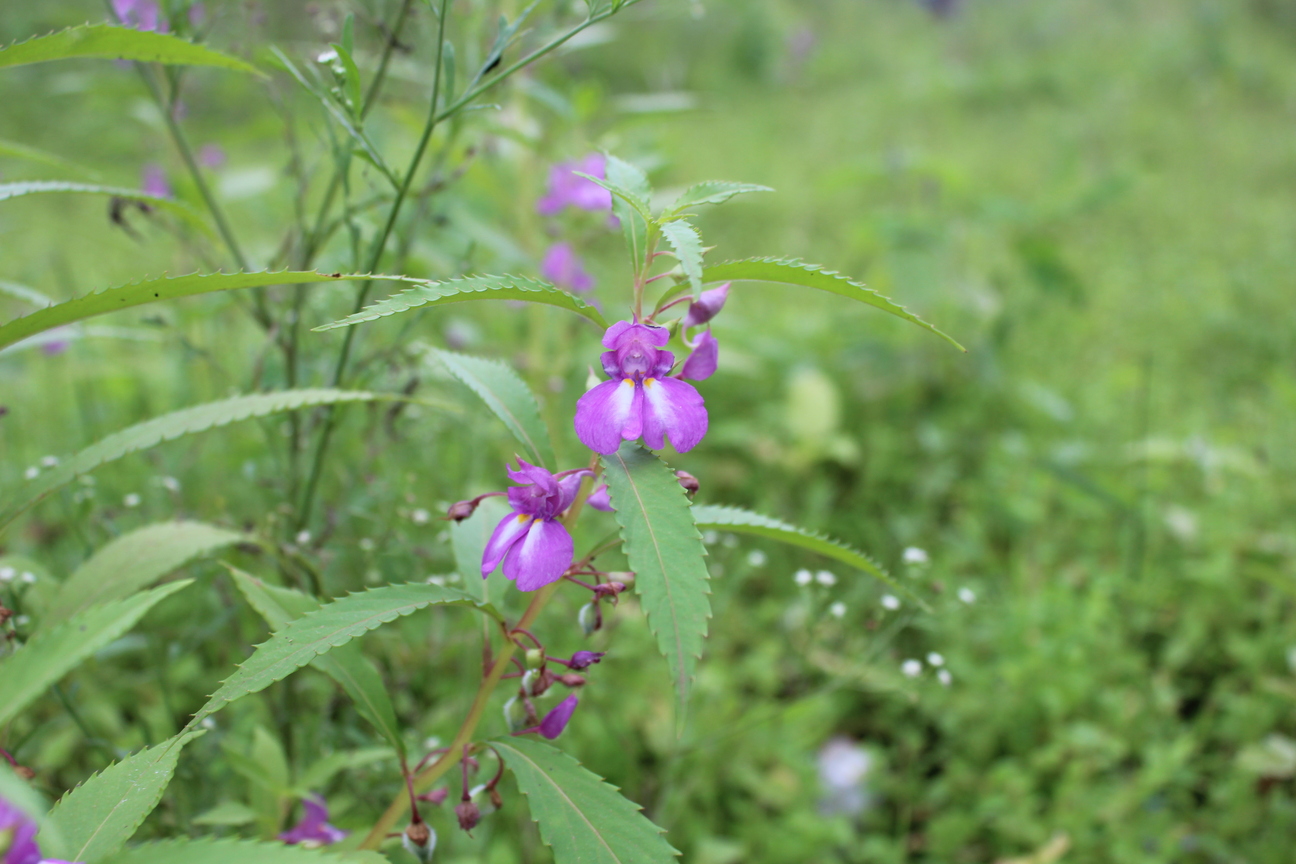
Impatiens_balsamina_10 © OBG
Impatiens_balsamina_2 © OBG
Impatiens_balsamina_3 © OBG
Impatiens_balsamina_4 © OBG
Impatiens_balsamina_5 © OBG
Impatiens_balsamina_6 © OBG
Impatiens_balsamina_7 © OBG
Impatiens_balsamina_8 © OBG
Impatiens_balsamina_9 © OBG
Impatiens_balsamina © OBG
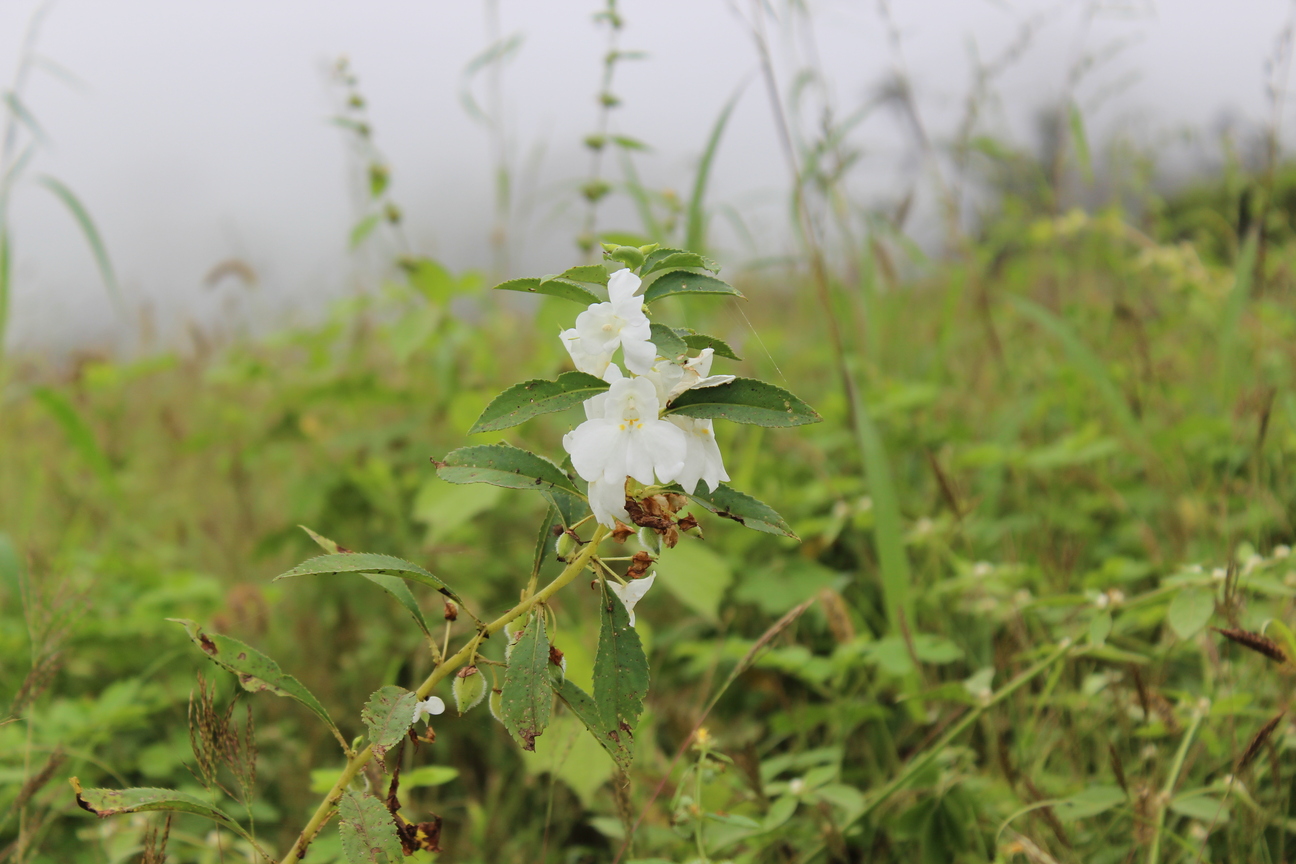
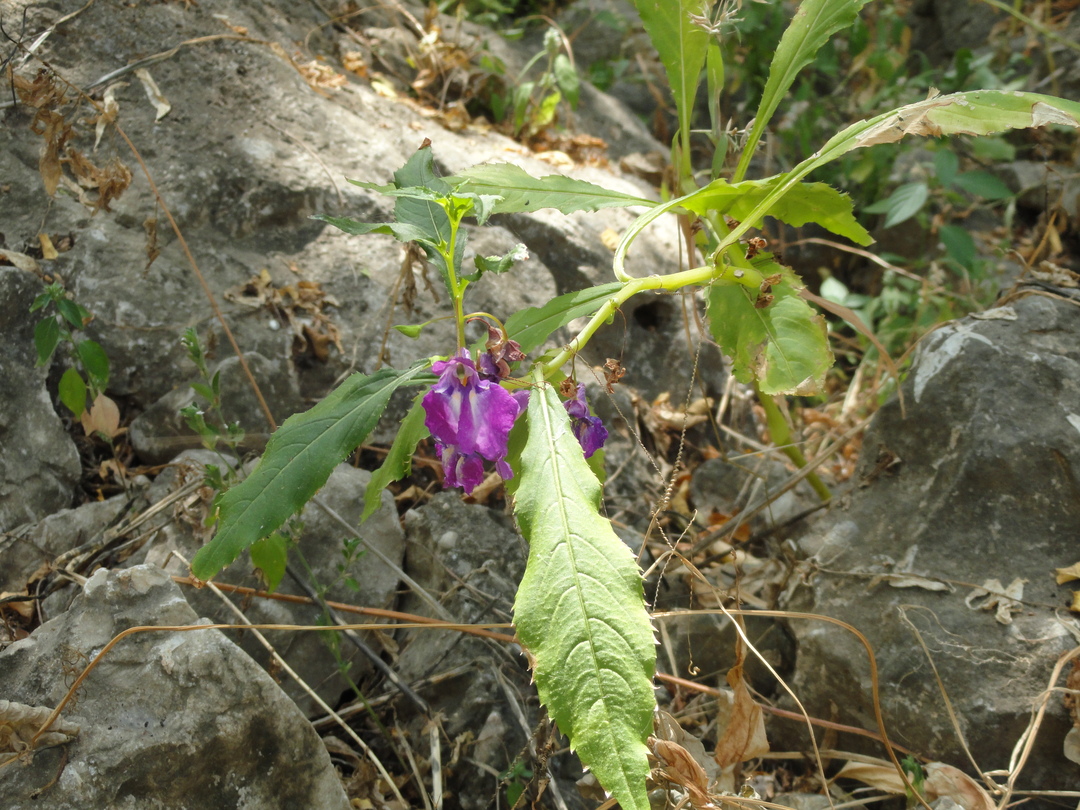
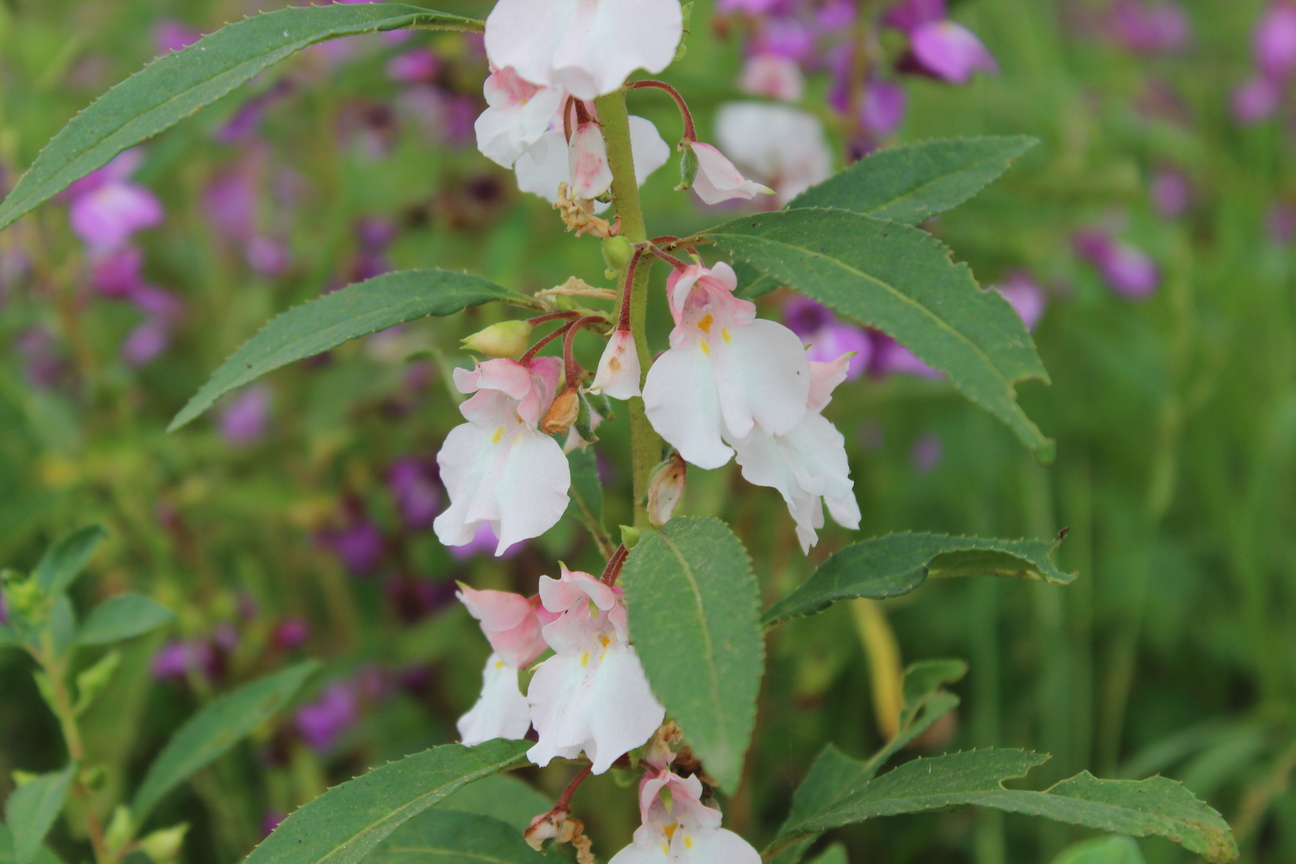
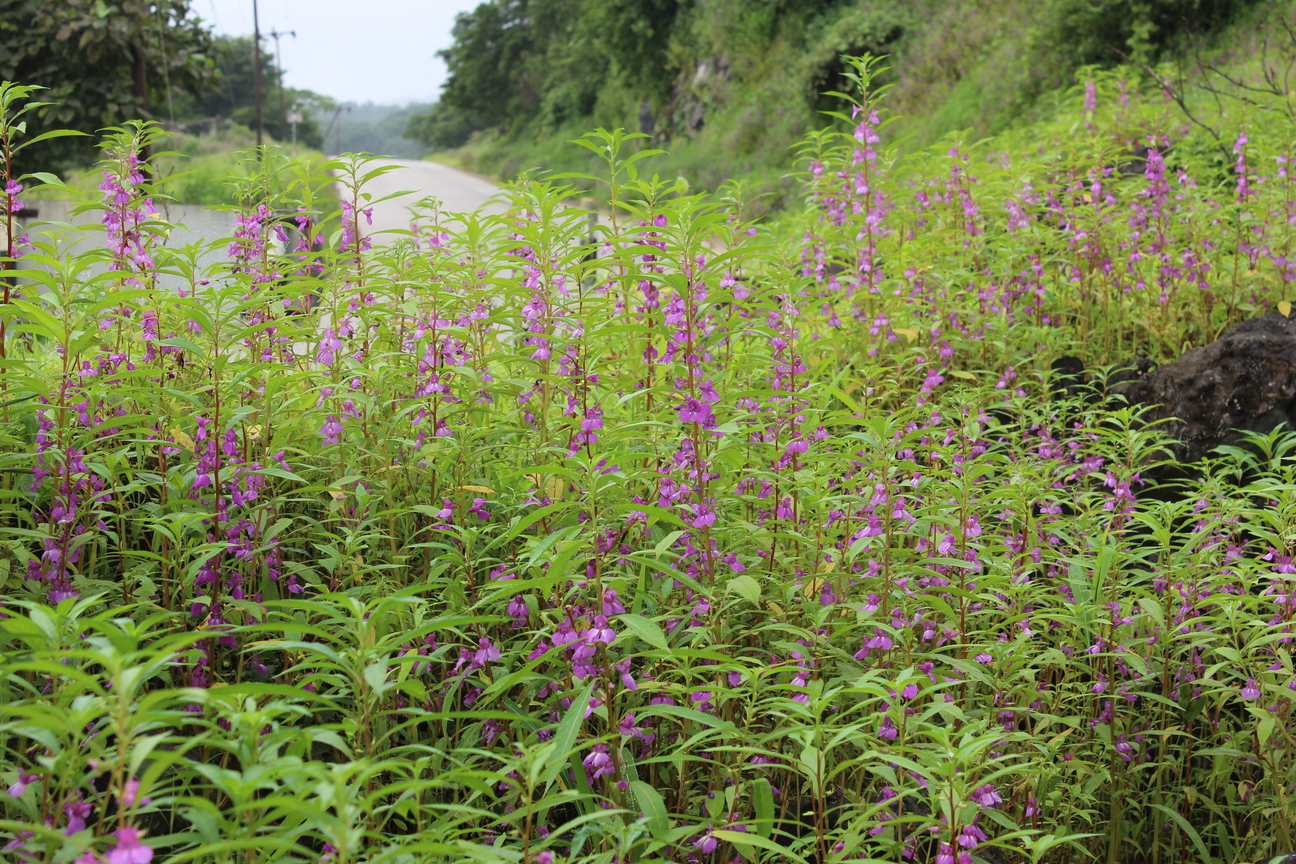
Erect annual herb ; up to 1 . 5 m tall . Stems erect , simple or branching sparsely , somewhat fleshy , glabrous or pubescent when young . Leaves alternate , 7-20 cm long x 2-4 cm across , narrowly lanceolate to narrowly elliptic or obovate , acute tip , base cuneate with serrated margins , spirally arranged , petiolate , with several dark sessile glands towards the base of the lamina . Inflorescences in 1-3-flowered axillary clusters , pedicels 1-1 . 5 mm long . Flowers pink , purple , or rarely white ; sepals 3 , the lower boat-shaped with a long filiform spur , the two lateral narrowly ovate ; petals 5 , the upper hooded , the lower lateral petals fused to form a lobed lower lip ; stamens 5 , fused into a ring around the ovary ; ovary superior , densely pubescent ; style 1 , short . Fruit capsule , ovoid , 1 . 3-1 . 8 cm long x c . 0 . 7 cm across , acute tip , covered in fine hair , dehiscing explosively . Seeds not seen . (Ref . Flora of Oman ; vol . 2) .
No Data
Not Evaluated (NE)
Common
الوصف غير متاح حاليًا
Balsamina balsamina (L.) Huth
Balsamina hortensis Desp.
Impatiens balsamina var. vulgaris Wight & Arn.
No data
maintenanceAr.Item1
Balsam
Garden Balsam
Rose Balsam
Touch-me-not
Spotted Snapweed
Balsam Top Knots
In Omani studies: Miller & Morris (1988) wrote that: "Impatiens balsamina comes up in great pfofusion during the monsoon rains, and once the monsoon cloud has lifted, the tall spikes of vivid pink flowers make a splash of bright colour amidst the predominant green of the lush rains vegetations. Its small hairy fruit provide endless amusement for children: when touched or lightly squeezed they pop open with a most satisfactory jerk. These same fruit were eaten by thirsty livestock: in the days before bore-holes, the only time that the burdensome duty of walking the livestock the long distance to and from water could be relaxed was in the rainy season. At this time, cattle were expected to obtain most of their moisture requirements from the lush pastures, and the fruit of these plants were eaten by cattle and goats to assuage their thirst, though the rest of the plant is
...

*Ghazanfar, S. (2007). Flora of the Sultanate of Oman, vol.2: Crassulaceae – Apiaceae. Meise, National Botanic Garden of Belgium (Scripta Botanica Begica, Vol. 36). ISBN 9789072619747 ISSN 0779-2387. *Miller, A., Morris, M. (1988). Plants of Dhofar, the Southern Region of Oman: Traditional, Economic, and Medicinal Uses. Published by Office of the Adviser for Conservation of the Environment, Diwan of Royal Court, Sultanate of Oman; ISBN 10: 0715708082 ISSN 13: 9780715708088. *https://en.wikipedia.org *https://en.wiktionary.org *Pickering, H. Patzelt, A. (2008). Field Guide to the Wild Plants of Oman. Kew publishing, Royal Botanic Garden, Kew. ISBN 9781842461778. *Patzelt, A. Pysek, P. Pergl, J. Van Kleunen, M. (2022). Alien flora of Oman: invasion status, taxonomic composition, habitats, origin, and pathways of introduction. Doi.org/10.1007/s10530-021-02711-4. *POWO (2022). ""Plants of the World Online. Facilitated by the Royal Botanic Gardens, Kew. Published on the Internet; http://www.plantsoftheworldonline.org
