
Small tree ; up to 3 m tall with pale grey to white peeling bark . Stems much-branched , spreading with brownish hairs . Leaves alternate or crowded in short shoots , 2–8 . 5 × 1–9 cm , ovate or elliptic , base rounded to cuneate , apex emarginated to rounded , margins slightly toothed , softly-hairy , venation reticulate ; petiole 5–50 mm . Inflorescences clustered in dense terminal cymes , densely tomentose ; pedicels ± 1 mm , articulate at the apex . Flowers fragrant , pale yellow , unisexual or bisexual ; calyx in both types of flowers 6–8 mm , cylindrical to funnel-shaped , often slightly sulcate , tomentose with simple and branched hairs , 3–5-lobed or 2-lipped ; fruiting calyx shallow , forming a cup up to 1 cm wide ; corolla pale yellow , tube 4–7 mm , 3–5-lobed , lobes oblong to obovate , spreading . Fruit drupe , 9–20 mm , globose with an acute tip , ripening yellow or orange , fleshy , partly enclosed by the enlarged and hardened cup-shaped persistent calyx . (Ref . Plants of Dhofar) .
No Data
Endemic (EN) - Data Daficient (DD) - National Assessment
Very Rare
الوصف غير متاح حاليًا
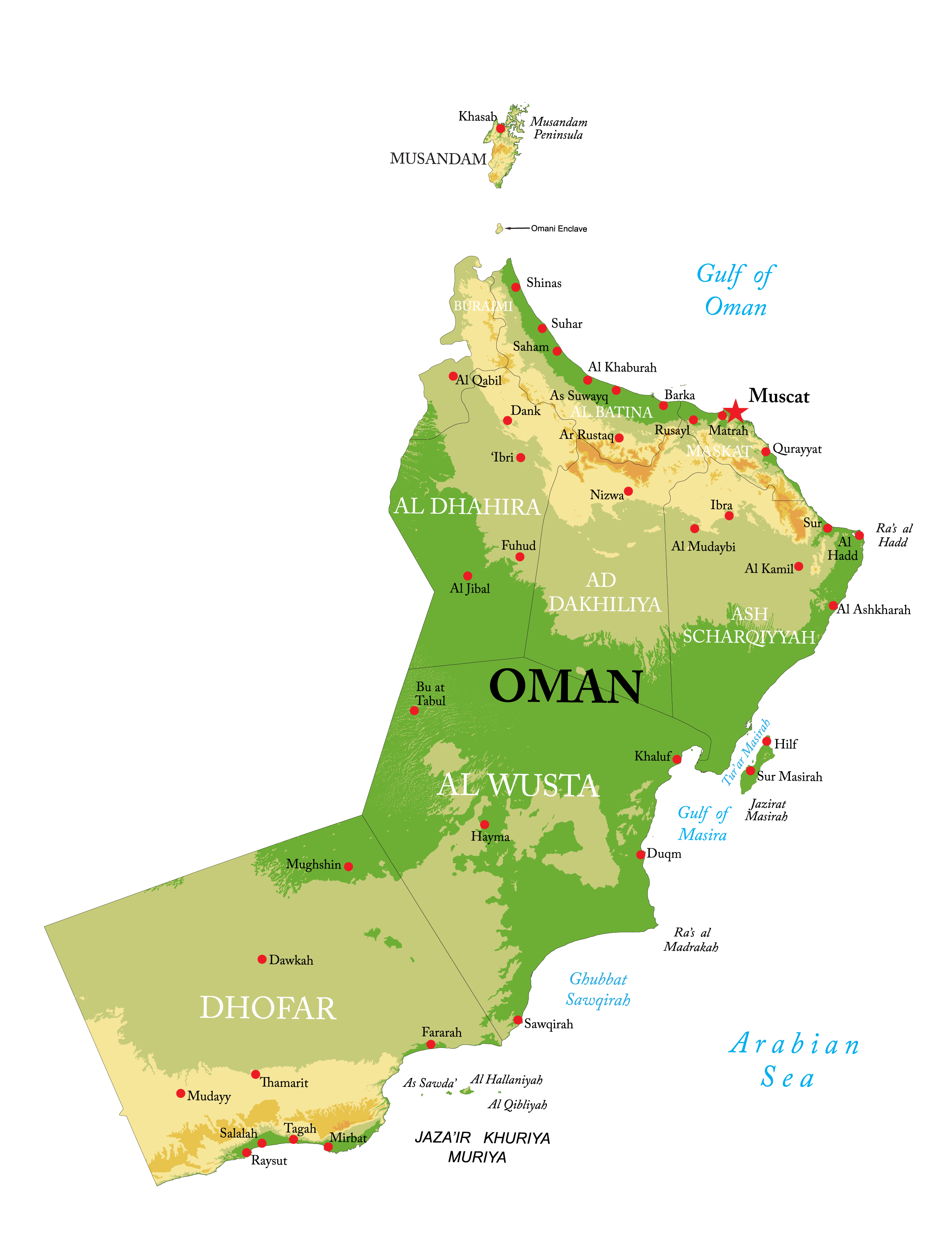
Not available
No data
maintenanceAr.Item1
Not known
Not recorded yet. However, probably treated the same way as Cordia monoica. (Ref. Oman Botanic Garden).
*Ghazanfar, S. (2015). Flora of the Sultanate of Oman, vol.3: Loganiaceae – Asteraceae. Meise, National Botanic Garden of Belgium (Scripta Botanica Begica, Vol. 25). ISBN 9789082352511 ISSN 0779-2387. *https://en.wikipedia.org *https://antropocene.it *Miller, A., Morris, M. (1988). Plants of Dhofar, the Southern Region of Oman: Traditional, Economic, and Medicinal Uses. Published by Office of the Adviser for Conservation of the Environment, Diwan of Royal Court, Sultanate of Oman; ISBN 10: 0715708082 ISSN 13: 9780715708088. *Patzelt, A. (2015). Oman Plant Red Data Book. Published by Diwan of Royal Court, Sultanate of Oman. Oman Botanic Garden Publication No. 1. ISBN 978-99969-50-10-0.
