
Shrub ; up to 60 cm tall , often forming large clumps . Stems erect to ascending , strigose . Leaves alternate , 7-20 x 4-9 mm , slightly fleshy , ovate to lanceolate , margin undulate , nerves depressed . Inflorescences in one-sided , terminal scorpoid cymes . Flowers white ; calyx 5-lobed , pubescent ; corolla 5—lobed , pubescent outside ; stamens 5 . Fruit nutlets , 4 , pubescent .
No Data
Regional Endemic (RE) - Least Concern (LC) - National Assessment
Very Common
الوصف غير متاح حاليًا
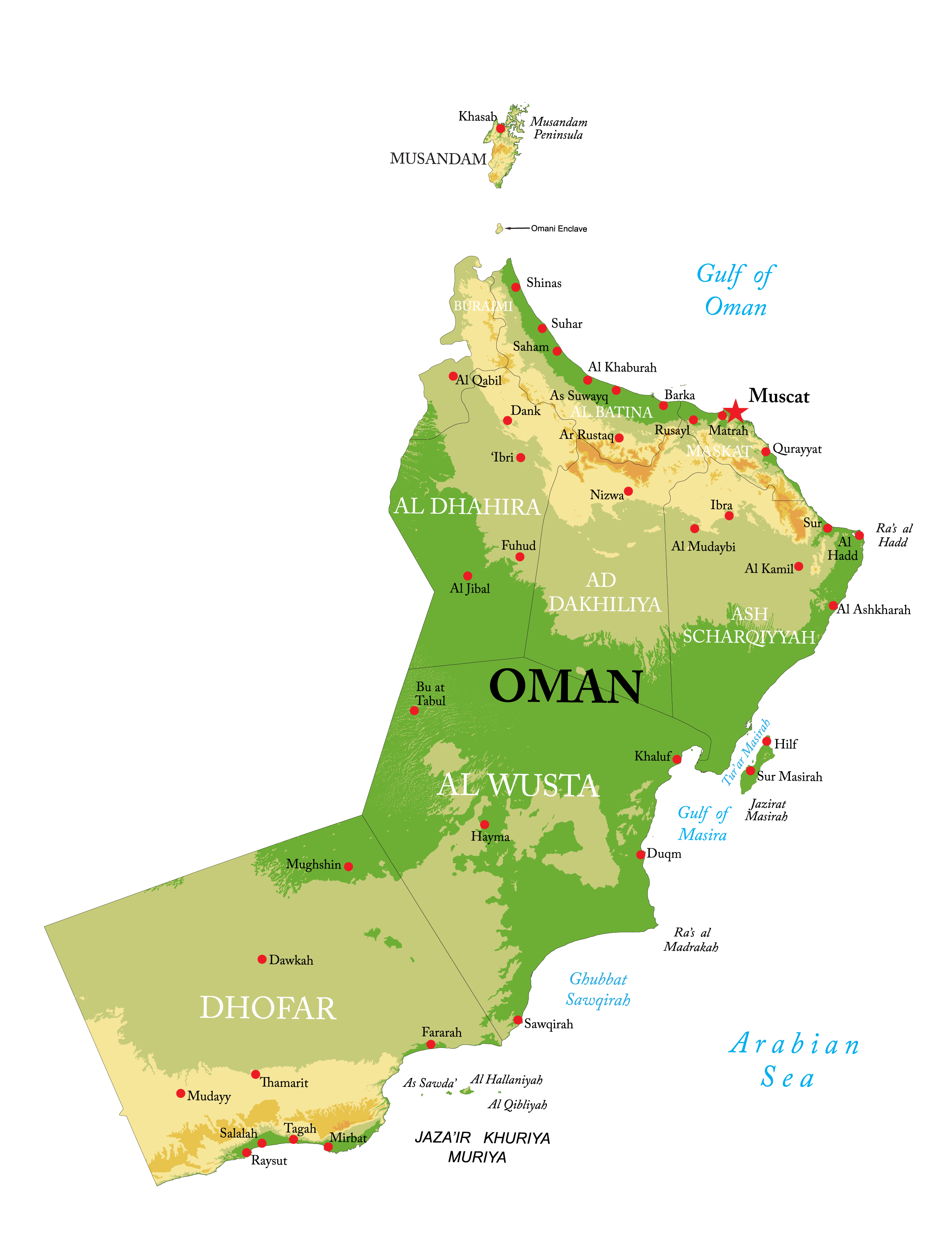
Not available
No data
maintenanceAr.Item1
Not known
In Omani studies: Miller & Morris (1988) wrote that: "The mdicinal properties attributed to Heliotropium fartakense, (J: mesdizot, DA: remram), are not necessarily restricted to this species alone. (Local plant experts do not distinguish between plants that superficially resemble each other in the botanists do, in fact which has to be borne in mind by anyone enquiring into herbal medicinal expertise in a culture different from his own). This particular plant is very common throughout Dhofar, growing both in wet and dry areas and was important medicinally wherever it occurs. The plant is applied around a sore or wound, but was not allowed to come into contact with actual broken flesh. This mixture was also used to treat wounds and abrasions, as a haemostatic and astringent and to prevent infection. The crushed leaves were heated up in a little water, and the strained juice was painted around a painful, swollen
...

*Ghazanfar, S. (2015). Flora of the Sultanate of Oman, vol.3: Loganiaceae – Asteraceae. Meise, National Botanic Garden of Belgium (Scripta Botanica Begica, Vol. 25). ISBN 9789082352511 ISSN 0779-2387. *https://en.wikipedia.org *Miller, A., Morris, M. (1988). Plants of Dhofar, the Southern Region of Oman: Traditional, Economic, and Medicinal Uses. Published by Office of the Adviser for Conservation of the Environment, Diwan of Royal Court, Sultanate of Oman; ISBN 10: 0715708082 ISSN 13: 9780715708088. *Patzelt, A. (2015). Oman Plant Red Data Book. Published by Diwan of Royal Court, Sultanate of Oman. Oman Botanic Garden Publication No. 1. ISBN 978-99969-50-10-0. *POWO (2023). ""Plants of the World Online. Facilitated by the Royal Botanic Gardens, Kew. Published on the Internet; http://www.plantsoftheworldonline.org
