
Erect perennial herb or subshrub ; up to 40(–60)cm tall , with a thin to thick tap-root . Stems erect to ascending , ± branched , slender , grey-green , covered with adpressed medifixed white hairs . Leaves alternate , 20–60 × 5–30 mm , aromatic , with goat-like smell when dry , greyish green , ovate to oblong-ovate , base cuneate to rounded , apex acute , margins entire , covered with adpressed medifixed hairs , densely so on the nerves , and with few scattered bulbous-based hairs between nerves ; petiole up to 1 cm long . Inflorescences of scorpioid cymes , terminal , forked , slender and delicate , 7-20 cm long ; flowers becoming lax below ; bracts absent . Flowers small , white ; calyx 5-lobed , persistent ; lobes free to base , 1 . 5–2 mm , oblong-ovate , acute ; corolla white , tubular , 5-lobed above , about twice longer than calyx ; tube 2 . 5–3 mm , hairy on the outside ; lobes ± 1 mm , acute , undulate , overlapping ; stamens attached above the middle of corolla tube ; style slender , glabrous , stigma cylindrical . Fruit nutlets , 4 ,
...

No Data
Not Evaluated (NE)
Frequent
الوصف غير متاح حاليًا
Heliophytum longiflorum A.DC.
No data
maintenanceAr.Item1
Food cade
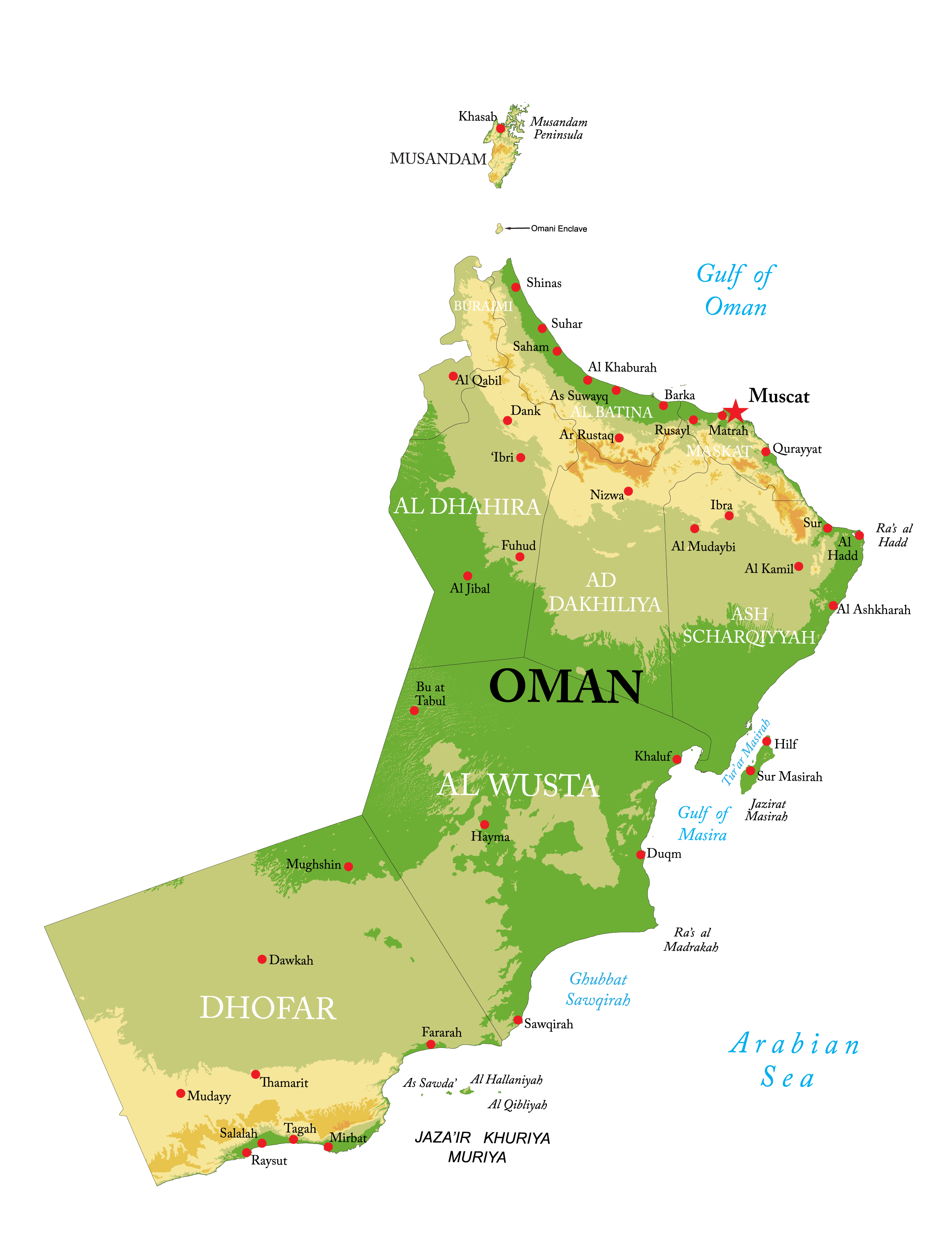
In Omani studies: Miller & Morris (1988) wrote that: "Heliotropium longiflorum comes up at first rain all over the plains area of Dhofar, especially in areas which are havily overgrazed, or where the soil has been disturbed, by road building or construction, for instance. Livestock avoid it, indeed pregnant goats which eat much of it are said to be prone to abort. Medicinally, it was gathered to be used as a remedy for eye ailments. The leaves and stems were crushed and heated on the fire with a very little water, the lotion then being painted around the eye, with care that it should not actually go into the eye itself. In the absence of H. fartakense such a paste was also occasionally used on contusions and swellings, or on facial sores and infections. (Ref. Plants of Dhofar).
*Ghazanfar, S. (2015). Flora of the Sultanate of Oman, vol.3: Loganiaceae – Asteraceae. Meise, National Botanic Garden of Belgium (Scripta Botanica Begica, Vol. 25). ISBN 9789082352511 ISSN 0779-2387. *https://en.wikipedia.org *https://casabio.org *Miller, A., Morris, M. (1988). Plants of Dhofar, the Southern Region of Oman: Traditional, Economic, and Medicinal Uses. Published by Office of the Adviser for Conservation of the Environment, Diwan of Royal Court, Sultanate of Oman; ISBN 10: 0715708082 ISSN 13: 9780715708088. *Pickering, H. Patzelt, A. (2008). Field Guide to the Wild Plants of Oman. Kew publishing, Royal Botanic Garden, Kew. ISBN 9781842461778. *POWO (2023). ""Plants of the World Online. Facilitated by the Royal Botanic Gardens, Kew. Published on the Internet; http://www.plantsoftheworldonline.org
