
Erect annual or perennial herb ; up to 25-40 cm high . Stems ascending . Leaves long-petiolate , lyrate-pinnatifid , obovate in outline ; lobes obovate to oblong , 5–15×4–8 mm , rounded , the margin entire or with a few shallow teeth . Inflorescences in unknown-flowered racemes . Flowers white , pale blue or violet ; petals 3-6 mm , white , pale blue or violet . Fruit siliqua (immature) , 10–12 mm , straight , erect and appresses to stem ; lower segment , 5–6 mm , about 4-seeded ; the upper segment 5–6 mm , ± 1-seeded , narrowing gradually at the tip into a conical style . (Ref . Miller & Cope ; 1996) .
No Data
Endemic (EN) - Near Threatened (NT) - Global Assessment
Not Common
الوصف غير متاح حاليًا
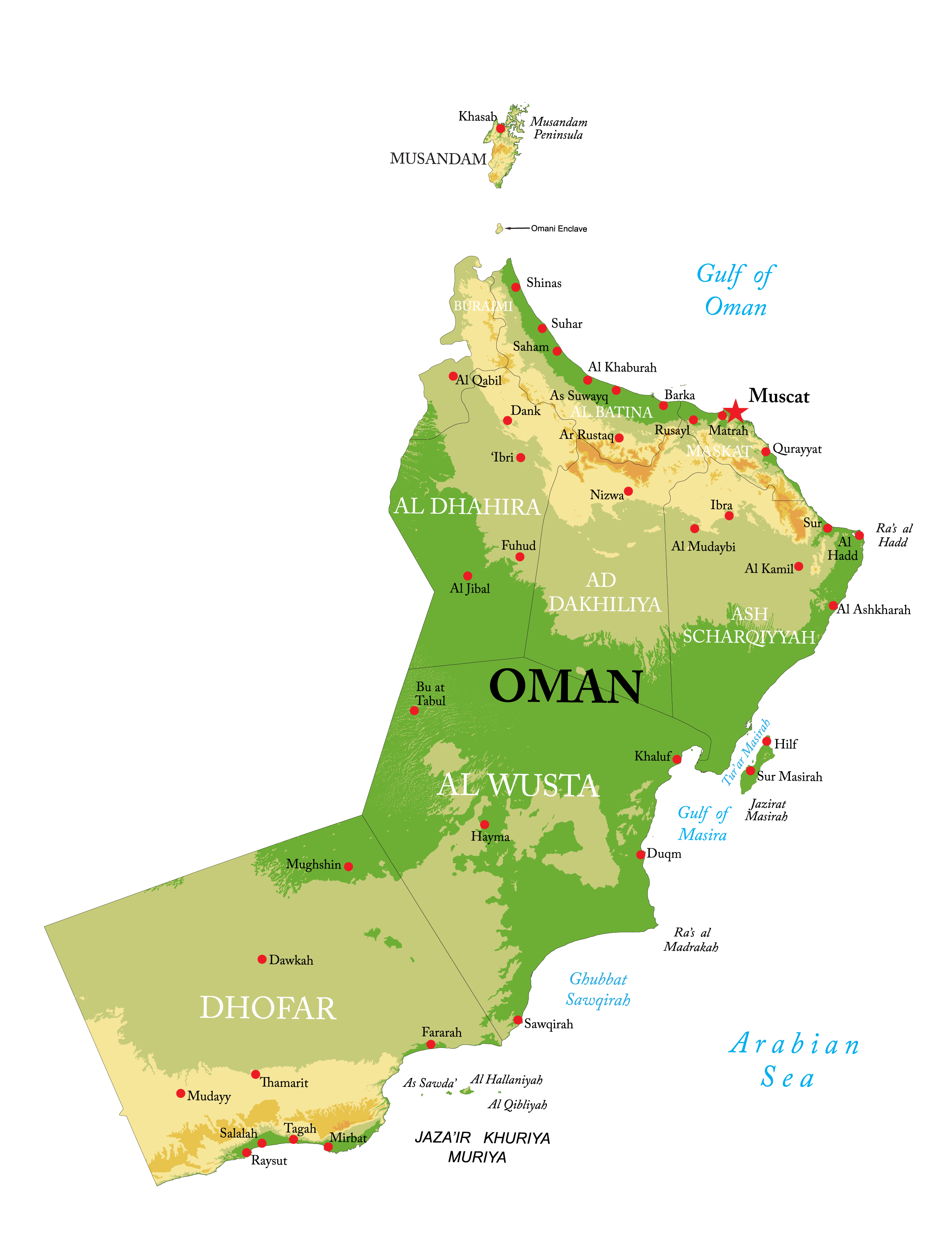
Not available
No data
maintenanceAr.Item1
Not known
Not used traditionally. However, known as a good browse for livestock that herders know due to increase in the weight of their livestock. (Ref. Oman Botanic Garden).
*Ghazanfar, S. (2003). Flora of the Sultanate of Oman, vol.1: Piperaceae – Primulaceae. Meise, National Botanic Garden of Belgium (Scripta Botanica Begica, Vol. 25). ISBN 90-72619-55-2 ISSN 0779-2387.*https://en.wikipedia.org *Miller, A.G. & Cope, T.A. (1996). Flora of the Arabian Peninsula and Socotra 1: 1-586. Edinburgh university press. ISBN 0748604758. *Patzelt, A. (2015). Oman Plant Red Data Book. Published by Diwan of Royal Court, Sultanate of Oman. Oman Botanic Garden Publication No. 1. ISBN 978-99969-50-10-0. *POWO (2023). ""Plants of the World Online. Facilitated by the Royal Botanic Gardens, Kew. Published on the Internet; http://www.plantsoftheworldonline.org
