الاستخدامات
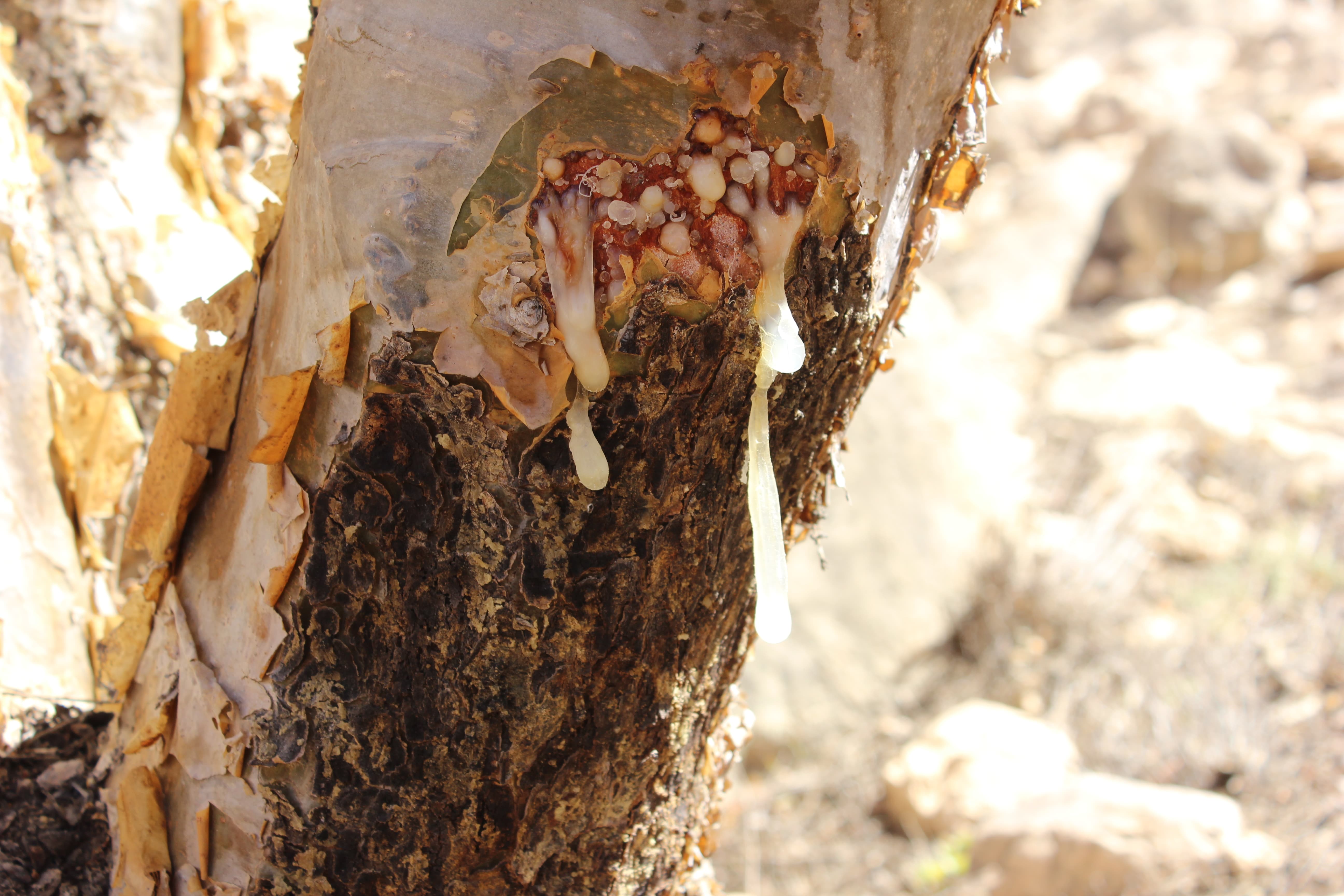
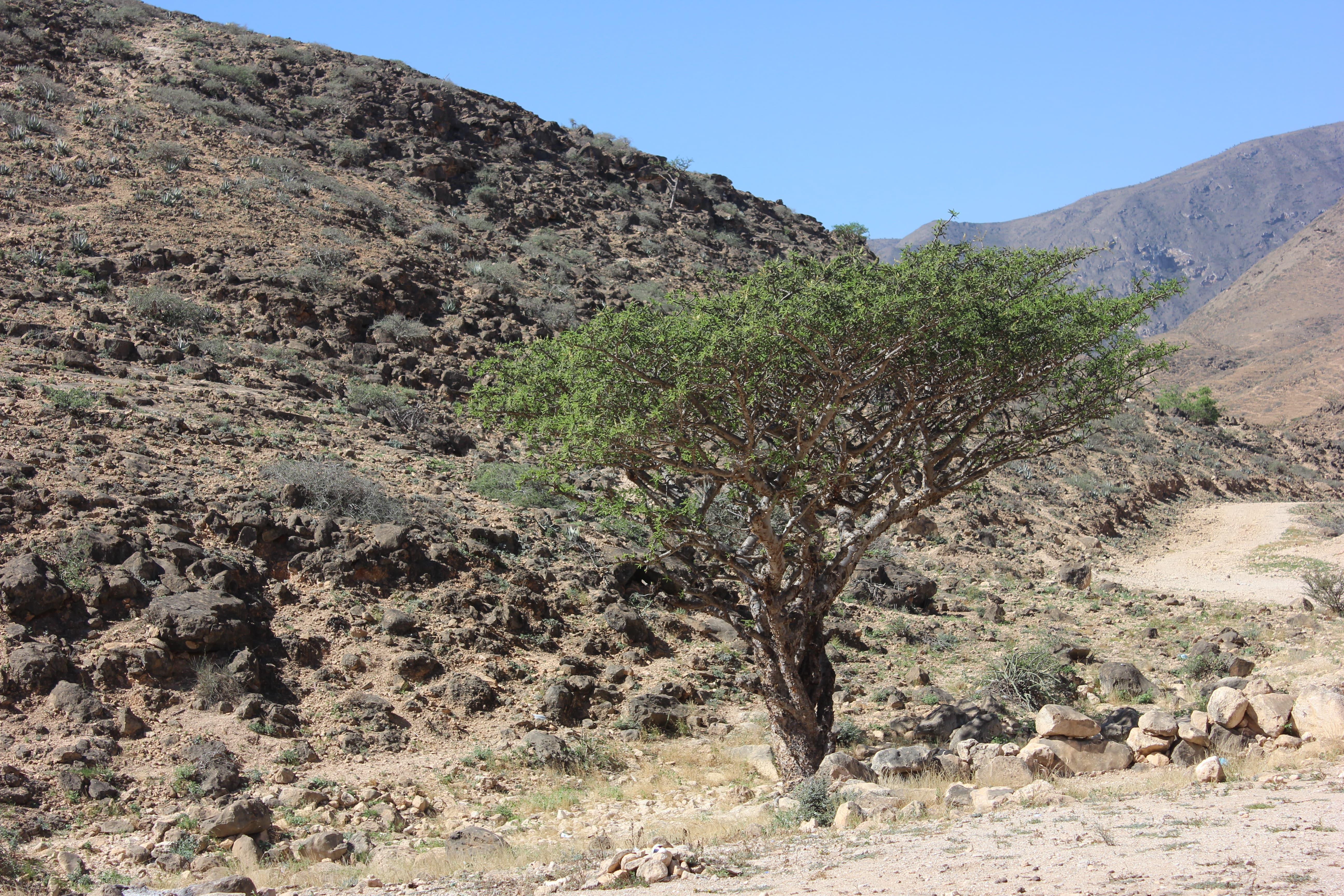
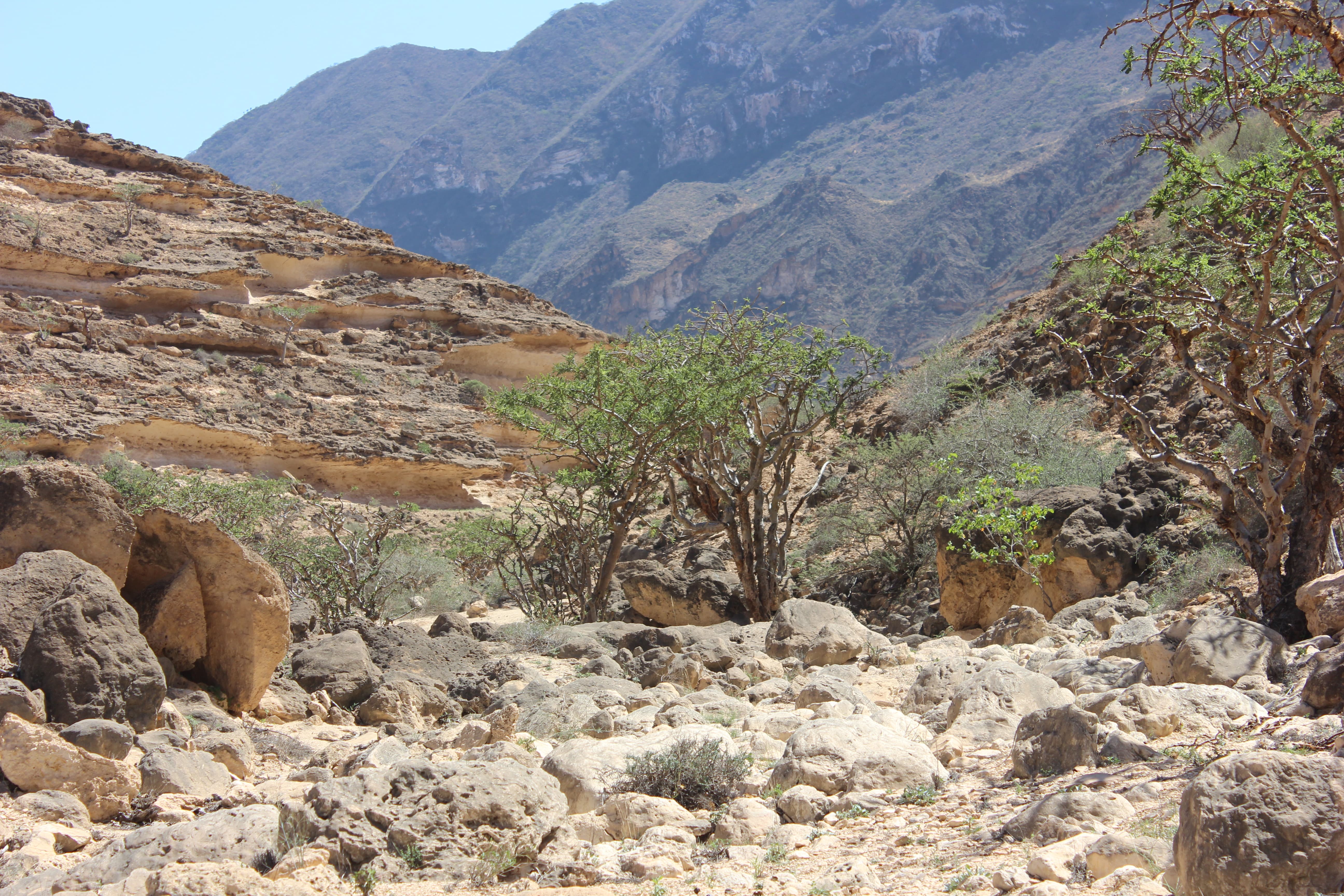
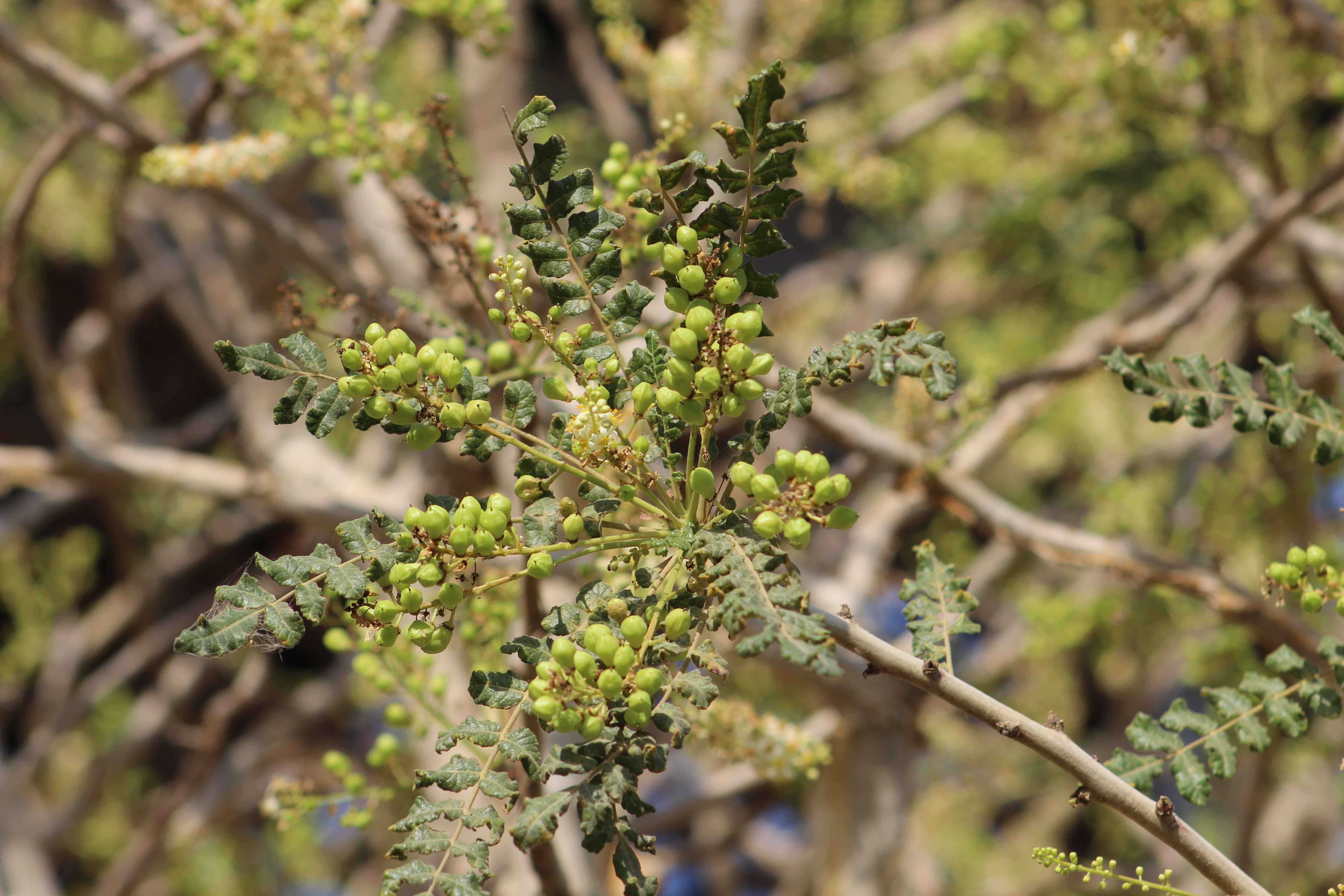
In Omani studies: Miller & Morris (1988), wrote that: "Frankincense was more prominent throughout history and famous in the ancient world. The region (southern Arabia) occupied an important cultural space in history as it was a primary source for this precious substance. Dhofar gained its importance in the ancient world and the eras of prosperous civilizations such as the Pharaonic, Sumerian, Babylonian, Roman and other ancient peoples due to the presence of frankincense extracted from that important historical tree in those eras as mentioned in the inscriptions, ancient paintings, writings and drawings due to the status of the frankincense tree and its valuable religious, economic and health material. Frankincense gum is extracted from several well-known traditional ranges, and among these ranges and geographical areas: (Al-Hojri) and (Al-Haski) in Jabal Samhan. Dhofar. Frankincense is also extracted from the regions of (Al-Shaziri) and the regions of (Al-Sahli-Solut), (Raysut) and (Adunab), and it
...
is also called (Al-Shaaibi) or (Al-Rasmi). The tree produces gum at the age of 8 to 10 years when it is ready to be cut or signed by (Mangaf), and the tree continues to give and produce until the end of the frankincense production season. Its production may reach several months, and the average yield of a tree during one season is 10-20 kg, where the gum is collected in caves to dry and then transported to coastal cities and ports. In the past, it was transported from the four domains through the land routes of the Arabian Peninsula until it reached the ancient world. The number of workers in the production of gum in the early twentieth century is estimated to be three thousand families, meaning that one worker supports an entire family, and he works in the production of gum on half of his production, and he has the right to sell half of his production to the merchant through (Al-Tibeen), which is the dealer’s agent. Frankincense is weighed by traditional weights, as these weights start from the unit (pound), (manna) and (frasala) and in the last (spice), which equals 280 kilograms. Frankincense is transported from the production areas, called (al manazil), to the coastal cities on camel caravans through mountain roads and paths. When the frankincense arrives at the merchants' stores, each merchant sorts the gum into three categories: (Alqtq) which is the best type, then (Al-Muaytib) comes in second place, and ordinary frankincense comes in the last rank. After that, the huge quantities are exported through the ports of coastal cities such as: (Rakhyut), (Salalah), (Mirbat), (Sadh), (Hasik) and other historical ports. In Dhofar, the frankincense tree was of great importance, both historically, as the source of the very valuable frankincense gum-resin, and in more recent times, even when the trade in the gum declined, for it foliage, bark, bast, fruit and flowers, as well as the gum. This continued to be tapped, but on a lesser scale and more sporadically. The curly, bright green leaves [J, DA: tel] were an extremely important fodder, especially in the drier areas where these trees tend to grow. The leaves are easy to taken back to livestock at the encampment. Both buds, flowers and fruit [DA: fimit, tennit; J: firrit] provided a tasty and astringent mouthful for the herders too – they have a taste not unlike that of the gum itself, and were considered to have a cleansing and tonic effect on the digestive system and to deodorize the mouth. The delicately perfumed yellow flowers [J: seferor] were considered to be a very superior fodder, especially for goats, and were likewise observed to be popular with bees. The fruit too was gathered as a tasty treat for especially pampered and cherished animals, and were considered to have curative and stimulating properties that exceeded even those claimed for the foliage. The red coloured under-bark was the most widely exploited of the plant dyes available to those who lived in the drier areas of Dhofar, being used in particular to dye the imported coarse cotton cloth [J: derg] from which most clothing was made. The bark was stripped from the trunk and larger branches of the tree in long strands, crushed and pounded and then cooked over a slow fire with a little water until the mixture had become a deep, dark red-brown. Then the bark was strained out and the cloth lowered into the dye and held down with a rock. The cotton came out a clear red-brown, a very popular colour, especially in the desert areas. The under-bark was also used in the tanning process for the same reason: ground to a paste, it was mixed with the chief tanning agent to turn the leather the rich mahogany-red colour which was so admired. The astringent properties of this bark were exploited in a variety of other remedies, internal and external. The red under-bark was chewed by women in the early stages of pregnancy who were suffering from attacks nausea and vomiting. It was dried, crushed and made into a stimulating and beneficial tisane. It was pounded to a smooth paste and used to treat skin sores or to soothe chapped skin, especially in children. This paste [J: nefgot] was used too as a healing salve for a variety of other skin conditions, and was rubbed over the entire body as a treatment for the illness, [J: erbohot], whose main symptoms was a generalized puffiness of the whole body. The ground down under-bark was simmered for a long time in water and then squeezed through a piece of fine cloth over dirty or infected wounds. Or it was singed at a slow fire until quite blackened and then crushed to a powder which was thoroughly dried and then stored in the family ‘medicine bag’. This powder [J: temdit] was an important antiseptic and a widely used astringent dressing, and was considered by many to be superior to the similar preparation made from the barks of the commiphoras. A tiny frankincense plant less than a foot high [DA: teli, J: tizot, brit agirot] could be pulled up by the root and the outer papery skin slipped off to reveal the inner white root which was chewed for the sweet liquid it provided, both remedially for a variety of stomach ailments, and to quench thirst. Swallowed, the juicy fibre also made quite a filling meal. The moist under-bark, crushed to a thick paste, was also used to deodorize a tainted or smelly skin bag or to render more supple stiffened or dried out leather by inserting the paste into the bag and then rubbing it hard over a flat, stone surface until all stiffness and smell had gone. The gum was used fresh in various ways: still soft lumps of the gum were chewed as a sort of chewing gum to strengthen the teeth and gums, to stimulate the digestion, and to combat halitosis; fresh or soft gum was used as a depilatory wax, and was regarded by many as being superior even to the gum of Euphorbia balsamifera [J: tiskot, DA: tikedoha, kedhut] for this purpose small, soft fragments of the gum were mixed with salt and inserted into a carious and painful tooth; it was even used by women as a sort of hair lacquer – women preferred a hair style that exposed the maximum area of brow and temple, and many shaved or plucked their hair in order to achieve the desired result, removing in particular much of the hair at the temples. The hair was then combed back hard from the face, and held in position by an application of fresh frankincense gum. This when dry set hard, and as well as keeping the hairstyle in the required shape, also gave the head a smooth, dark and gleaming appearance. Lumps of moist frankincense were moulded by hand in the rough shape of a cone and one or two of these would be ignited in the evening as darkness fell. Such a gum ‘candle’ would burn steadily with a small flame until dawn, and, placed at the mouth of the cave or hut, not only provided minimal lighting but also kept at bay the dangerous animals and malevolent spirits which roamed around during the hours of darkness. The fresh gum was also used in the treatment of fractures – a broken limb was often treated by splinting it between two thick slices of frankincense bark which had been smeared with fresh frankincense gum. (The best gum of al for this purpose was considered to be the J: hanzob – small, rounded ‘beads’ of frankincense which were gathered in particular from the Habjer area). This coating of gum set hard as it dried, providing a rigid casing to support the damaged limb as it set. Frankincense gum, fresh or dried, was also used in the treatment of mastitis, in both livestock and humans. It was either boiled in the milk of the patient until a thick paste resulted, which was then smeared over the affected part; or mixed with ground cuttlefish bone [J: kerumbax] and soured milk and boiled down to a paste, also locally applied. The fragrant smoke resulting from the burning of the dried gum was considered to have powerful curative and protective properties. A sick person (or indeed animal – most remedies applied to livestock as well as to their owners) would always be fumigated with frankincense. Someone believed to have been laid low by the evil eye or struck down by malevolent influences or by ‘spit’ [J: tfol], would have a bowl of burning frankincense places at their head, while relatives (or invited specialists known to have specific and recognized powers in these kinds of cases) circumambulated the patient, bearing a second smoking bowl of frankincense, while murmuring various incantations and invocations. This ceremony was repeated (though possibly in a more simplified version) at intervals during the illness, and especially at night – that most dangerous and hostile time – to keep the jinn and other menacing spirits away. Since most serious or prolonged illnesses were considered to be the result of inimicable action on the part of someone or something, such fumigating treatment was a regular feature of any course of treatment, as well as being used prophylactically. Someone suffering from a head-cold would breath in the smoke of burning frankincense gum, with or without added sugar sprinkled over the smouldering charcoal, and during and after a circumcision operation, smoke from the burning gum would be wafted around the patient and particularly over the site of the operation, the wound then being anointed with dried camel dung or with a salve prepared from various plant mixtures. Whenever a serious matter was to be decided or a pact made, this would normally be solemnized and ratified not only by an exchange of food or drink between the parties to the contract, but also by the burning of frankincense. Frankincense was often burned too during the ritual of swearing an oath over the graves and shrines of certain revered, sanctified men in a traditional ceremony long practiced in Dhofar. Clay bowls of various traditional designs for the burning of frankincense [J: megmert] are still made in Dhofar. Very large ones which burn large amounts of the dried gum are made which are carried on the head in processions, right down to tiny shallow bowls, which burn two or three granules of the gum only. Visitors are often hospitably offered bowls of smoking frankincense – the bowl is passed around the men first, who hold it under their chins and waft the smoke around their beards and to their nostrils, then raise the bowl and allow the smoke to permeate the hair and head-cloth, some also moving the bowl across the torso and under the arms to perfume the body. When the bowl is passed to the women, they can either restrict themselves to wafting the smoking bowl around the head to perfume the hair and head shawl, or, in more relaxed and less formal family gatherings, will fumigate themselves more fully by placing the smoking bowl on the ground and standing over it, holding the neck of the dress tightly shut while the hostess or a friend holds the hem of dress over the bowl in such a way that the smoke is trapped inside the dress. Wooden fumigating tripods are also made under which are set bowls of burning incense and over which clothing is heaped in order to perfume and fumigate the clothing, or to dry it out (especially during the wetter seasons). In the more permanent coastal settlements in particular, where refuse piled up in the narrow alleyways between the houses and the arrangements for hygiene and sanitation were usually minimal, the inhabitants of the tall stone houses and low palm-frond huts alike burned frankincense (and other scented mixtures) regularily in order to mask the insalubrious odours and to combat disease. The dried gum was also made into a fine powder by crushing and grinding it down, and then mixing it with other fragrant powdered woods and spices – according to the pocket of the women who was making the mixture – in order to make a sort of talcum powder [J: mseltot mxiltot] which was rubbed into the skin to perfume it and make it soft and smooth to the touch. Frankincense played an important part too during childbirth. Ideally, the gum was burned throughout the labour in order to protect the mother in her travail, and then, once she was safely delivered of her baby, to protect the newborn baby too. Many women believed in the efficacy of squatting over a bowl of burning frankincense for a time every day throughout the ritual forty day period that followed a birth (and that preceded the ceremonial washing, cleansing and celebration of the birth). This practice was held to assist in the healing of any birth scarring or lacerations, as well as protecting the parturient women from post partum infections and fever during this risky period, to accelerate the recovery of the body from the rigours of giving birth and to restore muscle tone. Frankincense was plentifully burned during wedding. Ceremonies, but not at funerals – the room in which the person had died, his bedding, his clothing, and finally his winding sheet being fumigated instead with the mixture of scented woods and oils known locally as baxxur. The large wooden or clay containers used to store water [J: zihr] were regularly cleaned out and fumigated with frankincense – every fortnight or so they were emptied, scrubbed out and then a smoking frankincense burner was lowered in and more gum dropped onto the red coals. The container was then securely covered and left until thoroughly impregnated with smoke. Then the frankincense burner was removed and fresh water quickly poured in, and the container covered over once more. This practice gave the water a distinctive flavor and perfume. Herders often burned frankincense during milking to protect the indispensable milch animals from the evil eye and from inimical spirits. Many people would regularly throw a couple of pieces of gum onto the evening fire as the sun went down, and again in the darkest hours of down just before the sun rose – the two most potentially dangerous times of the day when jinn and other evil spirits were at their most potent and most active. It can indeed be readily appreciated that frankincense – regarded as being a potentially effective counter-force to such evil – played a major part in the treatment of most illness, holding a central position in the armoury with which the tribes people tried to face the barrage of imperfectly understood disease that threatened them. The soot produced by the burning gum was also used. A pot was inverted over the bowl of burning incense, and the soot or lamp black that collected on its undersurface was scraped off and stored in another container. This soot was considered to make a particularly effective eye antimony, which both soothed sore eyes, protected against infection and improved the sight. The soot was also used in tattooing. Tattooing varied slightly from area to area, but in the mountainous monsoon areas, was generally restricted to the area of gum above and below the central teeth visible when smiling. The tattooing was accomplished by piercing the skin with two needles held close together, allowing the blood to run a little, then rubbing lamp black into the perforations to make a permanent mark. Some people also field the central top and bottom teeth in vertical lines with little slivers of flint, and rubbed lampblack into these incisions too to make a permanent stain. In other parts of Dhofar more extensive and different tattooing was carried out, such as a vertical line cut to run down from the centre of the bottom lip through the crease of the chin to the tip of chin itself, or lines radiating from the corners of the mouth – ideas of what was alluring varied from area to area and often from tribe to tribe. The very best qualities of frankincense gum were usually destined for export and sale, but most cutters would try and keep back a few of the precious ‘pearls’ for private sale, barter or gift, and in particular to keep within the family for the most important occastions or for times of severe illness, when the burning of the very best frankincense was regarded as being indispensable to a successful cure. This prime quality frankincense was very white, had no bark adhering to it, was made up of individual, smooth, well-formed ‘pearls’ or ‘beads’, was ‘strong’ (that is, one or two pieces alone would be sufficient for a thorough fumigation), and, most importantly, when held in the palm of the hand, it felt and looked like J: fizzet, ‘silver’. Imbibing the ‘pearls’ was believed to have a very beneficial effect on the memory: boys and girls engaged in the study and memorization of the Qur’an at the local Qur’anic schools, especially when the time for the recitation test approached [J: hudk], would put one or two ‘pearls’ in a small cut of water with some iron, cover it and leave it until morning, and then, having removed the iron, would drink down the contents before breakfast. The best grades of gum were kept for use in remedies for preventative medicine, and for its phylacteric value. The lower grades were used for illumination, their soot being used in making eye antimony, ink-making, or for tattooing, while all grades were used for everyday fumigation". (Ref. Plants of Dhofar). In addition, Richardson & Dorr (2003) stated that: "Frankincense - known throughout Arabia as (luban) - is the resinous, aromatic gum contained within the gnarled trunk and branches of the tree Boswellia sacra. Frankincense is customarily burned on hot coals in a clay censer, and the fragrant smoke released is used as an aromatic and as medicinal or religious purifier. Frankincense, in lump or powdered form, is also used in medicines and cosmetics, and as a fixative and aromatic component of the traditional mixed incense known as (bukhur). The processing of leather in Dhofar is an art in itself, made possible by the abundance of indigenous plant materials available for the use of artisans. These include not only a wide variety of agents for hair-removal and tanning, but other materials for leather treatment which are not utilized elsewhere in Oman. For example, the under-bark of the frankincense tree is often used to deodorize leather and to improve its suppleness and pliability. Jasmine is also used as a suppleness agent and to impart fragrance. The dyeing of leather is a common practice in Dhofar, with red tones being particularly favoured. Numerous plants are used as red or reddish-brown colouring agents, including the under-bark from frankincense, acacia and fig trees, and the roots from Hydnora arabica. Among the leather articles unique to Dhofar is the long, plaited head thong (mahfif), worn by Jibbali tribesmen. A lump of frankincense or other aromatic material will often be wrapped in cotton and fitted into the tassel at the end of the (mahfif). Dhofari kohl is traditionally made from the resinous soot of frankincense. Other native plant materials may also be used, including the burnt roots of various herbs - most importantly Aerva javanica - and wood ash from Lycium shawii. Kohl substances may also be mixed with other ingredients, such as ground mother-of-pearl from abalone and oyster shells, which give the kohl an alluring glitter, and with powdered frankincense, which adds fragrance". (Ref. The Craft Heritage of Oman). Further, Ghazanfar (2007) mentioned that: "This species is the source of the true frankincense that is widely used in NE Africa and Arabia as incense. The trees are tapped and the resin collected usually during the monsoon months, with collection lasting for about five months. The Oman trees are reputed to yield the best frankincense in the world. Frankincense has long been used in Oman and Arabia for many purposes, from perfume to antiseptic and as part of several traditional medicines. It is still highly regarded by the people of Oman (and Arabia) and is used commonly in Omani homes today". (Ref. Flora of Oman; vol.2). In Oman Plant Red Data Book, Patzelt (2015) wrote that: "The resin has been used for thousands of years for fumigation, rituals and for medicinal purposes". (Ref. Oman Plant Red Data Book; 2015). Furthermore, Al Kithiri (2021) wrote that: "Frankincense was more prominent throughout history and famous in the ancient world. The region (southern Arabia) occupied an important cultural space in history as it was a primary source for this precious substance. Dhofar gained its importance in the ancient world and the eras of prosperous civilizations such as the Pharaonic, Sumerian, Babylonian, Roman and other ancient peoples due to the presence of frankincense extracted from that important historical tree in those eras as mentioned in the inscriptions, ancient paintings, writings and drawings due to the status of the frankincense tree and its valuable religious, economic and health material. Frankincense gum is extracted from several well-known traditional ranges, and among these ranges and geographical areas: (Al-Hojri) and (Al-Haski) in Jabal Samhan. Dhofar. Frankincense is also extracted from the regions of (Al-Shaziri) and the regions of (Al-Sahli-Solut), (Raysut) and (Adunab), and it is also called (Al-Shaaibi) or (Al-Rasmi). The tree produces gum at the age of 8 to 10 years when it is ready to be cut or signed by (Mangaf), and the tree continues to give and produce until the end of the frankincense production season. Its production may reach several months, and the average yield of a tree during one season is 10-20 kg, where the gum is collected in caves to dry and then transported to coastal cities and ports. In the past, it was transported from the four domains through the land routes of the Arabian Peninsula until it reached the ancient world. The number of workers in the production of gum in the early twentieth century is estimated to be three thousand families, meaning that one worker supports an entire family, and he works in the production of gum on half of his production, and he has the right to sell half of his production to the merchant through (Al-Tibeen), which is the dealer’s agent. Frankincense is weighed by traditional weights, as these weights start from the unit (pound), (manna) and (frasala) and in the last (spice), which equals 280 kilograms. Frankincense is transported from the production areas, called (al manazil), to the coastal cities on camel caravans through mountain roads and paths. When the frankincense arrives at the merchants' stores, each merchant sorts the gum into three categories: (Alqtq) which is the best type, then (Al-Muaytib) comes in second place, and ordinary frankincense comes in the last rank. After that, the huge quantities are exported through the ports of coastal cities such as: (Rakhyut), (Salalah), (Mirbat), (Sadh), (Hasik) and other historical ports. (Ref. How to extract gum from frankincense trees; 2021).