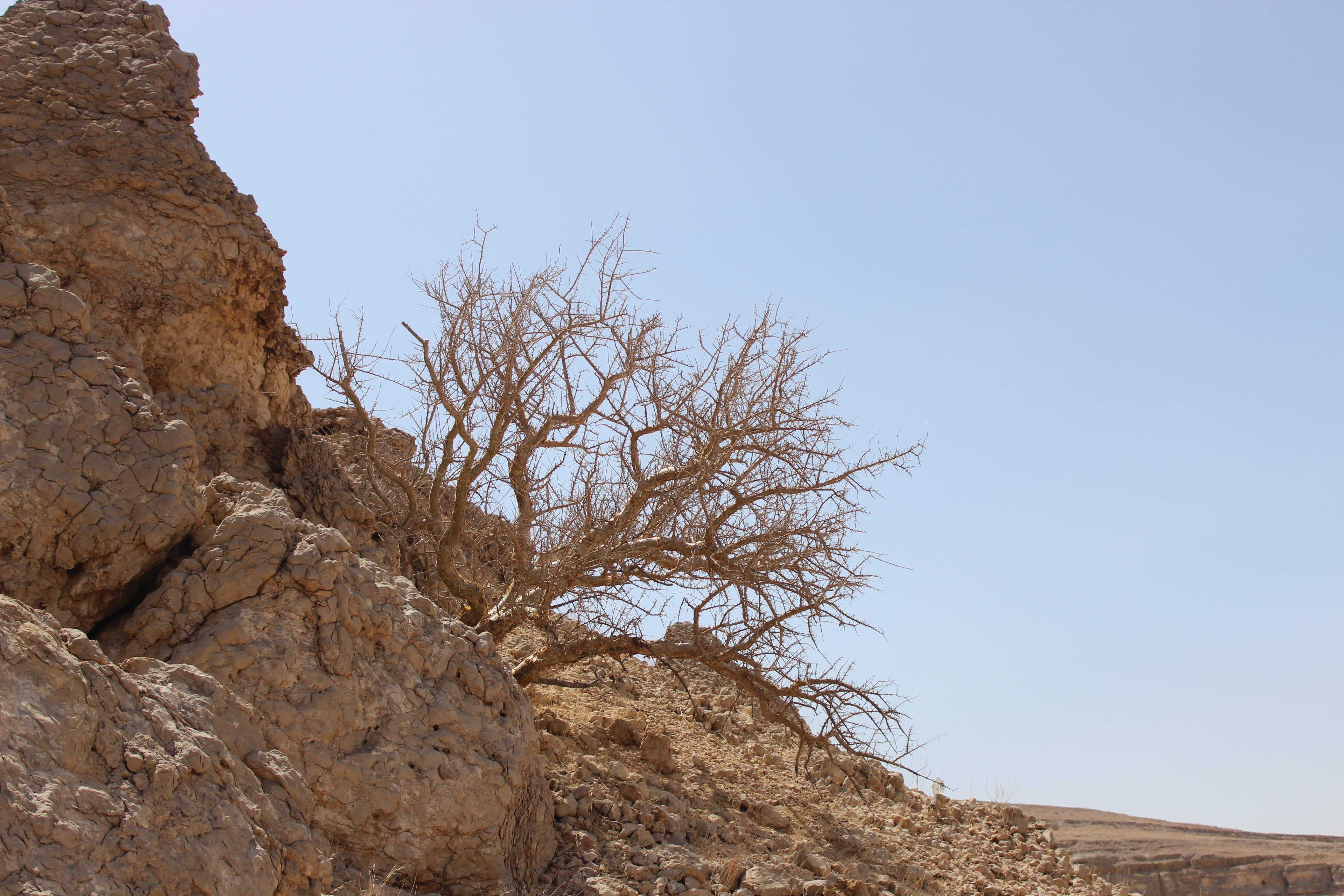
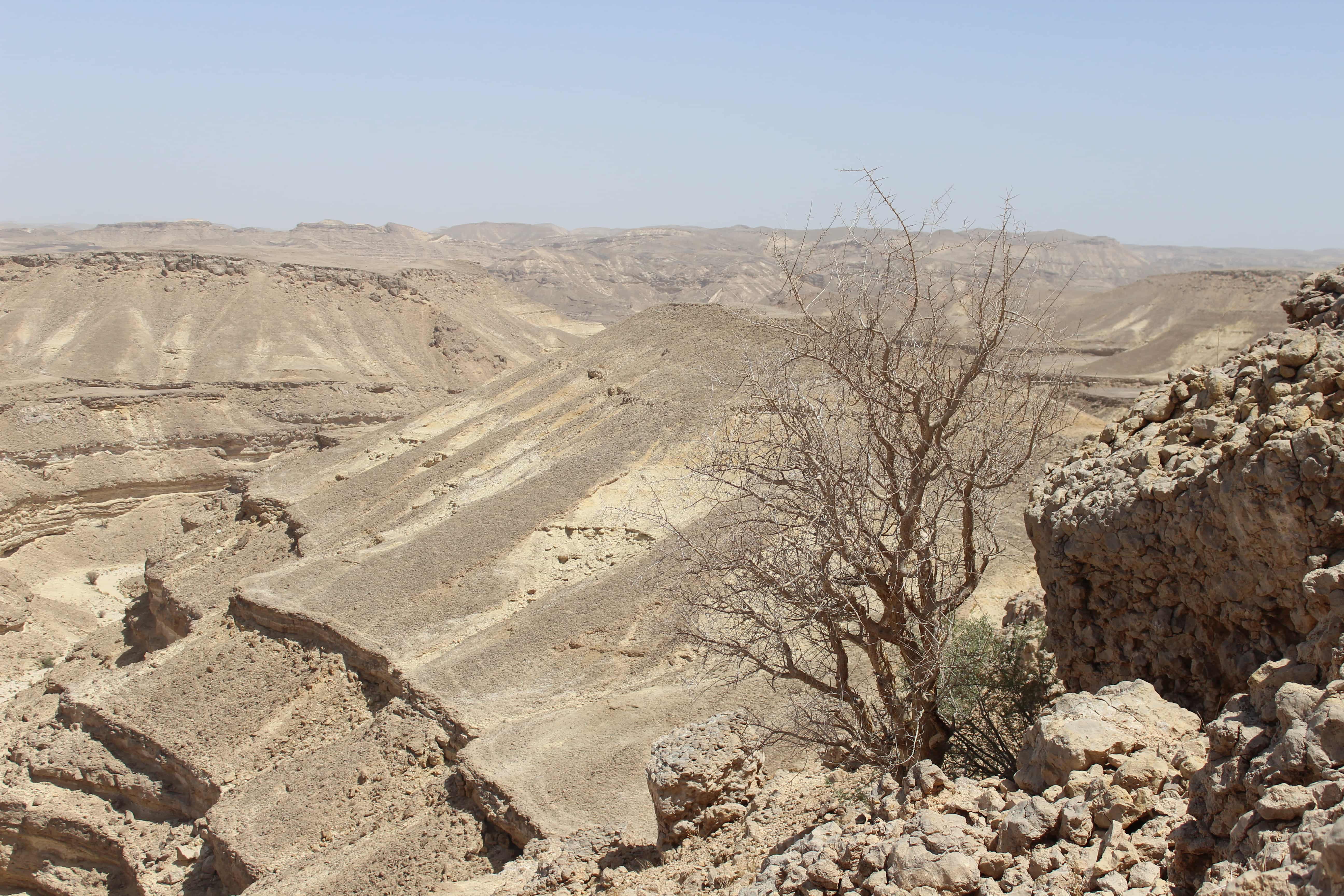
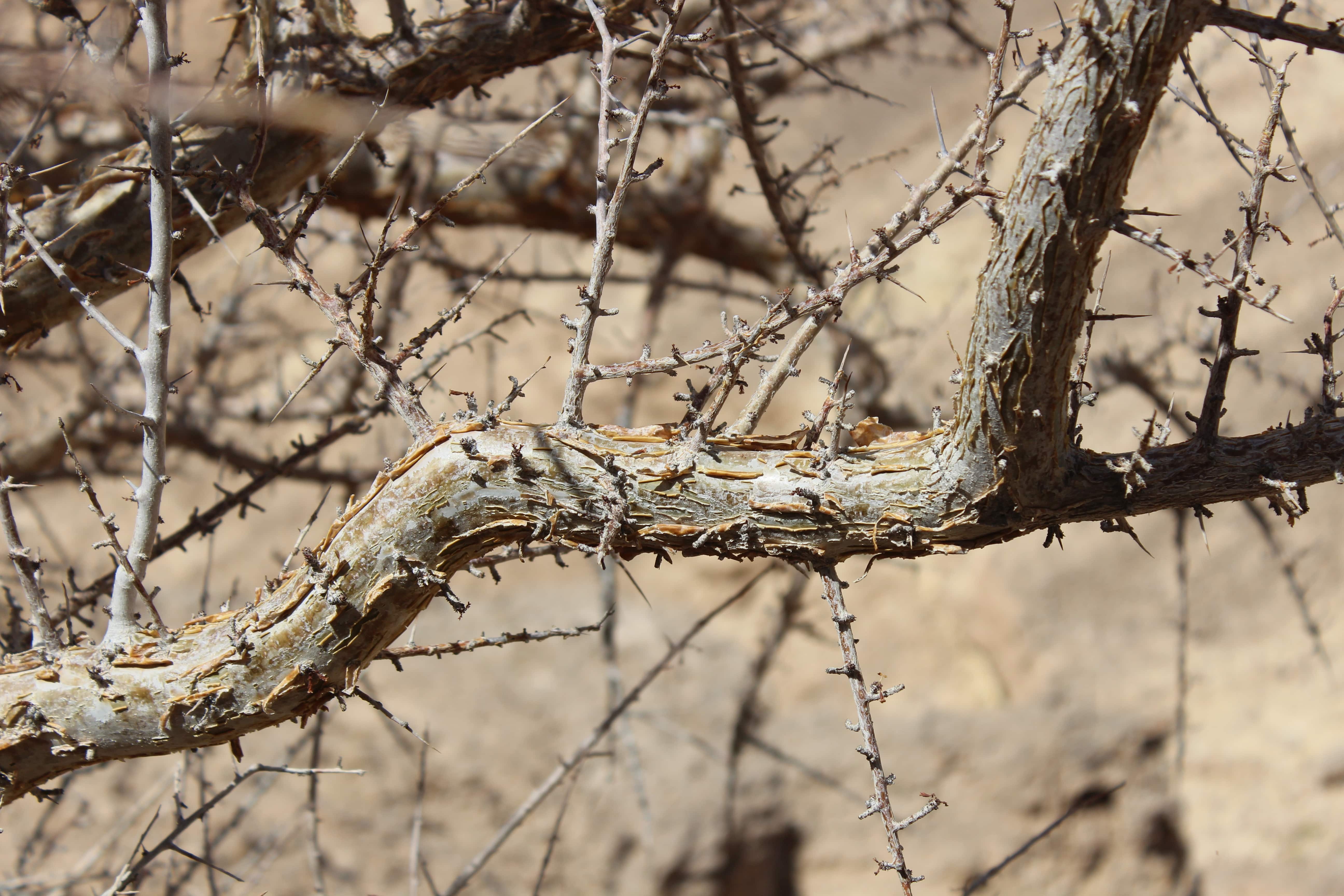
Commiphora_myrrha_2-06082024 © OBG
Commiphora_myrrha_3-06082024 © OBG
Commiphora_myrrha_4-06082024 © OBG
Commiphora_myrrha_5-06082024 © OBG
Commiphora_myrrha_6-06082024 © OBG
Commiphora_myrrha_7-06082024 © OBG
Commiphora_myrrha-06082024 © OBG
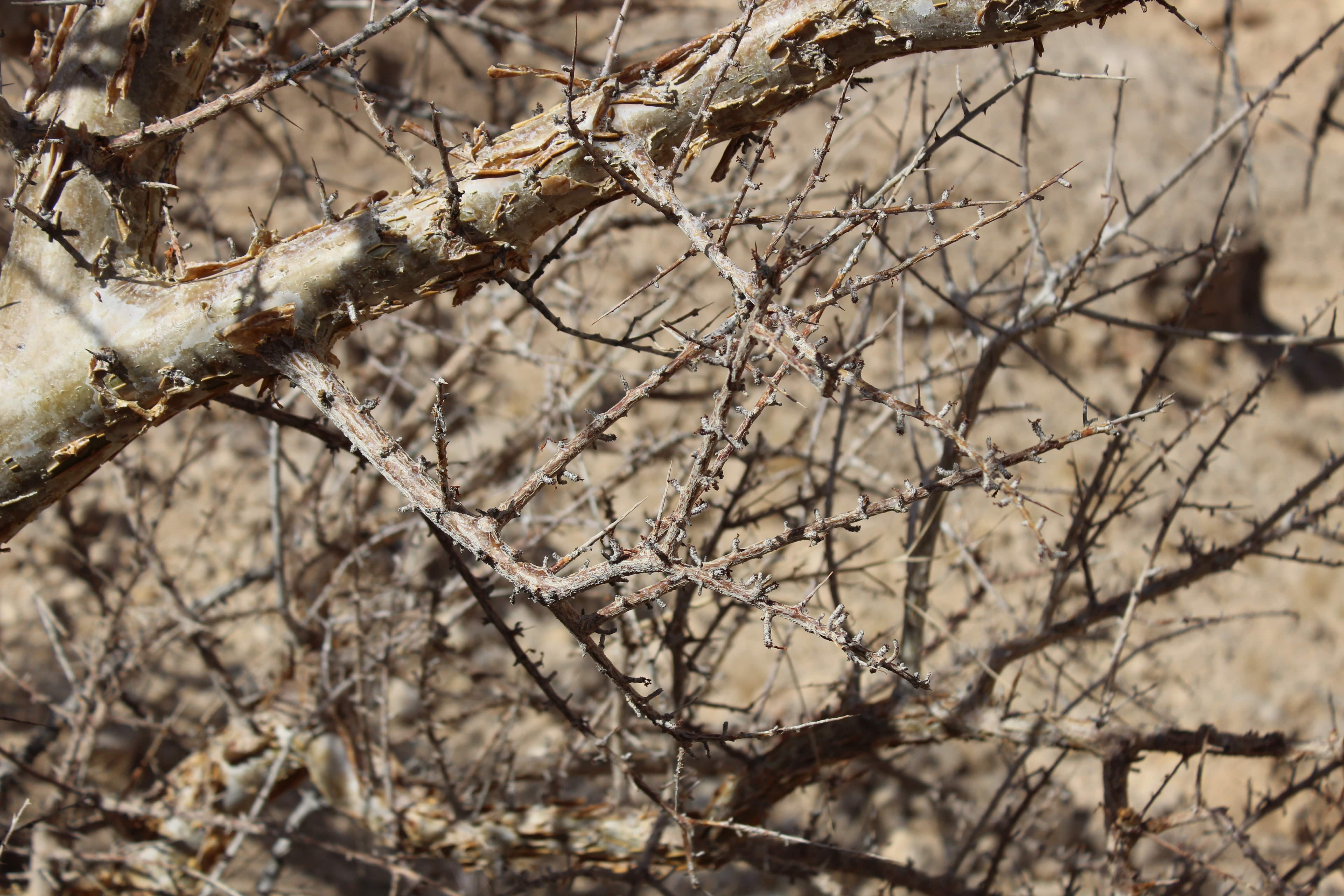
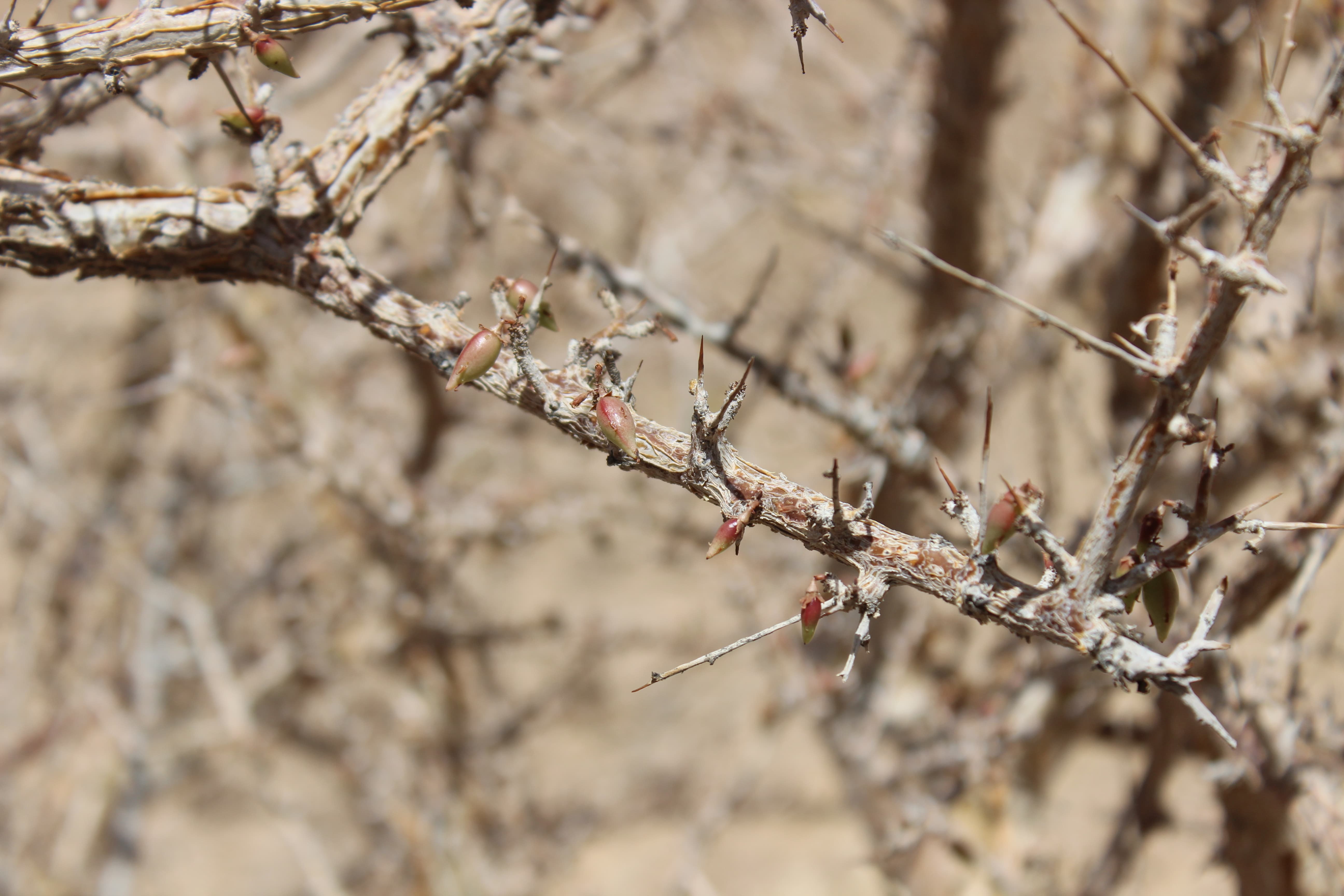
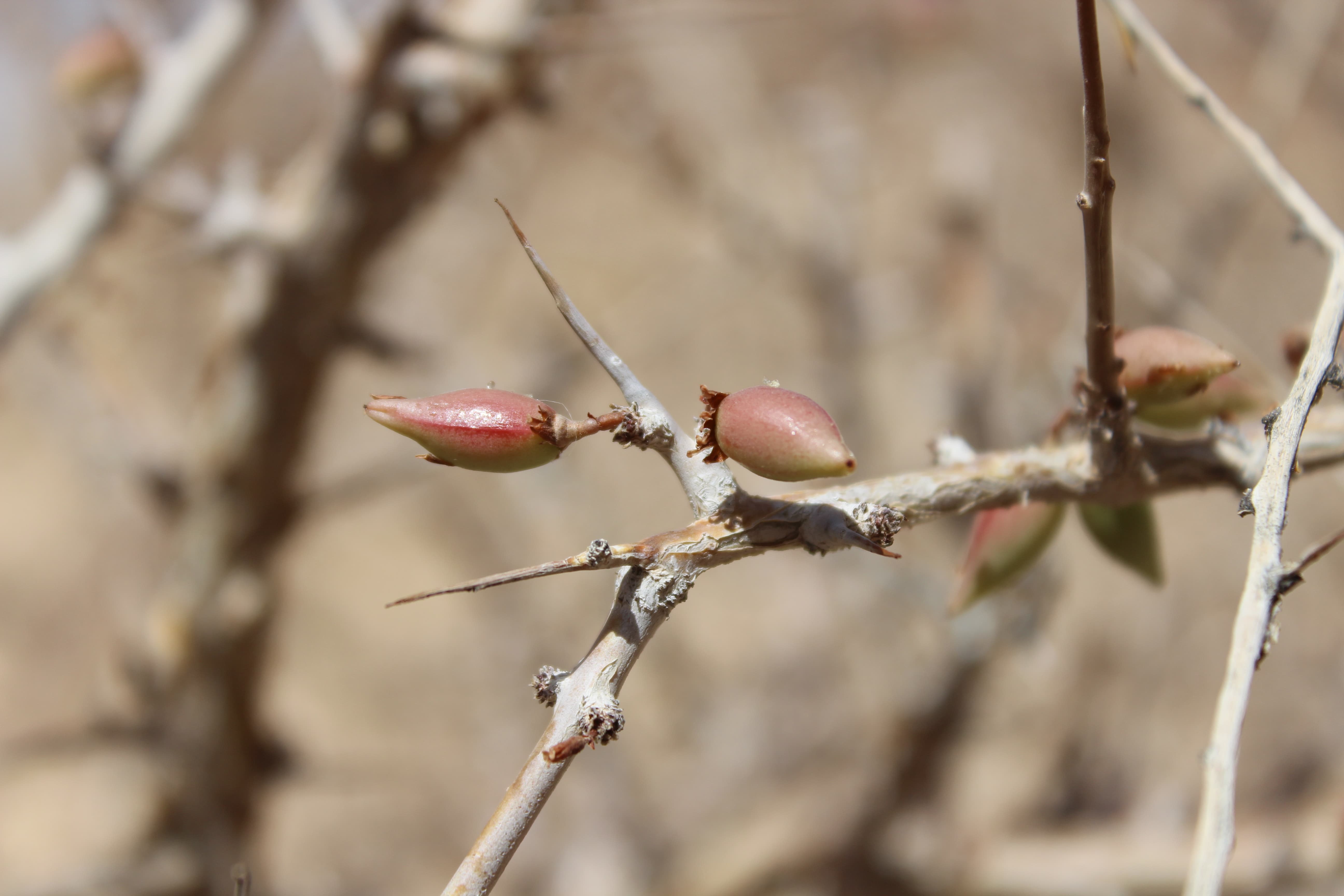
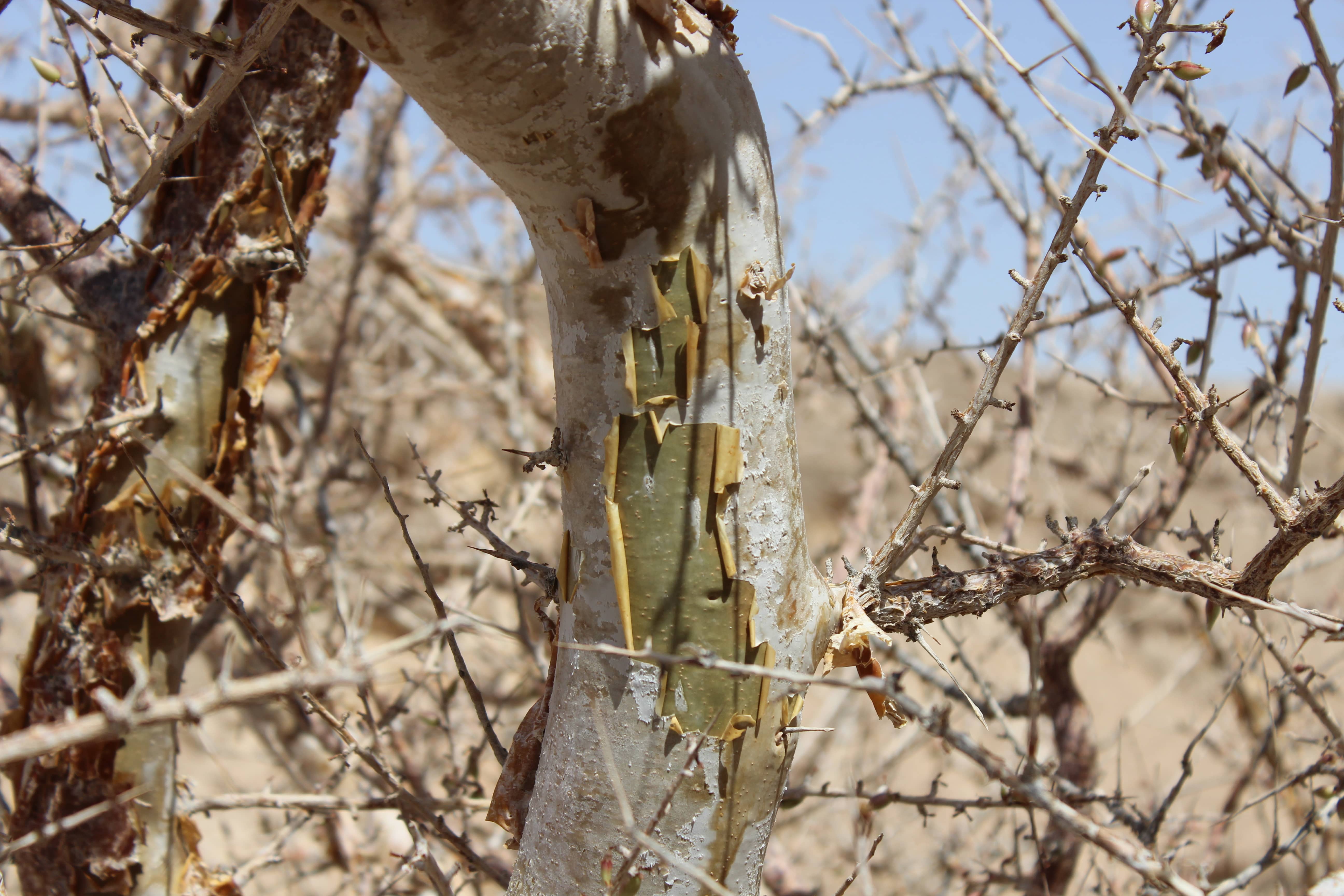
Spiny almost glabrous shrub or small tree ; up to 4 m tall with silvery whitish or bluish grey barl . Stems and branches usually with a distinct , though short trunk . Leaves chartaceous , greyish green or glaucous , very variable ; petiole 1–10 mm long ; a few lateral leaflets , sometimes very minute , elliptic , spathulate or lanceolate , attenuate , cuneate , rounded or truncate at the base , rounded or acute apically , margin entire or with up to 6 rather large broad teeth on each side . Inflorescences on short lateral shoots . Flowers red or yellow ; male flowers usually precocious , 2–4 together in dichasial cymes 3–4 mm long which are often sparsely glandular ; bracteoles pale brown , ovate-triangular . Fruit drupe , 2–4 mm long , 1–2 together on jointed stalks flattened , ovoid , markedly beaked , ± 12 . 5 mm long .
No Data
Not Evaluated (NE)
Rare
الوصف غير متاح حاليًا
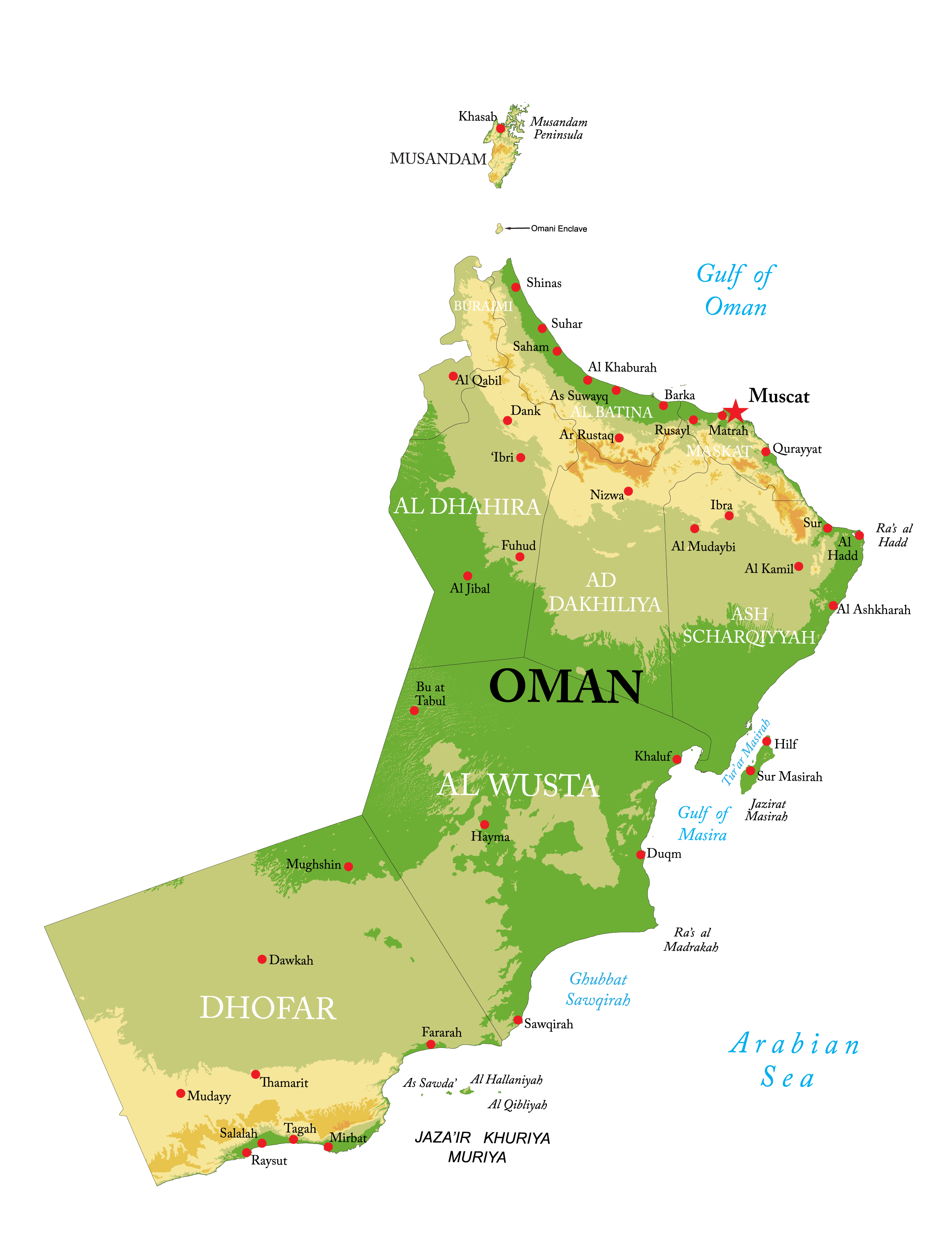
Balsamea myrrha (T.Nees) Oken
Balsamodendrum myrrha T.Nees
No data
maintenanceAr.Item1
Myrrh
Common Myrrh
African Myrrh
Herabol Myrrh
Somali Myrrhor
Mur Makki
In Omani studies: Miller & Morris (1988) wrote that: "Myrrh was immensely important in local medicine. The new born were protected by an application of myrrh and oil to the body and some powdered myrrh inserted into the nostrils. Myrrh was also sniffed and a small piece was kep tied in the corner of the head shawl to smell as a remedy for a variety of ailments, both mental and physical. It was one of the staple medicaments, along with antimony, aloes juice and indigo, which the mother of the family would keep in her private medicine bag [J: sirit, DA: kus ah]. Myrrh was used here, as elsewhere in the Middle East, to treat fever, epilepsy, various uterine complaints and to purify the parturient mother. It was applied externally as a stimulant and as a disinfectant, dissolved in water or women's milk as an eye treatmen, taken internally to
...

*Ghazanfar, S. (2007). Flora of the Sultanate of Oman, vol.2: Crassulaceae – Apiaceae. Meise, National Botanic Garden of Belgium (Scripta Botanica Begica, Vol. 36). ISBN 9789072619747 ISSN 0779-2387. *https://en.wikipedia.org *http://www.bihrmann.com *Miller, A., Morris, M. (1988). Plants of Dhofar, the Southern Region of Oman: Traditional, Economic, and Medicinal Uses. Published by Office of the Adviser for Conservation of the Environment, Diwan of Royal Court, Sultanate of Oman; ISBN 10: 0715708082 ISSN 13: 9780715708088. *Patzelt, A. & al. (2020). Studies in the flora of Arabia: XXXIV. Sixty new records from the Sultanate of Oman Edinburgh Journal of Botany 77: 413-437. *POWO (2023). ""Plants of the World Online. Facilitated by the Royal Botanic Gardens, Kew. Published on the Internet; http://www.plantsoftheworldonline.org
