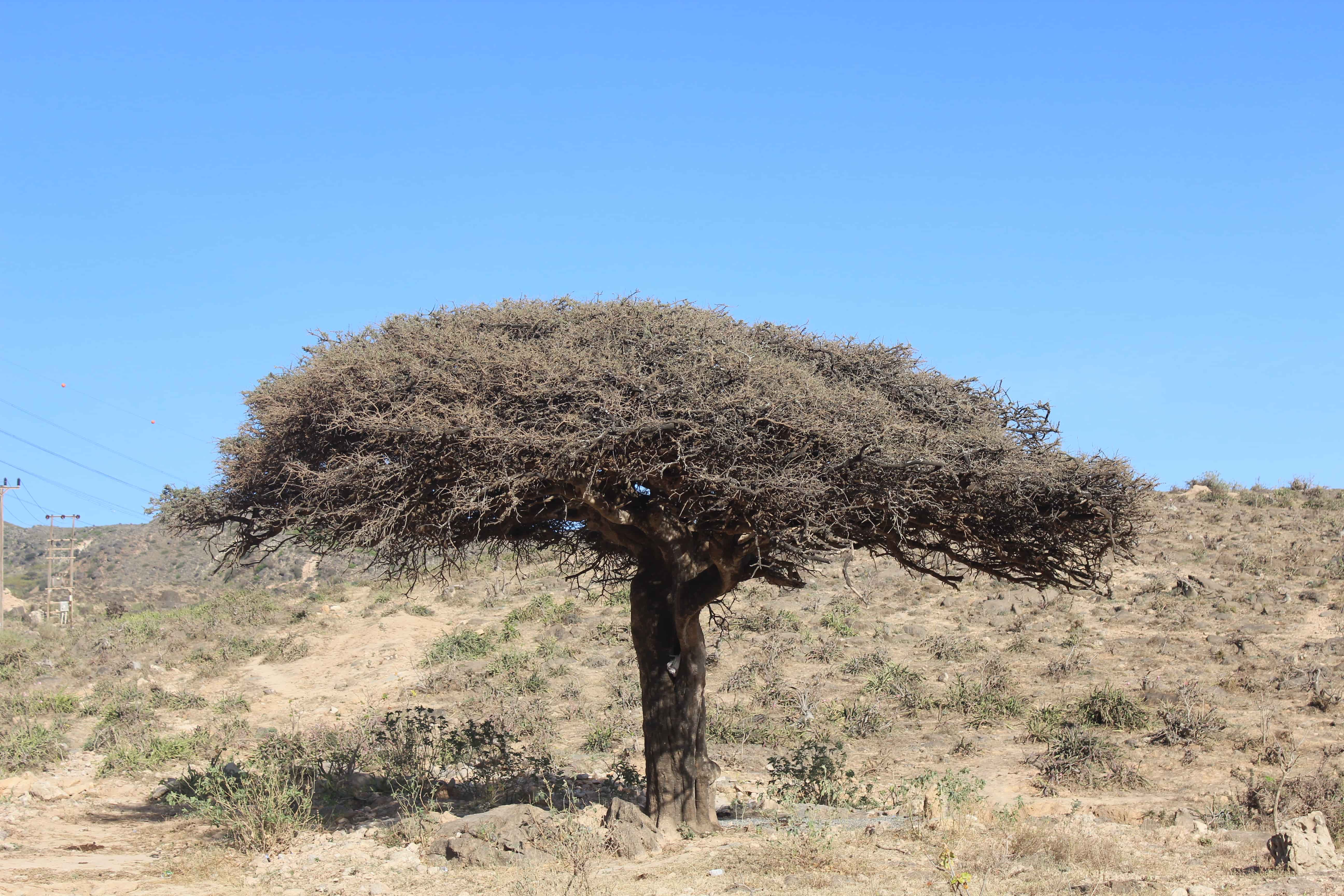
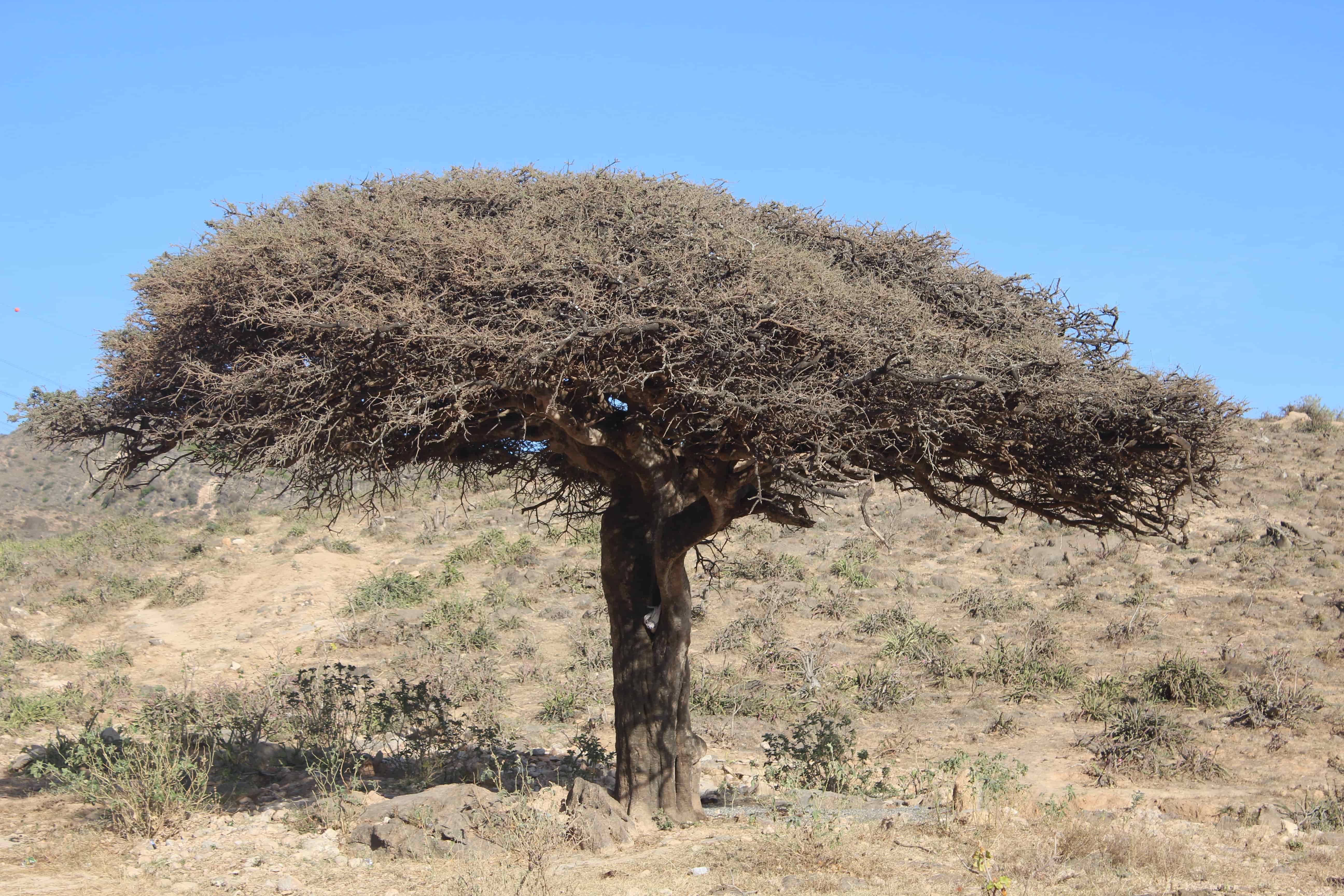
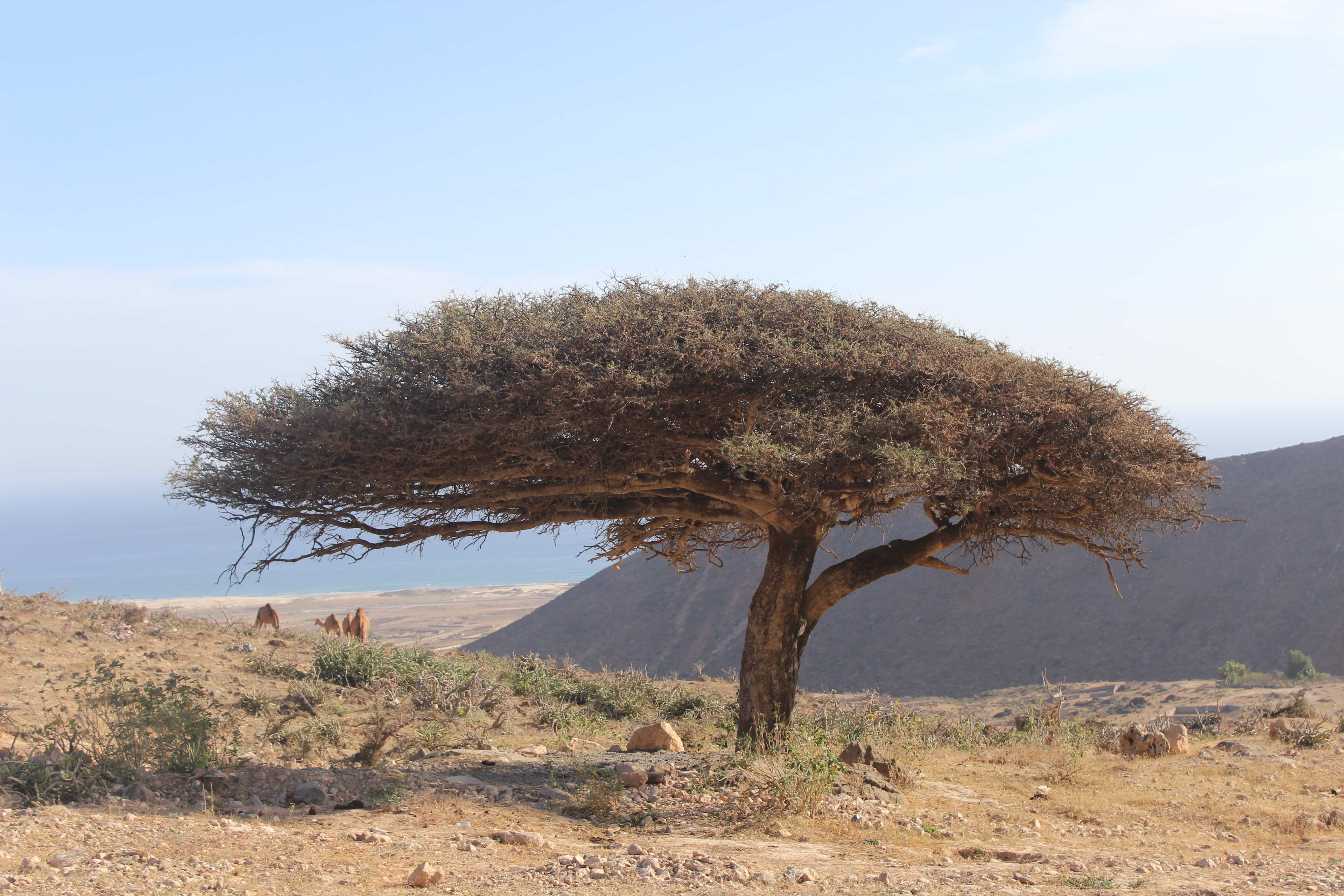
Boscia_arabica_2-06082024 © OBG
Boscia_arabica_3-06082024 © OBG
Boscia_arabica_4-06082024 © OBG
Boscia_arabica_5-06082024 © OBG
Boscia_arabica_6-06082024 © OBG
Boscia_arabica_7-06082024 © OBG
Boscia_arabica-06082024 © OBG
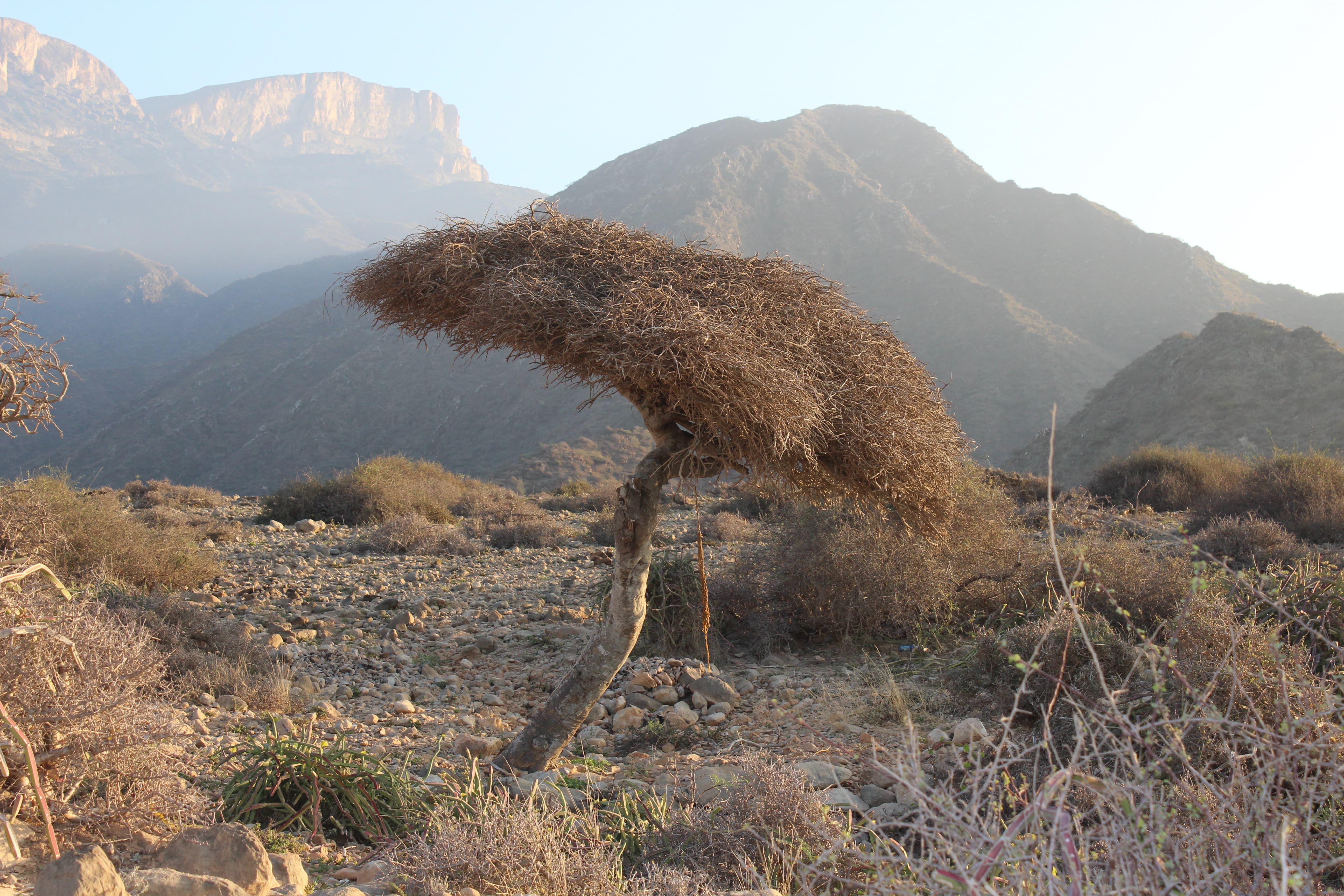
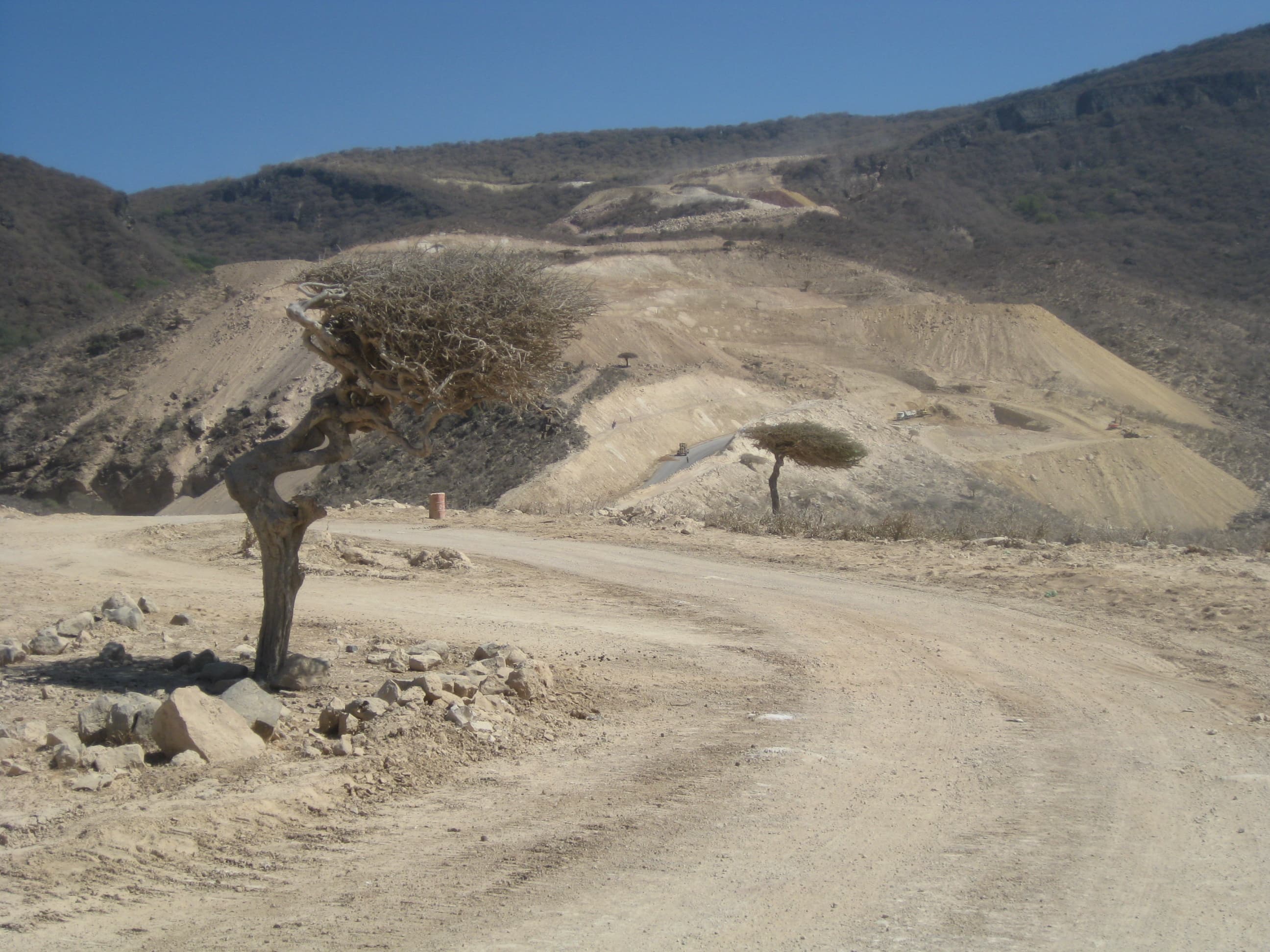
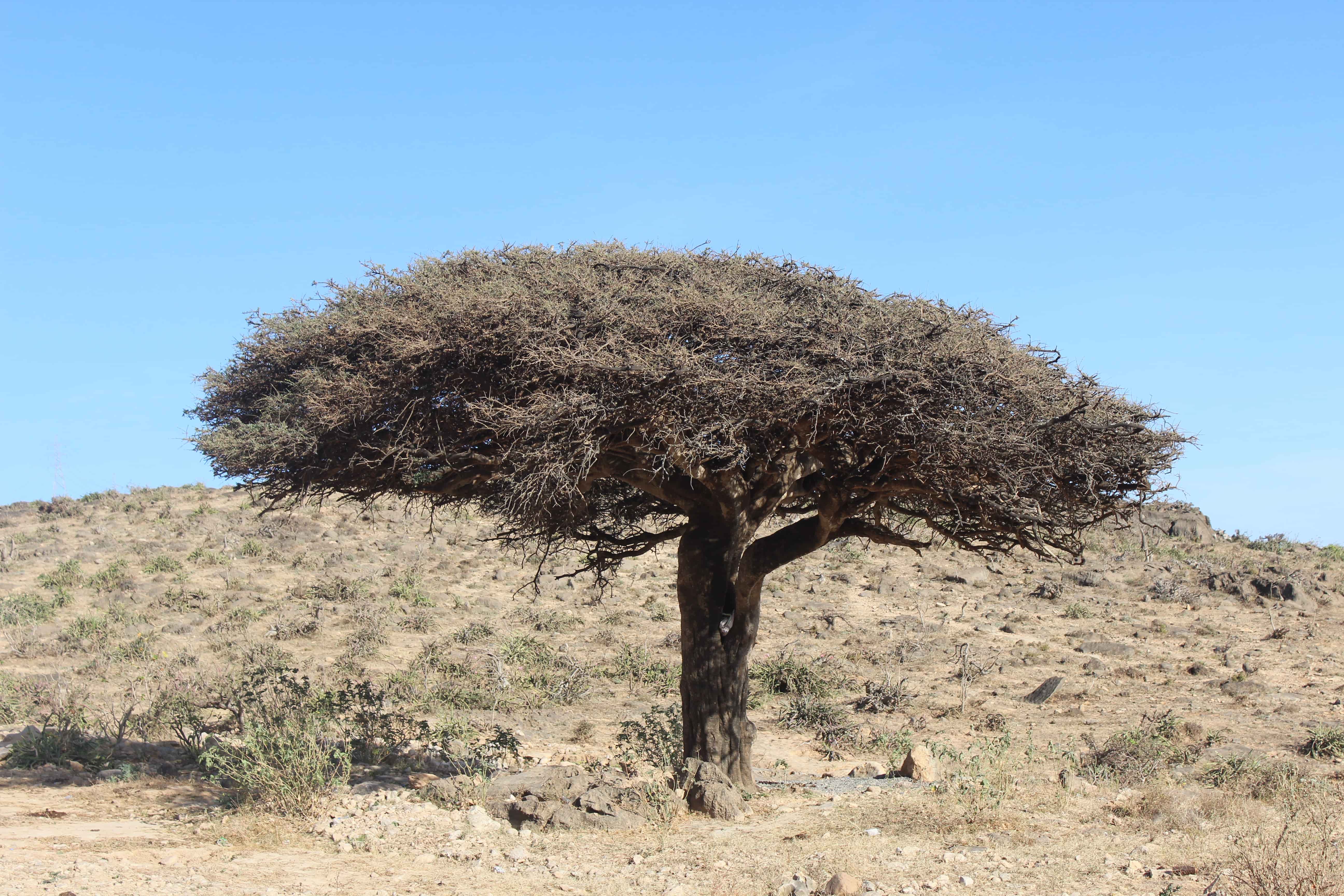
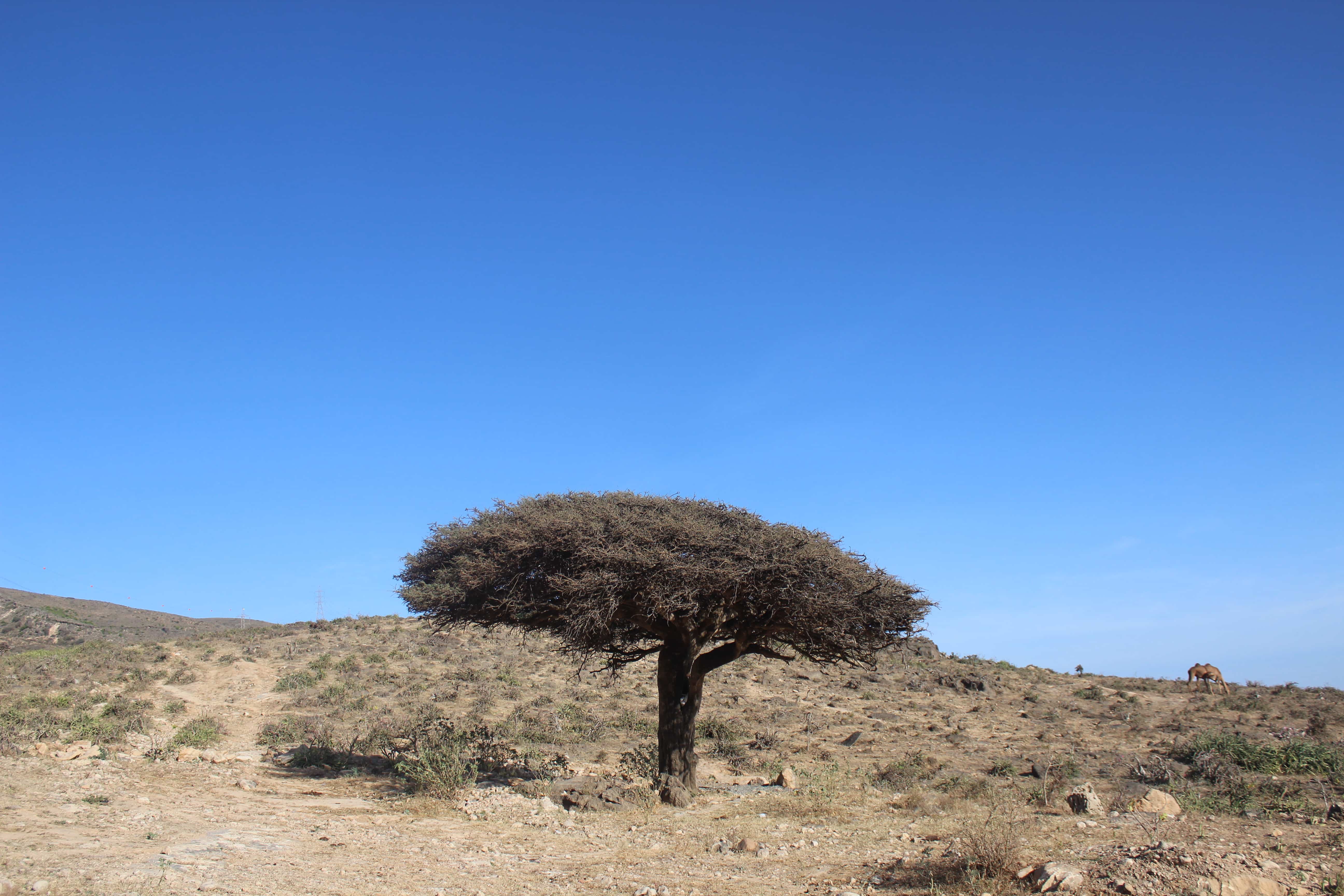
Small evergreen tree ; up to 5-6 m tall , with a dense flat-topped crown and smooth , grey/brown trunk . Stems many branches , grey/brown ; young branches finely puberulous . Leaves alternate , spirally arranged on short compact branches or in clusters , simple , 8-30 x 3-12 mm , yellow-green , obovate , rounded to retuse at the tip , rounded to cuneate base , with entire margins , stiff and leathery textured , glabrous to finely pubescent ; petiole 2-4 mm . Inflorescences solitary or in clusters , in axillary racemes , 2-3 cm long . Flowers yellow-green ; sepals 4 , reflexed at anthesis ; petals absent ; stamens 6-8 , exserted , not borne on an androphore ; ovary on a gynophore ; gynophore 5-7 mm long ; style and stigma short . Fruit 5-8 mm long x 4-5 mm broad , ovoid , grape-like , indehiscent , green turning to pale yellow at maturity , several-seeded . (Ref . Flora of Oman ; vol . 1) .
No Data
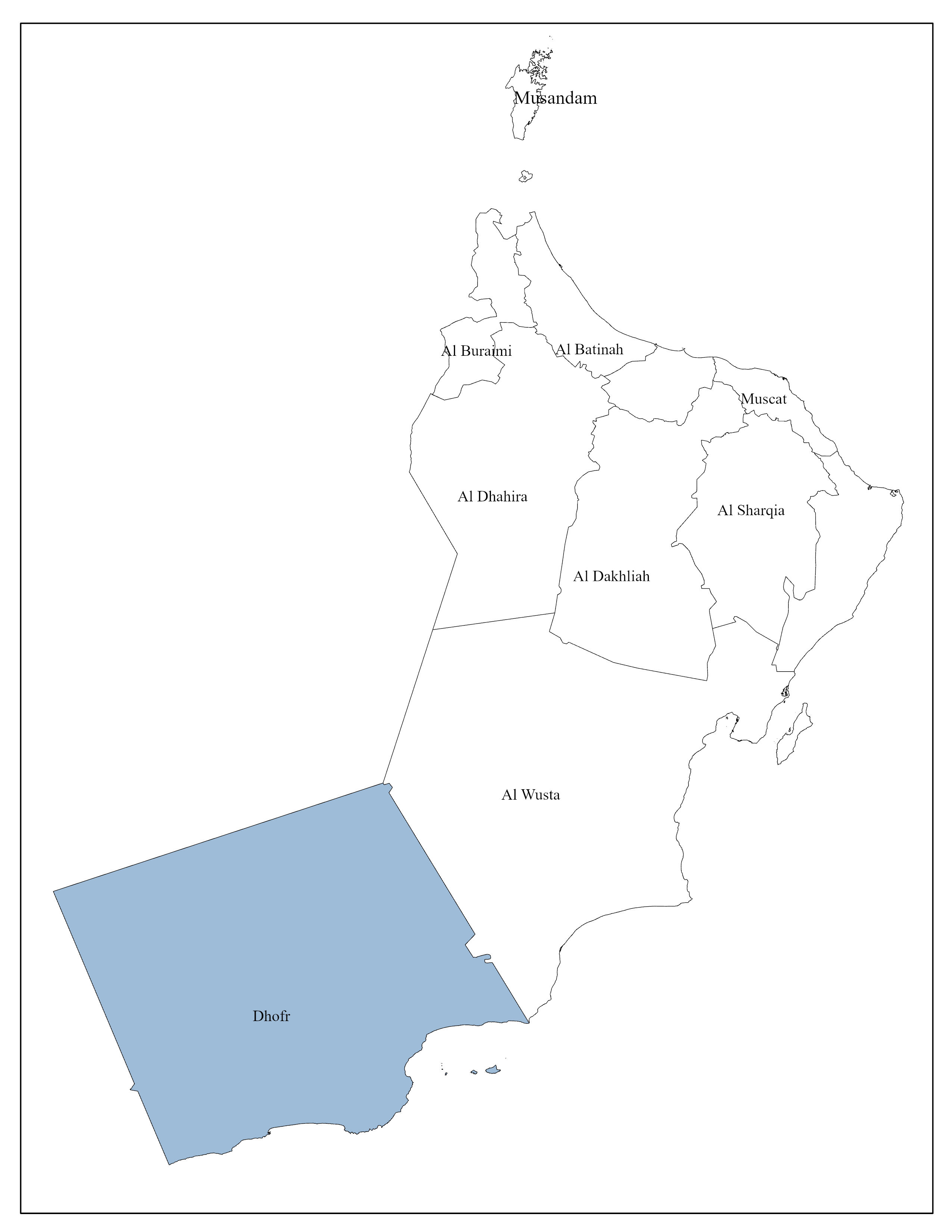
Regional Endemic (RE) - Vulnerable (VU A4abcd) - National Assessment
Frequent
الوصف غير متاح حاليًا
Not available
No data
maintenanceAr.Item1
The Arabian Boscia
In Omani studies: Miller & Morris (1988) wrote that: "The straight trunk of Boscia arabica, which grows mainly in the plains and foothills of the coast and in the high, drier plateaux, was formerly of some importance in building, often being used to provide the central pillars [J: ensebet] on which the cross beams rested in the traditional circular houses [J: esterit] and cattle byres [J: dekef, hador]. The wood has the added advantage that it is resistant to termite attack as well as apparently being equally unattractive to the many other wood boring insects. In areas where trees are scarce, the pillars shaped from the trunk of these trees were even on occasion an inheritable item. Medicinally, the bark [J: kizfot esir] was the most important part of the tree. It was stripped off, fire – blackened, then pounded to a powder and stored. This powder was used to
...

*Ghazanfar, S. (2003). Flora of the Sultanate of Oman, vol.1: Piperaceae – Primulaceae. Meise, National Botanic Garden of Belgium (Scripta Botanica Begica, Vol. 25). ISBN 90-72619-55-2 ISSN 0779-2387. *Miller, A., Morris, M. (1988). Plants of Dhofar, the Southern Region of Oman: Traditional, Economic, and Medicinal Uses. Published by Office of the Adviser for Conservation of the Environment, Diwan of Royal Court, Sultanate of Oman; ISBN 10: 0715708082 ISSN 13: 9780715708088. *https://en.wikipedia.org *Gledhill, D. (2008). The Names of Plants. Fourth Edition. Cambridge University Press. ISBN 978-0-521-86645-3 ISSN 978-0-521-68553-5. *Patzelt, A. (2015). Oman Plant Red Data Book. Published by Diwan of Royal Court, Sultanate of Oman. Oman Botanic Garden Publication No. 1. ISBN 978-99969-50-10-0. *Miller, A.G. & Cope, T.A. (1996). Flora of the Arabian Peninsula and Socotra 1: 1-586. Edinburgh university press. ISBN 0748604758. *POWO (2023). ""Plants of the World Online. Facilitated by the Royal Botanic Gardens, Kew. Published on the Internet;
...
