
Much-branched , low woody shrub ; up to 1 (-2) m tall . Stems young twigs densely covered with sessile scales . Leaves alternate on the annual shoots , often clustered on older wood , simple , leathery , grey-green , obovate to oblong , obtuse or acute tip , rounded base , petiolate , farinose . Inflorescences solitary in leaf axils or in 1-3-flowered racemes . Flowers zygomorphic , bright yellow ; sepals 4 , sparsely covered with sessile scales ; petals clear yellow , ovate , clawed ; stamens 4 , exserted ; ovary cylindrical , on a long gynophore , densely glandular . Fruits cylindrical , densely covered with papillose glands . (Ref . Flora of Oman ; vol . 1) .
No Data
Not Evaluated (NE)
Not Common
الوصف غير متاح حاليًا
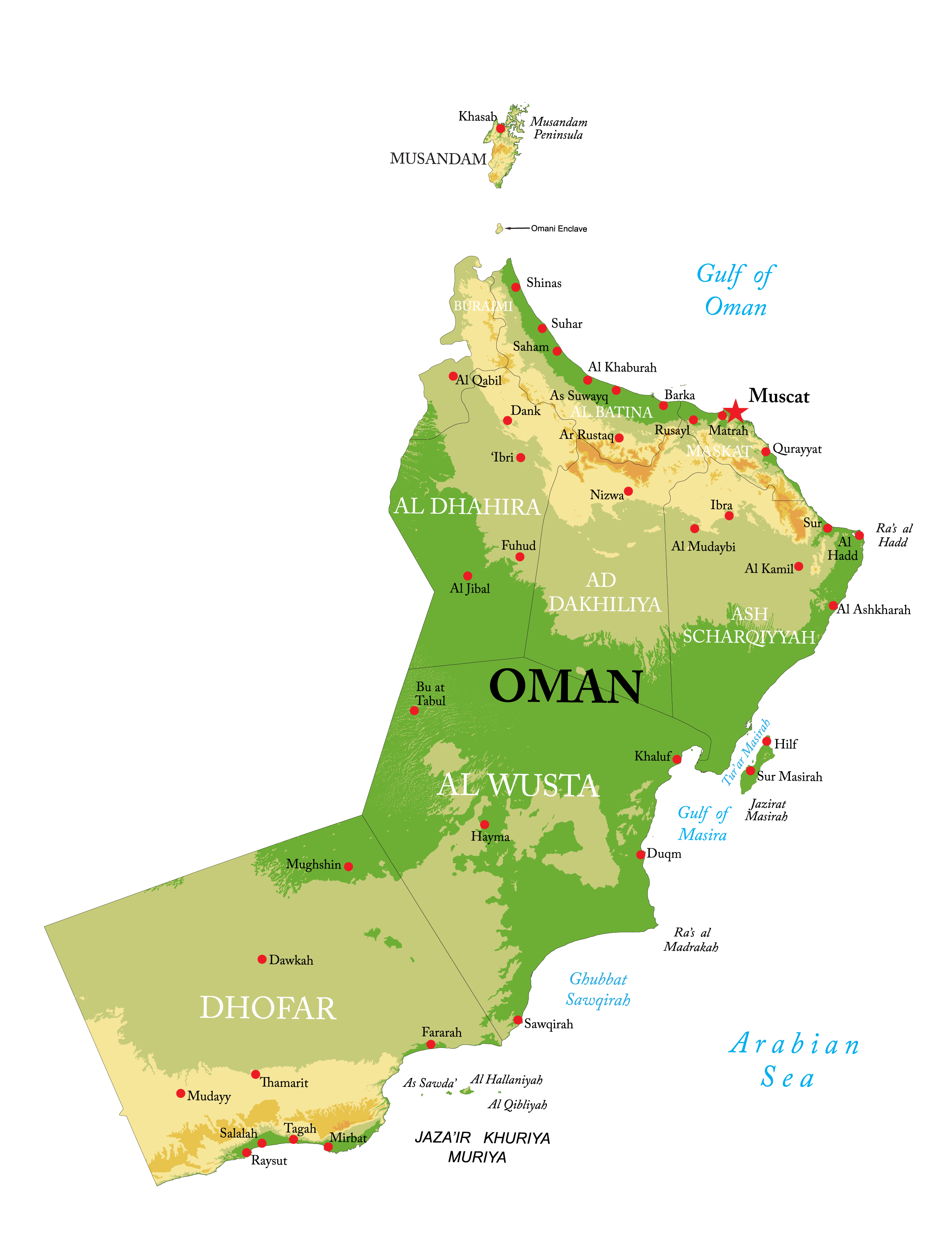
Not available
No data
maintenanceAr.Item1
Not known
Miller & Morris (1988) wrote that: "In Southern Oman (Dhofar), the wood of the shrub was important as firewood , producing a good clear flame, little smoke and burning slowly. In the north of Oman the leaves were used medicinally to make a drink which was taken as a remedy for colic and stomach ache. The juice expressed from the leaves was also used as eye drops to treat conjunctivitis. The leaves were stripped from the slim twigs and taken to feed distant heeds or to give to those livestock too weak or sickly to leave the home encampment. The fruits are eaten by livestock. The ash of the wood was of the greatest value. This ash was mixed with lumps of unclarified butter and applied to areas of the skin on livestock where the hair has fallen out , which is a common condition, especially in camels under a
...

*Ghazanfar, S. (2003). Flora of the Sultanate of Oman, vol.1: Piperaceae – Primulaceae. Meise, National Botanic Garden of Belgium (Scripta Botanica Begica, Vol. 25). ISBN 90-72619-55-2 ISSN 0779-2387. *https://en.wikipedia.org *Miller, A., Morris, M. (1988). Plants of Dhofar, the Southern Region of Oman: Traditional, Economic, and Medicinal Uses. Published by Office of the Adviser for Conservation of the Environment, Diwan of Royal Court, Sultanate of Oman; ISBN 10: 0715708082 ISSN 13: 9780715708088. *Miller, A.G. & Cope, T.A. (1996). Flora of the Arabian Peninsula and Socotra 1: 1-586. Edinburgh university press. ISBN 0748604758. *POWO (2023). ""Plants of the World Online. Facilitated by the Royal Botanic Gardens, Kew. Published on the Internet; http://www.plantsoftheworldonline.org
