
Climbing , spreading or sprawling shrub ; up to 0 . 5–4 m , often found hanging from rocky cliffs . Stems straggling or scrambling , spiny ; young twigs densely appressed-white-pubescent , glabrescent . Leaves 2-6 x 2-6 cm , alternate , simple , leathery , acute , rounded or slightly emarginate apex , broadly cuneate , rounded or cordate at the base , entire margins , often with paired hooked spines at the base of the stalk , petiolate , glabrous . Inflorescences solitary , in the upper leaf-axils . Flowers bisexual , asymmetrical , large , showy white ; sepals unequal , the upper hooded , shallowly boat-shaped ; petals white becoming pink or purple , ovate to orbicular , the upper pair appearing fused ; stamens many , exserted . Fruit berry , oval , green turning deep red as it matures , many-seeded . Seeds embedded in pulp . (Ref . Flora of Oman ; vol . 1) .
No Data
Least Concern (LC) - Global Assessment
Frequent
الوصف غير متاح حاليًا
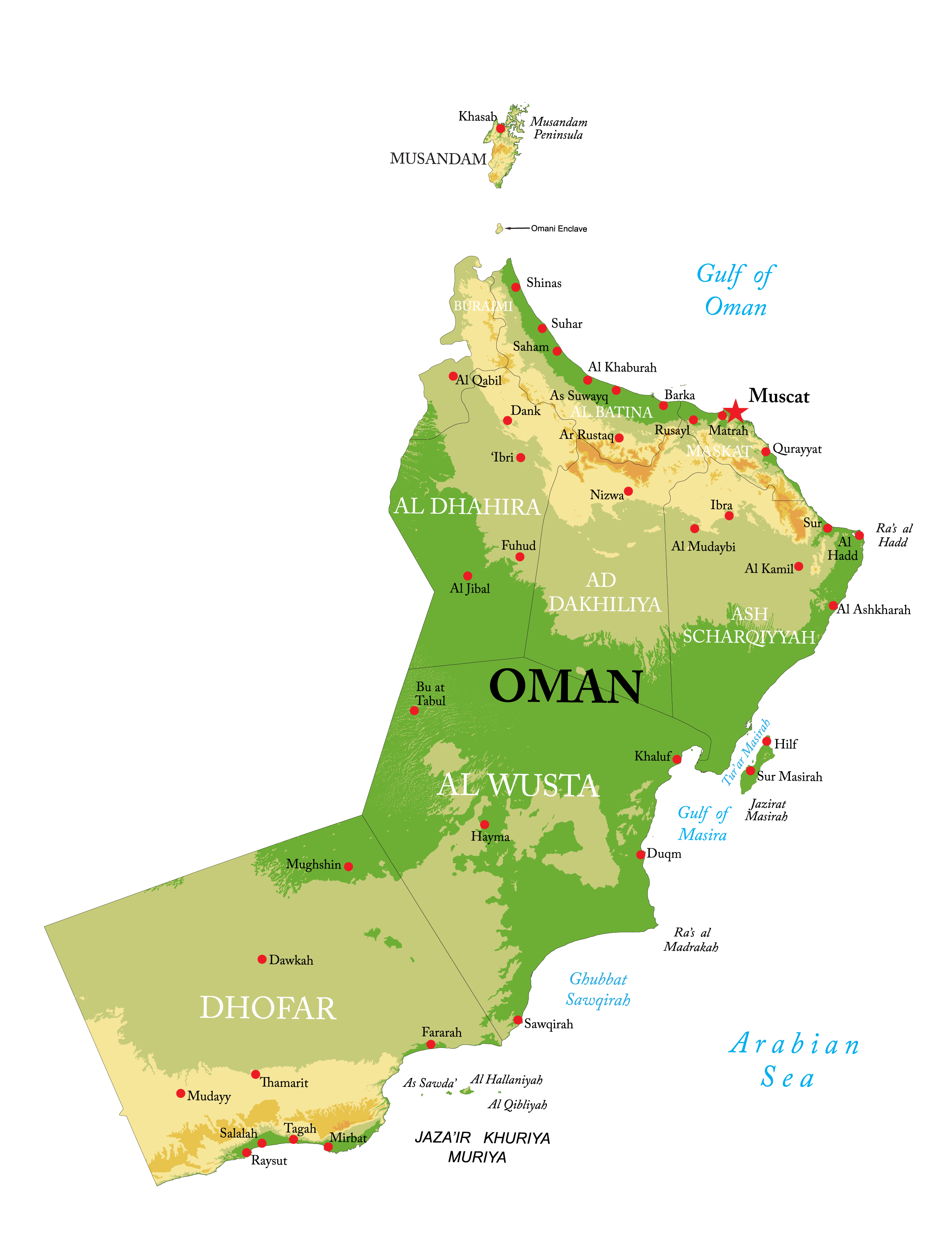
Capparis antanossarum Baill.
Capparis galeata Fresen.
Capparis inermis Forssk.
Capparis uncinata Edgew.
No data
maintenanceAr.Item1
Caper Plant
Cartilage Caper
Caper Shrub
Caperbush
Miller & Morris (1988), wrote that: "In Dhofar it is typically found on cliffs in the drier areas and it is immediately recognizable by its bright green, rather leathery, evergreen leaves and large, showy flowers which fade from brilliant white to a dusky red with their mass of stamens. Sickly camels and goats were herded to areas where these plants proliferate and were encouraged to browse the bushes. The leaves were gathered, lightly crushed, and added to water which was brought to the boil and simmered until it has become a bright green. This green water was used by women to wash with after giving birth and was considered to relieve post-partum pains, and by its antiseptic qualities, to protect the mother from puerperal sepsis and other complications of childbirth. Leaves and young growing tips were crushed and put in water , heated up, strained, and other resultant liquid used
...

*Ghazanfar, S. (2003). Flora of the Sultanate of Oman, vol.1: Piperaceae – Primulaceae. Meise, National Botanic Garden of Belgium (Scripta Botanica Begica, Vol. 25). ISBN 90-72619-55-2 ISSN 0779-2387. *Miller, A., Morris, M. (1988). Plants of Dhofar, the Southern Region of Oman: Traditional, Economic, and Medicinal Uses. Published by Office of the Adviser for Conservation of the Environment, Diwan of Royal Court, Sultanate of Oman; ISBN 10: 0715708082 ISSN 13: 9780715708088. *https://en.wikipedia.org *https://en.hortipedia.com *Gledhill, D. (2008). The Names of Plants. Fourth Edition. Cambridge University Press. ISBN 978-0-521-86645-3 ISSN 978-0-521-68553-5. *Miller, A.G. & Cope, T.A. (1996). Flora of the Arabian Peninsula and Socotra 1: 1-586. Edinburgh university press. ISBN 0748604758. *Patzelt, A. (2015). Photographic Field Guide to the Plants of the Western Hajar Mountains, Sultanate of Oman: with a complete checklist of vascular plant species. Sultan Qaboos University – Academic Publication and Outreach Department. P.O Pox (17) Postal Code (123), Muscat, Al
...
