
A deciduous shrub ; up to 1 . 5 m with lateral branches becoming spiny at the tips . Stems and branches grey-brown , scruffy , spines up to 3 cm , grey-brown with reddish-brown tips . Leaves alternate or in fascicles on spiny shoots , pale green , sometimes with reddish midrib , oblanceolate , apex obtuse with a small mucro at the tip , base cuneate , margin obscurely crenate to entire , glabrous , petiolate . Inflorescences in delicate cymes , solitary or axillary or 1–6 on short axillary shoots , unisexual or bisexual . Flowers white , sweetly scented ; calyx ± 1 mm ; sepals 5 , subequal ; petals 5 , white or greenish-white to pale yellow ; stamens (4-)5 , inserted at the base of a disc , in the female flowers reduced to staminodes . Fruit capsule , red-purple , ovate , glabrous , coriaceous , smooth , splitting by 2(-3) valves . Seeds 1–2 , dark reddish-brown , glossy , with a white (turning purple) fleshy smooth aril at the base . (Ref . Flora of Oman ; vol . 2) .
No Data
Least Concern (LC) - Global Assessment
Frequent
الوصف غير متاح حاليًا
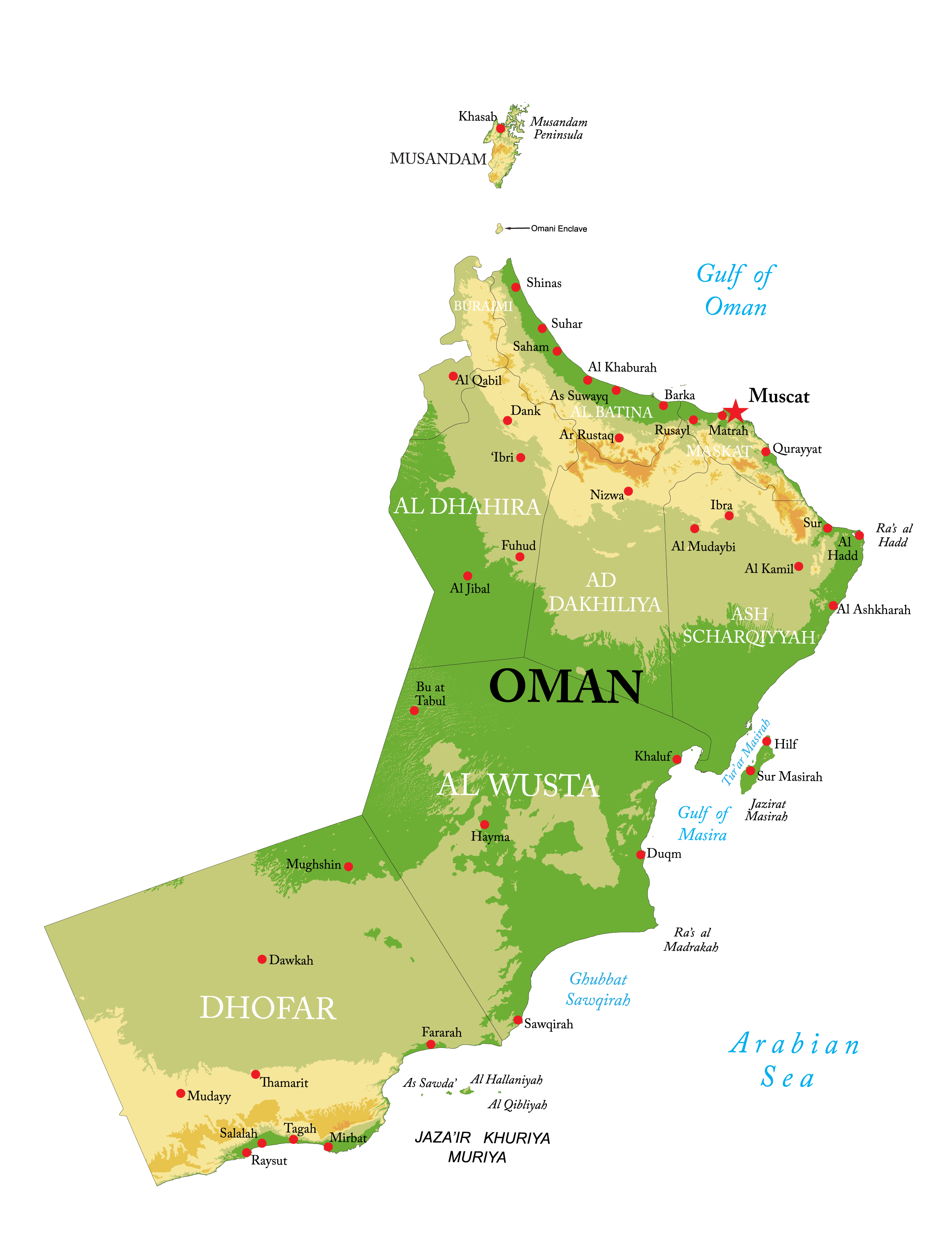
Catha senegalensis (Lam.) G.Don
Celastrus senegalensis Lam.
Maytenus senegalensis (Lam.) Exell
No data
maintenanceAr.Item1
Spike Thorn
Red Spike Thorn
Confetti Tree
Confetti Bush
Confetti Spikethorn
Confetti Thorn
Miller & Morris (1988) wrote that: "Cut branches were traditionally popular as building material for pens and enclosures, for perimeter fences around the settlement compound, for building partitions to divide up a large cave settlement, or to make a dense barrier across the cave mouth or the 'door' [J: sidad] for the circular stone huts which was pulled across the hut entrance when night fell (or at other times of the day for privacy). Camels browse on the foliage, but cattle are unenthusiastic. Goats eat the leaves and especially the attractive pink and red flowers, but if they eat the fruit they fall ill with shivering attacks and develop a raised temperature. These species (G. dhofarensis and G. senegalensis) provided adequate firewood, but the many, sharp thorns made it unpleasant to handle, so it was not widely used for firewood or to make charcoal in areas where other more suitable
...

*Ghazanfar, S. (2007). Flora of the Sultanate of Oman, vol.2: Crassulaceae – Apiaceae. Meise, National Botanic Garden of Belgium (Scripta Botanica Begica, Vol. 36). ISBN 9789072619747 ISSN 0779-2387. *https://en.wikipedia.org *http://pza.sanbi.org *Miller, A., Morris, M. (1988). Plants of Dhofar, the Southern Region of Oman: Traditional, Economic, and Medicinal Uses. Published by Office of the Adviser for Conservation of the Environment, Diwan of Royal Court, Sultanate of Oman; ISBN 10: 0715708082 ISSN 13: 9780715708088. *POWO (2023). ""Plants of the World Online. Facilitated by the Royal Botanic Gardens, Kew. Published on the Internet; http://www.plantsoftheworldonline.org
