
A small very dense shrub with dark grey to black bark ; up to 1m . Leaves alternate , oval with a rounded tip and entire margins , covered in silky hair . Flowers four white petals surrounded by two large pale green sepals which turn brown on maturity . Fruit a round capsule with four seeds . (Ref . Field guide to the wild plants of Oman) .
No Data
Regional Endemic (RE) - Least Concern (LC) - National Assessment
Frequent
الوصف غير متاح حاليًا
Not available
No data
maintenanceAr.Item1
Not known
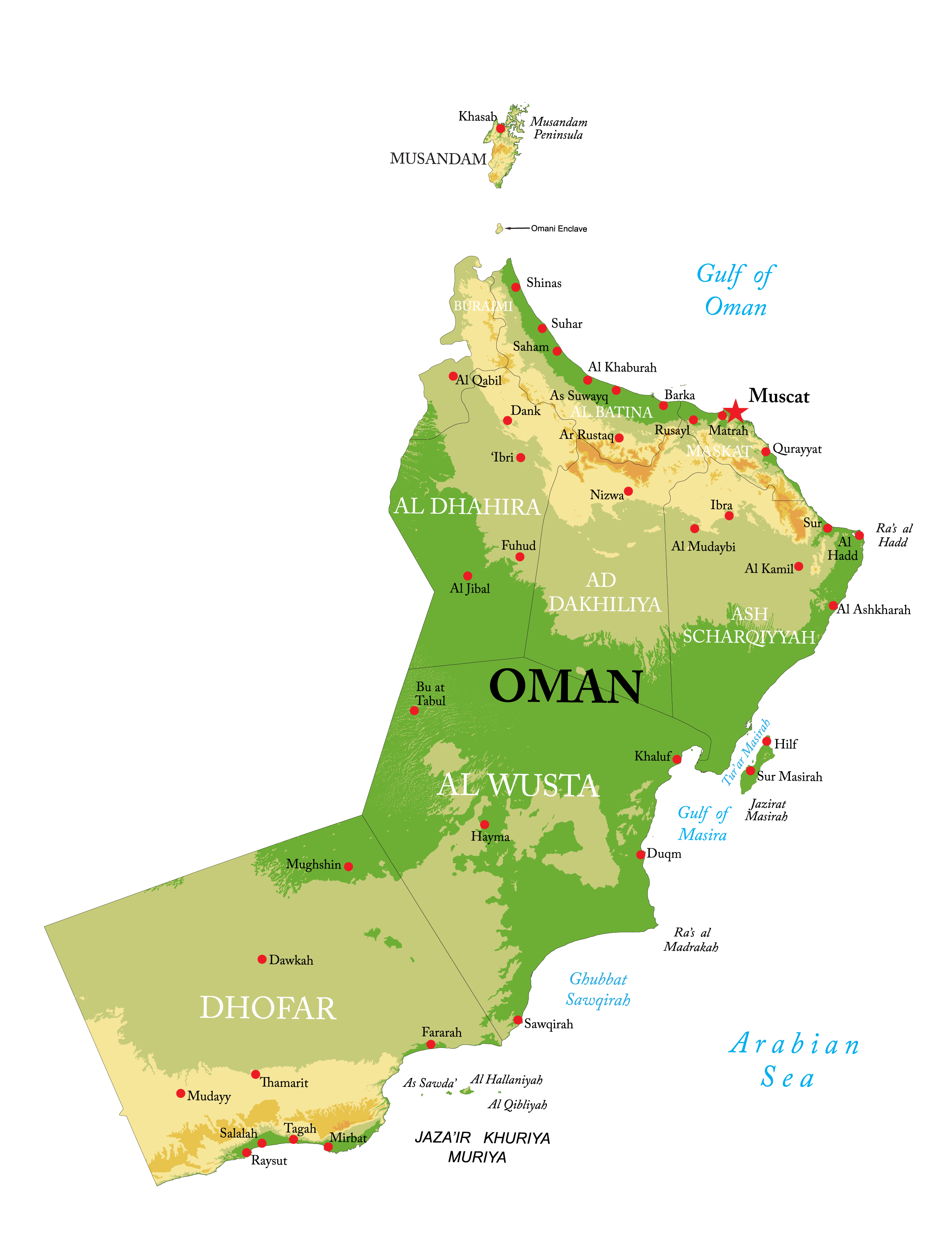
Both Hildebrandtia africana and Hybanthus durus are called [J: etebin] locally, and are seen as being related and alike, despite the fact that obvious surface dissimilarities (when in flower especially) are clearly appreciated. Such differences are, as so often in local wisdom, attributed to diversity of habitat and environment and disparity in type and depth of the soil in which individual plants of both species are to be found growing, rather than being attributes of botanically different species. However, these shrubs are not common in Dhofar, both tending to grow in the drier and less hospitable areas of Dhofar which receive only the very edge of the monsoon moisture and cool winds. They are both heavily browsed by camels and goats, which no doubt contributes to thir superficial similarity in appearance, shape and size, but neither is very highly regarded as fodder, being seen by herders as providing bulk rather
...

*Ghazanfar, S. (2015). Flora of the Sultanate of Oman, vol.3: Loganiaceae – Asteraceae. Meise, National Botanic Garden of Belgium (Scripta Botanica Begica, Vol. 25). ISBN 9789082352511 ISSN 0779-2387. *https://en.wikipedia.org *Gledhill, D. (2008). The Names of Plants. Fourth Edition. Cambridge University Press, UK. ISBN 978-0-521-86645-3 ISSN 978-0-521-68553-5. *Miller, A., Morris, M. (1988). Plants of Dhofar, the Southern Region of Oman: Traditional, Economic, and Medicinal Uses. Published by Office of the Adviser for Conservation of the Environment, Diwan of Royal Court, Sultanate of Oman; ISBN 10: 0715708082 ISSN 13: 9780715708088. *Patzelt, A. (2015). Oman Plant Red Data Book. Published by Diwan of Royal Court, Sultanate of Oman. Oman Botanic Garden Publication No. 1. ISBN 978-99969-50-10-0. *Pickering, H. Patzelt, A. (2008). Field Guide to the Wild Plants of Oman. Kew publishing, Royal Botanic Garden, Kew. ISBN 9781842461778. *POWO (2023). ""Plants of the World Online. Facilitated by the Royal Botanic Gardens, Kew. Published on
...
