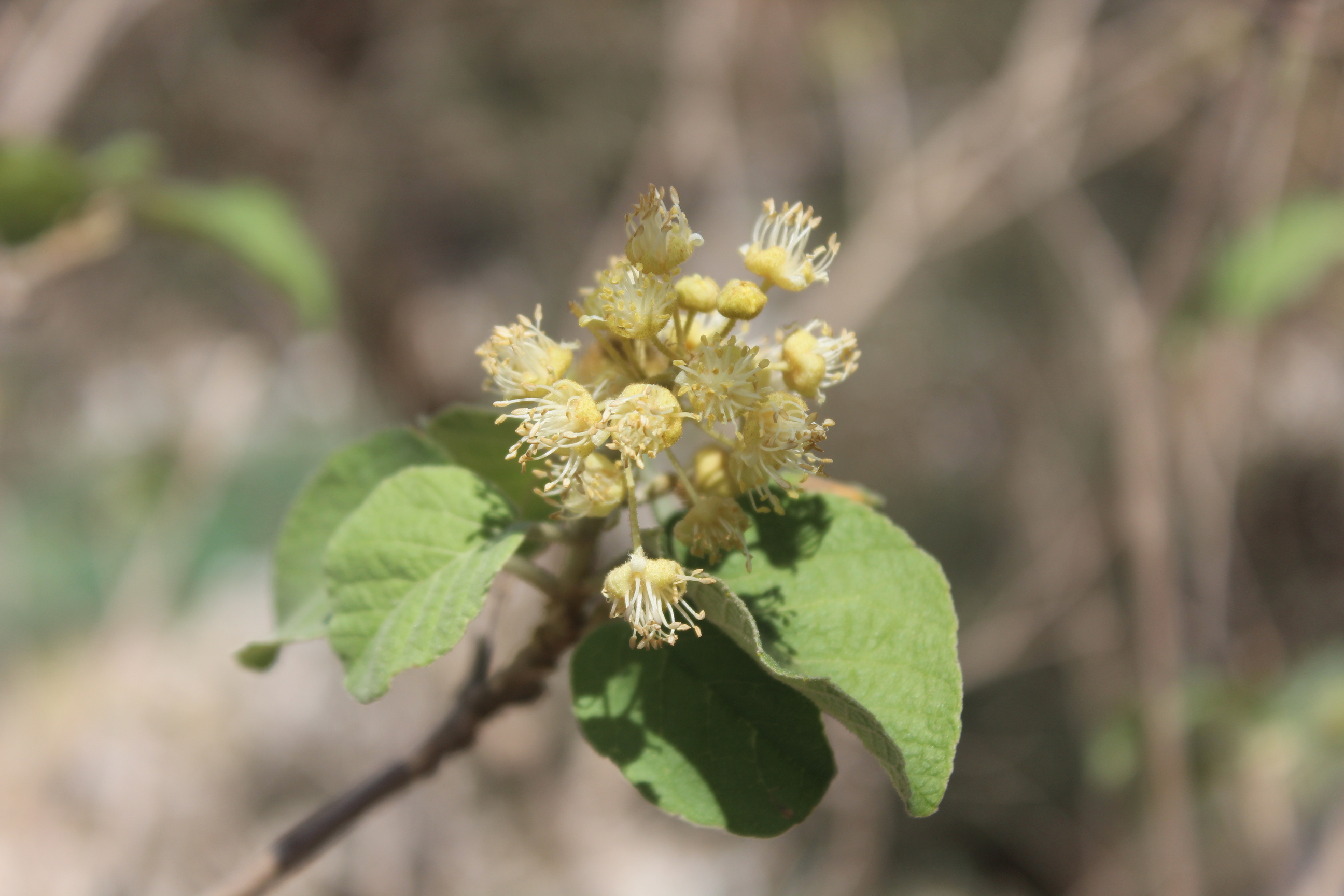
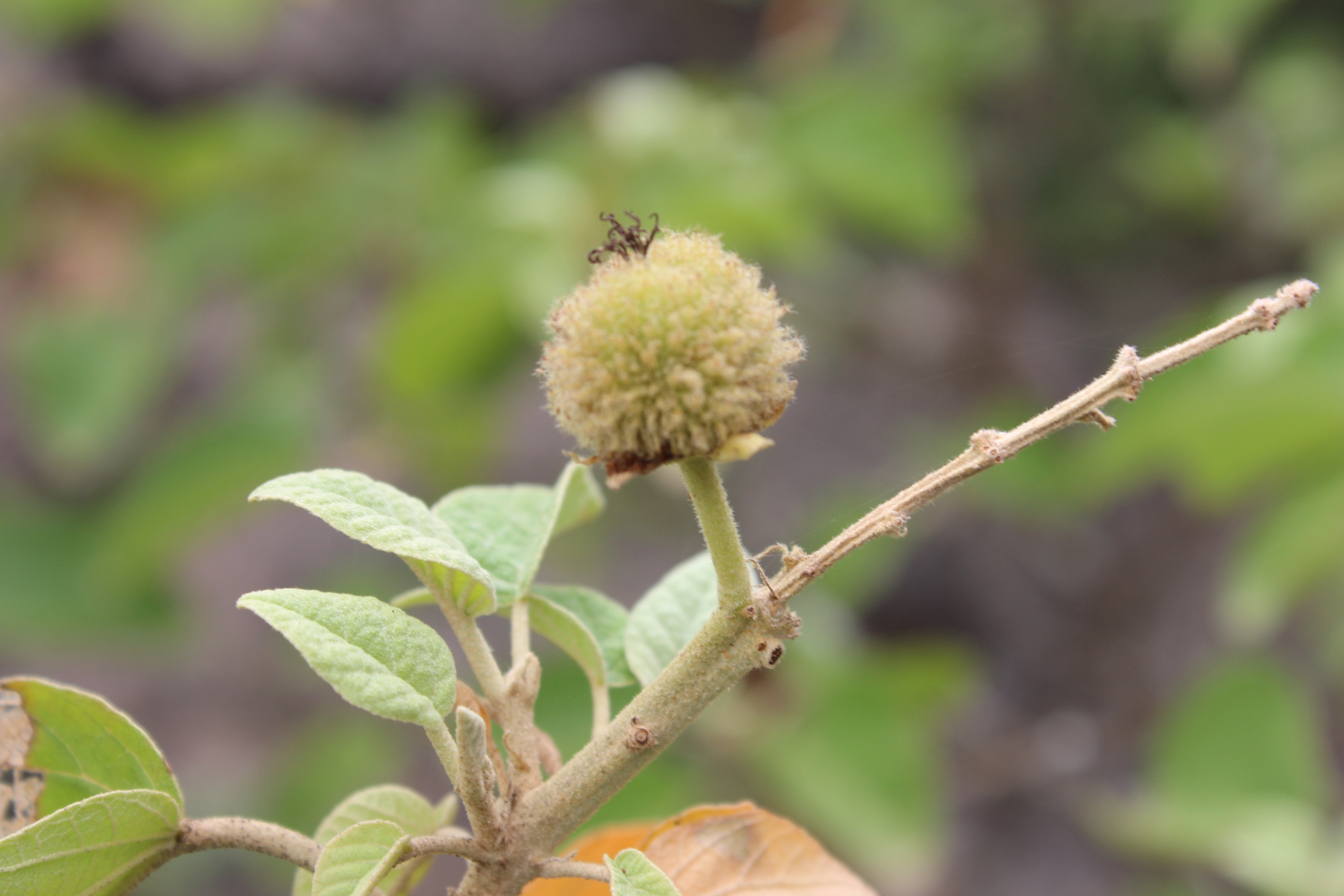
Croton_confertus_10 © OBG
Croton_confertus_2 © OBG
Croton_confertus_3 © OBG
Croton_confertus_4 © OBG
Croton_confertus_5 © OBG
Croton_confertus_6 © OBG
Croton_confertus_7 © OBG
Croton_confertus_8 © OBG
Croton_confertus_9 © OBG
Croton_confertus © OBG
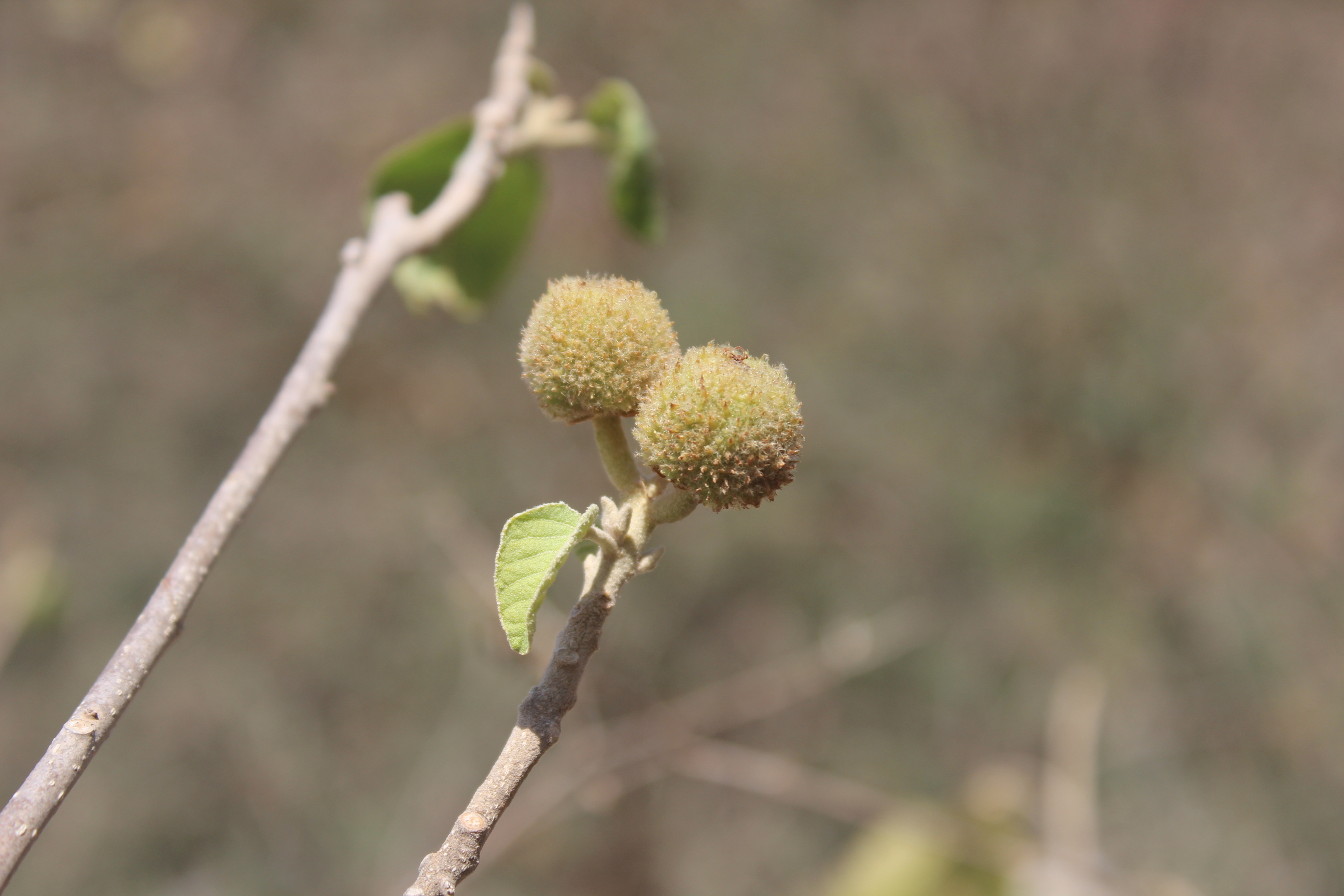
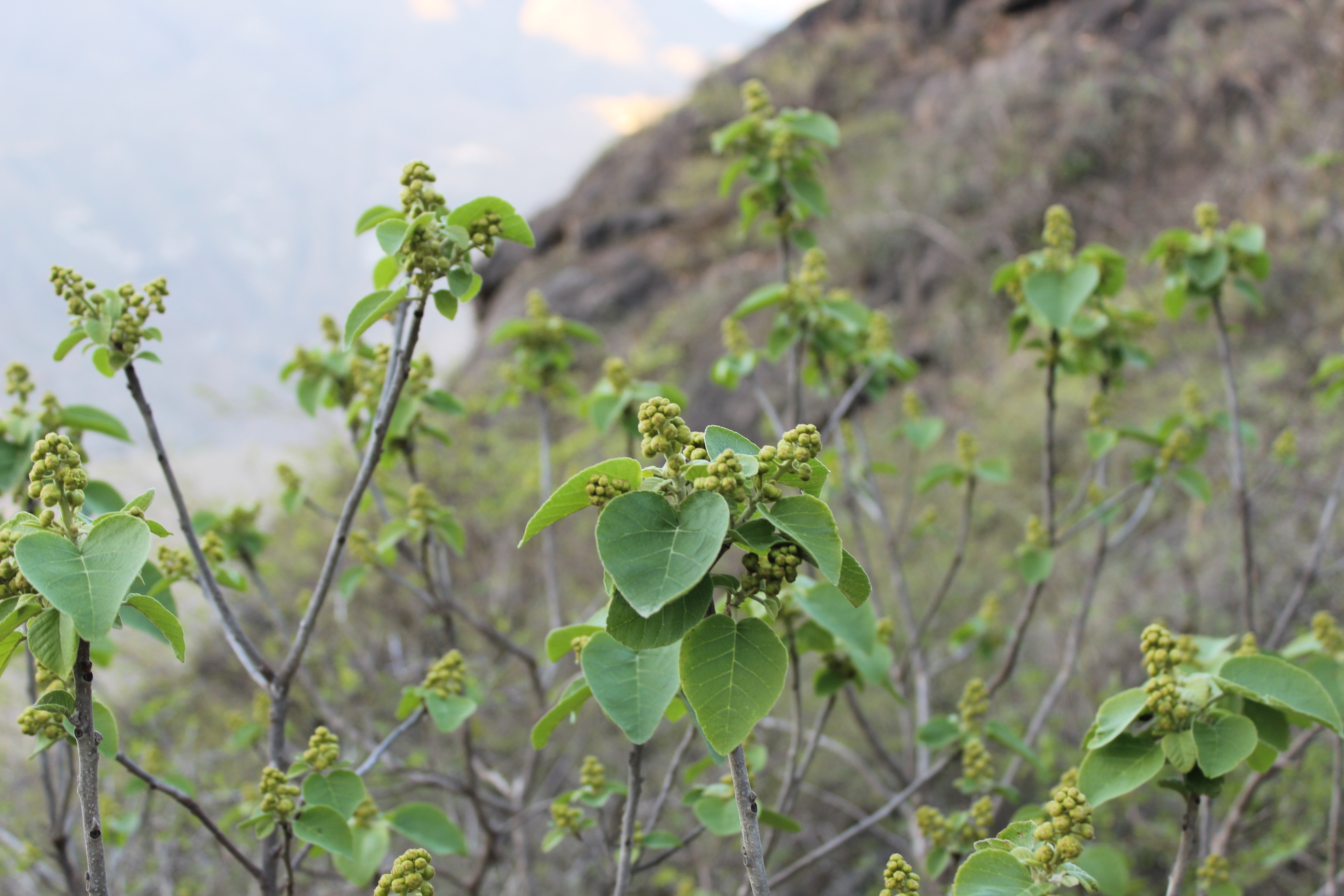
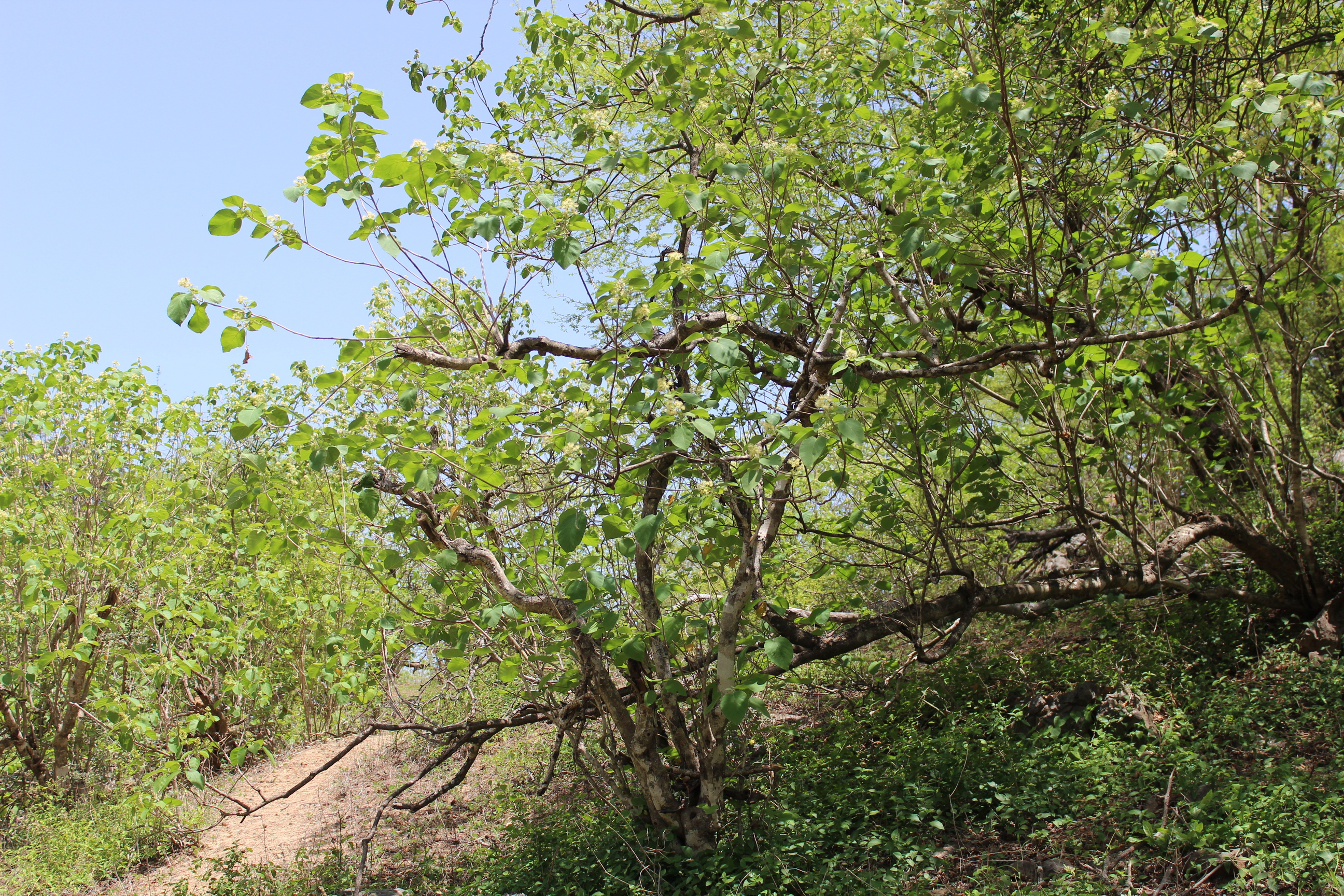
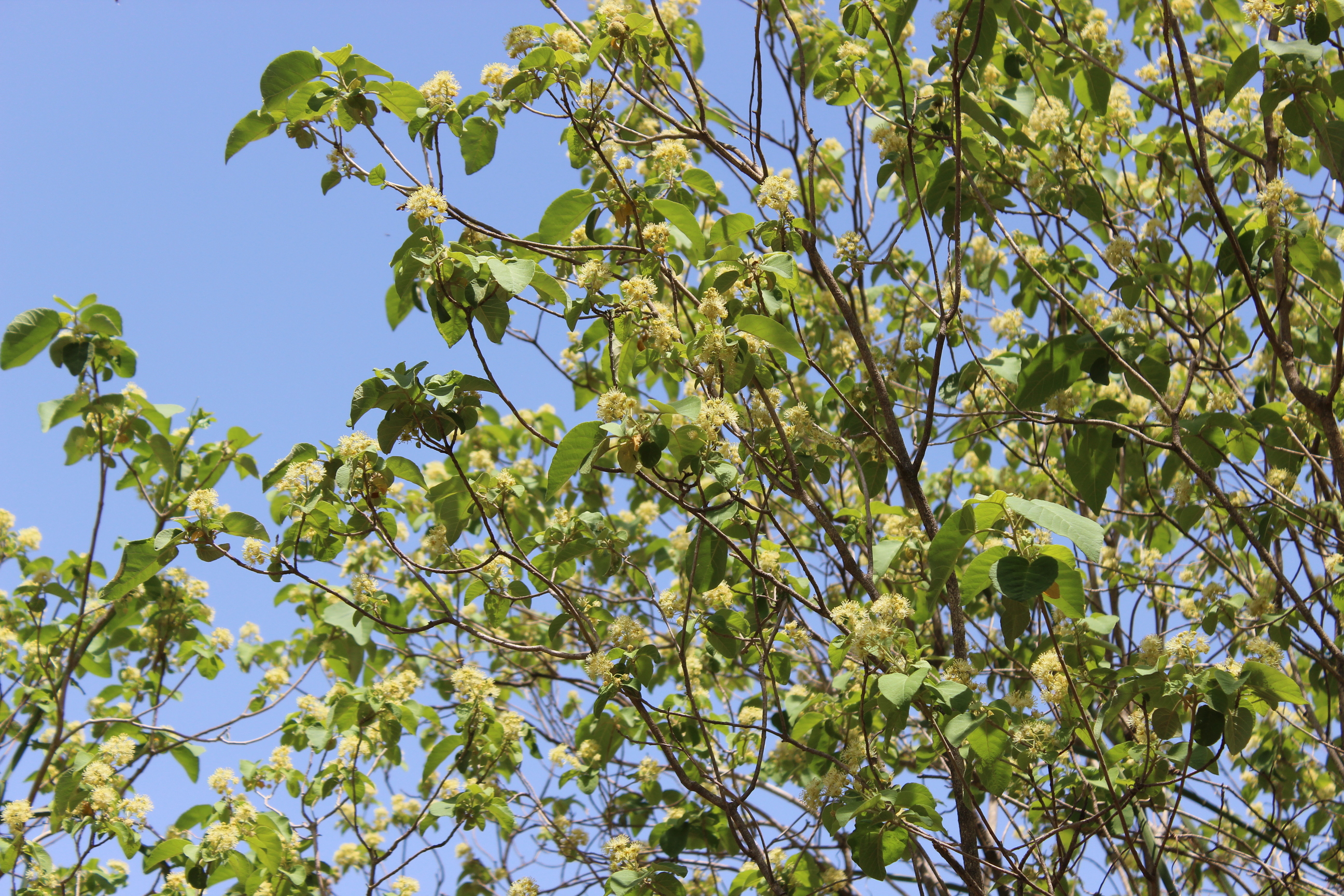
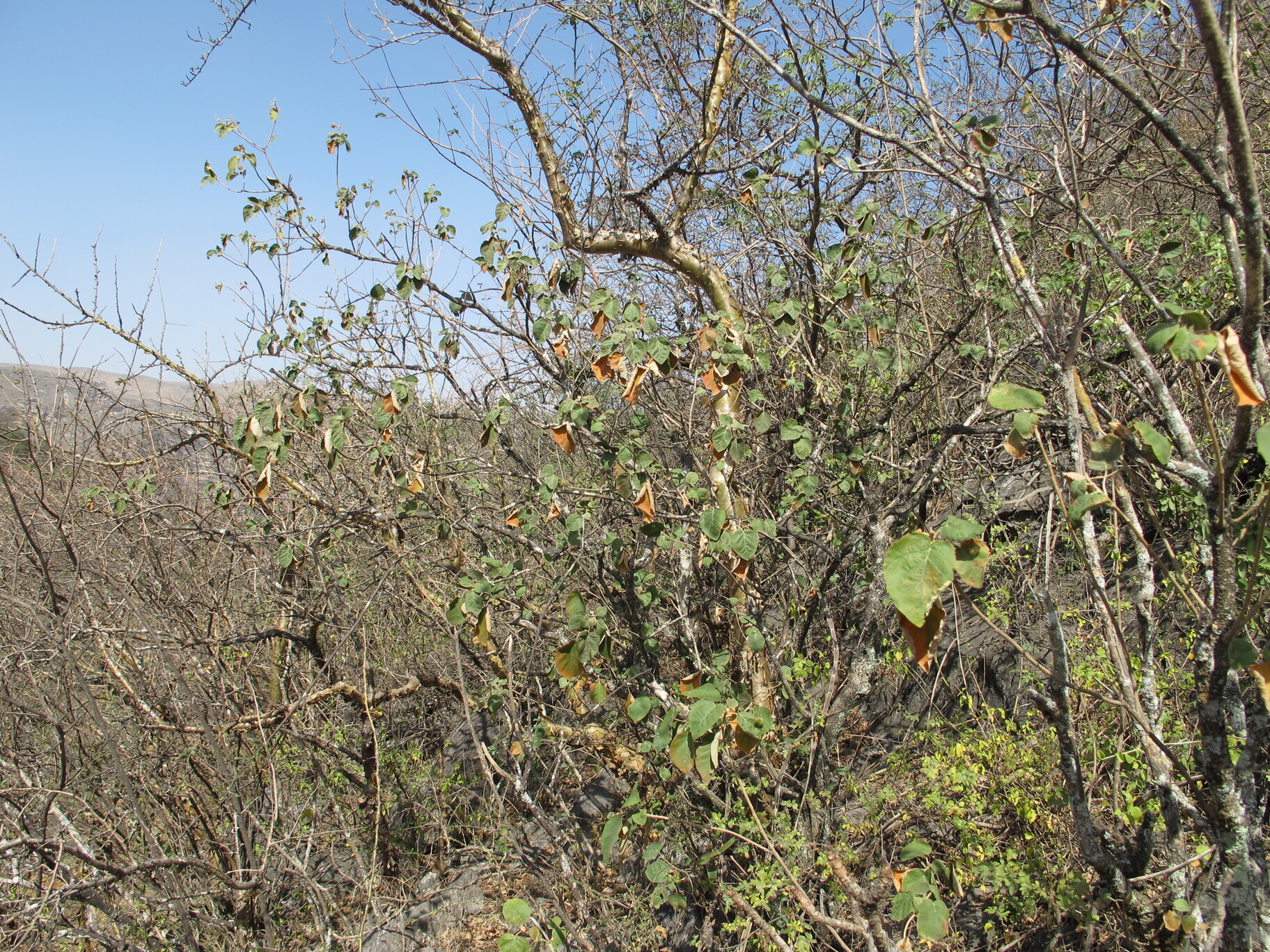
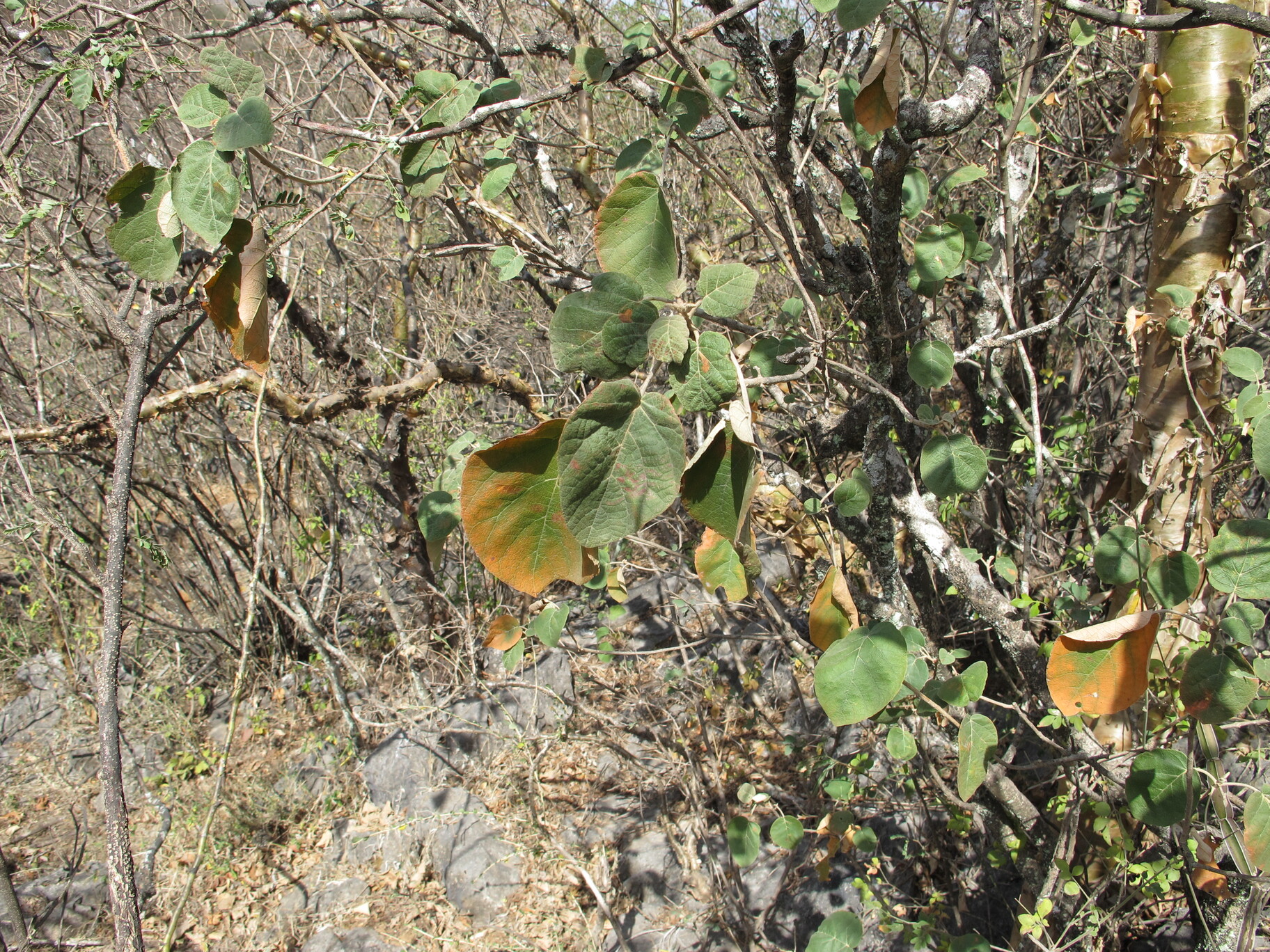
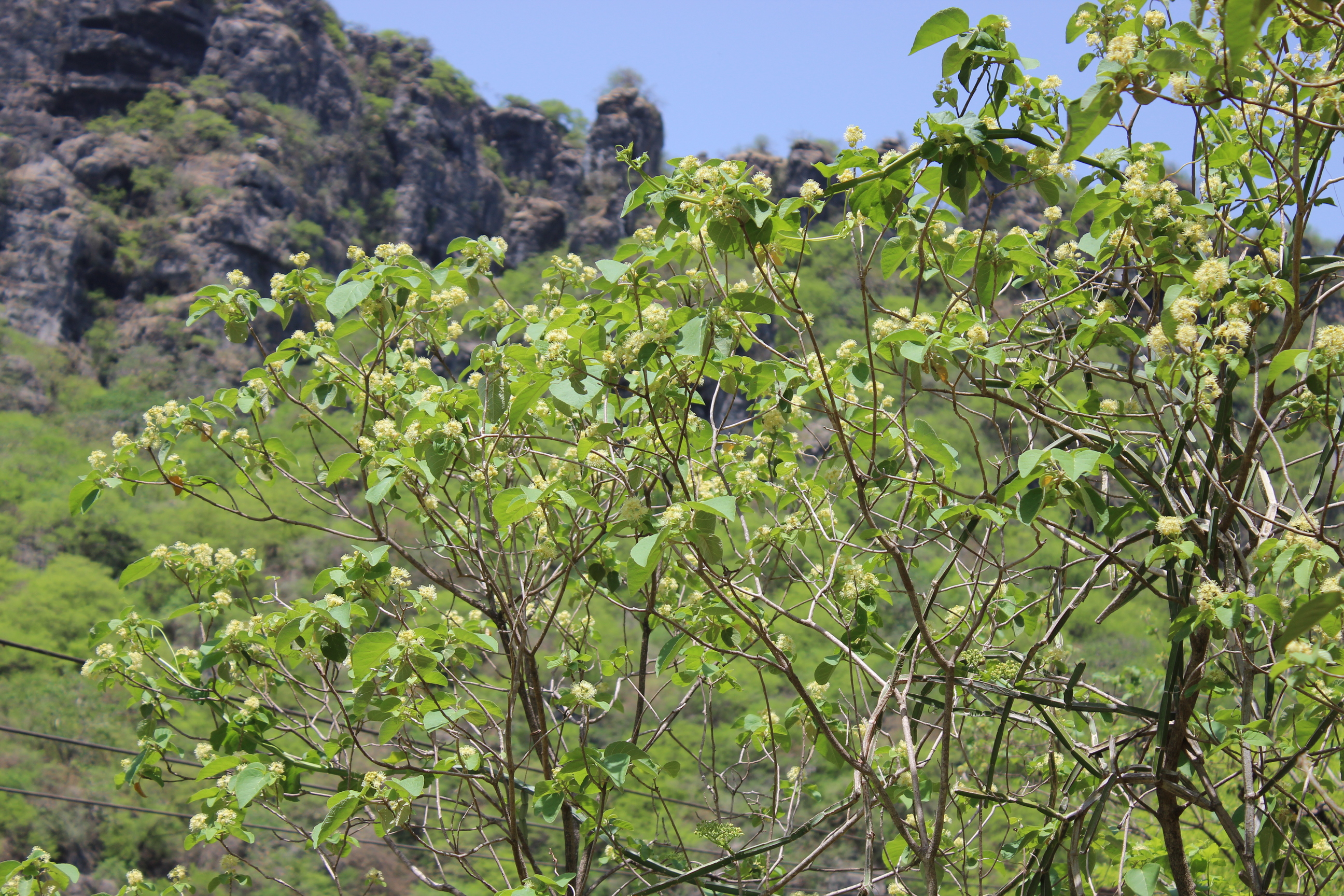
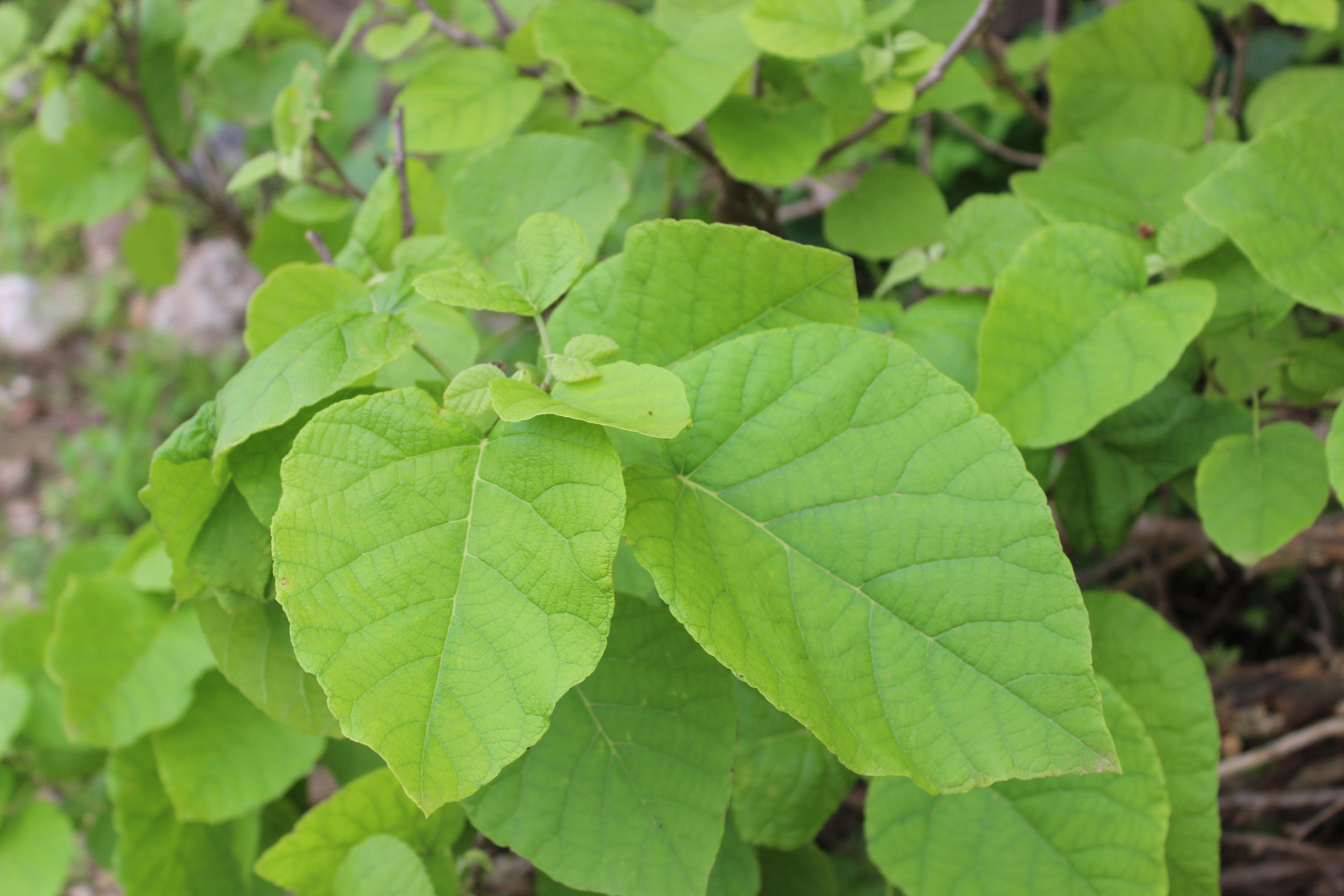
Deciduous , shrub or small tree ; up to 3-5 m tall , aromatic . Stems with young twigs densely covered by silvery or pale brown , deeply fringed scales ; bark smooth , grey . Leaves alternate , 5-12 x 3-9 . 5 cm , yellow-green , ovate to broadly-ovate , apex rounded to acute , base cordate , with two minute subsessile glands , margin entire or sometimes sinuate , veins prominent on the undersurface ; petiole 5-13 cm . Inflorescences racemose , terminal , to 8 cm long . Flowers monoecious with male flowers above and female flowers below and opening first . Male flowers: sepals 5-8 , broadly ovate , fused at base , stellate-pubescent ; petals 3-5 , ± 4 mm , oblong ; stamens exserted . Female flowers: sepals 5 ; petals absent ; ovary 3-4 locular , densely stellate-pubescent ; style arms 3-4 , each dichotomously branched again . Fruit capsule , 10-15 mm in diameter , subglobose , pale brown , covered by brownish spreading stellate hairs . Seeds ± 8 x 4 . 5 mm , oblong-ovoid , pale brown . (Ref . Flora of Oman ; vol . 2) .
No Data
Not Evaluated (NE)
Common
الوصف غير متاح حاليًا
Not available
No data
maintenanceAr.Item1
Not known
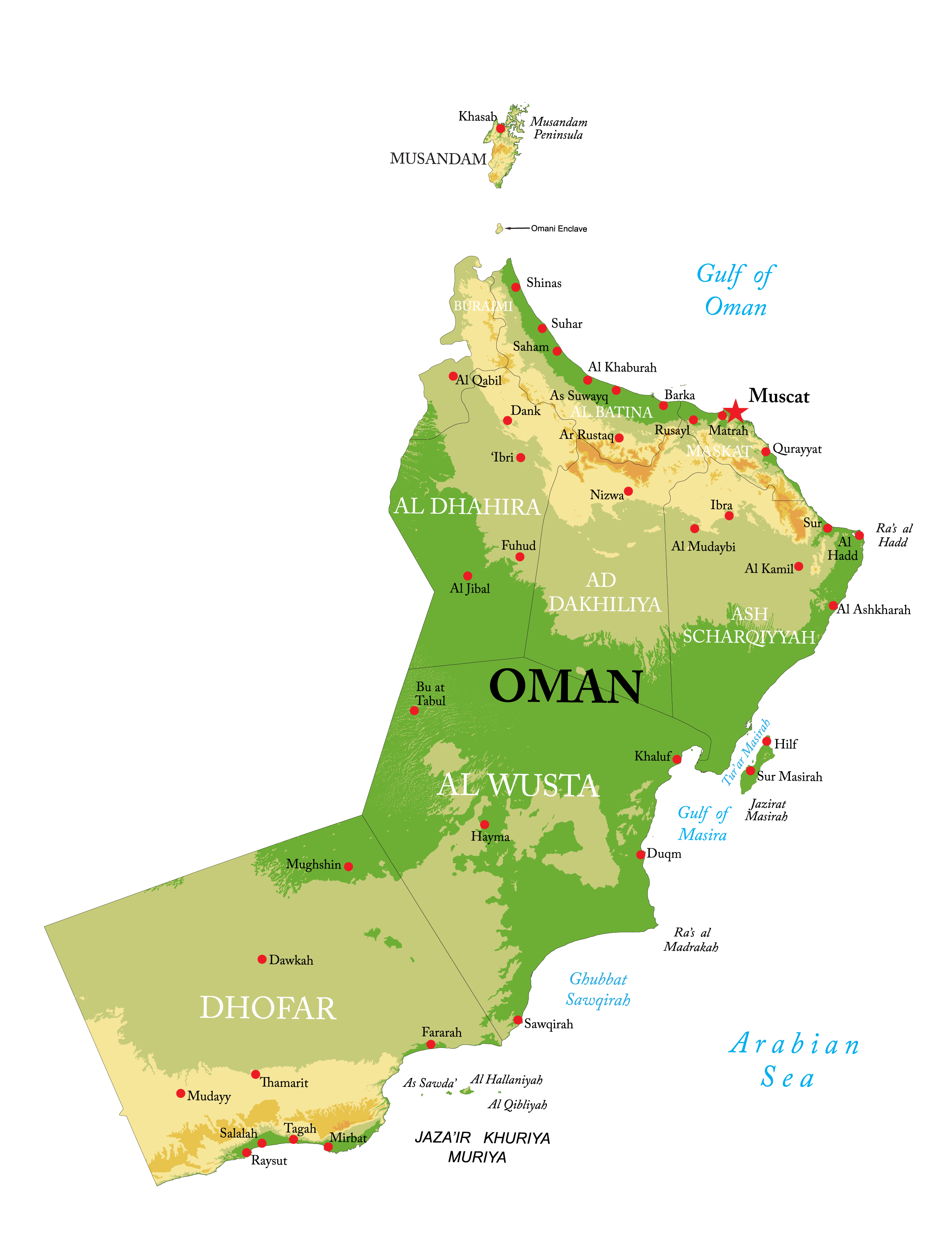
In Omani studies: Miller & Morris (1988) wrote that: "The leaves of this tree which grows in the monsoon-affected areas of Dhofar, (and particularly in the lower foothills) change colour seasonally to a very pretty orange and yellow, giving an autumnal flavour to the areas where they grow. Livestock browse the new growth, but are less keen on the tougher mature leaves. The lovely flowers are popular with bees and - strikingly so - with butterflies, which can be seen clustering around them during the flowering season. The young growing tips [J: hizof, or askut] were made into a tisane which was taken as a tonic and to purify the blood. The young growing tips, lightly bruised, could also be added to cooking meat in place of salt, but using too much of the plant gave the meat an unpleasantly bitter and acrid flavour. The new tips were also used
...

*Ghazanfar, S. (2007). Flora of the Sultanate of Oman, vol.2: Crassulaceae – Apiaceae. Meise, National Botanic Garden of Belgium (Scripta Botanica Begica, Vol. 36). ISBN 9789072619747 ISSN 0779-2387. *https://en.wikipedia.org *https://en.wiktionary.org *Gledhill, D. (2008). The Names of Plants. Fourth Edition. Cambridge University Press, UK. ISBN 978-0-521-86645-3 ISSN 978-0-521-68553-5. *Miller, A., Morris, M. (1988). Plants of Dhofar, the Southern Region of Oman: Traditional, Economic, and Medicinal Uses. Published by Office of the Adviser for Conservation of the Environment, Diwan of Royal Court, Sultanate of Oman; ISBN 10: 0715708082 ISSN 13: 9780715708088. *POWO (2023). ""Plants of the World Online. Facilitated by the Royal Botanic Gardens, Kew. Published on the Internet; http://www.plantsoftheworldonline.org
