Naturalised

Monoecious . Evergreen herbaceous or semi-woody large shrub or small tree ; up to 2 m tall , with woody base and a single , hollow older stems . Stems erect , branched , pale bluish-green or reddish tinged , glabrous . Leaves alternate , up to 20(-70) cm long and wide , glossy green , star-shaped , palmately 5-11-lobed ; lobes acute , margin serrate , glabrous ; stipules soon deciduous ; petiole 20-30 cm , stout with conspicuous oil gland near the base . Inflorescences terminal , paniculate , up to 20(-40) cm long . Flowers monoecious , with red female flowers above and white male flowers below . Male flowers: sepals 2-5 , ± 4 x 5 mm , connate at base ; petals absent ; stamens numerous with branched filaments . Female flowers: sepals 2-5 , connate at base ; petals absent ; ovary 3-locular , covered in green soft spines . Fruit capsule , c . 12 x 12 mm , subglobose , white , with dark , soft spines , dehiscing explosively . Seeds c . 1 . 5 x 0 . 5 mm , oblong-ellipsoid , mottled brown , shiny , bean-like , with a white
...

No Data
Not Evaluated (NE)
Common
الوصف غير متاح حاليًا
Ricinus communis var. genuinus Müll.Arg.
Ricinus communis var. typicus Fiori
No data
maintenanceAr.Item1
Castor Oil Plant
Castor Bean
Castor Bean Plant
Palm of Christ
African Wonder Tree
Mole Bean Plant
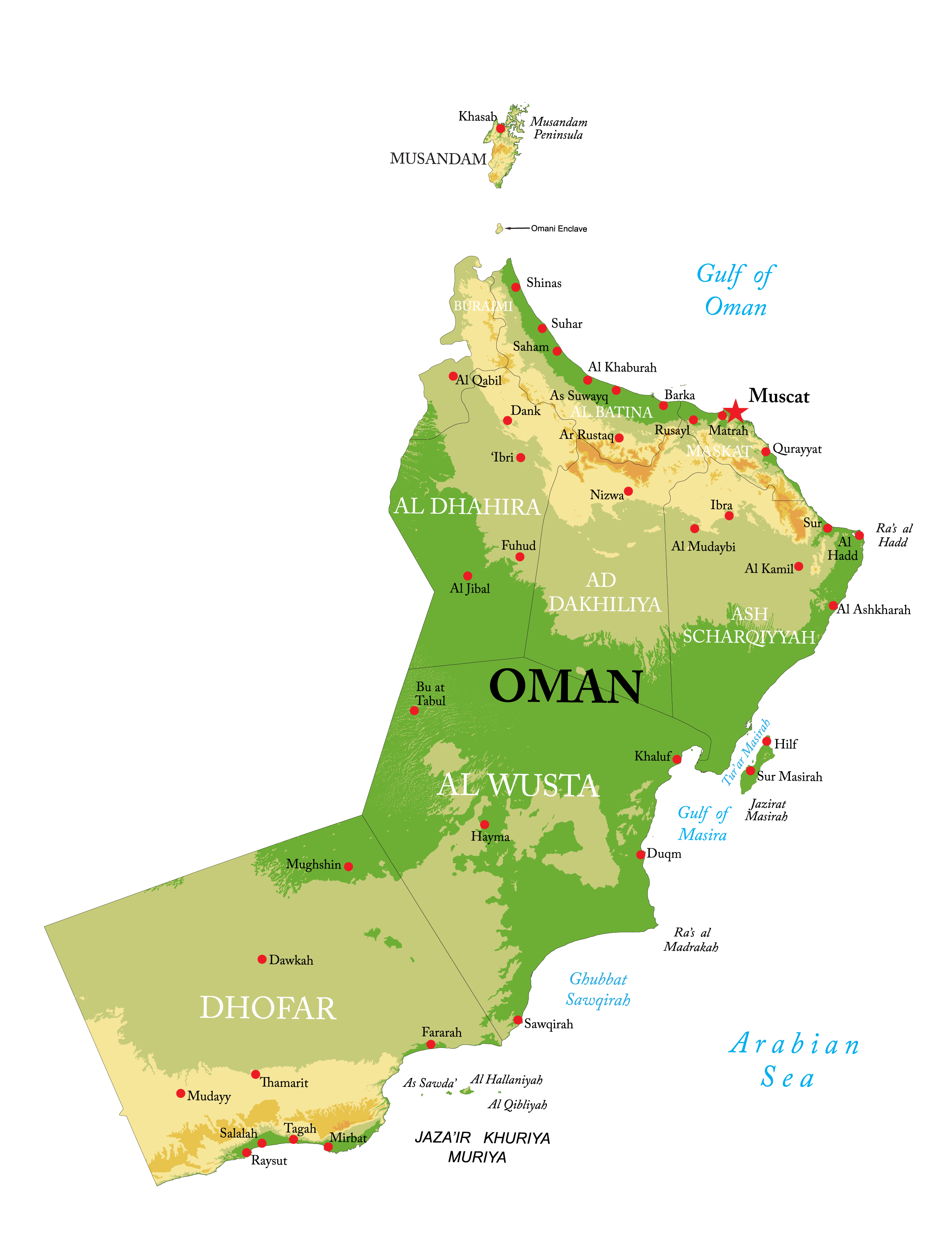
In Omani studies: Miller & Morris (1988) wrote that: "In Dhofar, oil was not made from the seeds for use as a laxative, there being many alternatives readily available. In Dhofar the plant grows near the coast wherever the water table is close to the surface and is thus found in most of the runoffd and flood beds, especially in the coastal plains, although it is also found inland. Its foliage is toxic to livestock, who on occasion eat the fallen leaves in error or browse the live green foliage in years of drought. These can be fatally toxic especially to smaller or younger livestock, but larger animals usually recover. The fallen seeds, or very unripe ones, have been taken in very small doses as an abortifacient in desperation, but this was well recognised as being very risky and dangerous. The wood was considered to be completely useless, in fact
...
*Ghazanfar, S. (2007). Flora of the Sultanate of Oman, vol.2: Crassulaceae – Apiaceae. Meise, National Botanic Garden of Belgium (Scripta Botanica Begica, Vol. 36). ISBN 9789072619747 ISSN 0779-2387. *https://en.wikipedia.org *Gledhill, D. (2008). The Names of Plants. Fourth Edition. Cambridge University Press, UK. ISBN 978-0-521-86645-3 ISSN 978-0-521-68553-5. *Miller, A., Morris, M. (1988). Plants of Dhofar, the Southern Region of Oman: Traditional, Economic, and Medicinal Uses. Published by Office of the Adviser for Conservation of the Environment, Diwan of Royal Court, Sultanate of Oman; ISBN 10: 0715708082 ISSN 13: 9780715708088. *Pickering, H. Patzelt, A. (2008). Field Guide to the Wild Plants of Oman. Kew publishing, Royal Botanic Garden, Kew. ISBN 9781842461778. *Patzelt, A. (2015). Photographic Field Guide to the Plants of the Western Hajar Mountains, Sultanate of Oman: with a complete checklist of vascular plant species. Sultan Qaboos University – Academic Publication and Outreach Department. P.O Pox (17) Postal Code (123), Muscat,
...
