
Spiny shrub ; up to 1 m tall , with pale brown to grey bark and forming clumps up to 2 m across . Stems and branches woody , pale whitish brown , armed with paired , straight or curved spines at the nodes ; side shoots often condensed so spines sometimes closely packed together . Leaves bi-paripinnate , each with 2-6 pairs of pinnae ; each pinna with (2-)3-5 pairs of leaflets ; leaflets 2-17 x 2-12 mm , opposite , oblong-elliptic to suborbicular , apex rounded to emarginated , base unequal , margin entire , glabrous or thinly pubescent . Inflorescences in short terminal or axillary racemes . Flowers yellow-green ; sepals 5 , green tinged red , 3-10 mm , unequal , oblong , the lower longest and concave ; petals yellow-green , 4-8 mm , sybequal , broadly ovate to suborbicular , uppermost smallest ; stamens 10 , filaments alternately longer and shorter , base filaments and anthers densely white-woolly . Fruit pod , 20-45 x 9-11 mm , flattened , glabrous , reddish at maturity , 5-6-seeded . Seeds flattened . (Ref . Flora of Oman ; vol . 2) .
No Data
Least Concern - Global Assessment
Not Common
الوصف غير متاح حاليًا
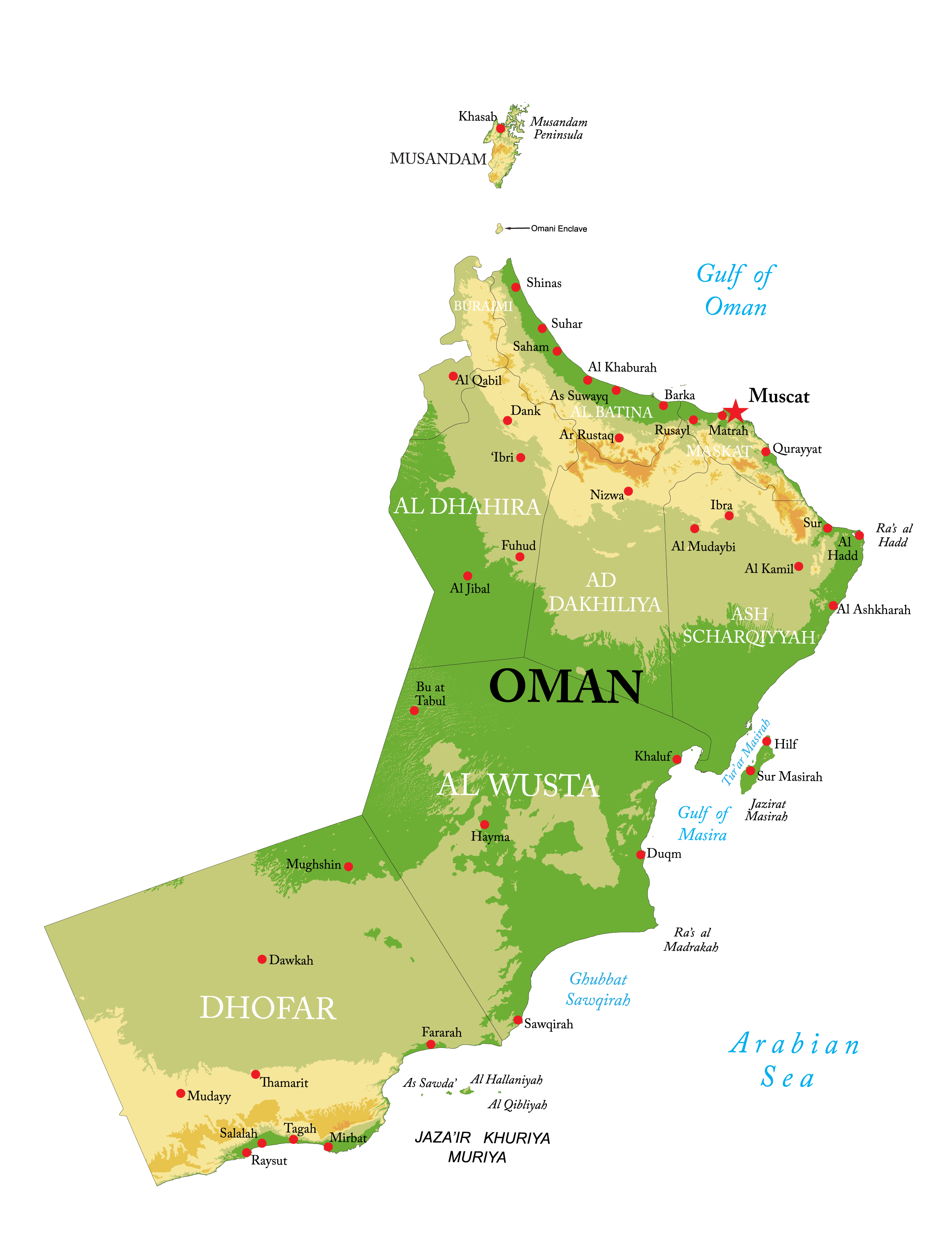
Caesalpinia courboniana Baill.
Caesalpinia erianthera Chiov.
Denisophytum eriantherum var. pubescens (Brenan) Gagnon & G.P.Lewis
No data
maintenanceAr.Item1
Not known
Miller & Morris (1988) wrote that: "The leaves, and even more so, the pods of this plant are toxic to livestock, especially to smaller or younger animals. Goats who browse the plants develop tremors and fits of of head-shaking - sometimes fatal in a young or sickly animal. The larger branches were formerly collected, and the dark red-brown heartwood was extracted, broken up and taken home to be used in the manufacture of various incense preparations. This heartwood was considered to be an acceptable substitute for the expensive imported [J, DA: ud] woods (the wood of various iris and peony species, sandalwood or aloeswood - Aquilaria malaccensis, or A. agallocha) on sale in the markets. It would be crushed and mixed with other ingredients, such as musk, myrrh, frankincense, perfumed oils, liquidamber (Liquidambar orientalis) or storax (Styrax officinalis) [J, DA: mi a] and the dried opercula of certain seashells [J,
...

*POWO (2022). ""Plants of the World Online. Facilitated by the Royal Botanic Gardens, Kew. Published on the Internet; http://www.plantsoftheworldonline.org *Ghazanfar, S. (2007). Flora of the Sultanate of Oman, vol.2: Crassulaceae – Apiaceae. Meise, National Botanic Garden of Belgium (Scripta Botanica Begica, Vol. 36). ISBN 9789072619747 ISSN 0779-2387. *https://en.wikipedia.org *Miller, A., Morris, M. (1988). Plants of Dhofar, the Southern Region of Oman: Traditional, Economic, and Medicinal Uses. Published by Office of the Adviser for Conservation of the Environment, Diwan of Royal Court, Sultanate of Oman; ISBN 10: 0715708082 ISSN 13: 9780715708088. * https://www.missouribotanicalgarden.org
