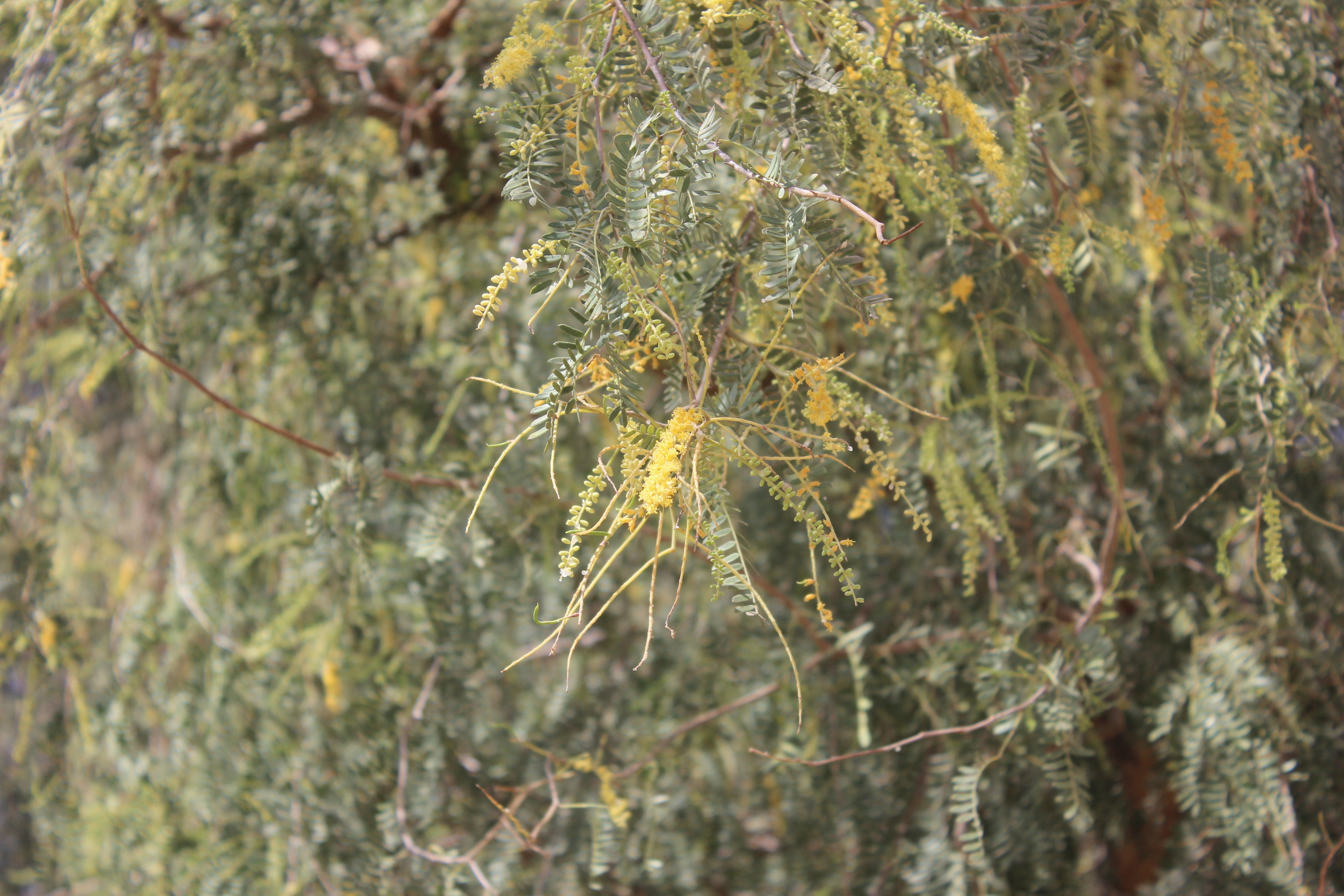
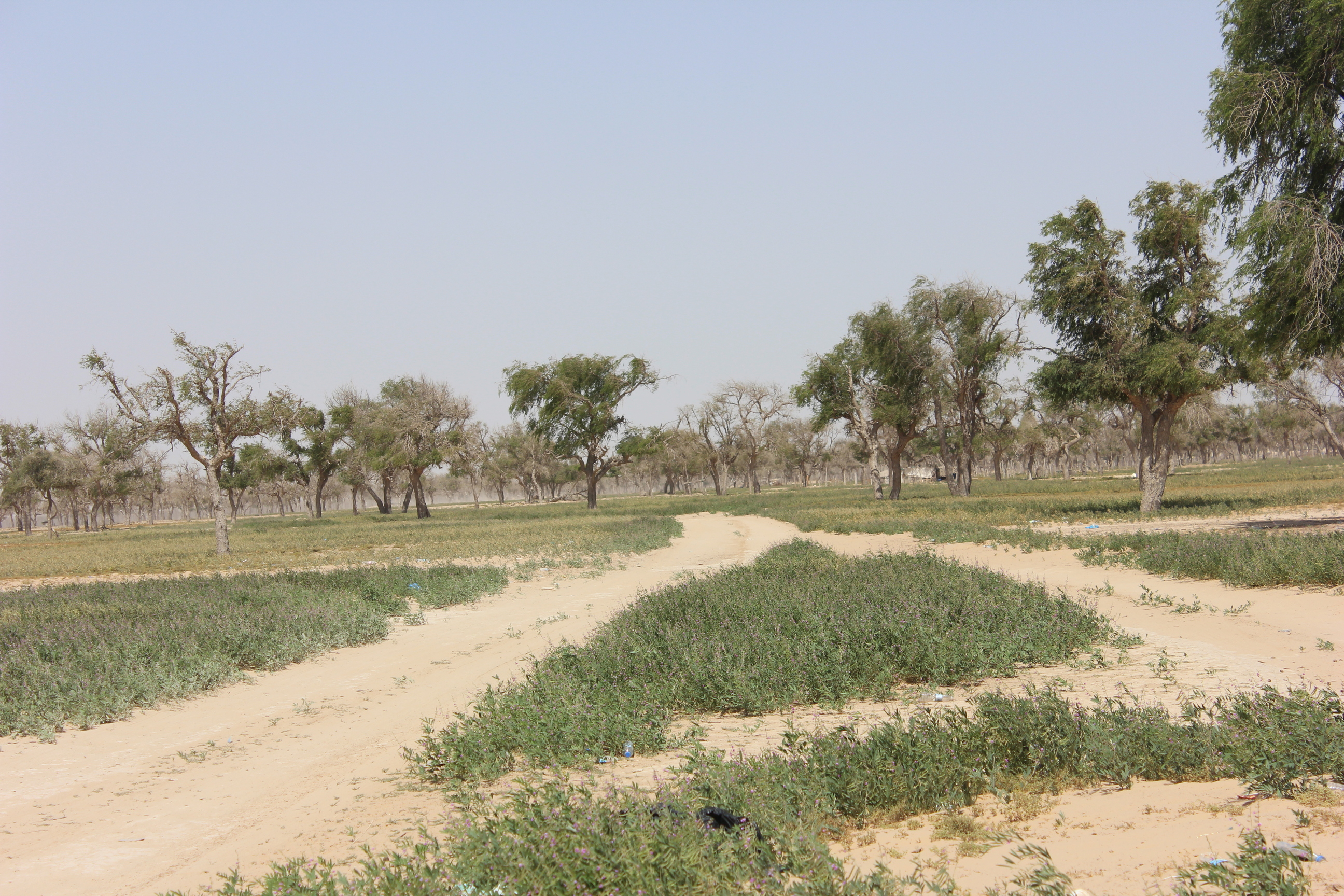
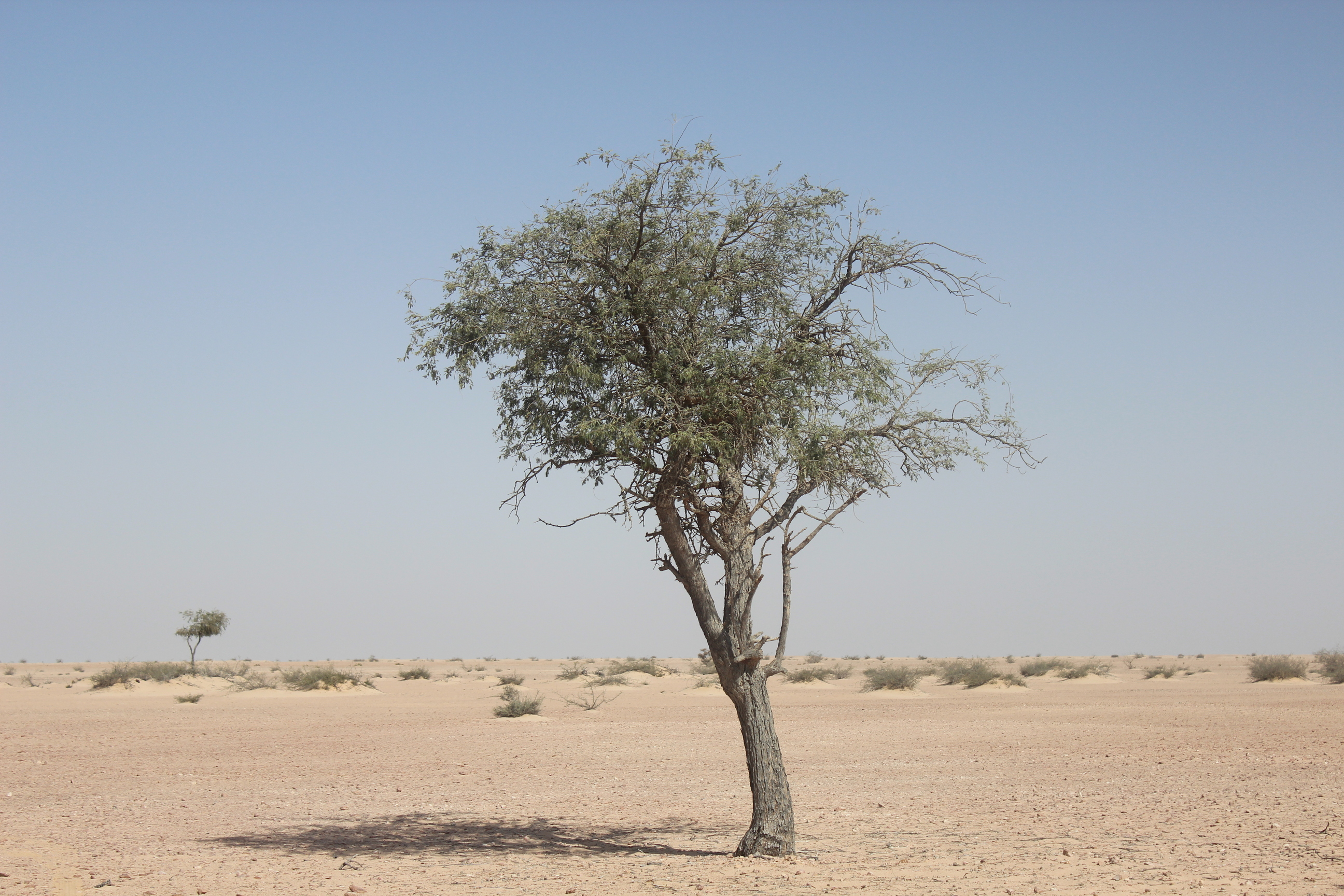
Prosopis_cineraria_2 © OBG
Prosopis_cineraria_3 © OBG
Prosopis_cineraria_4 © OBG
Prosopis_cineraria_5 © OBG
Prosopis_cineraria_6 © OBG
Prosopis_cineraria_7 © OBG
Prosopis_cineraria © OBG
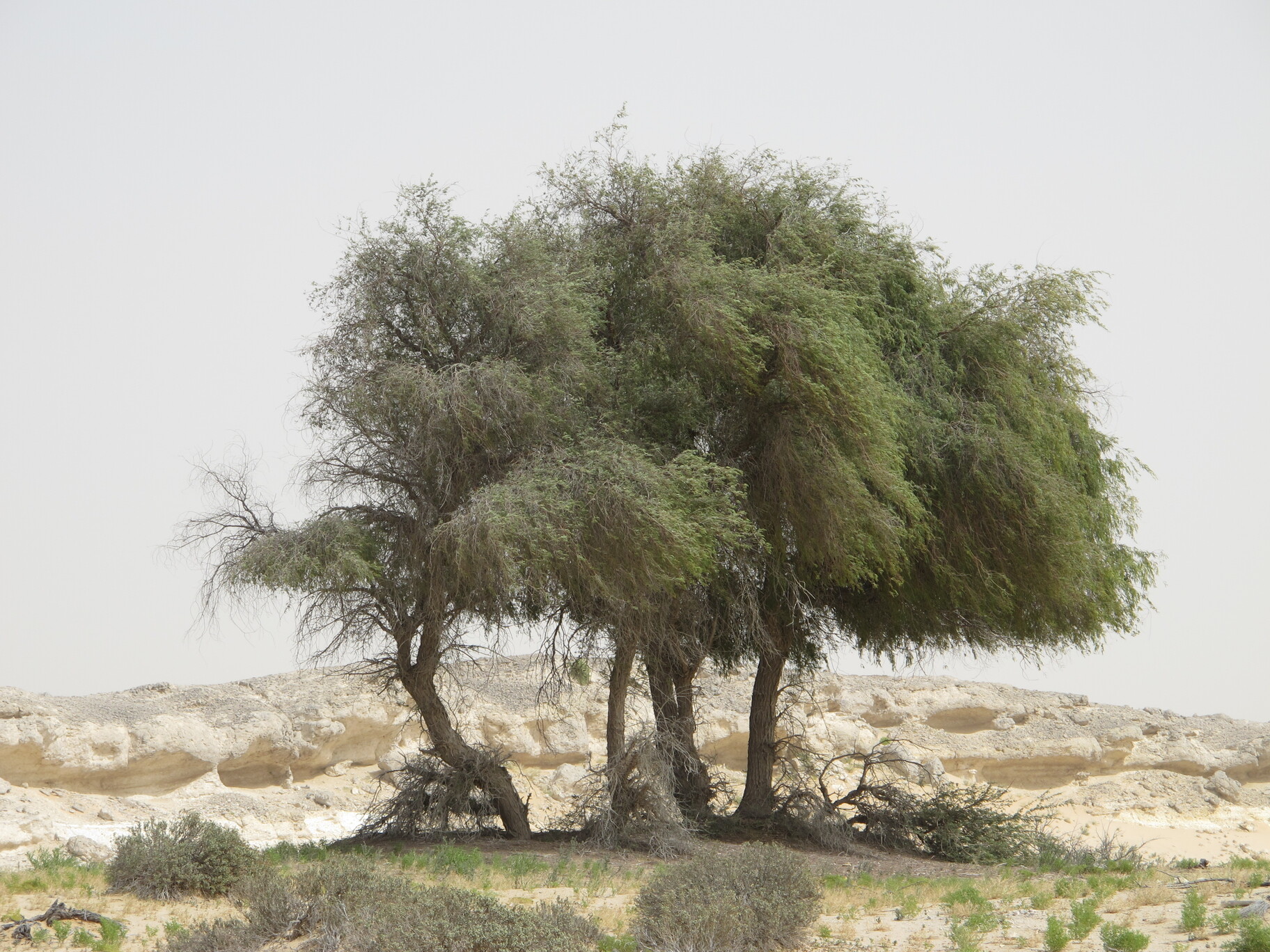
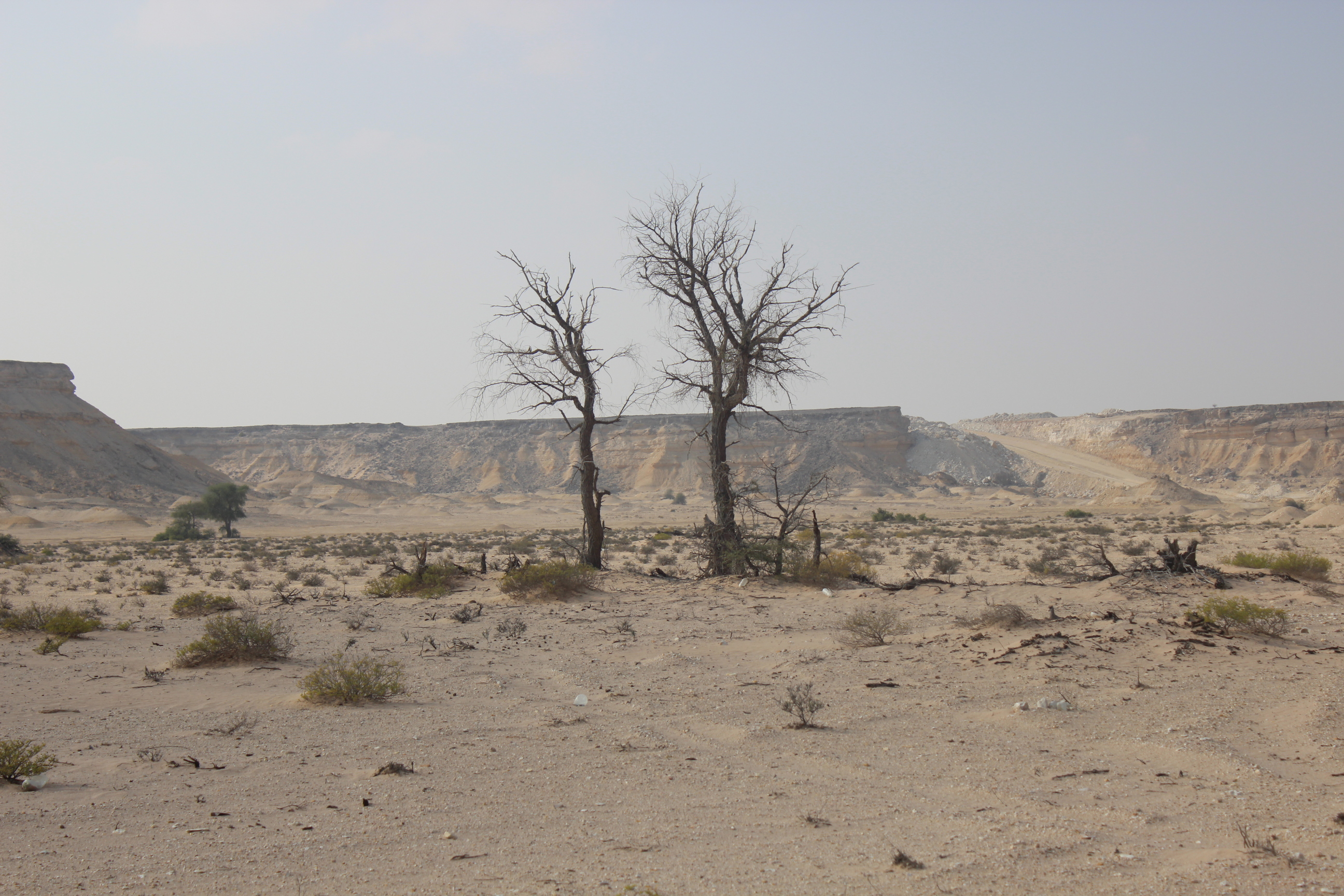
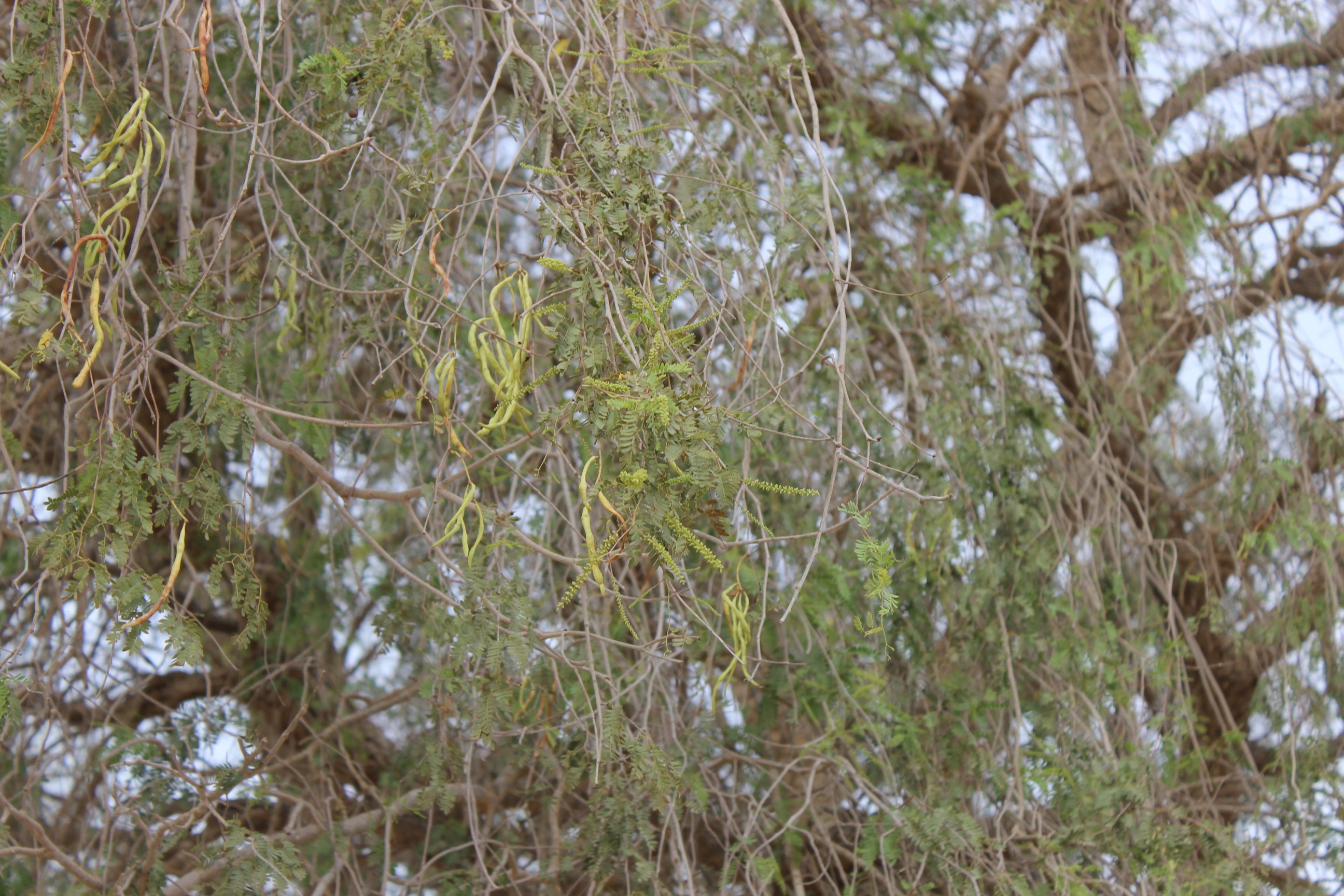
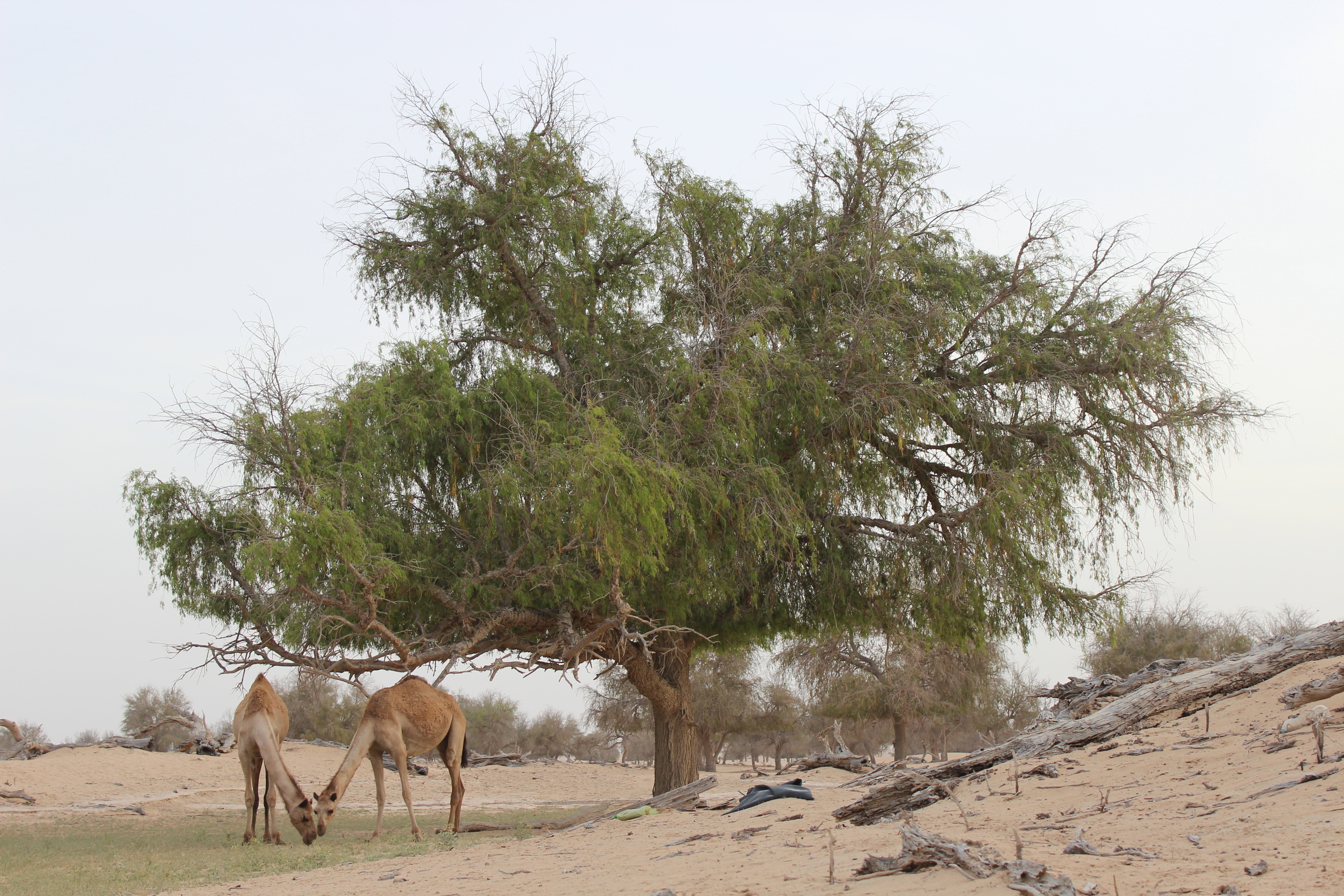
Large , evergreen tree ; up to 10 m high , with a dense often rounded crown , and fissured , thick , rough , grey bark . Stems and branches droop and bear many short spines between the leaf nodes . Leaves alternate , grey-green , drooping on the branches , compound , divided into two pinnae each with 6-16 paired leaflets . Inflorescences on cylindrical spikes borne in leaf axils ; spikes up to 5 cm long . Flowers small , pale yellow ; calyx 5-lobed ; stamens 10 , exserted . Fruit pod , 8-18 x 7-10 mm , reddish brown when mature , slightly curved , 5-15-seeded . (Ref . Flora of Oman ; vol . 2) .
No Data
Not Evaluated (NE)
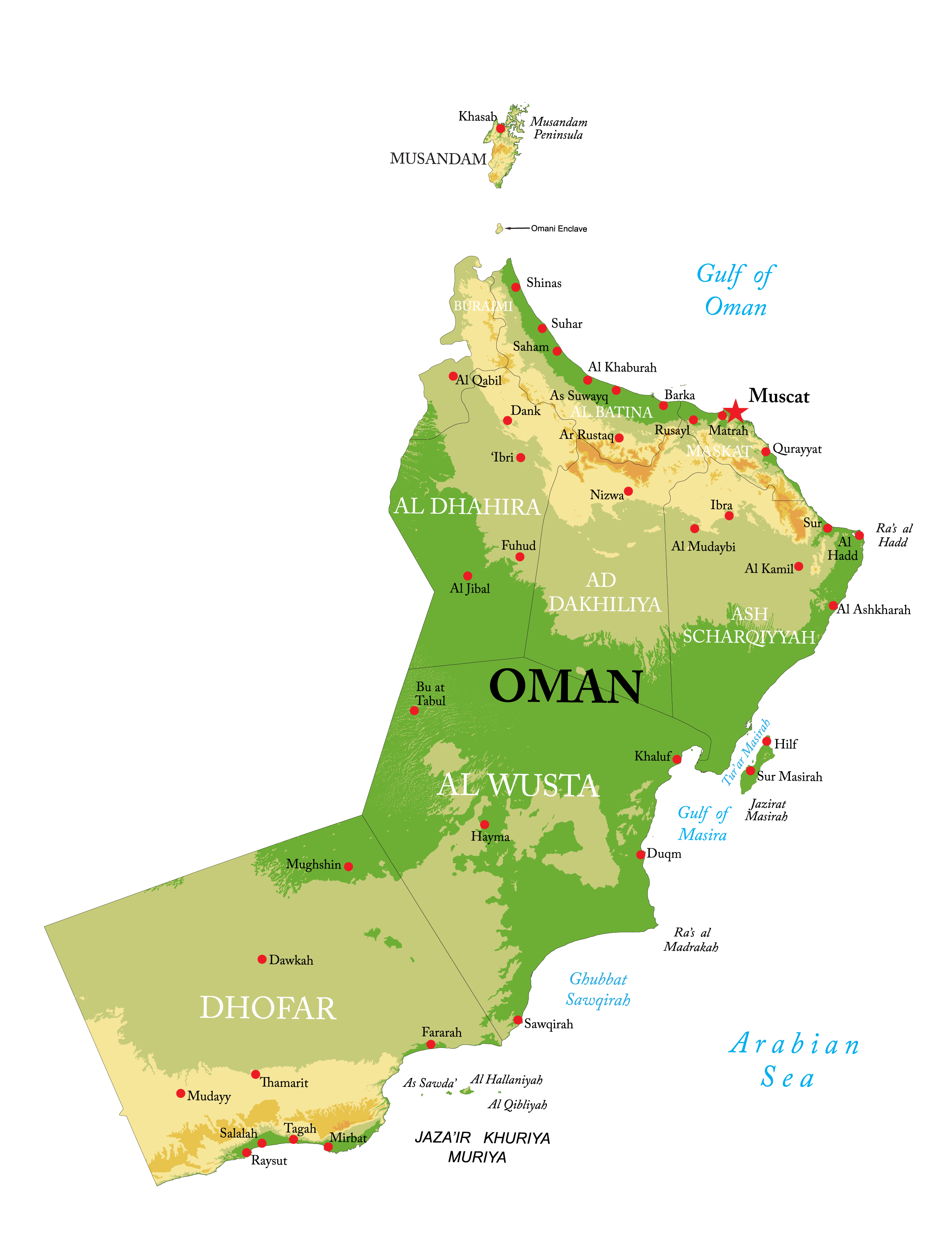
Common
الوصف غير متاح حاليًا
Adenanthera aculeata (J.Koenig ex Roxb.) W.Hunter
Mimosa cineraria L.
Prosopis spicata Burm.f.
Prosopis spicigera L.
This tree is propagated by seeds. Steps to follow: • Pre-treat with water, soaking seeds for 24 hours to get good result. • Sow collected seeds in seed tray filled with a ratio of 3 peat moss; 1 compost, 5 cm apart. • Irrigate the seed tray three times a week. • Germination commences from 2–41 days. Seed germination of this species is good and average germination is around 72%.
maintenanceAr.Item1
Screw-Bean
Spunge Tree
Jand
In the central desert of Oman, the pod 'hanbal' is edible. The dry outer skin of the bark collected and burnt to ash which later applied to treat scabies in camels. (Ref. Oman Botanic Garden). In Omani studies: Richardson and Dorr (2003) wrote that: "Hardwood is an important but limited material, used for small items such as camel saddles, tent posts and pegs, spindles, camel sticks and cross-bars for weaving looms. The leaves are cropped by camels, and the tree offers a precious modicum of shade for travellers. Camel-borne axe (qaddum) of hand-forged steel, with hammer head, mounted on a handle of ghaf wood is carried in the camel bag by Wahaybah tribesmen of central and northern Oman when travelling". (Ref. The Craft Heritage of Oman). In addition, Ghazanfar (2007) mentioned that: "Providing shade and browse for bedouins livestock. Extensively browsed by camels, and pods used as fodder. Leaves, bark
...

*POWO (2022). ""Plants of the World Online. Facilitated by the Royal Botanic Gardens, Kew. Published on the Internet; http://www.plantsoftheworldonline.org *Ghazanfar, S. (2007). Flora of the Sultanate of Oman, vol.2: Crassulaceae – Apiaceae. Meise, National Botanic Garden of Belgium (Scripta Botanica Begica, Vol. 36). ISBN 9789072619747 ISSN 0779-2387. *https://en.wikipedia.org *Richardson, N. Dorr, M. (2003). The Craft Heritage of Oman; vol. 2. Published by Motivate publishing. ISBN 1-86063-1584. *Gledhill, D. (2008). The Names of Plants. Fourth Edition. Cambridge University Press, UK. ISBN 978-0-521-86645-3 ISSN 978-0-521-68553-5. *Pickering, H. Patzelt, A. (2008). Field Guide to the Wild Plants of Oman. Kew publishing, Royal Botanic Garden, Kew. ISBN 9781842461778.
