
Tree or rarely a large shrub ; up to 4 m tall , with rounded crown and dark greyish brown bark , scaly and fissured , sometimes flaking , rough . Stems many ; young branches greyish brown with prominent lenticels , densely pubescent ; prickles (just below the nodes) arranged in threes at the nodes , the central curving down-wards and the lateral curving upwards . Leaves with 5-8 pairs of pinnae ; leaflets 7-25 pairs , 3 . 5-4 x 2 mm , oblong , pale green , pubescent , ciliate on margins only or subglabrous . Inflorescences sessile , on pedunculate spikes , up to 9 cm long . Flowers white to cream ; calyx 2-3 mm , 5-lobed , pale green , glabrous or slightly pubescent ; corolla 5-lobed , white with pale green central stripe , glabrous ; stamens many , exserted . Fruit pods , (3 . 5-)6 . 5-9 x 1 . 8-2 cm , flattenend with thickened edges , green when young , brown-red when mature with distinct lateral veins , slightly constricted in between the seeds , 2-5-seeded . Seeds 8–12 mm , ± subcircular-lenticular . (Ref . Flora of
...

Oman ; vol . 2) .
No Data
Not Evaluated (NE)
Frequent
الوصف غير متاح حاليًا
Acacia senegal (L.) Willd.
Acacia oliveri Vatke
Mimosa senegal L.
This tree is propagated by seeds. Steps to follow: • Pre-treat with water, soaking seeds for 24 hours to get a good result. • Sow collected seeds in seed tray filled with a ratio of 3 peat moss: 1 compost, 5 cm apart. • Irrigate the seed tray three times a week. • Germination commences from 2–6 days. Seed germination of this species is low and average germination is around 51%.
maintenanceAr.Item1 maintenanceAr.Item3
Gum Acacia, Gum Arabic Tree, Sudan Gum
Sudan Gum Arabic
Gum Senegal Tree
Kordofan Gum
Bushy Three-Thorn Acacia, Slender Three-Thorned Acacia, Three-Thorned Acacia
Algarrobo River
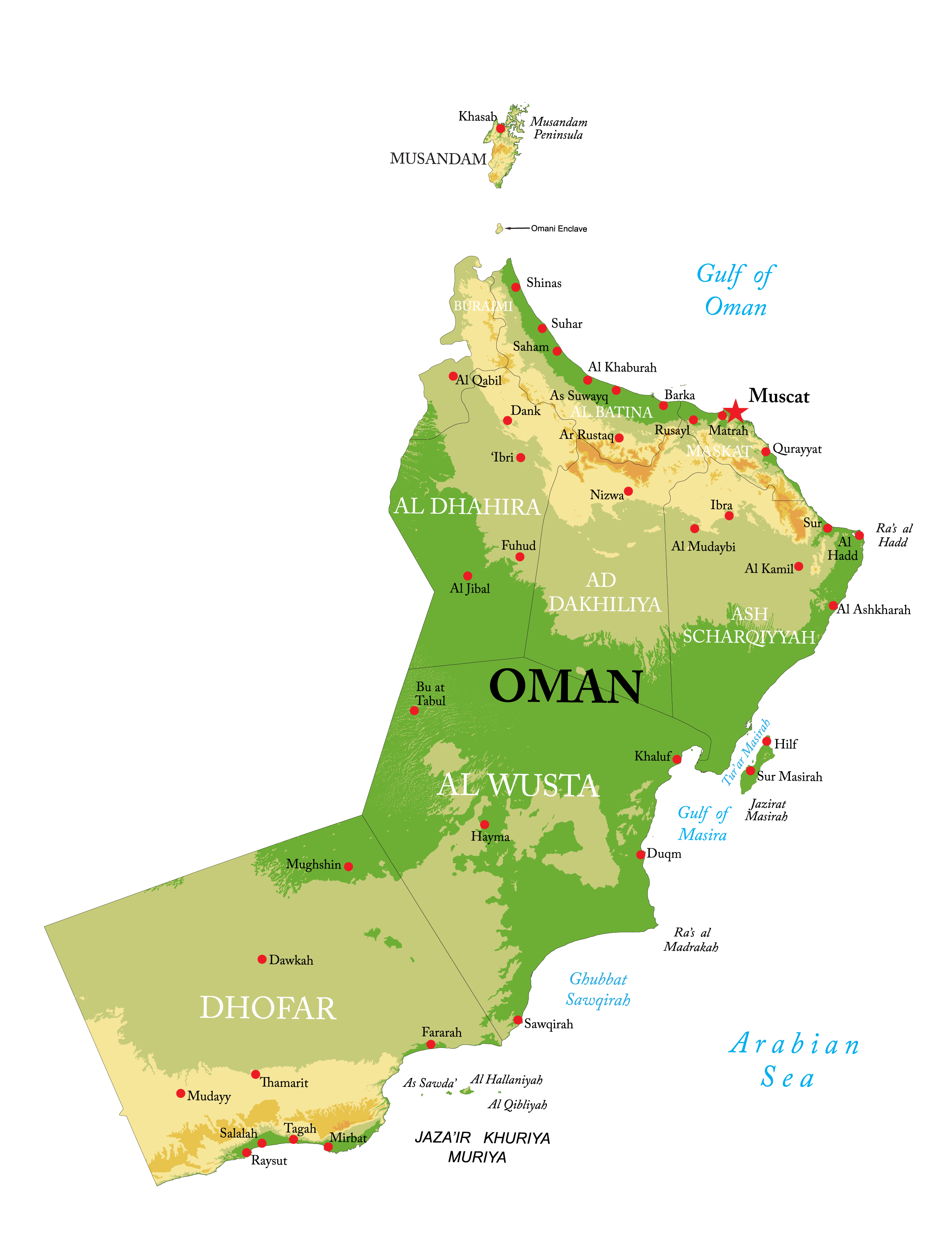
In Omani studies: Miller & Morris (1988) wrote that: "Acacia senegal was one of the most important trees of Dhofar, being found both in the drier areas and in the monsoon mountains, and had many uses, medicinal and otherwise. As construction material the wood was excellent, especially for livestock pens, making a dense, thorny and impenetrable wall. The foliage is a much appreciated fodder, especially for goats and camels, and has the reputation among herders of increasing the fatness of their livestock and the richness of their milk. The slim, strong branches were formerly woven into fish traps [J: kerkor], being first cut and split vertically into strips suitable for weaving. Medicinally, the bark [J: kizfot etur] was important. It was dried, sometimes by scorching at the fire, then crushed to a powder and used to pack a dirty infected wound to disinfect it and ward off infection and gangrene.
...
Slices of the underbark [J: enfegot z tur] were also used as a tanning agent (often with material from A. etbaica added for strength) for leather which was to be made up into more personal and decorative articles - rather than the more prosaic and utilitarian artifacts - where a clear, rich red colour was required in the finished product. The dead wood was an important source of tinder: the dead branch would be cracked open, and the dry interior [J: nus z tur] be crumbled to a sawdust-like consistency and stored for future use. The live wood was made into all sorts of items of daily use, such as the baby cradle [J: feddet] and the firestone tongs [J: ma abdeb] used to remove red-hot stones from the fire to scald the freshly drawn milk - indeed into any item where strong, fine-grained wood was required. It also made excellent firewood which was as appreciated as that of A. tortilis for its qualities of burning slowly and giving out intense heat while producing very little smoke. The flowers [J: te] are an important world bee forage and honey source. The pods [J: ayzifit] are excellent nourishment for sickly, delicate or parturient livestock. The milk yield of parturient livestock fed on these pods increases, and its taste becomes distinctively sweet and scented. After rain, the young leaves [J: rgod] (a general word used for rain-produced grazing or browse) appear, and these leaves are heavily browsed. They were gathered as fodder [J: kunum] with the fodder hook, a long staff with a hooked end made either from a branch of the tree itself, or from branches cut from other trees which provide straight and strong branches, such as Anogeissus or Olea species. Sometimes branches of the tree were bent down until their tips touched the ground where they were wedged or weighted down with heavy rocks or short hooked sticks so that the smaller livestock could browse the foliage. Or the whole tree was beaten with a heavy stave [J: muxbit] to cause the leaves and twigs to drop to the ground where a piece of material was usually spread to catch them as they fell, so that the fodder could be easily transported back to the settlements. Cutting of live branches was formerly frowned on and was punishable by a blow to the shoulder of the cutting arm or to the temples, and great care was taken not to break or damage this tree in any way, in so high a regard was it held. The wood made excellent charcoal which formerly commanded a good price. In particular this tree was valued for the resin it produced [J: emlox, DA: samg]. This is of two kinds - a white or clear crystalline one called [J: gob z tur] which is regarded as being useless, and a dark reddish-brown one, which is the one with medicinal value. It could either be used fresh, just as collected from the tree, or allowed to dry out and stored for future use. When needed, it was prepared in a variety of ways. It was ground to a powder and mixed with some fat or grease and used to anoint the whole body to strengthen it and as a general tonic, to keep the body warm and to protect it against disease. The fresh resin was also used as a depilatory (as in other parts of the Middle East, where the gum is mixed with olive oil, and occasionally with the brain of a goat or sheep to produce a depilatory used by both sexes), though the latex of Euphorbia balsamifera, the resin of the frankincense tree or of Commiphora habessinica were usually preferred for this purpose. The resin was also left to dissolve in water overnight - it is almost completely soulble in water - and drunk on an empty stomach in the morning as a remedy for pain in the chest, especially that stabbing pain in the centre of the chest called [J, DA: fegg], which was a common ailment believed to result from a tear in the chest wall caused by carrying too heavy a load. Eating a lot of this resin caused flatulence and some discomfort in the stomach, but was regarded as highly as beestings [J: gid] for cleansing and purifying the entire digestive system and as being extremely beneficial to the health of the whole body. Eating it was also said to strengthen the muscles of the abdomen and make the stomach hard and flat. The resin is indeed highly nutritious, and contains valuable minerals, such as calcium, magnesium, potassium and traces of other salts. In Dhofar it was considered safe and nutritious even for children, and was as important in medicinal remedies as the juice of the Aloe dhufarensis [J: tuf]. The fresh resin was also used as a strong adhesive". (Ref. Plants of Dhofar). In addition, Ghazanfar (2007) mentioned that: "The tree yields the true gum arabic used in medicines, confectioneries and varnishes. The resin is also used as a strong adhesive. Bark and resin are believed to be antiseptic and have been used in traditional medicine as a plaster for setting bones and as a general tonic. The foliage is browsed by cattle". (Ref. Flora of Oman; vol. 2).
*POWO (2022). ""Plants of the World Online. Facilitated by the Royal Botanic Gardens, Kew. Published on the Internet; http://www.plantsoftheworldonline.org *Ghazanfar, S. (2007). Flora of the Sultanate of Oman, vol.2: Crassulaceae – Apiaceae. Meise, National Botanic Garden of Belgium (Scripta Botanica Begica, Vol. 36). ISBN 9789072619747 ISSN 0779-2387. *https://en.wikipedia.org *Miller, A., Morris, M. (1988). Plants of Dhofar, the Southern Region of Oman: Traditional, Economic, and Medicinal Uses. Published by Office of the Adviser for Conservation of the Environment, Diwan of Royal Court, Sultanate of Oman; ISBN 10: 0715708082 ISSN 13: 9780715708088. *Gledhill, D. (2008). The Names of Plants. Fourth Edition. Cambridge University Press, UK. ISBN 978-0-521-86645-3 ISSN 978-0-521-68553-5. *Pickering, H. Patzelt, A. (2008). Field Guide to the Wild Plants of Oman. Kew publishing, Royal Botanic Garden, Kew. ISBN 9781842461778.