
Large shrub ; up to 3 m tall , with flat-topped crown , and grey-reddish-brown , fissured bark . Stems much-branched , grey-puberulous ; twigs sometimes almost unarmed ; spines stipular , paired , up to 5 mm , straight and curved . Leaves pinnate , in fascicles of 2-5 ; pinnae 5-7 pairs ; leaflets 9-30 pairs , 0 . 5-4 x 1-1 . 5 mm , oblong . Inflorescences of axillary globose heads , 7-10 mm across , pedunculate , pubescent . Flowers cream to pale-yellow , fragrant ; calyx ± 1 mm ; corolla ± 3 mm ; stamens well exserted . Fruit pod , 5-7 x 0 . 7-10 mm , flattened , dark reddish-brown or purplish brown , often glossy , dehiscent , 3-7-seeded . Seeds 4-5 mm , ovoid , brown . (Ref . Flora of Oman ; vol . 2) .
No Data
Not Evaluated (NE)
Frequent
الوصف غير متاح حاليًا
Acacia etbaica subsp. uncinata Brenan
This tree is propagated by seeds. Steps to follow: • Pre-treat with warm water, soaking seeds for 24 hours. • Sow collected seeds in seed tray filled with a ratio of 3 peat moss: 1 compost, 5 cm apart. • Irrigate the seed tray three times a week. • Germination commences from 4–7 days. Seed germination of this species is low and average germination is around 26%.
maintenanceAr.Item1
Not known
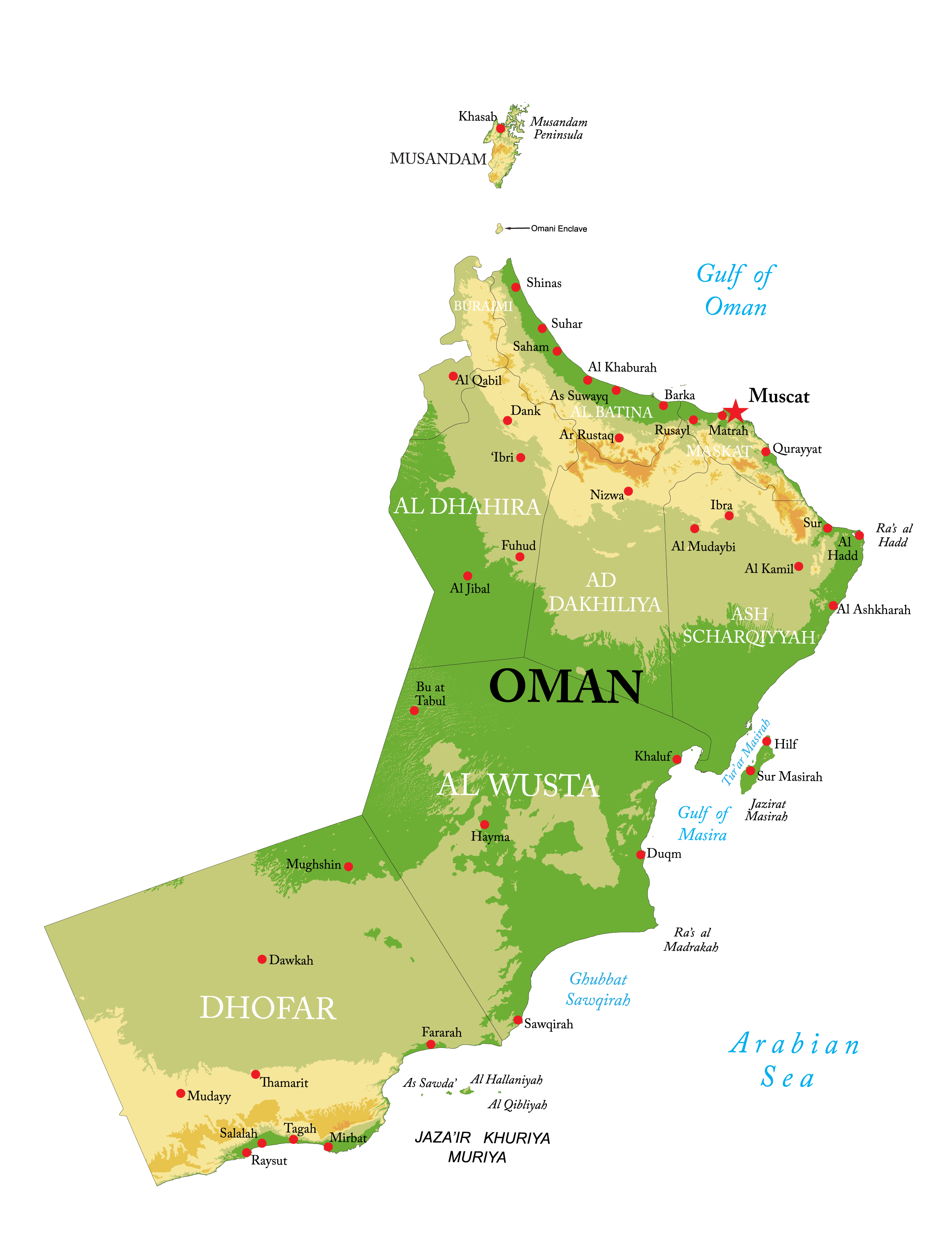
Miller & Morris (1988) wrote that: "Acacia etbaica was a tree of the greatest economic importance in eralier times. In the days when most of the basic and indispensable utensils and articles of daily use such as water skins, milk skins, and butter skins (as well as a host of other bags, containers, straps, ropes and thongs) were made from leather which was prepared in the home, a good tanning agent was of prime importance, and this tree was considered to provide the best of those available in Dhofar. This tree grows plentifully in a rather restricted ecological zone - in the very high and dry plateaux, beyond the reach of the annual rains and often in association with Dracaena trees. To obtain the tanning agent, the branches were cut and allowed to dry out, and were then beaten with staves until all the leaves, fruit, growing tips and slighter
...

*POWO (2022). ""Plants of the World Online. Facilitated by the Royal Botanic Gardens, Kew. Published on the Internet; http://www.plantsoftheworldonline.org *Ghazanfar, S. (2007). Flora of the Sultanate of Oman, vol.2: Crassulaceae – Apiaceae. Meise, National Botanic Garden of Belgium (Scripta Botanica Begica, Vol. 36). ISBN 9789072619747 ISSN 0779-2387. *https://en.wiktionary.org *https://en.wikipedia.org *https://www.marinespecies.org *Miller, A., Morris, M. (1988). Plants of Dhofar, the Southern Region of Oman: Traditional, Economic, and Medicinal Uses. Published by Office of the Adviser for Conservation of the Environment, Diwan of Royal Court, Sultanate of Oman; ISBN 10: 0715708082 ISSN 13: 9780715708088. *Richardson, N. Dorr, M. (2003). The Craft Heritage of Oman; vol. 1. Published by Motivate publishing. ISBN 1-86063-1576.
