
Evergreen tree ; up to 6 m tall , with somewhat flattened crown . Stems much-branched ; bark dark brown , rough , fissured and cracking ; spines stipular , paired , grey-white , up to 8 cm long . Leaves alternate , with 5-12 pairs of pinnae ; leaflets 12-28 pairs , 1 . 5-2 mm , oblong , ± densely pubescent . Inflorescences of axillary globose heads , ± 2 cm , pedunculate , peduncle pubescent . Flowers white to pale-yellow , mildly fragrant (sweet-scented) , bisexual ; calyx ± 2 mm ; corolla ± 3 mm . Fruit pod , 4-15 x 1-1 . 5 cm , falcate , slightly curved , dark red to reddish brown , mostly puberulous , dehiscent , ± 12-seeded . Seeds ± 7 mm , ovoid , compressed . (Ref . Flora of Oman ; vol . 2) .
No Data
Least Concern (LC) - Global Assessment
Not Common
الوصف غير متاح حاليًا
Acacia gerrardii Benth. subsp. gerrardii
Acacia pachyceras O. Schwartz
A. gerrardii subsp. negevensis Zohary
A. gerrardii var. najdensis Chaudhary
A. pachyceras var. pachyceras Boulos
No data
maintenanceAr.Item1
Red Thorn
Grey-Haired Acacia
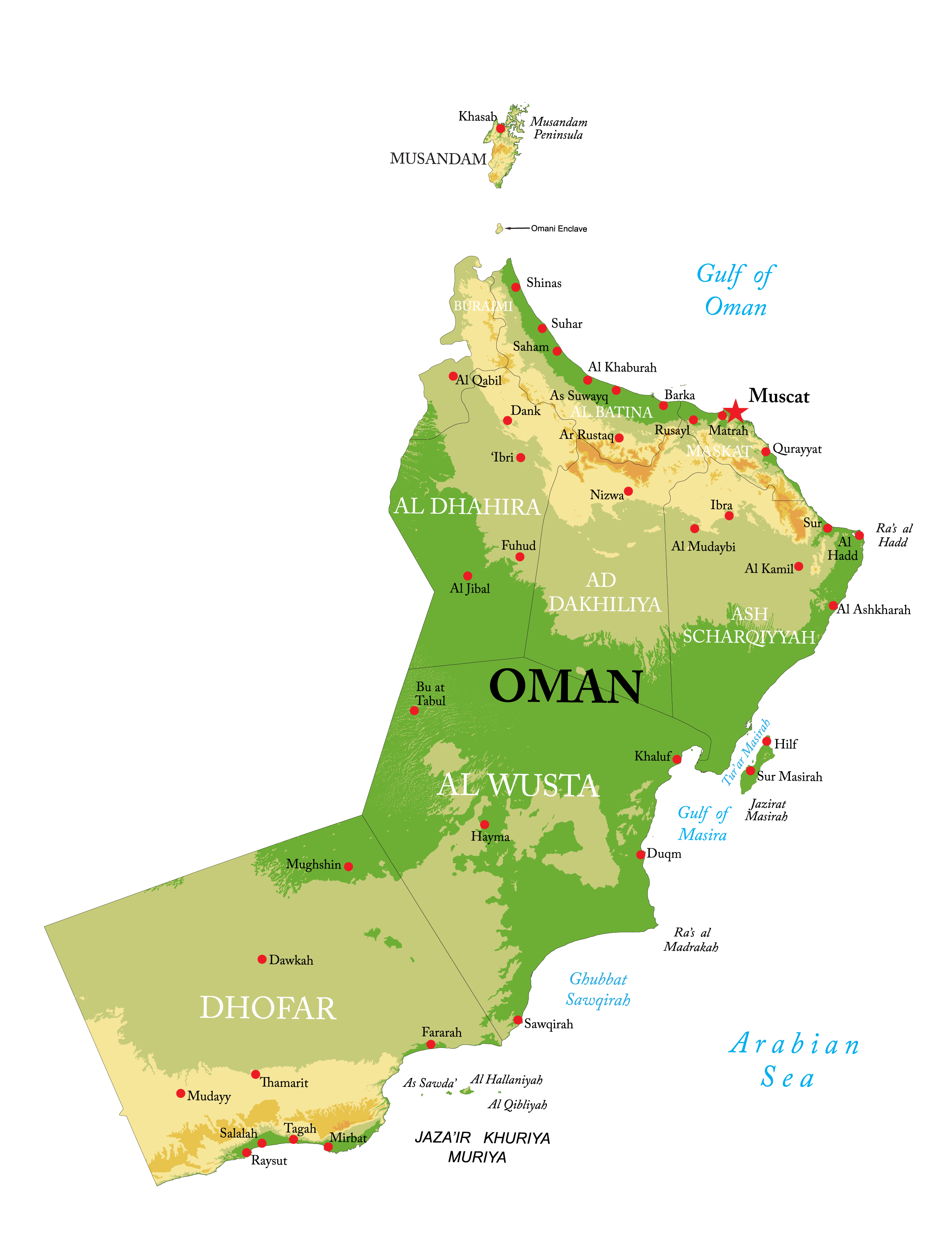
Miller & Morris (1988) wrote that: "Acacia gerrardii is not as common as Acacia senegal, or A. etbaica, occuring in the high plateaux at the back of the monsoon afftected mountains, such as the stretch of raised pleatu which begins just east of Jibjat and runs east-west, called Sheheb Akherif. It is commonly found in association with trees such as Euclea schimperi, Cordia perrotettii and Acacia senegal in such areas. The foliage is browsed by camels and goats, as are the pods, but as these trees (more than the other acacias in Dhofar) grow to a good height with a tall sturdy trunk, goats usually have to confine themselves to browsing the fallen leaves and fruit, or those knocked down for them by their herders. Like the other more common acacias, this species provided excellent fuel and made good charcoal, though not of the excellence of that of A. senegal
...

*POWO (2022). ""Plants of the World Online. Facilitated by the Royal Botanic Gardens, Kew. Published on the Internet; http://www.plantsoftheworldonline.org *Ghazanfar, S. (2007). Flora of the Sultanate of Oman, vol.2: Crassulaceae – Apiaceae. Meise, National Botanic Garden of Belgium (Scripta Botanica Begica, Vol. 36). ISBN 9789072619747 ISSN 0779-2387. *Richardson, N. Dorr, M. (2003). The Craft Heritage of Oman; vol. 2. Published by Motivate publishing. ISBN 1-86063-1584. *https://en.wikipedia.org *https://en.wiktionary.org *Pickering, H. Patzelt, A. (2008). Field Guide to the Wild Plants of Oman. Kew publishing, Royal Botanic Garden, Kew. ISBN 9781842461778. *Miller, A., Morris, M. (1988). Plants of Dhofar, the Southern Region of Oman: Traditional, Economic, and Medicinal Uses. Published by Office of the Adviser for Conservation of the Environment, Diwan of Royal Court, Sultanate of Oman; ISBN 10: 0715708082 ISSN 13: 9780715708088.
