
Evergreen tree ; up to 12 m tall , with a rounded crown , and a single trunk . Stems much-branched ; young branches brown or reddish tinged , pubescent becoming glabrous ; bark brown to grey-brown , rough and heavily fissured ; spines paired , strong , straight or deflexed , grey-white , up to 8 cm long . Leaves pinnate , with 2-11 pairs of pinnae ; leaflets 7-25 pairs , each leaflet 3-7 mm , oblong . Inflorescences of globose heads , axillary , 1-1 . 5 cm across , pedunculate with 2 bracts at about one third the length of the peduncle . Flowers yellow , mildly fragrant ; calyx ± 1 mm ; corolla ± 3 mm , 5-lobed . Fruit pod , 8-17 x 1-2 cm , straight or slightly curved , constricted in between the seed containing segments or crenate to striaght-sided , tardily dehiscent , drying black , 10-15-sseded . (Ref . Flora of Oman ; vol . 2) .
No Data
Not Evaluated (NE)
Common
الوصف غير متاح حاليًا
Acacia arabica var. kraussiana Benth.
Acacia benthamii Rochebr.
Acacia nilotica subsp. kraussiana (Benth.) Brenan
This tree is propagated by seeds. Steps to follow: • Pre-treat with water (tap temperature), soaking seeds for 24 hours to get a good result, and scarify seed coat. • Sow collected seeds in seed tray filled with a ratio of 3 peat moss: 1 compost, 5 cm apart. • Irrigate the seed tray three times a week. • Germination commences from 4–12 days but some seeds commence after 4–5 months. Seed germination of this species is low and average germination is around 13%.
maintenanceAr.Item1
Scented-Pod Acacia
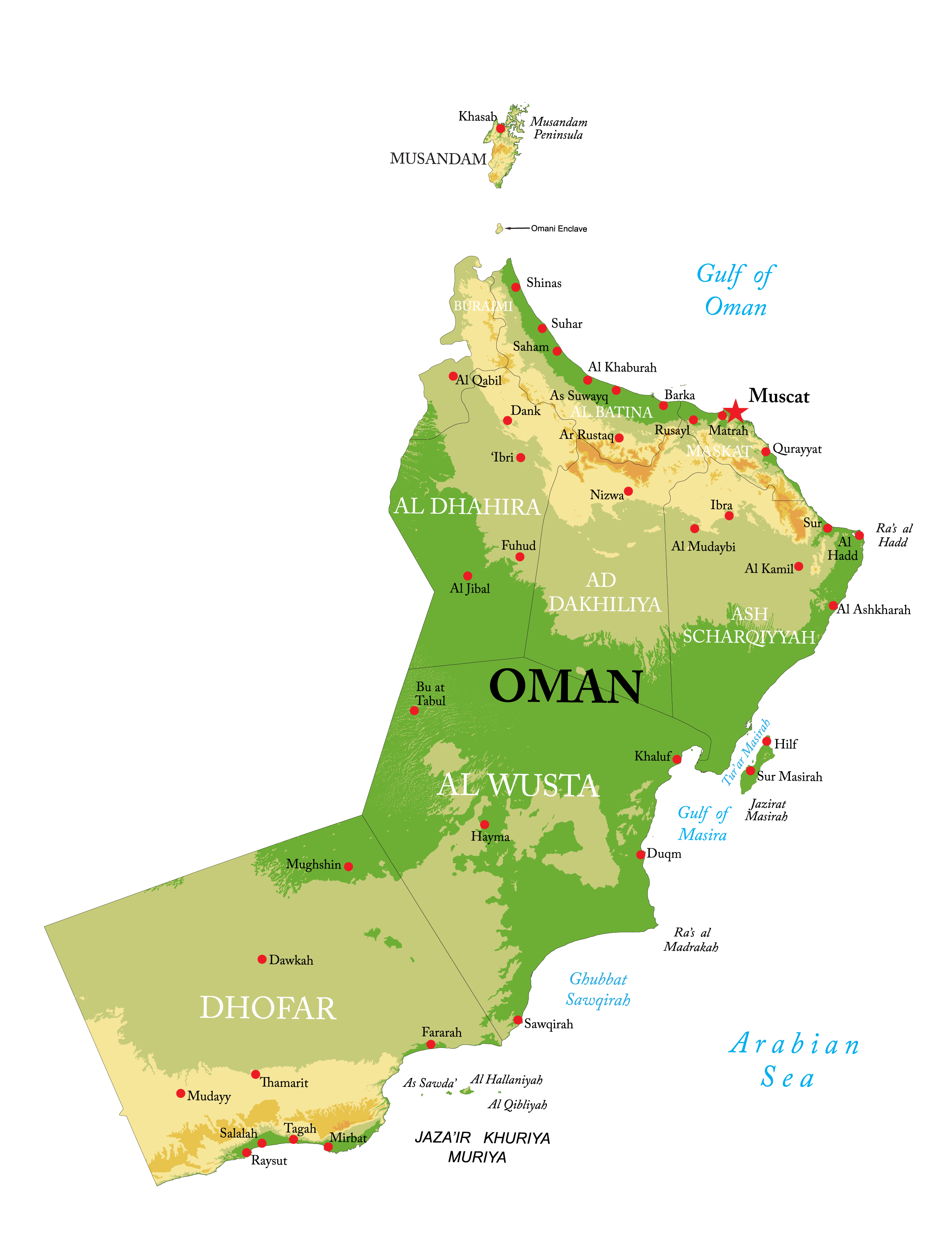
Miller & Morris (1988) wrote that: "Acacia nilotica, which grows mostly in the coastal plains area of Dhofar, can grow to a great height and become a beautiful and graceful tree which, both in flower and in fruit, makes a most attractive sight. Livestock, however, are not enthusiastic about the foliage, unless very hungry, nor do they eat the pods. The pods' chief importance lay in their usefulness in the leather tanning process. The addition of crushed pods from this tree to whatever tanning agent was being used during tanning made the finished leather a lovely rich mahogany-red colour, as well as apparently enhancing its suppleness and tensile strength, and the large fruit were gathered and stored for this purpose. The additional effort involved in producing extra glossy red leather was expended mainly on articles for personal use and adornment, such as the decorated tobacco pouch, and the leather wallet
...

*POWO (2022). ""Plants of the World Online. Facilitated by the Royal Botanic Gardens, Kew. Published on the Internet; http://www.plantsoftheworldonline.org *Ghazanfar, S. (2007). Flora of the Sultanate of Oman, vol.2: Crassulaceae – Apiaceae. Meise, National Botanic Garden of Belgium (Scripta Botanica Begica, Vol. 36). ISBN 9789072619747 ISSN 0779-2387. *Gledhill, D. (2008). The Names of Plants. Fourth Edition. Cambridge University Press, UK. ISBN 978-0-521-86645-3 ISSN 978-0-521-68553-5. *https://en.wikipedia.org *https://en.wiktionary.org *Miller, A., Morris, M. (1988). Plants of Dhofar, the Southern Region of Oman: Traditional, Economic, and Medicinal Uses. Published by Office of the Adviser for Conservation of the Environment, Diwan of Royal Court, Sultanate of Oman; ISBN 10: 0715708082 ISSN 13: 9780715708088.
