علم تشكل النبات
An untidy shrub ; up to 3 m tall , glabrous . Stems erect , branched , older branches may be spiny . Leaves opposite , 15-35 x 5-13 mm , almost sessile , elliptic to oblanceolate , apex acute base tapering , margins entire . Inflorescences in terminal clusters . Flowers white/cream , with a strong scent ; calyx 2-2 . 5 mm , ovate ; petals ± 4 mm , wrinkled , reflexed when flower is fully open . Fruit capsule , berry-like , globose , 5-7 mm in diameter , 1-4-locular , red , turning dark brown as they mature . Seeds c . 1 . 5 mm long , pyramidal , orange-brown , c . 35 to to in each capsule . (Ref . Flora of Oman ; vol . 2) .
الوضع البيئي الحالي
Least Concern (LC) - Global Assessment
التوزيع الجغرافي والبيئي
الوصف غير متاح حاليًا
المرادفات
Lawsonia alba Lam.
Lawsonia spinosa L.
العناية بالنبات
maintenanceAr.Item1
maintenanceAr.Item3
الاستخدامات
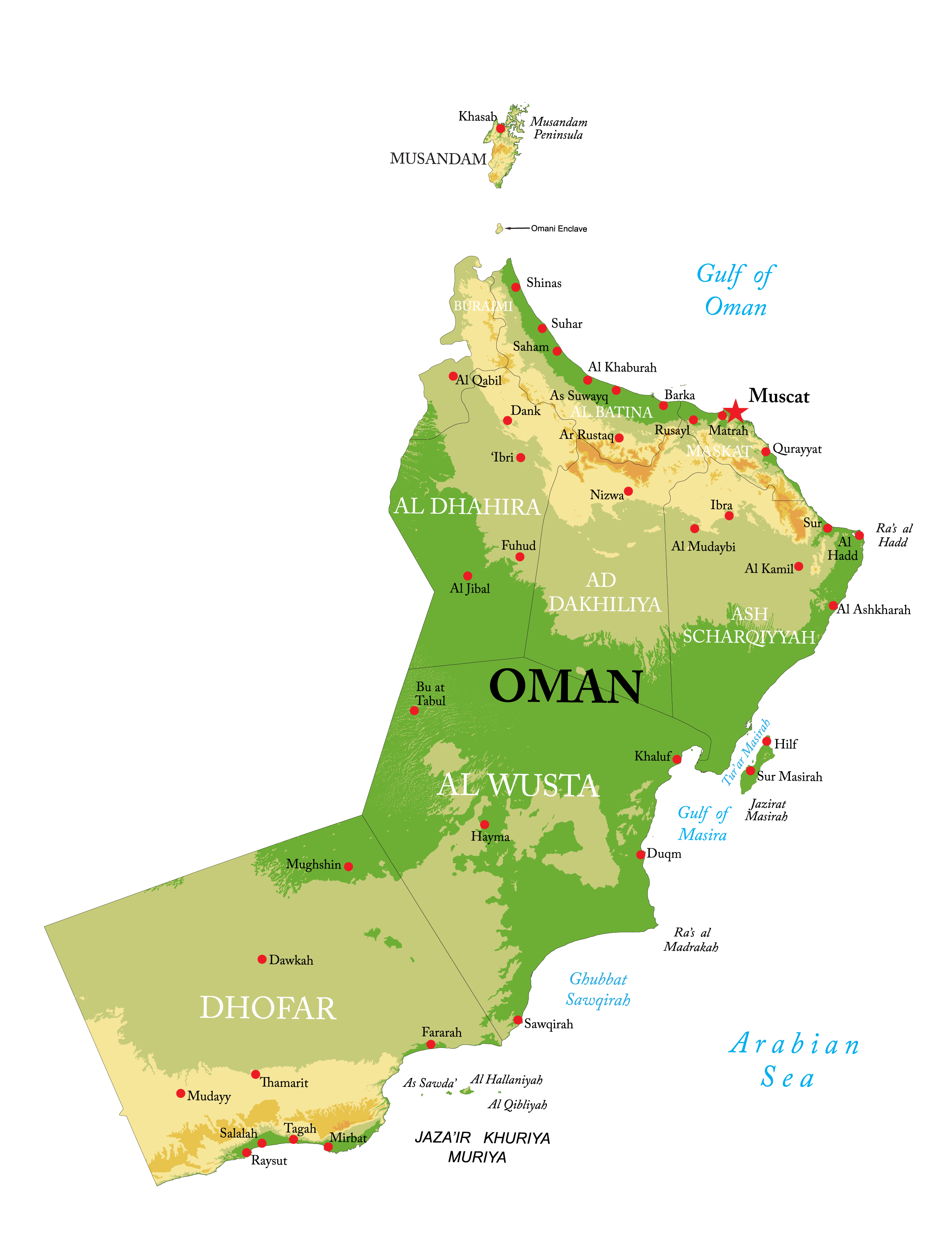
Miller & Morris (1988) wrote that: "This is the shrub whose leaves are used to produce the well-known dye "henna". In this southern region of Oman it was not customary for men to use henna as a dye for the skin or for the beard as they did in the north. Indeed many regarded it as shameful to do so and the use of henna to colour a greying beard is of relatively recent occurrence among those more conservative members of the community who live outside the more heterogenous coastal towns. However, women all appreciated the dye obtained from the henna plant as a cosmetic. To prepare the material for dyeing, the leaves and growing tips were gathered fresh, set out to dry, and then stored. When wanted, they were crushed as finely as possible, sieved, and the powder mixed with water to a paste which after being allowed to
...
stand for a while, was applied to the hands and feet in pretty patterns with a pointed stick, or for the less patient or skilled, the whole hand or foot was dipped into henna paste and then wrapped around with strips of cloth. The henna was left on for as long as possible, usually overnight, and then in the morning the caked and dried paste was washed off to reveal the orange-brown stain below. The powdered leaves were also used in washing the hair, but more as a scalp tonic and to encourage the hair to grow strong and long than as a hair dye, except by older women endeavouring to hide the first few grey hairs. Henna is considered to be one of the "plants of Paradise" [DA: sajarat al jinna] and must not be damaged or cut, nor must its wood be burned as fuel. The leaves and blossoms were often strewn over the winding sheet for good luck. The leaves were used medicinally as well as for dyeing. Fresh leaves were chewed to refresh the mouth and as a remedy for halitosis. A paste of chewed leaves was applied as a poultice to the site of a new burn to soothe the pain where the burn was not a very severe one (when other remidies such as goat ghee, the ground seeds of Psoralea corylifolia or crushed Heliotropium fartakense leaves were preferred). Fresh leaves were also crushed and cooked with a powder made from the dried leaves and applied to an aching head to soothe the pain and make the patient relax. Fresh leaves were squeezed or chewed and their juice used to treat conjunctivitis and other eye ailments. Pains and aches in the limbs and joints, especially those believed to have been caused by ill-wishers, were treated with a paste of leaves mixed with salt, water and the powdered leaves of Rhazya stricta applied daily for at least three days to the painful part. Dried leaves were ground down and added to water and drunk as an emmenagogue , and in larger dosage, to produce an abortion. A poultice of powdered henna mixed to a paste with water and sometimes salt, was applied to a site of severe crushing or bruising, especially of the fingers or toes. A maceration of the dried leaves was drunk to treat the condition known locally as [J: maxtel], where a pregnancy is inexplicable not brought to term – this condition can extend over years, not just months, and is encountered especially among women approaching the menopause, whose periods are anyway becoming irregular, and who are perhaps reluctant to acknowledge the coming to an end of their reproductive life. The medicament was taken in the hopes of causing the foetus to 'rise up again' and complete its growth. As with other scented plants, the blossoms were sometimes plucked and worn both for their fragrance and also to ward off malignant influences. In the north of Oman juice expressed from the leaves was used to treat an inflamed eye and a poultice of the leaves was applied locally as an anaesthetic. Parts of the plant crushed and mixed with water were an ingredient in an embrocation which was rubbed daily over the body of someone who had fallen sick as a result of witchcraft". (Ref. Plants of Dhofar). In addition, Ghazanfar (2007) mentioned that: "The leaves yields a red dye which is used throughout Arabia as hair colour and as a strain to dye hands and feet. Palms and backs of hands, and soles of feet are dyed in intricate patterns for most festivites such as Eid Al Fitr (celebrations after Ramadan, a month of fasting in the Islamic lunar calendar), Eid Al Adha(celebrations at Hajj, the pilgrimage to Mecca performed by Muslims) and at weddings and birthdays. The leaves are also used for fevers, chewed as a local anaesthetic, as an anti-inflammatory, and for treating mouth ulcers". (Ref. Flora of Oman). Furthermore, Pickering & Patzelt (2008) stated that: "Crushed leaves mixed with lime juice produce a dye for skin and hair. Oil from the flowers is used in perfumes in Arabia". (Ref. Field Guide to the Wild Plants of Oman; 2008).

المراجع
*Ghazanfar, S. (2007). Flora of the Sultanate of Oman, vol.2: Crassulaceae – Apiaceae. Meise, National Botanic Garden of Belgium (Scripta Botanica Begica, Vol. 36). ISBN 9789072619747 ISSN 0779-2387. *https://en.wikipedia.org *https://www.nparks.gov.sg *Miller, A., Morris, M. (1988). Plants of Dhofar, the Southern Region of Oman: Traditional, Economic, and Medicinal Uses. Published by Office of the Adviser for Conservation of the Environment, Diwan of Royal Court, Sultanate of Oman; ISBN 10: 0715708082 ISSN 13: 9780715708088. *Pickering, H. Patzelt, A. (2008). Field Guide to the Wild Plants of Oman. Kew publishing, Royal Botanic Garden, Kew. ISBN 9781842461778.