Cultivated

Small deciduous tree ; up to 3 m tall . Stems erect , much-branched , branches sometimes spine-tipped ; glabrous throughout . Leaves opposite , up to 5 cm in length , bright green , glossy , oblanceolate to narrow-oblong , margin entire . Flowers bright orange-red , showy , up to 3 cm in diameter ; hypanthium ± urceolate , red , leathery ; lobes persistent ; calyx urceolate-funnel-shaped ; petals 4-5 , obovate , bright red . Fruit berry , 5–10 cm in diam . , globose , leathery , with thick reddish skin . Seeds very closely packed , c . 3–5 mm across with thick , juicy , translucent , often reddish outer layer , the number of seeds varies from 200 to about 1 , 400 . (Ref . POWO ; 2023) .
No Data
Least Concern (LC) - Global Assessment
Not Common
الوصف غير متاح حاليًا
Rhoea punica St.-Lag.
No data
maintenanceAr.Item1
Pomegranate
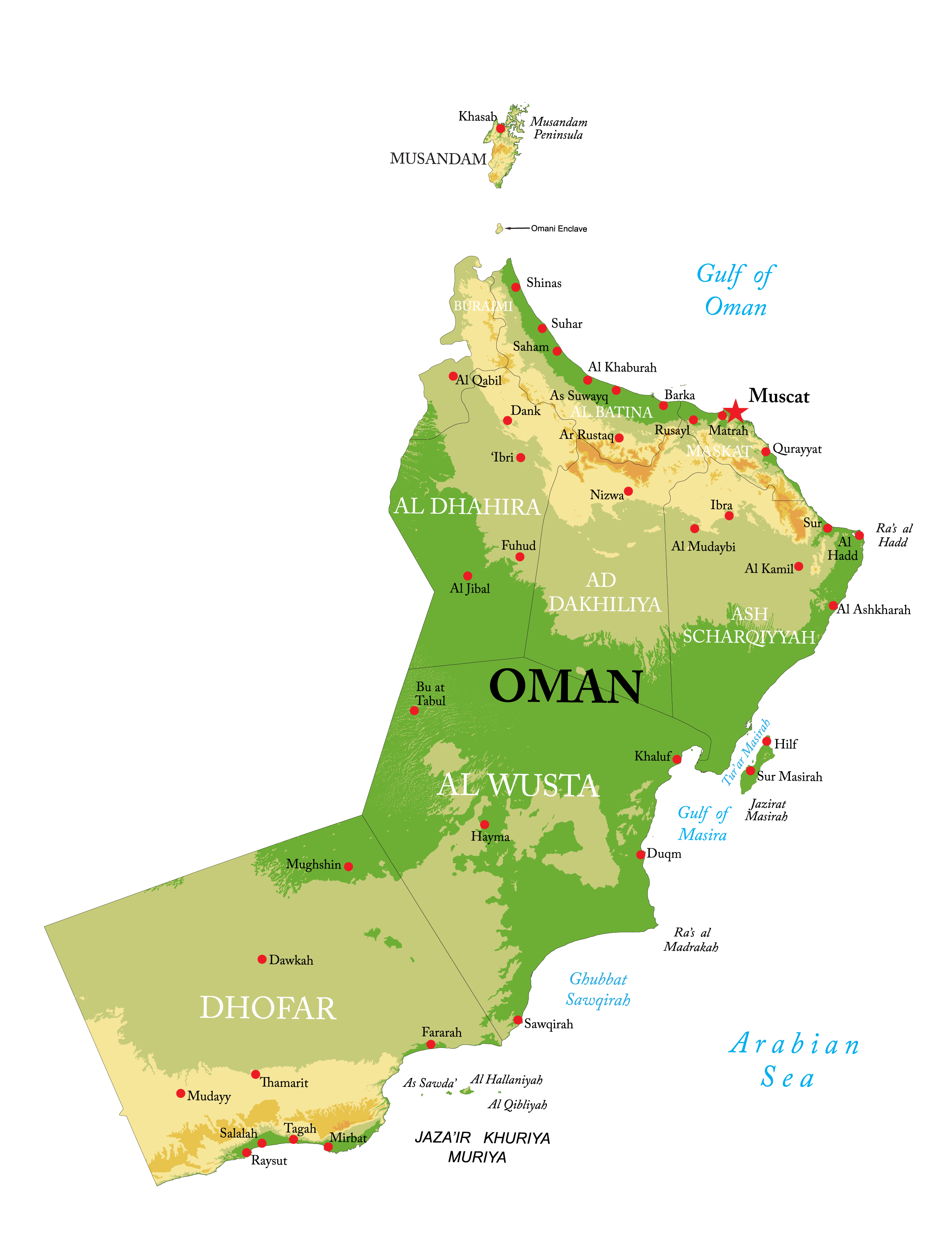
Yellow and orange dyes are obtained from inner skin of the pomegranate fruit. (Ref. Oman Botanic Garden). In Omani studies: Ghazanfar (2007) wrote that: "The fruits with orange or pinkish fleshy seeds are sweet and sold locally in the fruit market in Nizwa and other towns during July to October when fruits ripen". (Ref. Flora of Oman; vol.2). In addition, Patzelt (2015) mentioned that: "The pomegranate is grown as a fruit crop plant and as an ornamental tree. The pulpy seeds are used in cooking, baking, and in juices, and can also be eaten raw". (Ref. Photographic Field Guide to the Plants of the Western Hajar Mountains; 2015).
*Ghazanfar, S. (2007). Flora of the Sultanate of Oman, vol.2: Crassulaceae – Apiaceae. Meise, National Botanic Garden of Belgium (Scripta Botanica Begica, Vol. 36). ISBN 9789072619747 ISSN 0779-2387. *https://en.wikipedia.org *Patzelt, A. (2015). Photographic Field Guide to the Plants of the Western Hajar Mountains, Sultanate of Oman: with a complete checklist of vascular plant species. Sultan Qaboos University – Academic Publication and Outreach Department. P.O Pox (17) Postal Code (123), Muscat, Al khoudh, Sultanate of Oman. *Miller, A., Morris, M. (1988). Plants of Dhofar, the Southern Region of Oman: Traditional, Economic, and Medicinal Uses. Published by Office of the Adviser for Conservation of the Environment, Diwan of Royal Court, Sultanate of Oman; ISBN 10: 0715708082 ISSN 13: 9780715708088. *Hammer, K. Gebauer, J. Al Khanjari, S. Buerkert, A. (2009). Oman at the cross-roads of inter-regional exchange of cultivated plants. Gene Resour Crop Evol (2009) 56:547-560. Springer Science+Business Media B.V. 2008. DOI 10.1007/s10722-008-9385-z.
...