Acridocarpus_orientalis_2 © OBG
Acridocarpus_orientalis_3 © OBG
Acridocarpus_orientalis_4 © OBG
Acridocarpus_orientalis_5 © OBG
Acridocarpus_orientalis_6 © OBG
Acridocarpus_orientalis_7 © OBG
Acridocarpus_orientalis © OBG
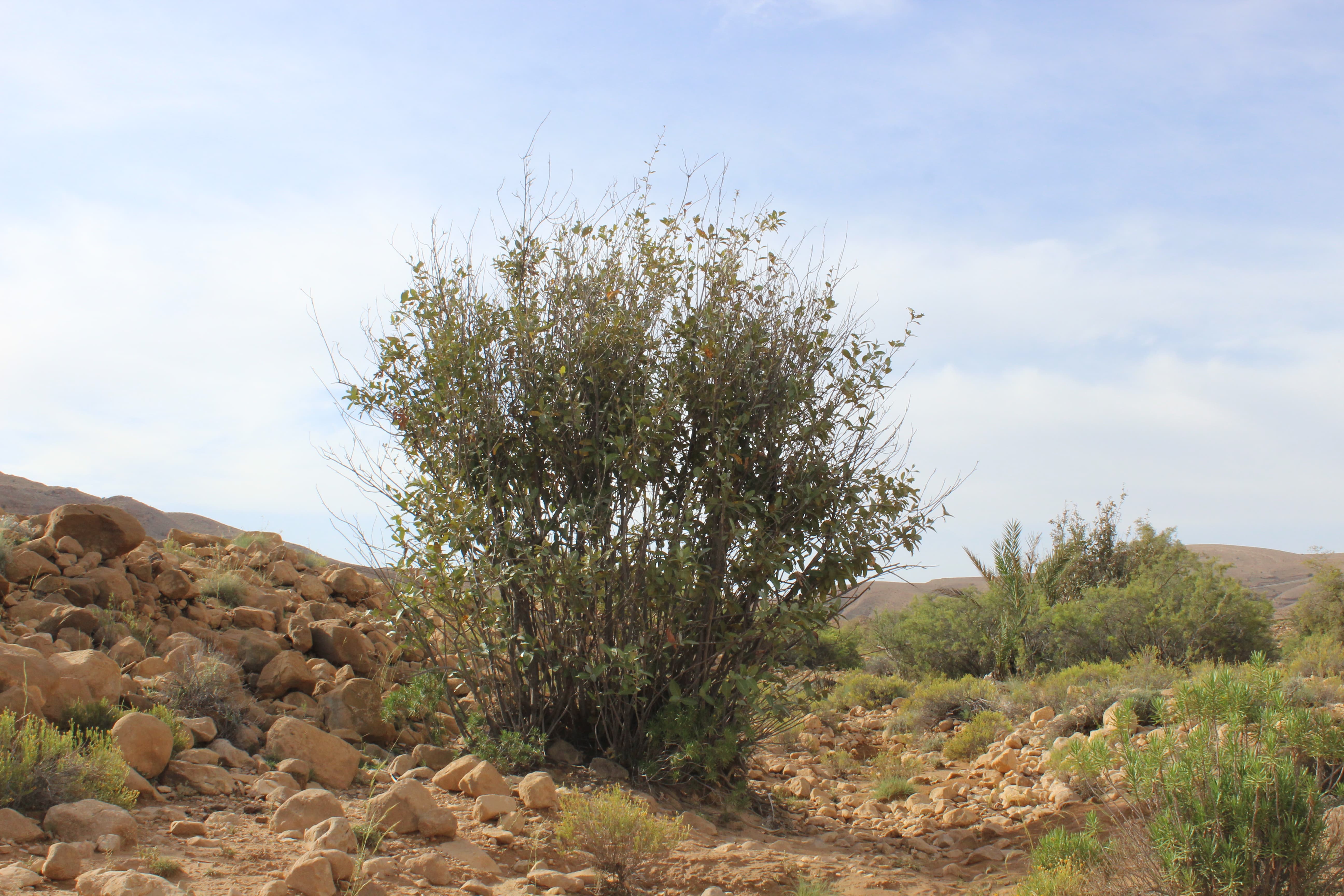
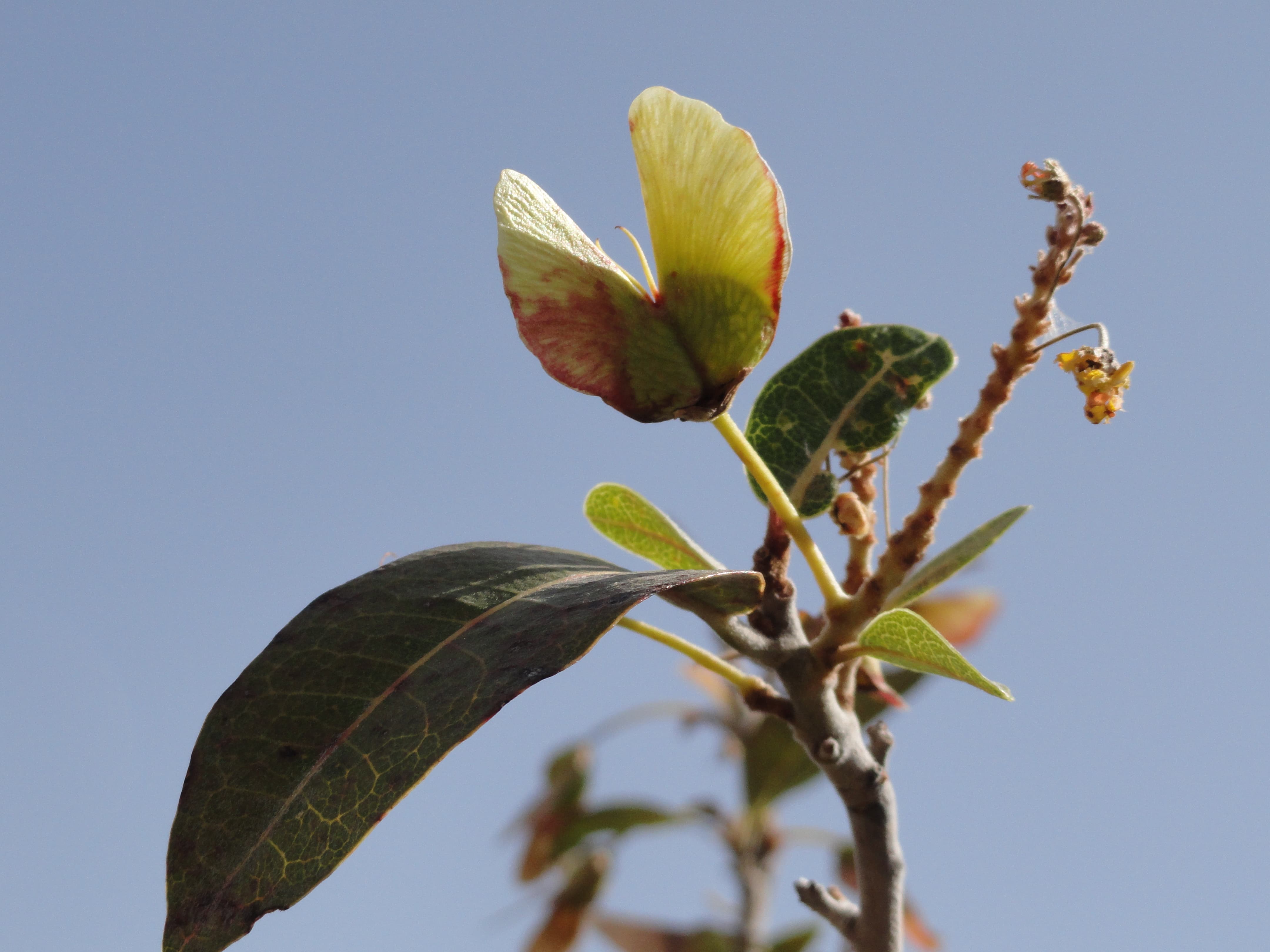
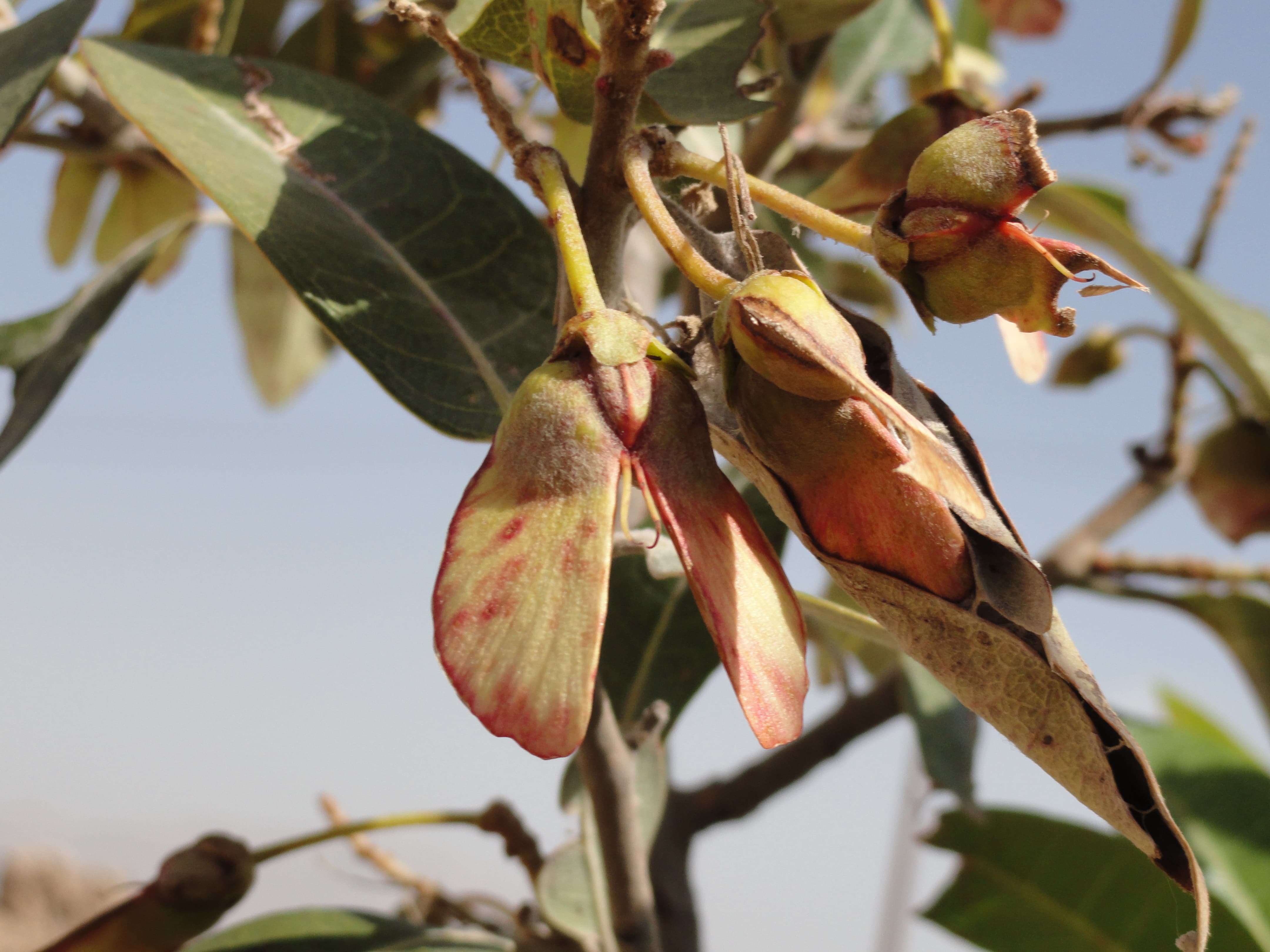
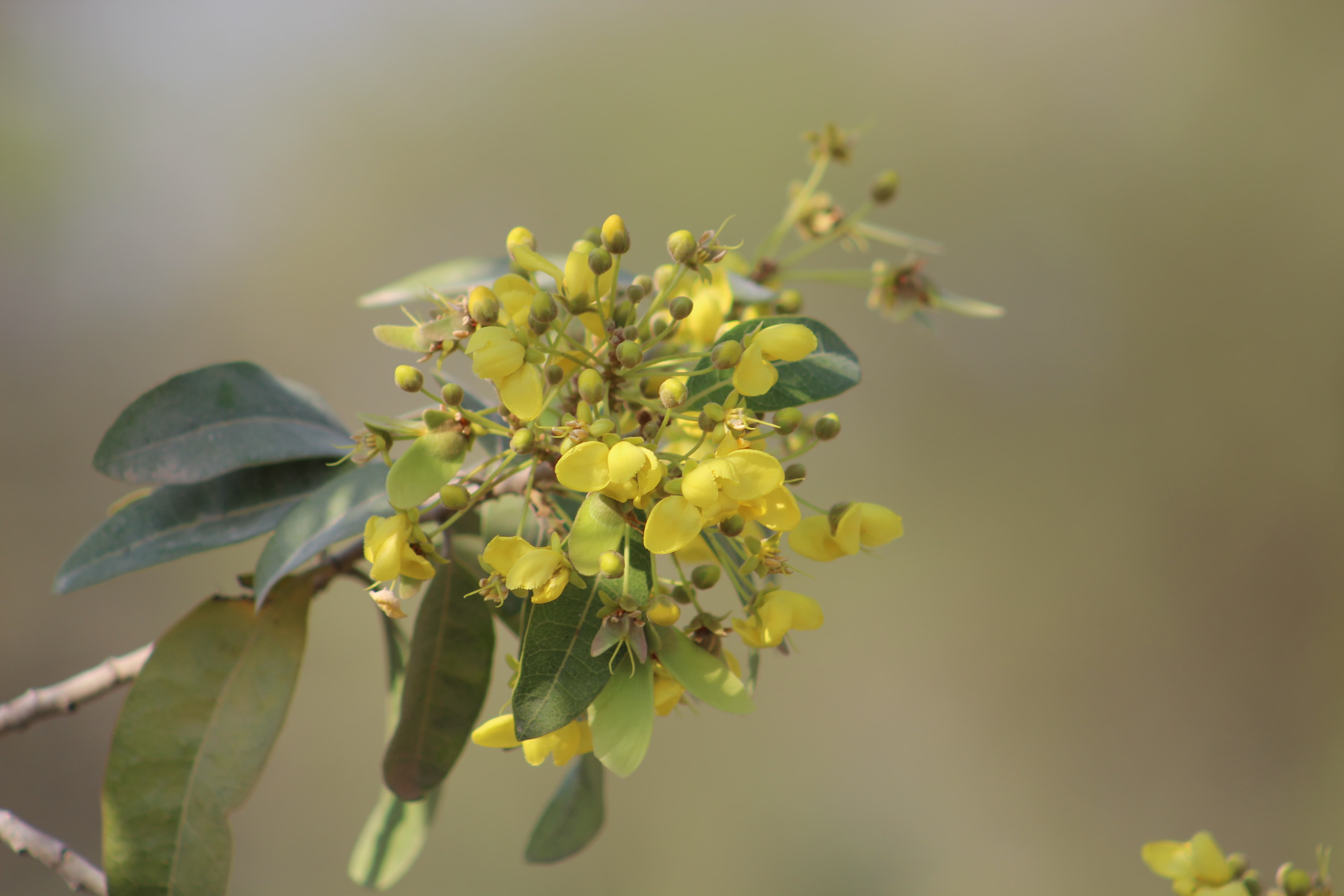
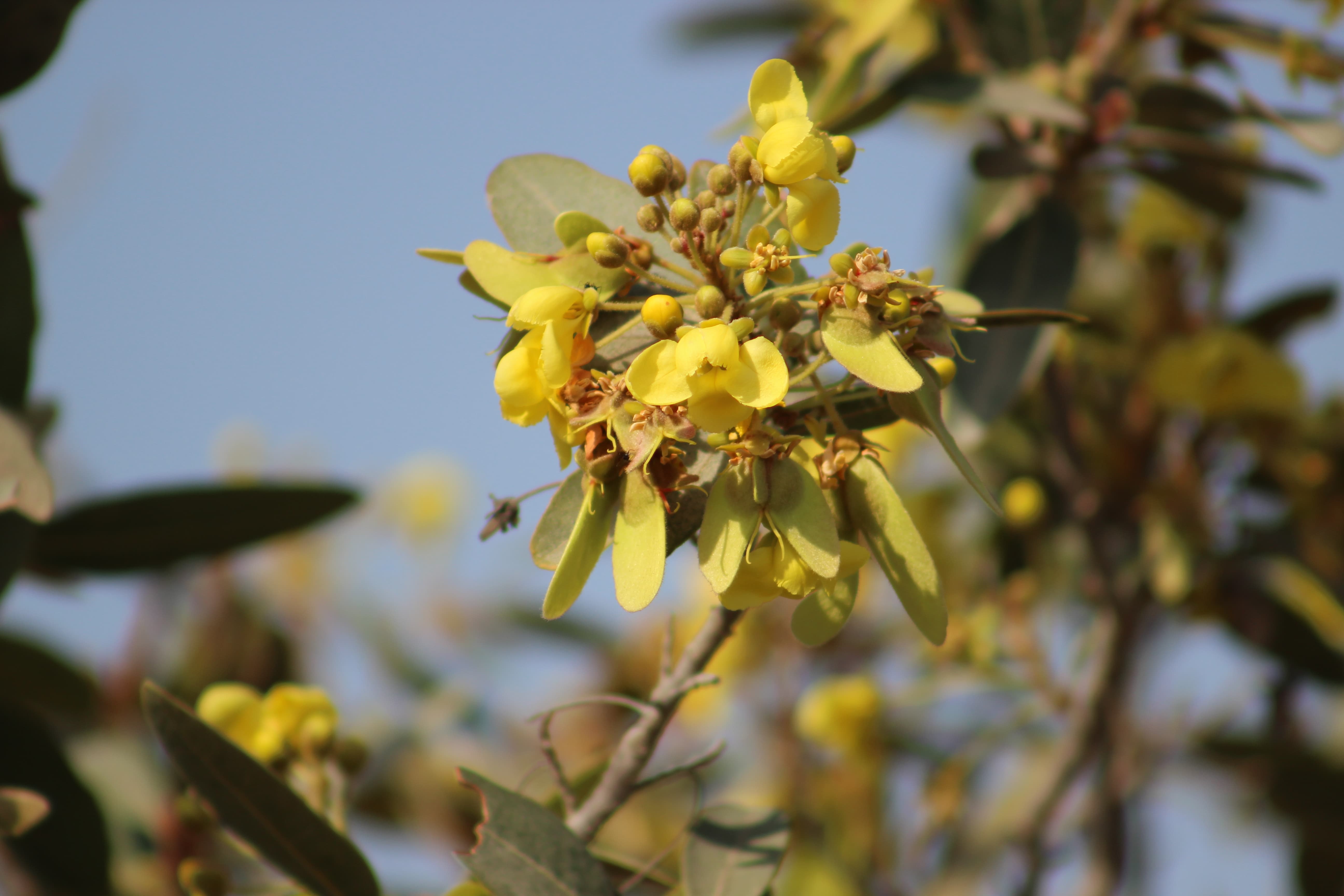
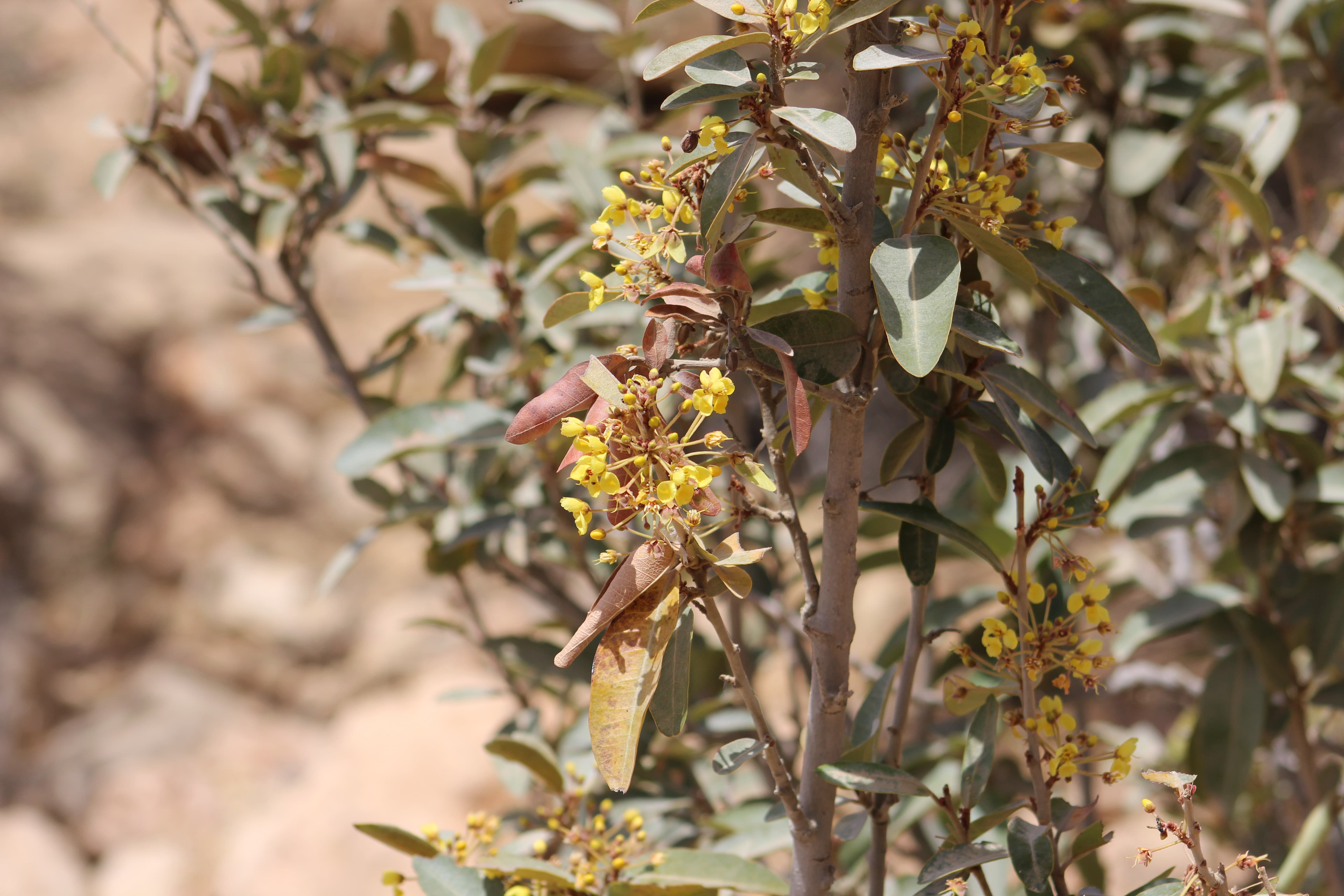
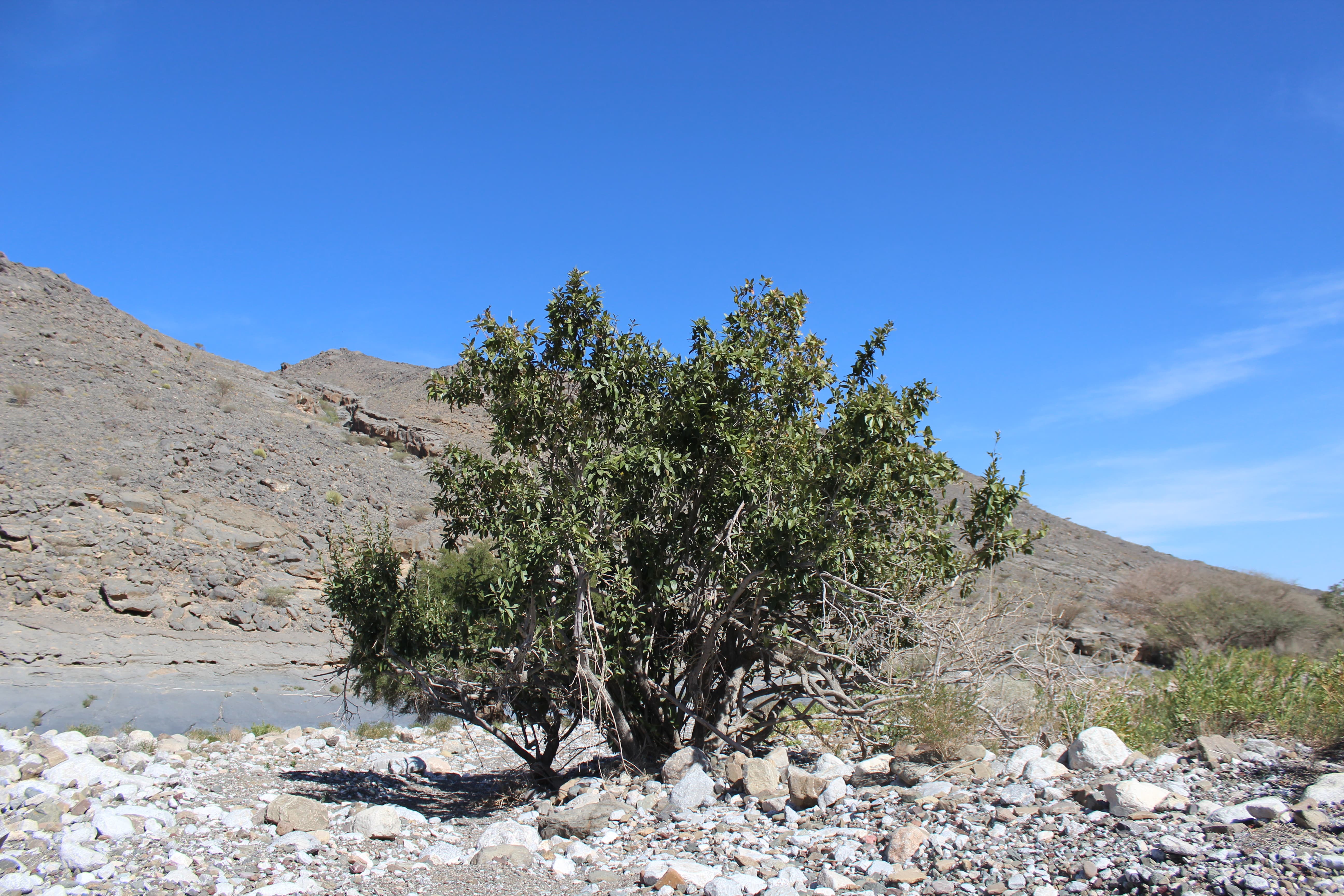
Large shrub ; up to 3 m tall , with whitish brown bark . Stems densely branched ; old bark grey . Leaves alternate , 6-12 x 2-4 cm , dark green , elliptic , tip acute or obtuse , base cuneate , margin entire , young leaves have reddish hair along the vines , older leaves are smooth but with prominent veins ; petiole 1-2 cm . Inflorescences in densely-flowered terminal racemes ; pedicels 2-2 . 5 cm long , densely reddish tomentose . Flowers bright yellow ; sepals 5 , free , oblong-ovate , 6 x 4 mm , tip rounded , with 1-2 glands at the base externally ; petals 5 , free , broadly ovate , shortly clawed at base , 12-17 x 7-10 mm , tip rounded and shortly fimbriate ; stamens 10 , anthers sessile ; styles 2 , curving upwards . Fruit 3 . 4-4 . 5 cm long , brown , paired with a single seed surrounded by a large pale brown hairy wing . (Ref . Flora of Oman ; vol . 2) .
No Data
Not Evaluated (NE)
Common
الوصف غير متاح حاليًا
Anomalopterys orientalis (A.Juss.) Kuntze
No data
maintenanceAr.Item1
Not known
In Omani studies: Miller & Morris (1988) wrote that: "The downy new growth of A. orientalis and the underbark were gathered, dried and stored for future use as a tanning agent. The dried matter was then pulverised, mixed with water or oil to a paste, and then smeared over the hide, which had already had the hair removed. The whole hide was rubbed and kneaded over a hard, flat surface until thoroughly impregnated with the paste, more water being added as the paste dried out. Once the required suppleness and colour has been reached, the hide was allowed to finally dry out, the paste was washed off, and the skin either stored like that until it was needed, or cut, stitched and made up into the required article. New soft growth was also pounded to a paste and applied to the udder of livestock suffering from mastitis, a disease of
...

*Ghazanfar, S. (2007). Flora of the Sultanate of Oman, vol.2: Crassulaceae – Apiaceae. Meise, National Botanic Garden of Belgium (Scripta Botanica Begica, Vol. 36). ISBN 9789072619747 ISSN 0779-2387. *Patzelt, A. (2015). Photographic Field Guide to the Plants of the Western Hajar Mountains, Sultanate of Oman: with a complete checklist of vascular plant species. Sultan Qaboos University – Academic Publication and Outreach Department. P.O Pox (17) Postal Code (123), Muscat, Al khoudh, Sultanate of Oman. *https://en.wikipedia.org *https://www.sciencedirect.com *Gledhill, D. (2008). The Names of Plants. Fourth Edition. Cambridge University Press, UK. ISBN 978-0-521-86645-3 ISSN 978-0-521-68553-5. *Pickering, H. Patzelt, A. (2008). Field Guide to the Wild Plants of Oman. Kew publishing, Royal Botanic Garden, Kew. ISBN 9781842461778. *Miller, A., Morris, M. (1988). Plants of Dhofar, the Southern Region of Oman: Traditional, Economic, and Medicinal Uses. Published by Office of the Adviser for Conservation of the Environment, Diwan of Royal Court, Sultanate of Oman;
...
