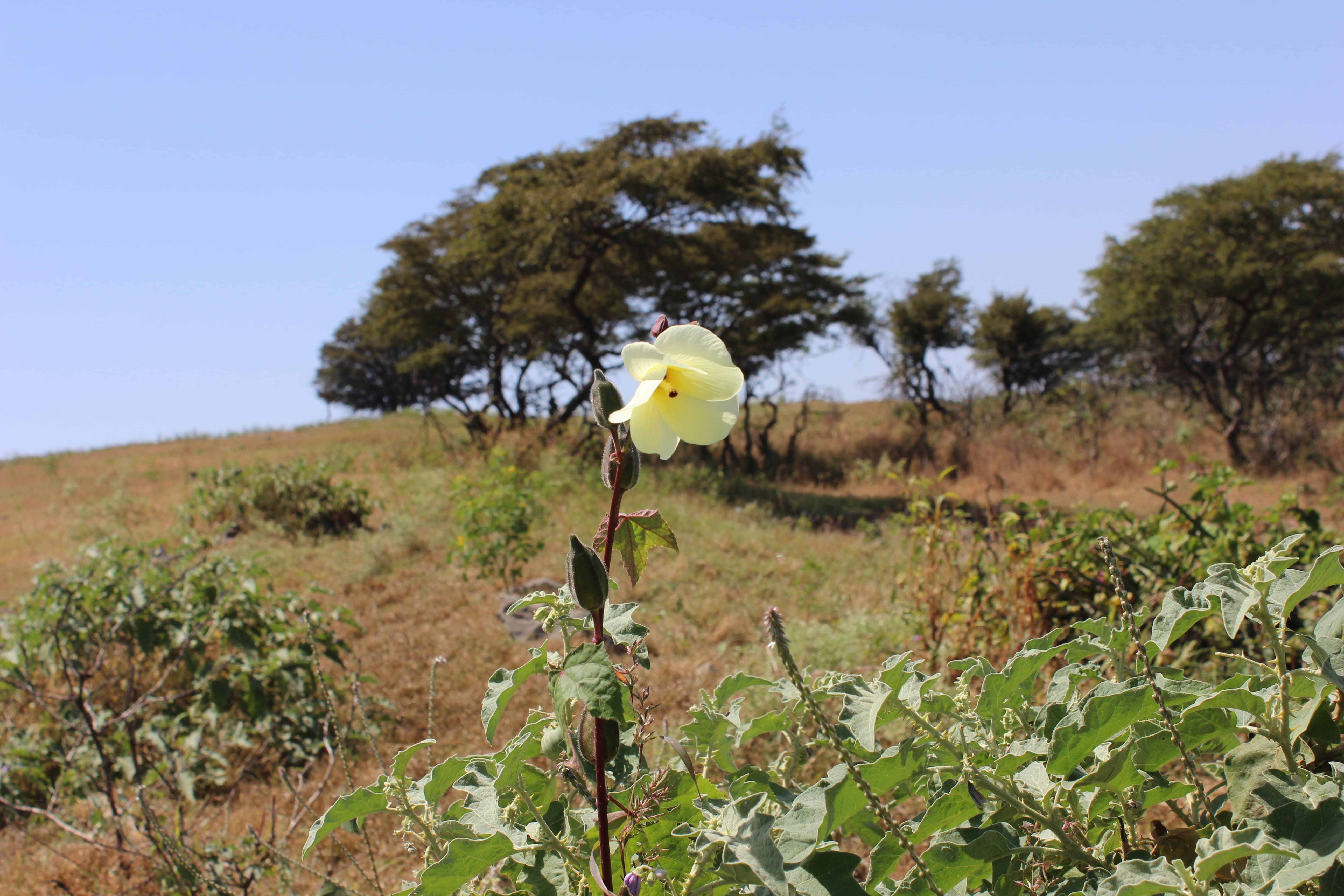
Abelmoschus_esculentus_2 © OBG
Abelmoschus_esculentus_6 © OBG
Abelmoschus_esculentus_7 © OBG
Abelmoschus_esculentus_8 © OBG
Abelmoschus_esculentus © OBG
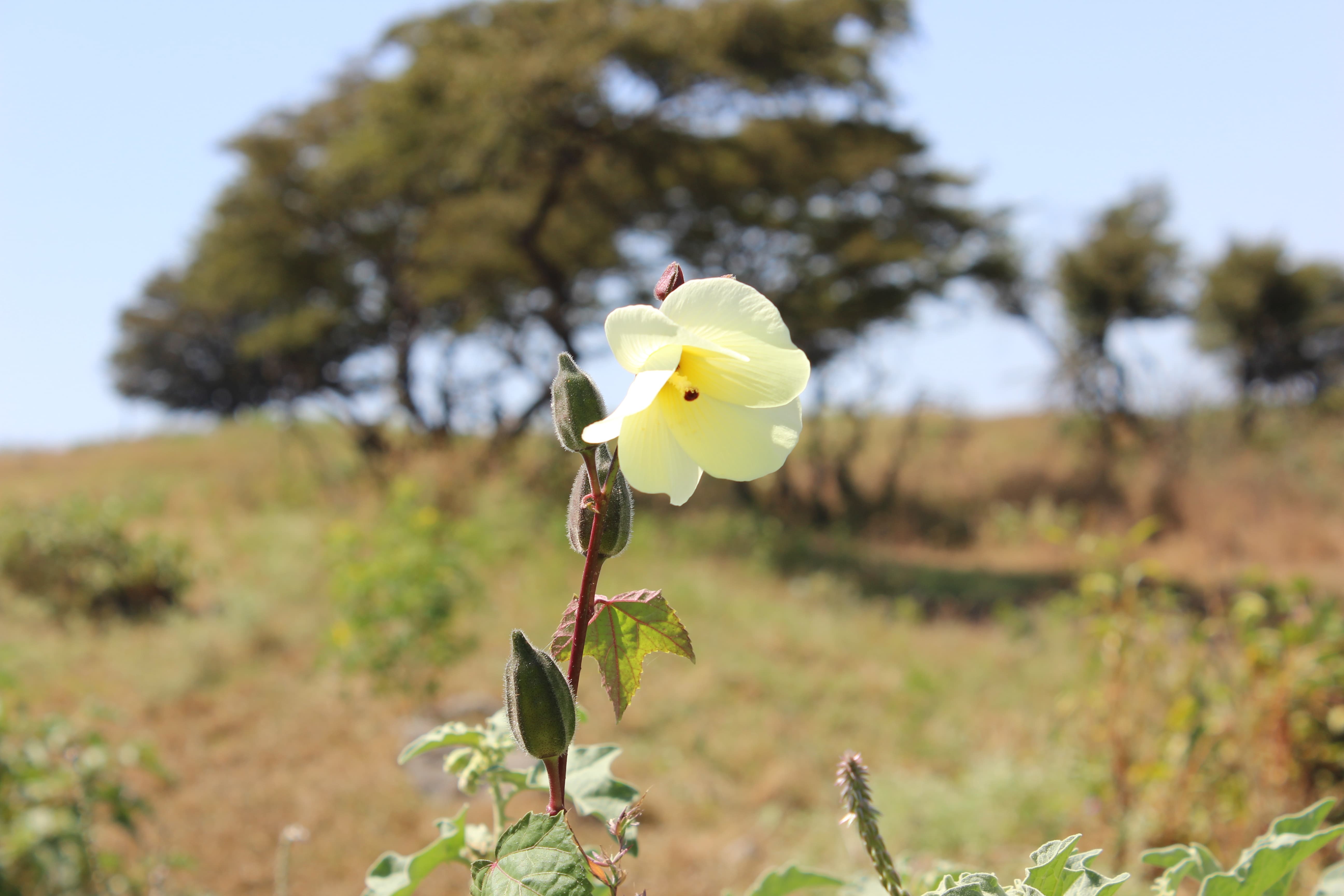
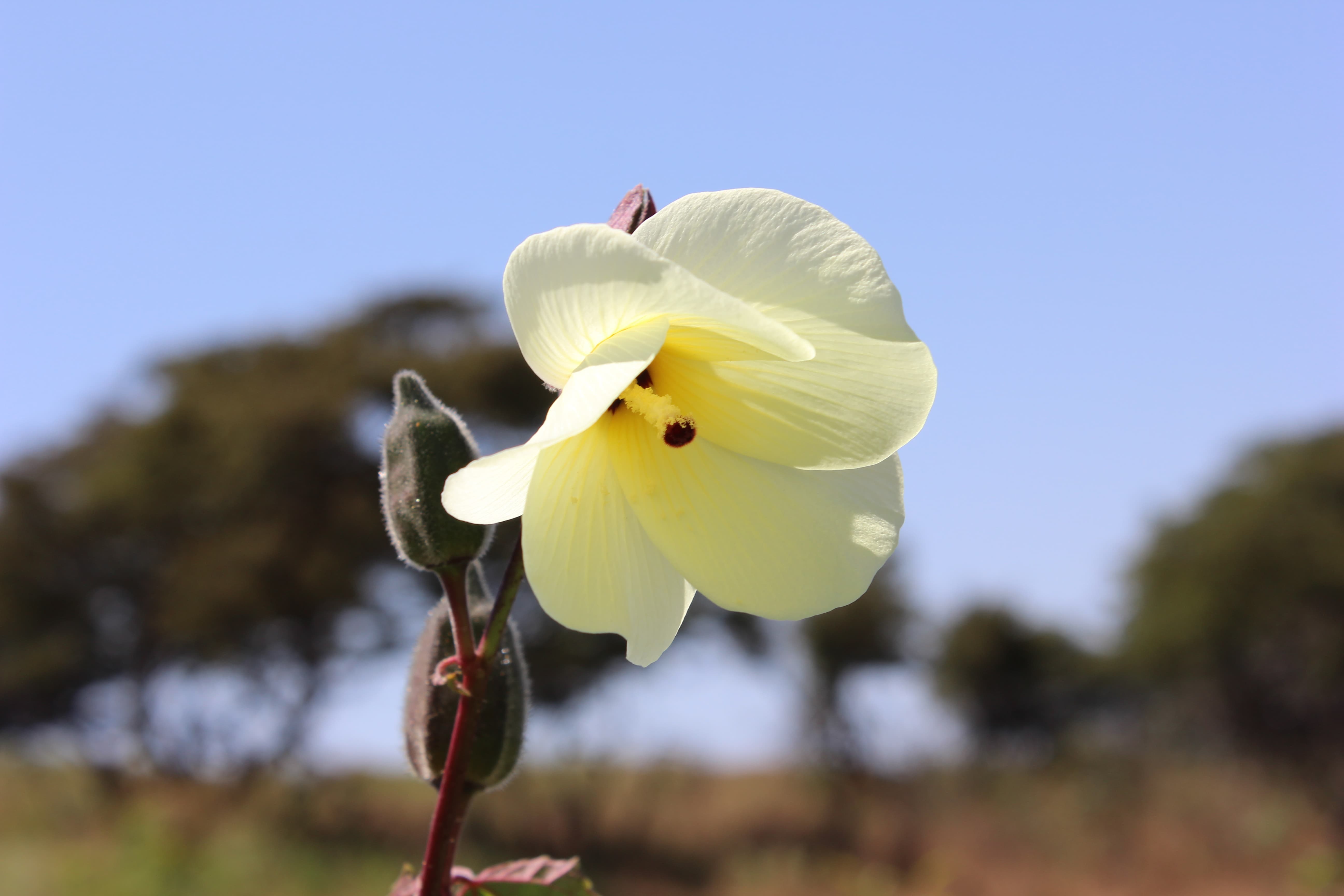
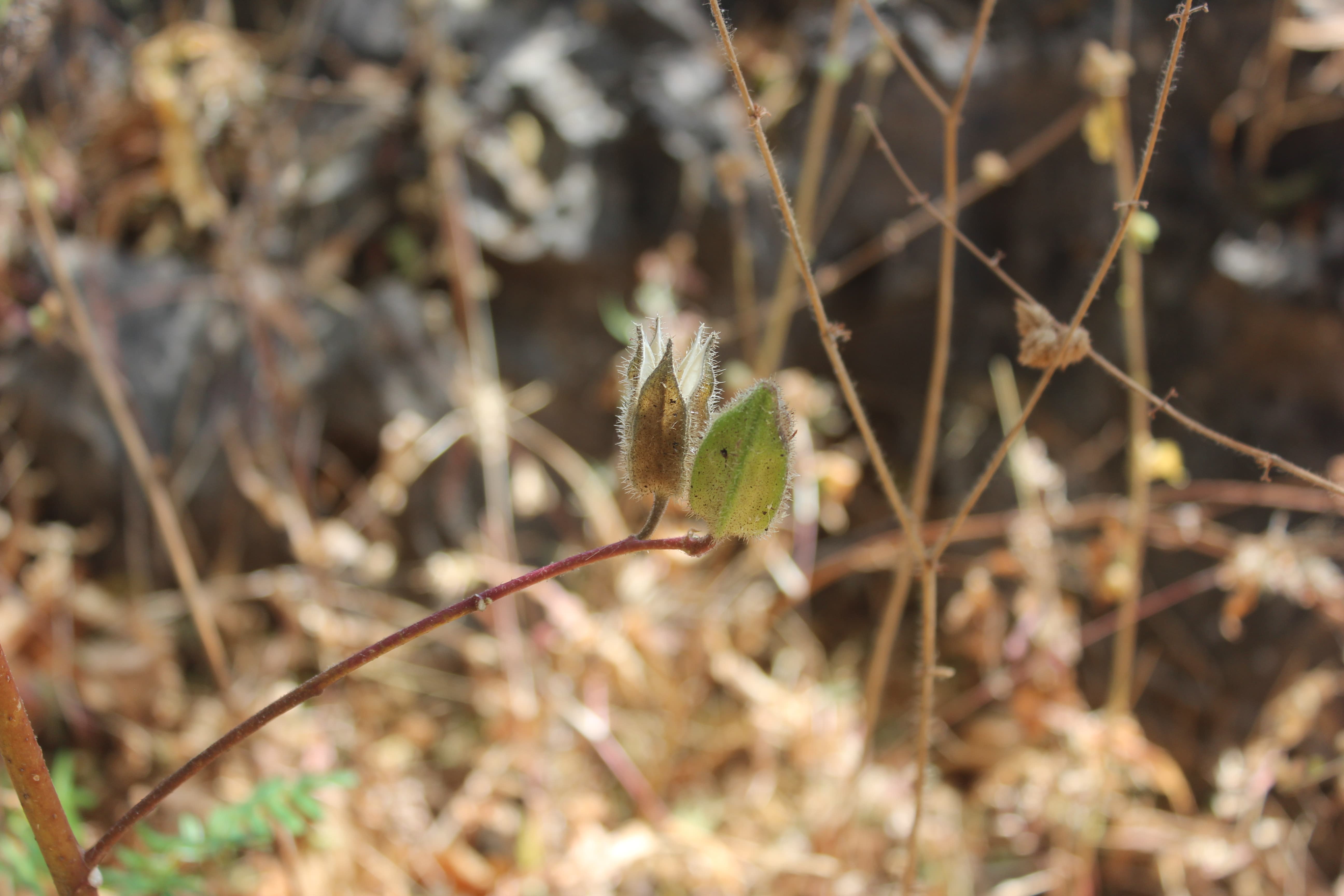
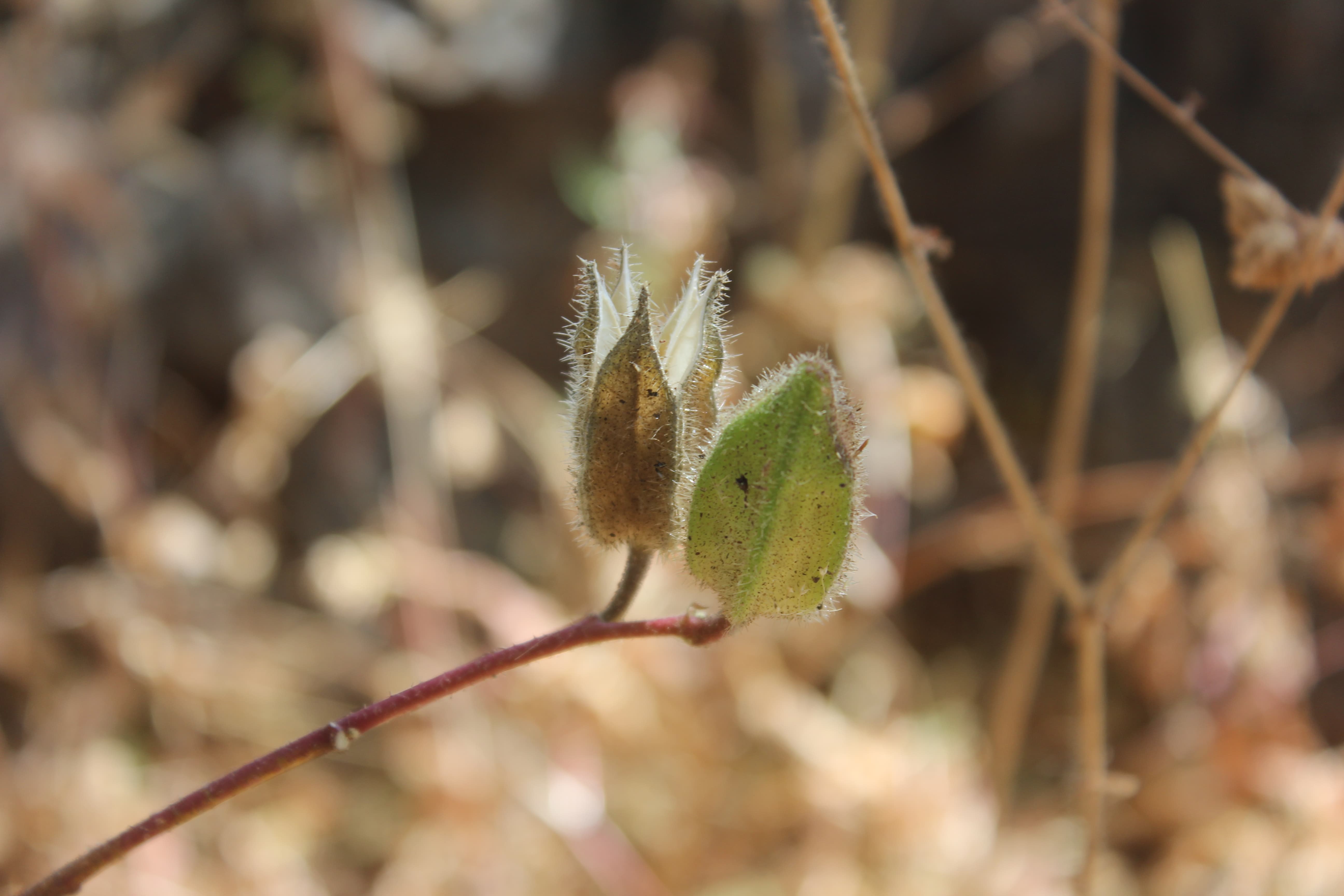
Annual , erect herb ; up to 1 m tall . Stems erect , usually unbranched , tinged red , strigose with upwardly directed simple hairs . Leaves alternate , 10-20 cm , 5-angled below becoming deeply lobed higher up the stem , margin crenate to serrate , base cordate , covered with appressed simple hairs ; lower leaves 5-angled , up to 10 cm long x 12 cm across ; upper leaves , up to 20 cm long x 25 cm across , 3(-5)-lobed ; lobes oblong , up to 15 cm long x 5 cm across , acute ; petioles 3-15 cm . Inflorescences solitary , in the axils of leaves ; pedicels 5-12 mm , lenthening a liitle in fruit ; epicalyx lobes 8-13 , linear , persistent . Flowers pale yellow with a dark red-crimson centre ; calyx 1 . 5-2 cm long , 5-toothed at tip , irregularly splitting into 2 lobes , attached to the corolla and falling along with it ; corolla pale yellow with a crimson centre , of five overlapping petals , attached at base to the staminal tube ;
...

No Data
Not Evaluated (NE)
Common
الوصف غير متاح حاليًا
Hibiscus esculentus L.
No data
maintenanceAr.Item1
Okra
Wild okra
Ladies' Fingers
Ochro
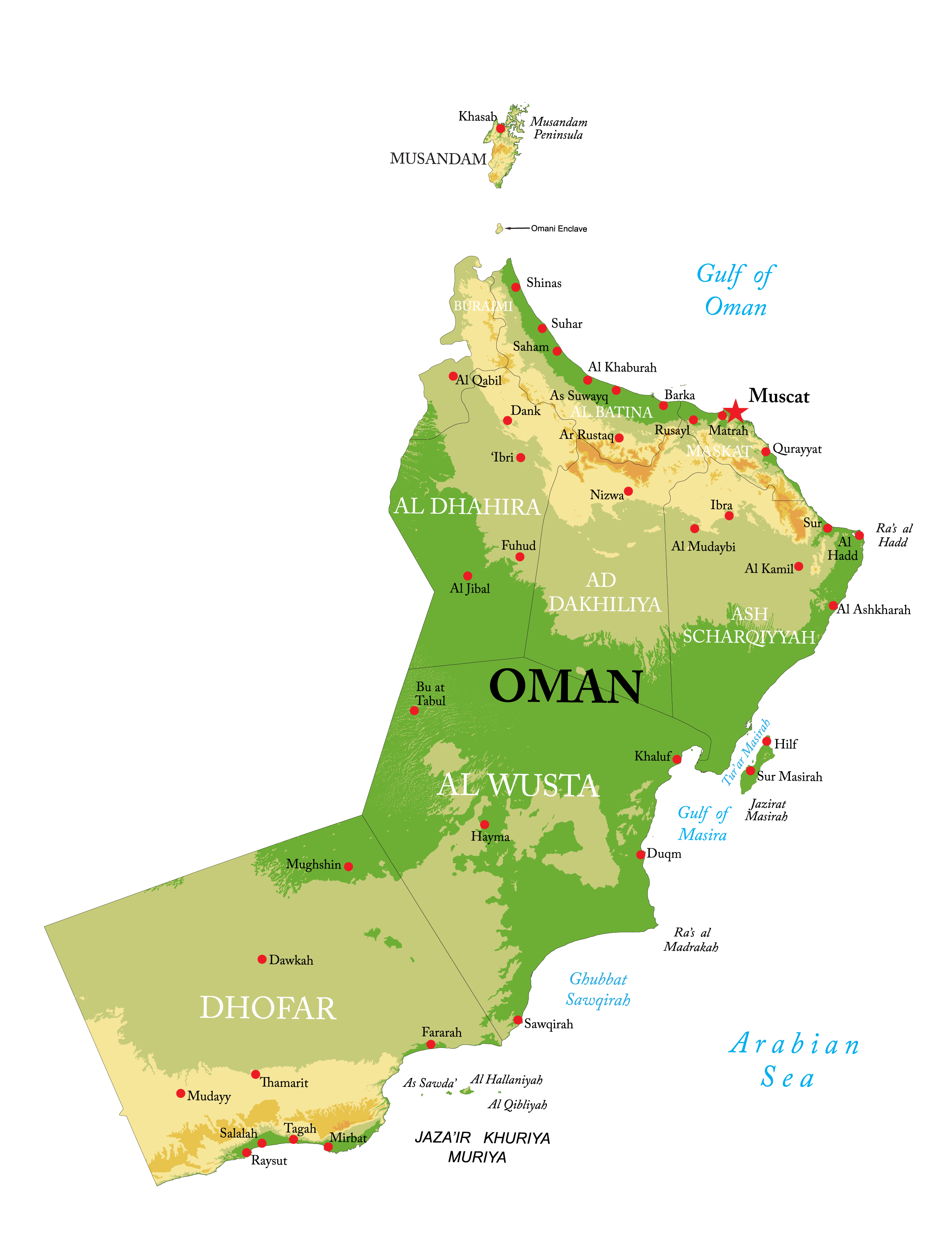
In Omani studies: Miller & Morris (1988) wrote that: "Both Abelmoschus esculentus and A. manihot grow widely in the better soils of the monsoon mountains. They produce pods that resemble the commercially grown okra or "ladies' fingers". The two species are not differentiated locally, and the fruit of both were gathered and eaten, and were very popular in the areas in which they grew. The pods were eaten raw when still tender and immature, or were cooked as a vegetable when larger and more developed. Once the fruit has ripened and becomes rather tough, the pods were opened and the seeds removed and either eaten raw or gathered to be cooked with grains. Uncooked the fruit have a delicious sweet flavour, and less of the mucilaginous matter associated with many of the commercially grown species. The leaves and stems were crushed to a pulp with water, and then rubbed to
...
*Ghazanfar, S. (2003). Flora of the Sultanate of Oman, vol.1: Piperaceae – Primulaceae. Meise, National Botanic Garden of Belgium (Scripta Botanica Begica, Vol. 25). ISBN 90-72619-55-2 ISSN 0779-2387. *https://en.wikipedia.org *Miller, A., Morris, M. (1988). Plants of Dhofar, the Southern Region of Oman: Traditional, Economic, and Medicinal Uses. Published by Office of the Adviser for Conservation of the Environment, Diwan of Royal Court, Sultanate of Oman; ISBN 10: 0715708082 ISSN 13: 9780715708088. *Pickering, H. Patzelt, A. (2008). Field Guide to the Wild Plants of Oman. Kew publishing, Royal Botanic Garden, Kew. ISBN 9781842461778. *Hammer, K. Gebauer, J. Al Khanjari, S. Buerkert, A. (2009). Oman at the cross-roads of inter-regional exchange of cultivated plants. Gene Resour Crop Evol (2009) 56:547-560. Springer Science+Business Media B.V. 2008. DOI 10.1007/s10722-008-9385-z. *POWO (2023). ""Plants of the World Online. Facilitated by the Royal Botanic Gardens, Kew. Published on the Internet; http://www.plantsoftheworldonline.org
