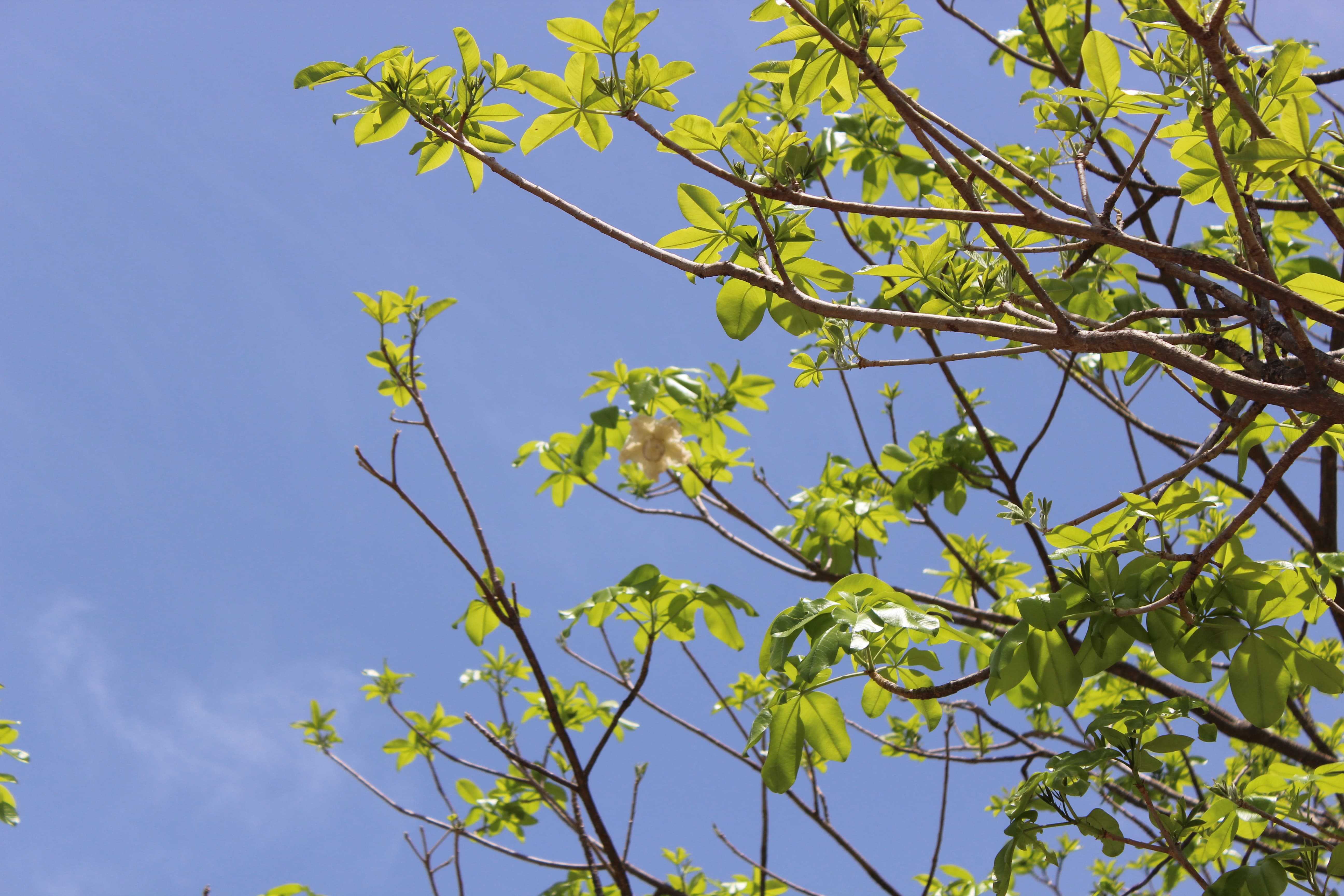
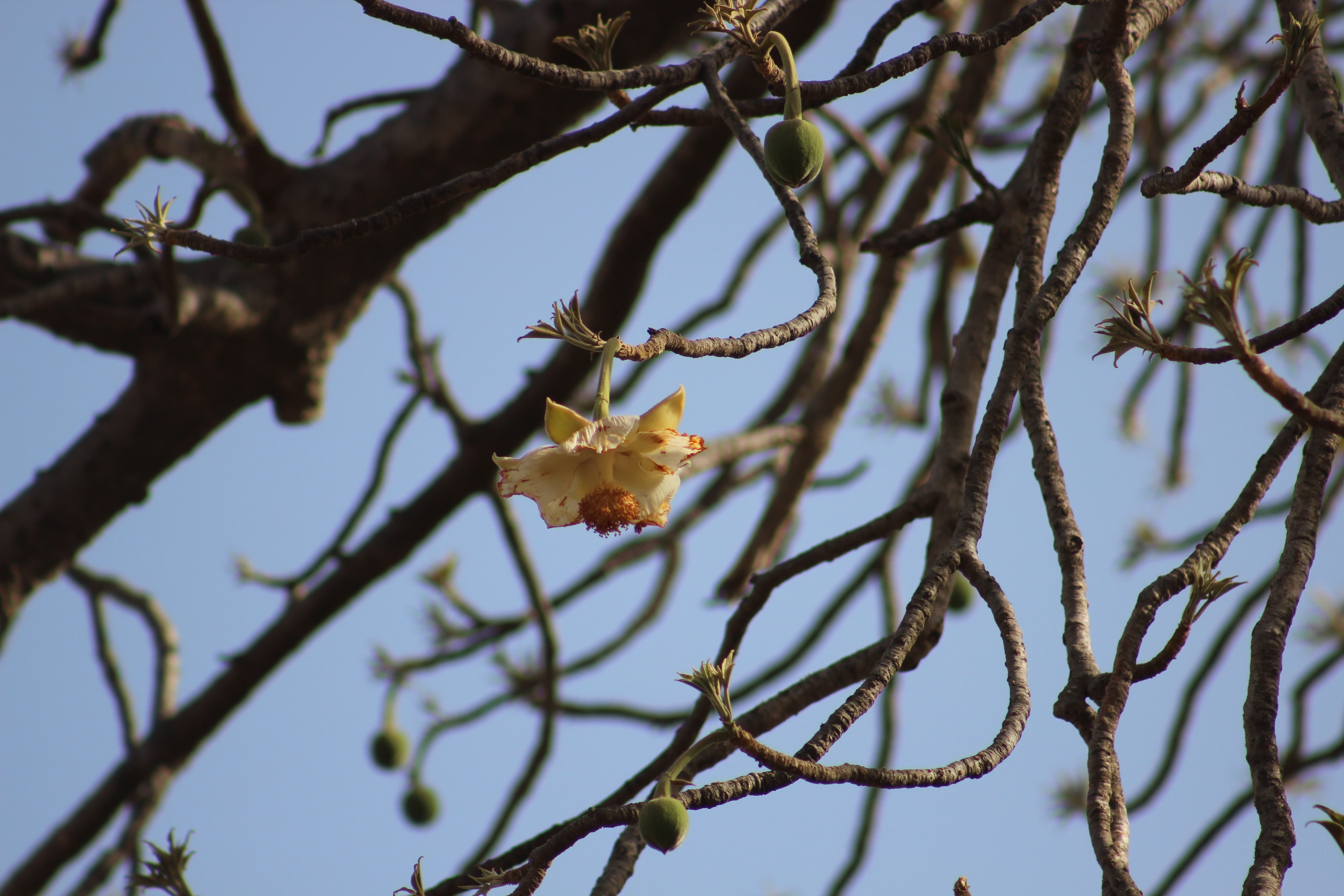
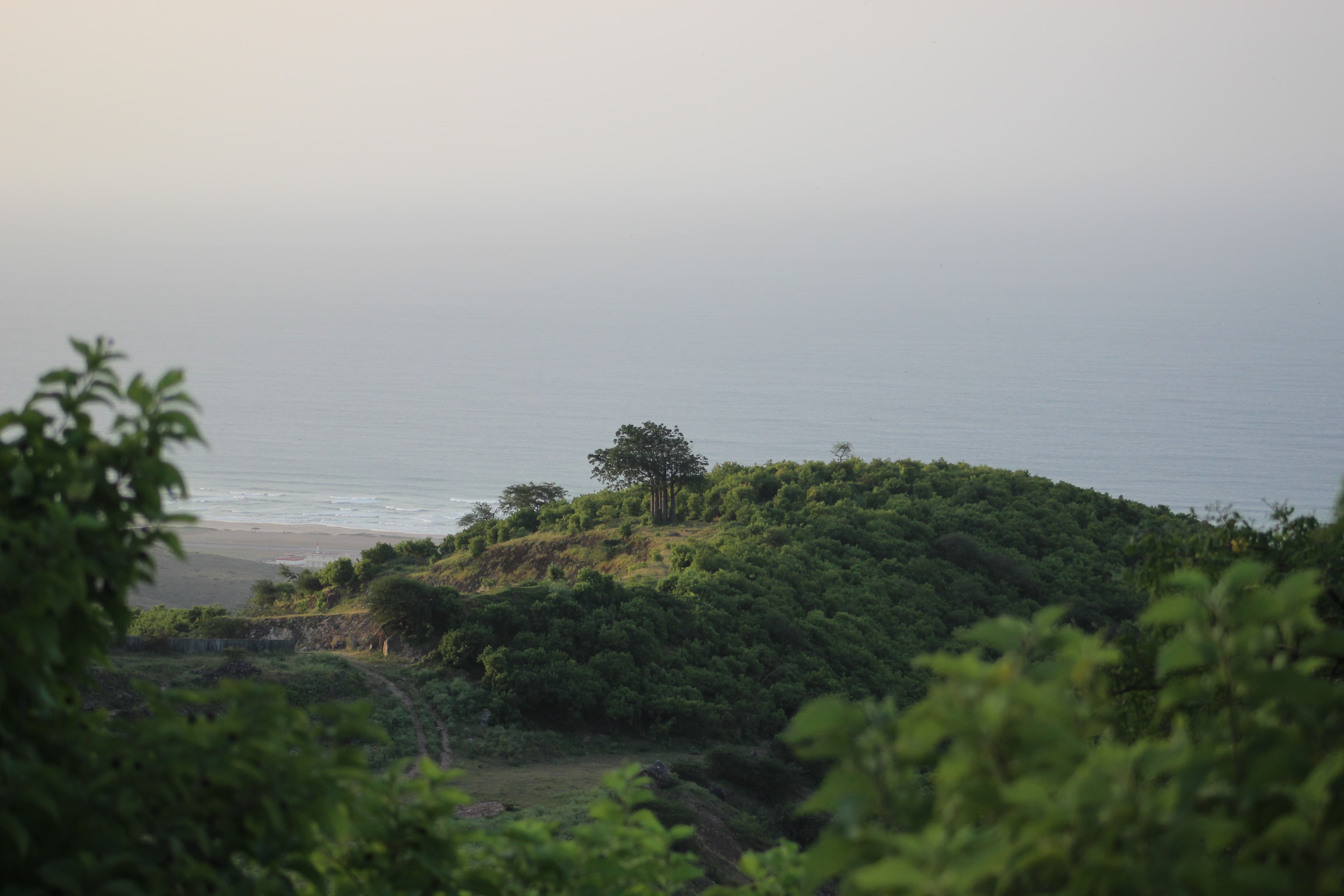
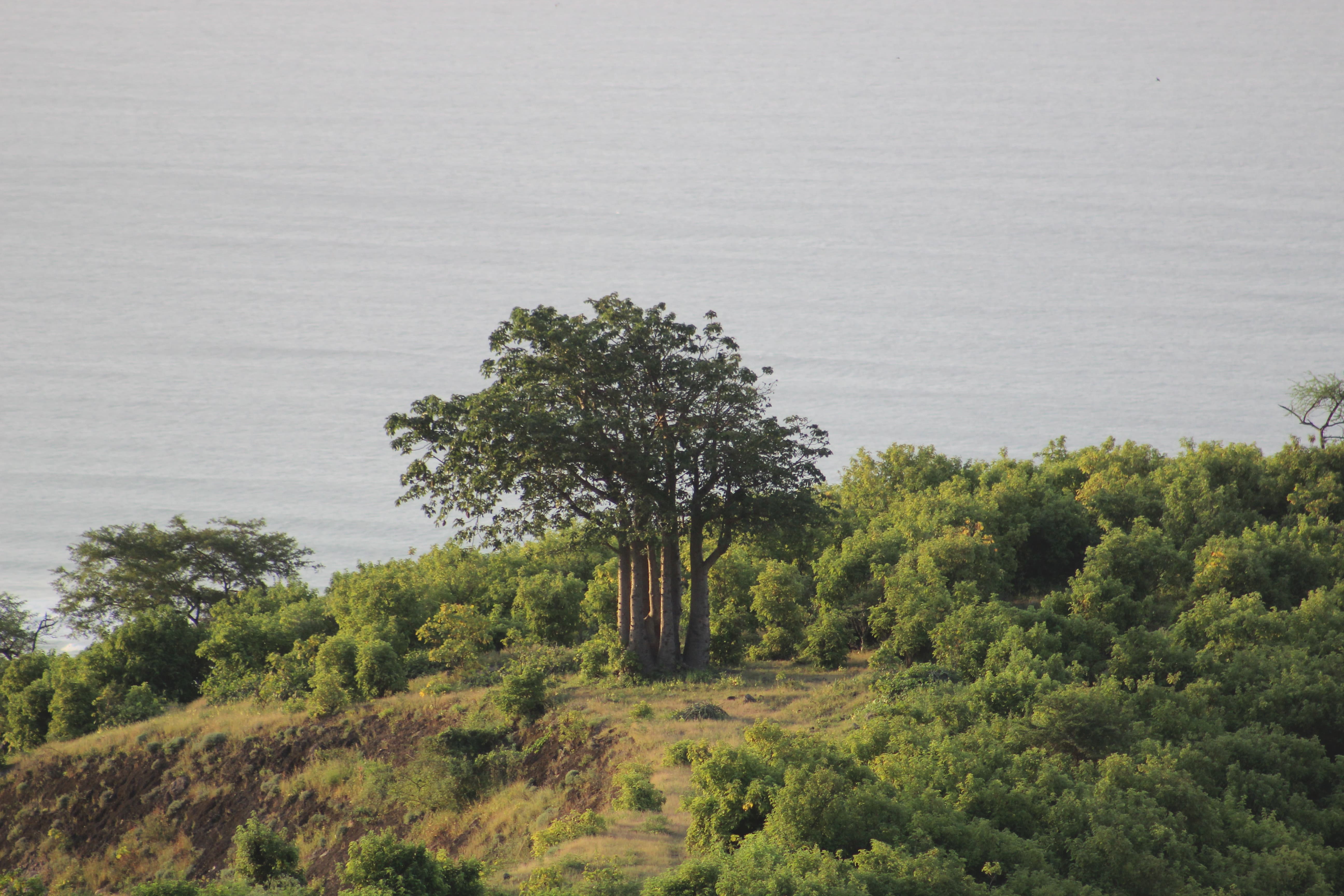
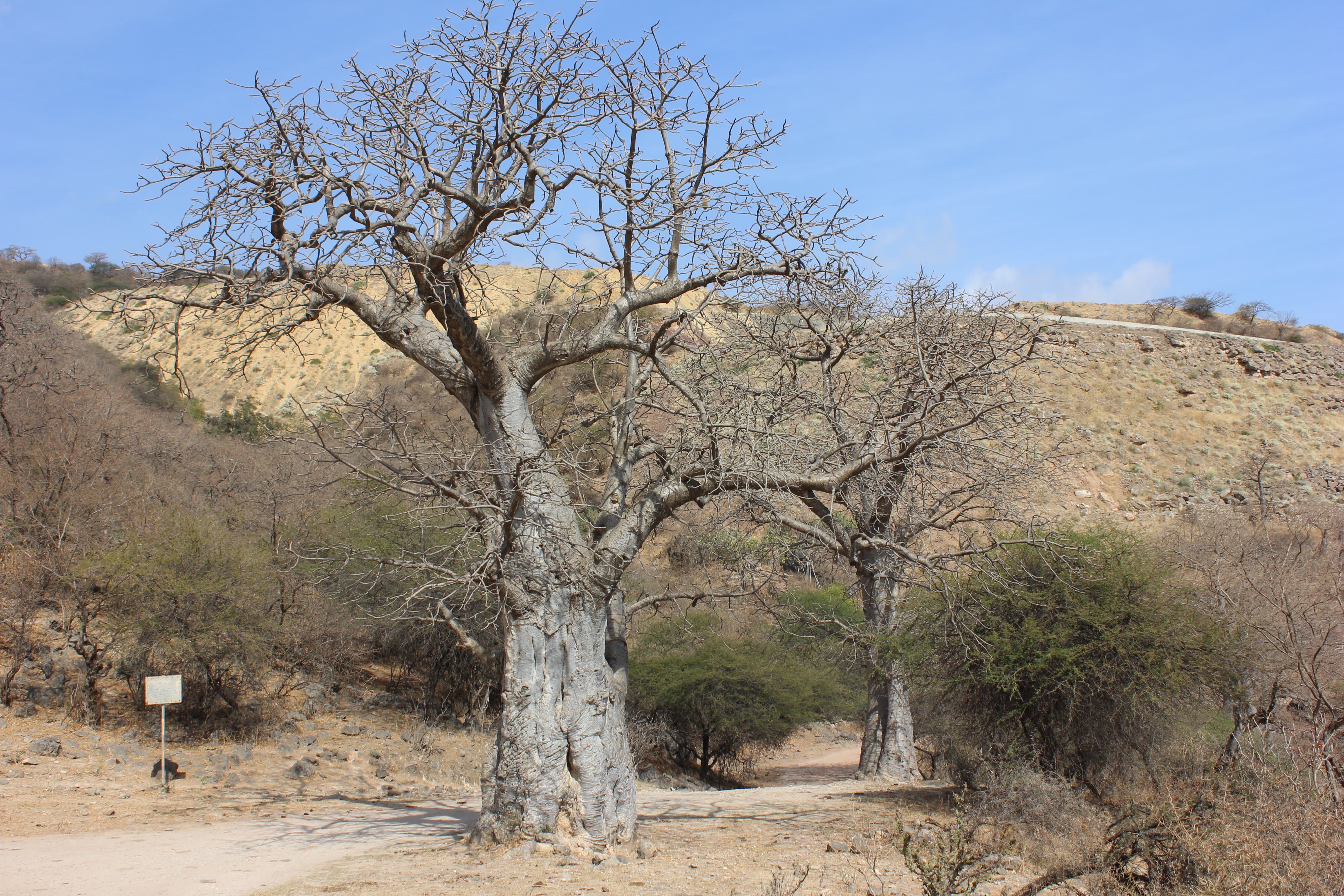
Adansonia_digitata_2 © OBG
Adansonia_digitata_3 © OBG
Adansonia_digitata_4 © OBG
Adansonia_digitata_5 © OBG
Adansonia_digitata_6 © OBG
Adansonia_digitata_7 © OBG
Adansonia_digitata_8 © OBG
Adansonia_digitata_9 © OBG
Adansonia_digitata © OBG
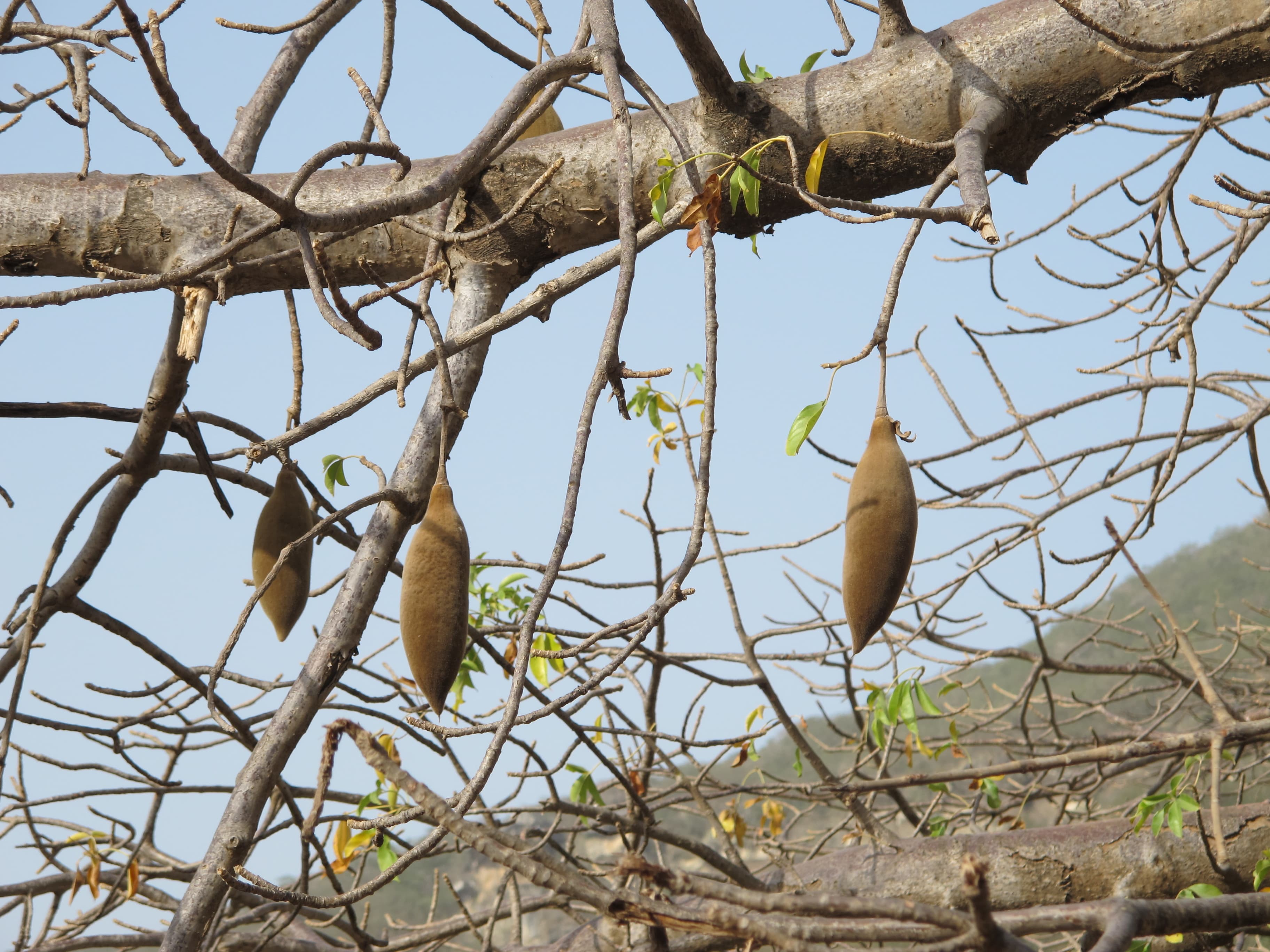
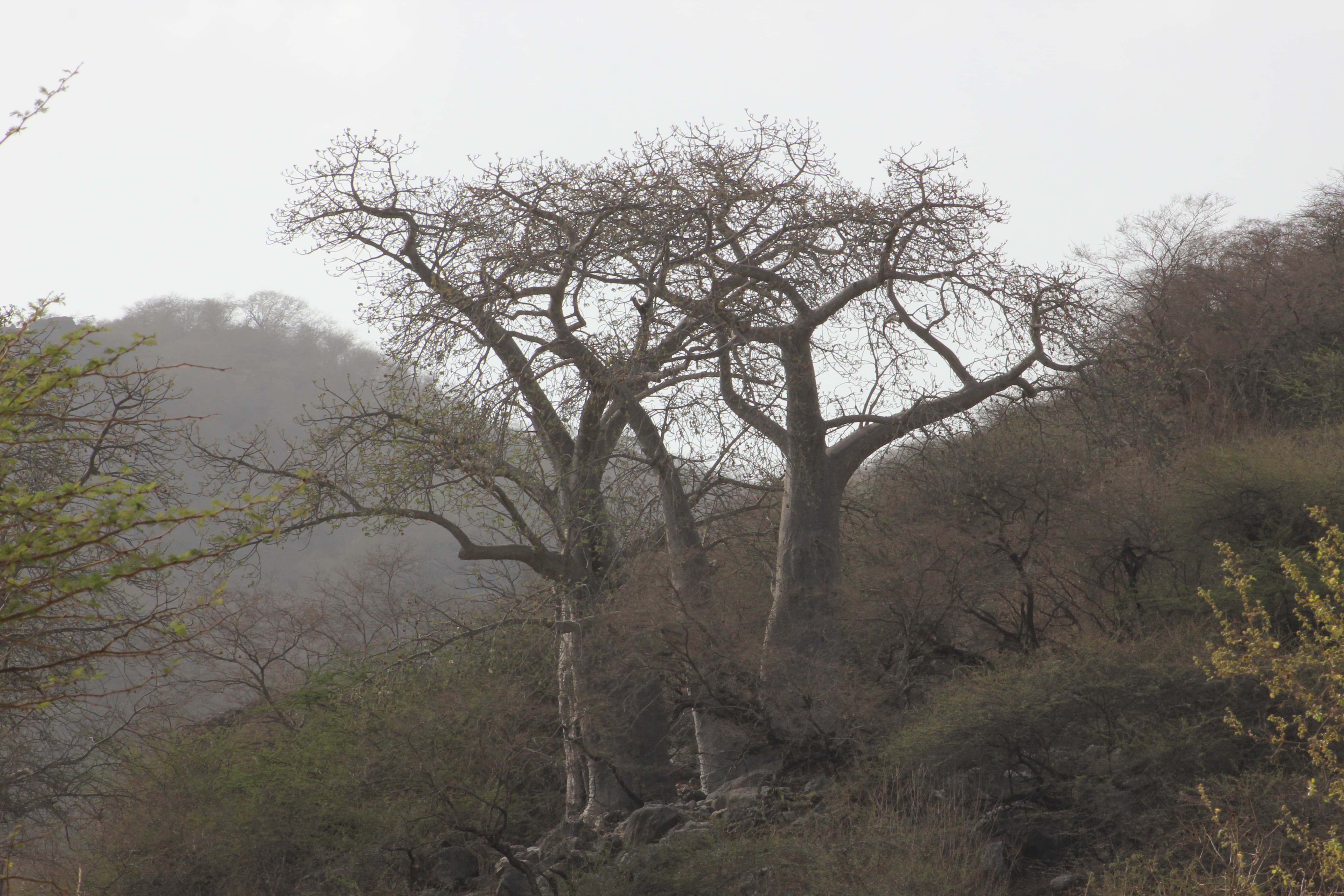
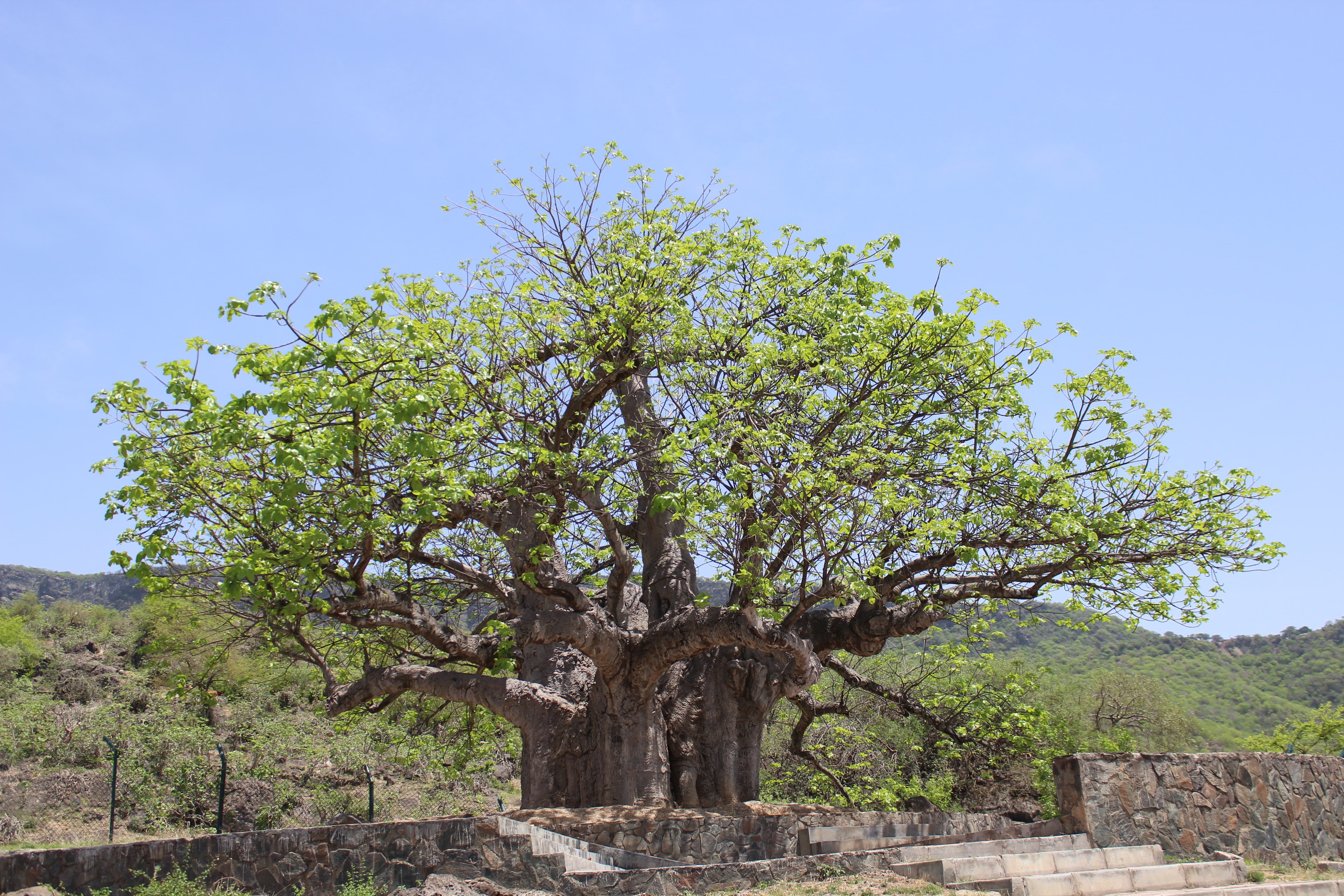
A massive , deciduous tree ; up to 20 m tall , with a conical grey/black trunk . Stems and branches thick . Leaves alternate , simple or palmate , 1-5-foliolate ; leaflets sessile , glabrous , 5-15 x 2-7 cm , lanceolate , apex acute , basecuneate , margin entire ; petiole up to 15 cm . Inflorescences solitary or paired , borne in the leaf axils . Flowers large , white , pendulous , nocturnal , with anpleasant smell , pollinated by bats ; calyx 3-5-lobed , lobes 6-7 mm , oblong-elliptic , glabrous with age ; petals 6-8 x 5-6 cm , broadly obovate , base shortly clawed ; stamens many , fused to form a tube which is attached to the base of the corolla ; ovary ovoid , tomentose ; style 5–6 . 5 cm long . Fruit 20-30 x 8-12 cm , ovoid covered in soft brown hair . Seeds 13 x 10 mm , many , dark brown/black , smooth , embedded in a white , mealy pulp . (Ref . Flora of Oman ; vol . 1) .
No Data
Rare & Threatened - National Assessment
Not Common
الوصف غير متاح حاليًا
Adansonia bahobab L.
Baobabus digitata (L.) Kuntze
Ophelus sitularius Lour.
The baobab tree or succulent-like tree is propagated by seeds. The steps to follow: • Soak seeds in warm water for at least 24 hours. • Sow seeds in seed tray or separate pots filled with 3 peat moss: 1 compost. • Irrigate the seed tray/pot three times a week. • Germination commences from the 5th day and some can take a year to germinate. Seed germination of this species is high with average germination around 72%.
maintenanceAr.Item1
Baobab
African Baobab
Monkey-bread Tree
Upside-down Tree
Cream of Tartar Tree
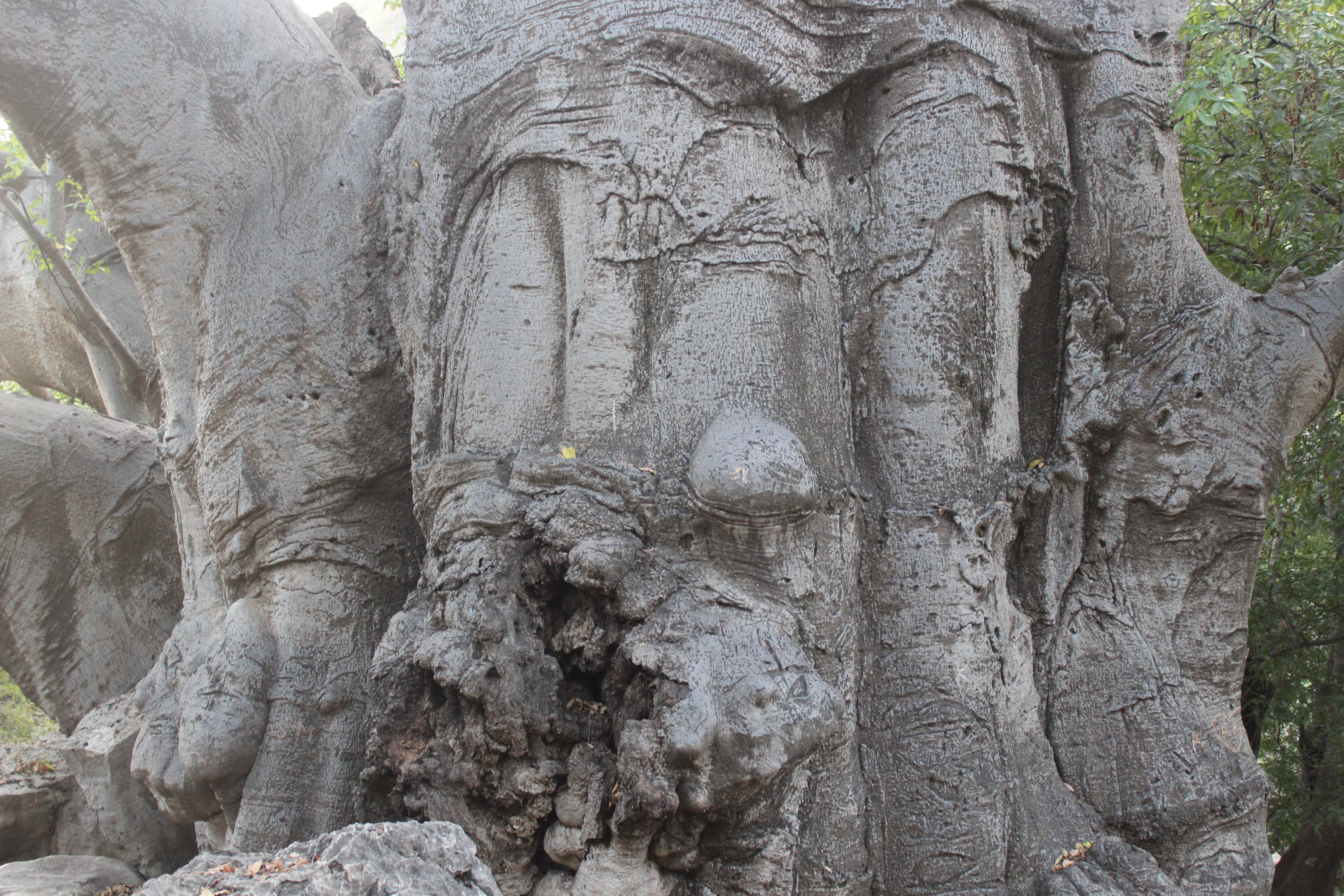
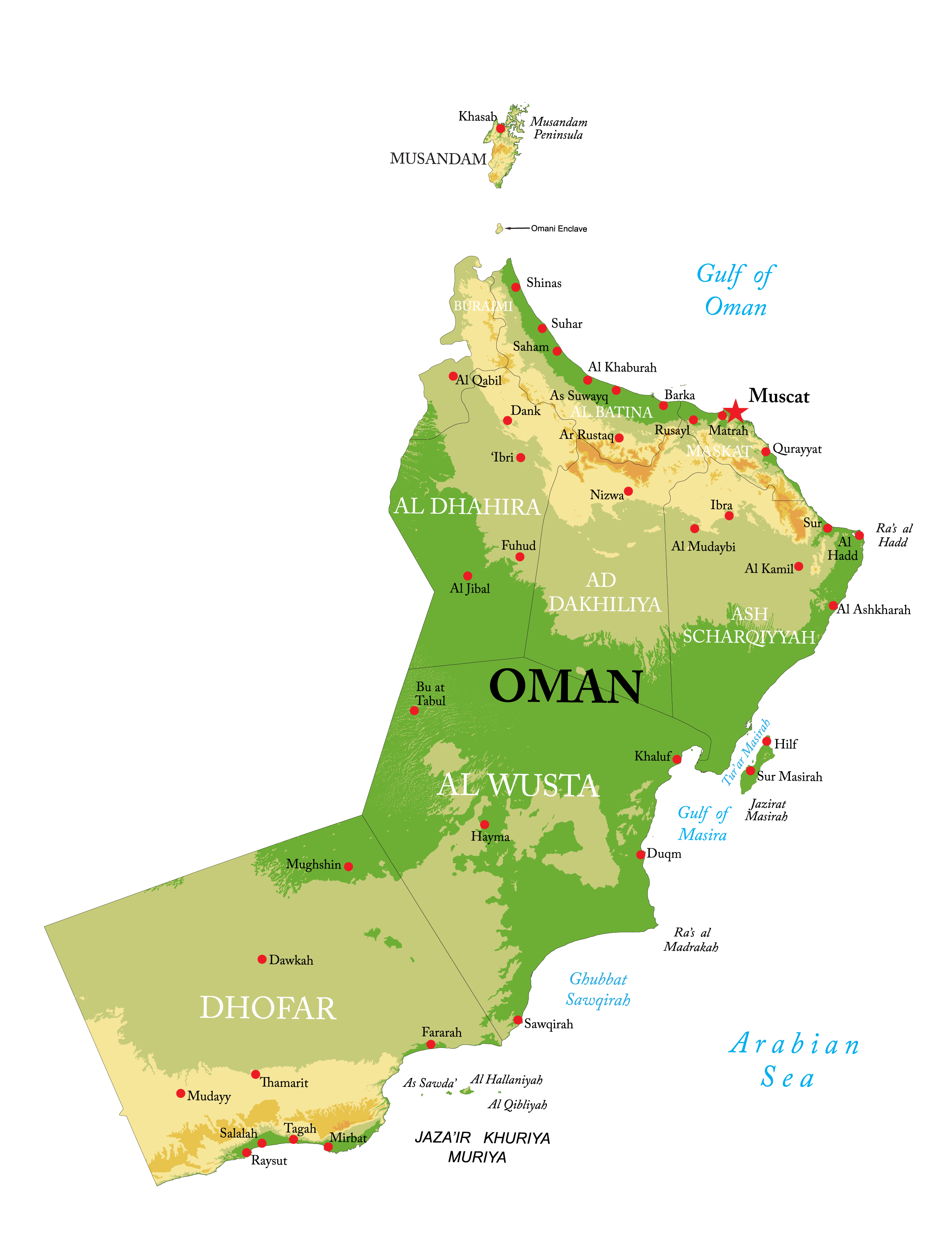
In Omani studies: Miller & Morris (1988) wrote that: "A. digitata is rare in Dhofar, which perhaps explains why it is so under-exploited in comparison with the central role it plays in parts of Africa, for instance. It is beloved of bees, and the huge, creamy-coloured and strongly scented flowers attract clouds of them. The fresh pulp of the large fruit was used in Dhofar, being taken as a mild laxative, but otherwise the tree was little exploited. The foliage is not eaten by cattle, and the tree's relative rarity means that its wood has not been put to the test as firewood, charcoal, or building material, and so on". (Ref. Plants of Dhofar). In northern Oman, there was a myth, that the tree has a magical healing effect, where locals used to dig a nail on the tree main trunk. This is due to the weird, unusual general appearance
...

*Ghazanfar, S. (2003). Flora of the Sultanate of Oman, vol.1: Piperaceae – Primulaceae. Meise, National Botanic Garden of Belgium (Scripta Botanica Begica, Vol. 25). ISBN 90-72619-55-2 ISSN 0779-2387. *https://en.wikipedia.org
*Miller, A., Morris, M. (1988). Plants of Dhofar, the Southern Region of Oman: Traditional, Economic, and Medicinal Uses. Published by Office of the Adviser for Conservation of the Environment, Diwan of Royal Court, Sultanate of Oman; ISBN 10: 0715708082 ISSN 13: 9780715708088.
*Gledhill, D. (2008). The Names of Plants. Fourth Edition. Cambridge University Press, UK. ISBN 978-0-521-86645-3 ISSN 978-0-521-68553-5.
*Pickering, H. Patzelt, A. (2008). Field Guide to the Wild Plants of Oman. Kew publishing, Royal Botanic Garden, Kew. ISBN 9781842461778.
*Hammer, K. Gebauer, J. Al Khanjari, S. Buerkert, A. (2009). Oman at the cross-roads of inter-regional exchange of cultivated plants. Gene Resour Crop Evol (2009) 56:547-560. Springer Science+Business Media B.V. 2008. DOI 10.1007/s10722-008-9385-z.
*Patzelt, A. (2015). Oman Plant Red Data Book.
...
