
Prostrate woody based herb ; up to 2 m high . Stems prostrate to ascanding , profusely branched , slightly hairy . Leaves alternate , 2-6 x 3-7 cm , palmately 3-5-lobed , orbicular in outline , tips of lobes rounded and cuspidate , margins entire , sparsely stellate-pubescent , dotted with black glands . Inflorescences solitary , borne in the leaf axils ; pedicels up to 10 mm long in fruit ; bracts linear . Flowers cream or yellow turning pink with age with a red centre ; epicalyx 3 , 1 . 5-3 . 5 cm , each lobe segmented into 8-12 linear-lanceolate teeth , nerves red , gland-dotted , becoming spinescent in fruit ; calyx 6-8 mm , cup-shaped , with 5 shallow triangular teeth ; corolla 5 , fused at the base , spirally arranged , 2 . 5-3 cm , obovate , yellow with a crimson centre ; stamens numerous ; filaments fused at base forming a column surrounding the style , column c . 0 . 8 cm long , anthers attached to upper 2/3 of column ; ovary 3-locular with c . 3 ovules per loculus , style 3-branched at tip .
...

No Data
Not Evaluated (NE)
Not Common
الوصف غير متاح حاليًا
Not available
No data
maintenanceAr.Item1
Cotton
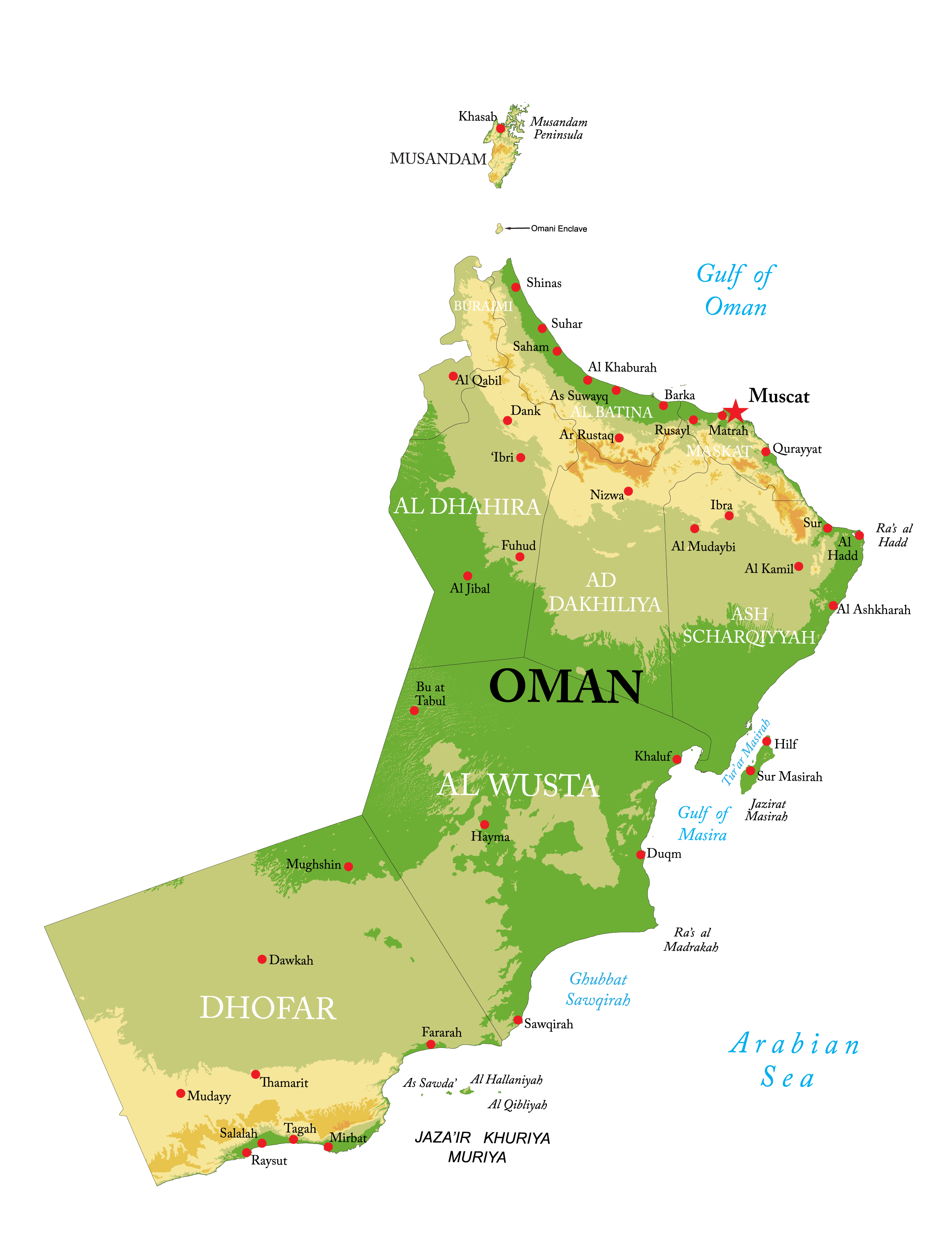
In Omani studies: Miller & Morris (1988) wrote that: "This small wild cotton which produces a very short stapled fibre grows plentifully in the coastal plains and foothills of Dhofar, but where it grows in wetter areas, it is said to produce no 'cotton'. It was the cottony fibre that was used locally - in much the way cotton wool is now - small pieces being soaked with medicinal oils and pastes and inserted into a painful or blocked ear, a cavity in an aching tooth, into a wound to dry it out or cleanse it, and so. Cotton was formerly widely cultivated on the Salalah plain, and as long as this was the case, the fibre of the larger balls of cotton produced by these cultivated bushes was preferred, but many throughout Dhofar had to make do with the rather inferior cotton of this wild species. Small pieces of
...
*Ghazanfar, S. (2003). Flora of the Sultanate of Oman, vol.1: Piperaceae – Primulaceae. Meise, National Botanic Garden of Belgium (Scripta Botanica Begica, Vol. 25). ISBN 90-72619-55-2 ISSN 0779-2387. *https://en.wikipedia.org * http://pza.sanbi.org *Miller, A., Morris, M. (1988). Plants of Dhofar, the Southern Region of Oman: Traditional, Economic, and Medicinal Uses. Published by Office of the Adviser for Conservation of the Environment, Diwan of Royal Court, Sultanate of Oman; ISBN 10: 0715708082 ISSN 13: 9780715708088. *Pickering, H. Patzelt, A. (2008). Field Guide to the Wild Plants of Oman. Kew publishing, Royal Botanic Garden, Kew. ISBN 9781842461778. *Hammer, K. Gebauer, J. Al Khanjari, S. Buerkert, A. (2009). Oman at the cross-roads of inter-regional exchange of cultivated plants. Gene Resour Crop Evol (2009) 56:547-560. Springer Science+Business Media B.V. 2008. DOI 10.1007/s10722-008-9385-z. *POWO (2023). ""Plants of the World Online. Facilitated by the Royal Botanic Gardens, Kew. Published on the Internet; http://www.plantsoftheworldonline.org
