
Much-branched shrub or small tree ; up to 3 m tall , covered in star-shaped hairs , becoming glabrous with age . Stems erect , covered in yellowish silky hairs . Leaves alternate , 1-2 x 0 . 5-1 . 3 cm , grey-green , broadly elliptic to almost round , heart-shaped , base slightly cordate , apex rounded , margin toothed , 3-veined from the base , thickly textured , covered in rough greyish-white , cream or rusty hairs . Inflorescences in clusters of 2 to 4-flowered cymes , axillary ; pedicels ± 4 mm , pubescent . Flowers yellow-orange , c . 2 cm in diameter , with hairy stalks ; sepals 5 , free , 8-10 mm , linear-oblong , green on the outer surface , pale brown on the inner surface , hairy on the outer surface ; petals 5 , free , ± 5 mm , oblong , shortly clawed , notched at the apex , provided with a hairy gland at the base ; stamens many , free , in 2 whorls ; ovary superior , 1-2-lobed , densely hairy ; stigma simple , laciniate at the top . Fruit drupes , 10-15 mm , globose , hard , densely
...

No Data
Not Evaluated (NE)
Frequent
الوصف غير متاح حاليًا
Grewia corylifolia (Nocca) A.Rich.
Grewia micropetala Bertol.
Tridermia papillosa Raf.
No data
maintenanceAr.Item1
Mallow Raisin
Mallow-leaved Cross-berry
Hairy Crossberry
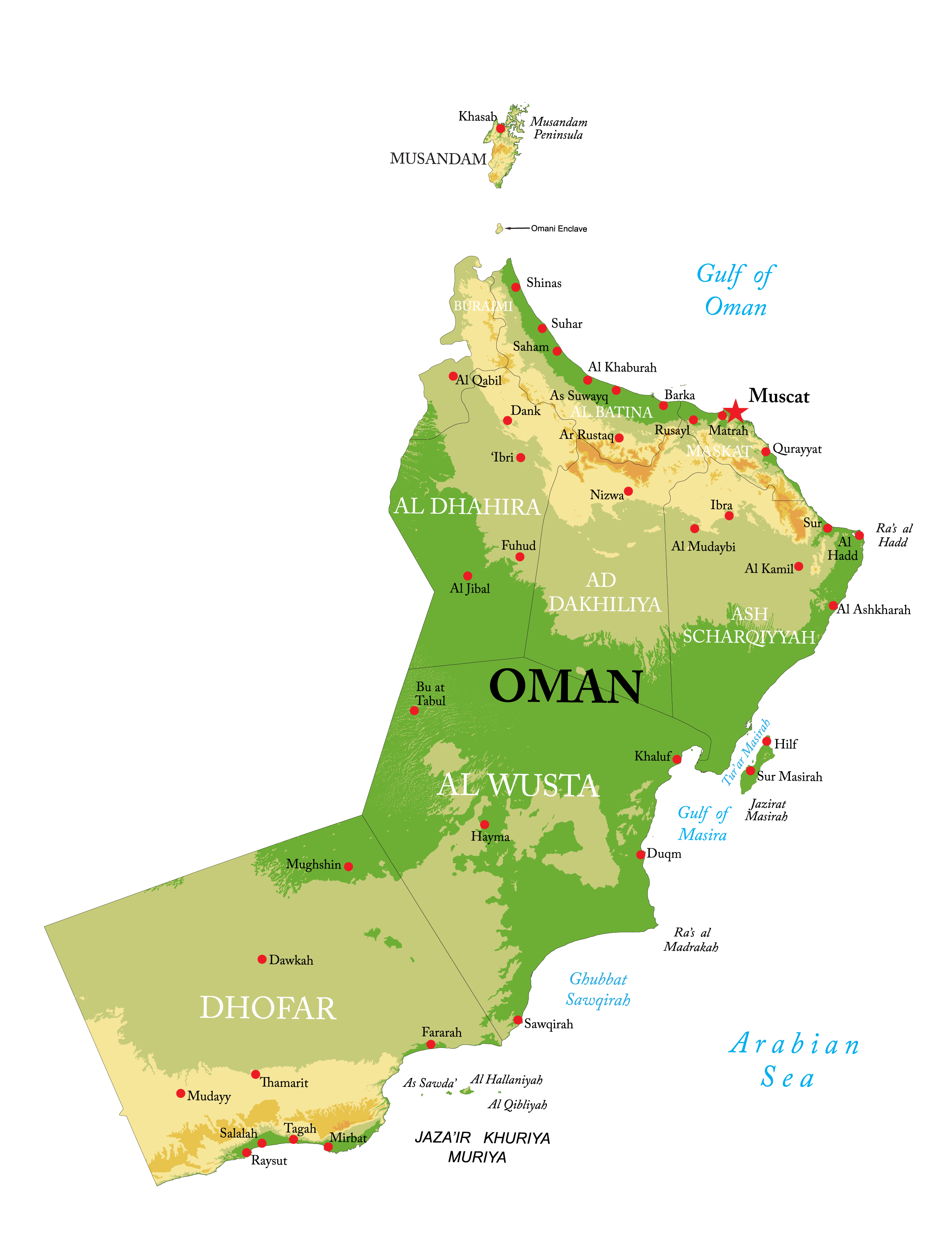
In Omani studies: Miller & Morris (1988) wrote that: "Grewia villosa produces unusual-looking, greenish flowers in clusters, and these in turn give way to the slightly hairy fruit [J: akimbor - a name given only to the larger fruit produced by the Grewia species]. The fruit were eaten both while immature and green and also once they had ripened and hardened to a dark, reddish-brown. The bark was stripped off and crushed in water or chewed to a pulp which was used to wash the body as well as to clean the hair and disinfect the scalp. Livestock of all kinds browse the foliage". (Ref. Plants of Dhofar). In addition, Ghazanfar (2003) mentioned that: "The fruit have sweet teste and edible". (Ref. Flora of Oman, vol. 1).
*Ghazanfar, S. (2003). Flora of the Sultanate of Oman, vol.1: Piperaceae – Primulaceae. Meise, National Botanic Garden of Belgium (Scripta Botanica Begica, Vol. 25). ISBN 90-72619-55-2 ISSN 0779-2387. *https://en.wikipedia.org * http://pza.sanbi.org *Miller, A., Morris, M. (1988). Plants of Dhofar, the Southern Region of Oman: Traditional, Economic, and Medicinal Uses. Published by Office of the Adviser for Conservation of the Environment, Diwan of Royal Court, Sultanate of Oman; ISBN 10: 0715708082 ISSN 13: 9780715708088. *Pickering, H. Patzelt, A. (2008). Field Guide to the Wild Plants of Oman. Kew publishing, Royal Botanic Garden, Kew. ISBN 9781842461778. *https://www.zimbabweflora.co.zw *Patzelt, A. (2015). Photographic Field Guide to the Plants of the Western Hajar Mountains, Sultanate of Oman: with a complete checklist of vascular plant species. Sultan Qaboos University – Academic Publication and Outreach Department. P.O Pox (17) Postal Code (123), Muscat, Al khoudh, Sultanate of Oman. *POWO (2023). ""Plants of the World Online. Facilitated by
...
