
Subshrub ; up to 25 cm high , with a woody base and grey , flaking bark . Stems much branched , stellate-hairy to glabrescent . Leaves alternate , 10-22 x 5-15 mm , grey-green , broadly-ovate , apex rounded , base rounded , margin irregularly dentate , stellate-hairy , nerves depressed ; petiole 5-12 mm . Inflorescences in terminal racemes or narrow panicles up to 5 cm long ; pedicels slender . Flowers yellow , becoming orange-red with age , nodding ; calyx 5-lobed , fused at base for 2 . 5-3 mm , campanulate , lobes acute , pubescent ; petals 5 , free , yellow turning brownish orange , oblong , as long as the calyx ; stamens 5 , opposite the petals ; filament c . 1 mm long ; anthers yellow , linear-triangular , 3-3 . 5 mm long , cohering around the style ; ovary 5-lobed , 5-loculate , densely sericeous ; style 5 , free to base ; stigma capitate . Fruit capsule , ± 4 mm in diameter , 5-lobed , hairy , surrounded by the persistent calyx , 1-4-seeded . Seeds c . 1 . 2 x 0 . 9 mm , reniform , reddish brown . (Ref . Flora of Oman ; vol . 1) .
No Data
Not Evaluated (NE)
Not Common
الوصف غير متاح حاليًا
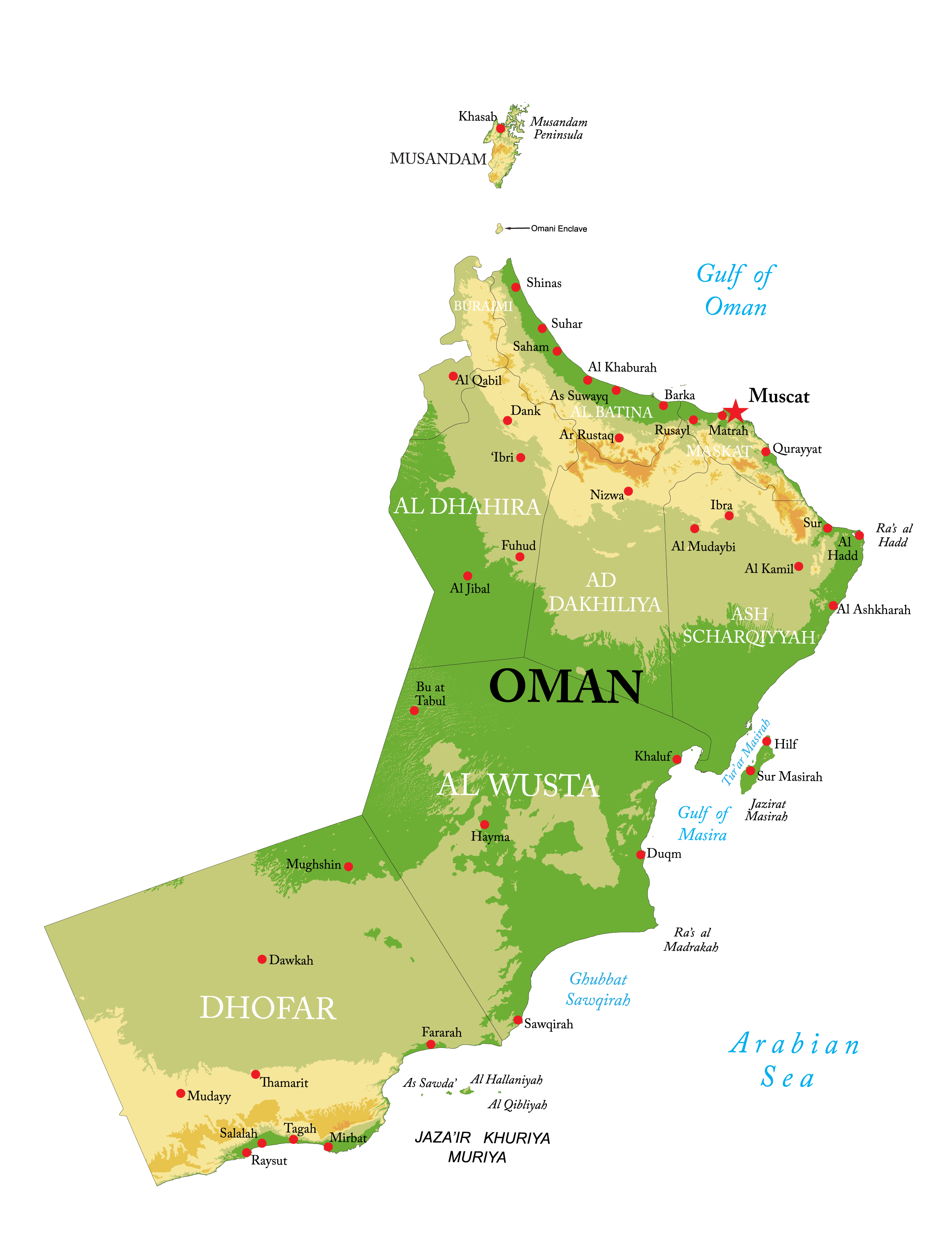
Not available
No data
maintenanceAr.Item1
Not known
In Omani studies: Miller & Morris (1988) wrote that: "After rain, when the greyish, apparently dead plant suddenly burgeons and puts out fresh new greenery, the young, tender foliage is edible, and provided a pleasant nibble in hungrier years. Once the leaves had grown to their full size, they were also plucked for use as a 'soap' to wash and cleanse the body, and, rubbed to a lather, were also used as a 'shampoo' for cleaning the hair and scalp. Women in particular used to wash with this plant after giving birth, or after the completion of the menstrual cycle. Medicinally, the root was dug up and attached to the tail of a goat with a retained placenta or which was slow in giving birth. A similar treatment was also given to a female goat which was suspected of being sterile. All parts of the plant provide a good fodder,
...

*Ghazanfar, S. (2003). Flora of the Sultanate of Oman, vol.1: Piperaceae – Primulaceae. Meise, National Botanic Garden of Belgium (Scripta Botanica Begica, Vol. 25). ISBN 90-72619-55-2 ISSN 0779-2387. *https://en.wikipedia.org *Miller, A., Morris, M. (1988). Plants of Dhofar, the Southern Region of Oman: Traditional, Economic, and Medicinal Uses. Published by Office of the Adviser for Conservation of the Environment, Diwan of Royal Court, Sultanate of Oman; ISBN 10: 0715708082 ISSN 13: 9780715708088. *POWO (2023). ""Plants of the World Online. Facilitated by the Royal Botanic Gardens, Kew. Published on the Internet; http://www.plantsoftheworldonline.org
