
Monoecious . Deciduous tree ; up to 8 m tall , with a single trunk , a rounded crown and smooth , grey-brown bark . Leaves alternate , crowded at the ends of branches , 8-15 cm long and broad , orbicular-ovate , apex obtuse , base cordate ; petiole 5-10 cm , reddish , pubescent . Inflorescences in axillary panicles , peduncles 5-8 cm . Flowers showy , unisexual , ± 2 cm across , appearing before the leaves ; calyx yellow with red straks , camapnulate , 5-lobed above , lobes 6 . 5-7 mm , densely tomentose on the outer surface ; petals absent ; stamens 10-15 , filaments fused into a column ; ovary 5-celled , rudimentary in male flowers ; stigma 5-lobed . Fruit of 3-5 follicles , each 6 x 2 cm , ovoid , somewhat curved with a shortly tailed tip , red , leathery becoming woody with age , several -seeded , densely stellate-pubescent with yellowish hairs ; hairs inside the follicle urticating . Seeds 12–15 mm long , 7–8 mm wide , grey or black with a small aril . (Ref . Flora of Oman ; vol . 1) .
No Data
Rare & Threatened (RT) - Vulnerable (VU A1bc) - National Assessment ; Least Concern - Global Assessment
Rare
الوصف غير متاح حاليًا
Clompanus africana (Lour.) Kuntze
Sterculia triphaca R.Br.
Triphaca africana Lour.
No data
maintenanceAr.Item1
African Star-chestnut
Mopopaja Tree
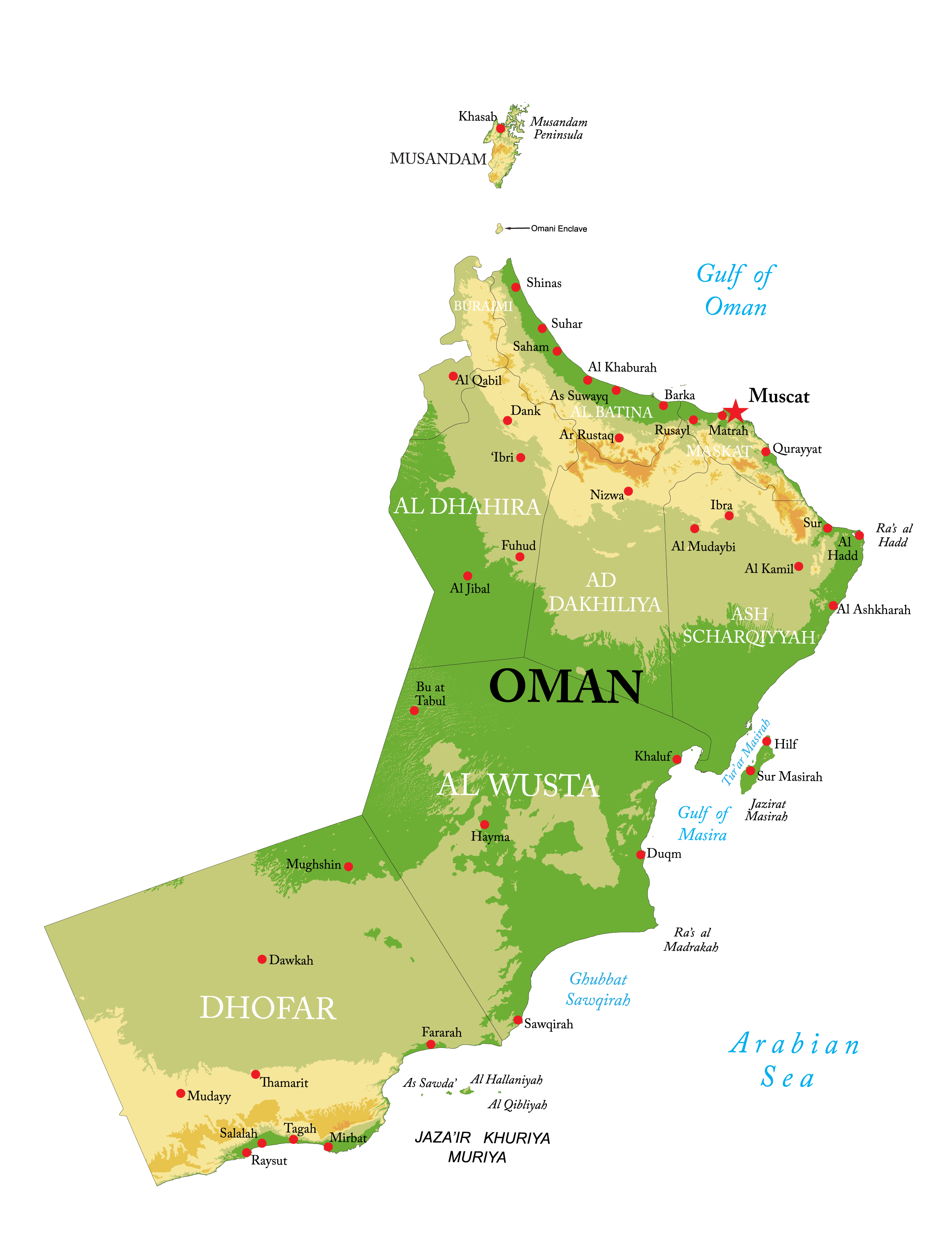
In Omani studies: Miller & Morris (1988) wrote that: "The tree is not common in Dhofar, occuring mainly on the seaward foothills of the monsoon affected mountains. Small quantities of resin ooze from the bark of the trunk and larger brunches, and these were collected and used as a washing agent. The small, hardening lumps were mixed with water or spittle and the lather was then rubbed over the body or onto the scalp as a shampoo to clean the hair and rid the scalp of head lice. Quite remarkable quantities of foam are produced by a very small piece of the resin. This foaming cleanser was also appreciated for its disinfectant qualities, and experts in veterinary care would wash their hands with it before performing internal examinations, operations such as the breaking of the hymen, or when assisting in the birth process. The wood of the tree is very
...

*Ghazanfar, S. (2003). Flora of the Sultanate of Oman, vol.1: Piperaceae – Primulaceae. Meise, National Botanic Garden of Belgium (Scripta Botanica Begica, Vol. 25). ISBN 90-72619-55-2 ISSN 0779-2387. *https://en.wikipedia.org *Miller, A., Morris, M. (1988). Plants of Dhofar, the Southern Region of Oman: Traditional, Economic, and Medicinal Uses. Published by Office of the Adviser for Conservation of the Environment, Diwan of Royal Court, Sultanate of Oman; ISBN 10: 0715708082 ISSN 13: 9780715708088. *Patzelt, A. (2015). Oman Plant Red Data Book. Published by Diwan of Royal Court, Sultanate of Oman. Oman Botanic Garden Publication No. 1. ISBN 978-99969-50-10-0. *POWO (2023). ""Plants of the World Online. Facilitated by the Royal Botanic Gardens, Kew. Published on the Internet; http://www.plantsoftheworldonline.org
