
Woody climber or hanging shrub ; up to 10 m high , often trailing with long slender , puberulous branchlets . Stems white-pubescent , often climbing or trailing ; trunk white . Leaves 10-25 x 6-11 mm , grey-green , ovate to triangular , sometimes 1-2-lobed at the base , base cuneate or rounded , obtuse tip , entire margin , thinly pubescent ; 3-veined from the base , veins indistinct . Inflorescences clusters axillary or on leafless branches . Flowers unisexual , minute , yellow-green ; male flowers in panicles ; female flowers 1-2 ; sepals 6 , in 2 whorls , c . 1 mm , ovate to orbicular ; petals 6 , c . 1 . 5 mm , emarginate , pubescent outside ; carpls 6 . Fruit drupe , 5-7 mm in diameter , globose , fleshy , reddish , turning black when dry . (Ref . Flora of Oman ; vol . 1) .
No Data
Not Evaluated (NE)
Frequent
الوصف غير متاح حاليًا
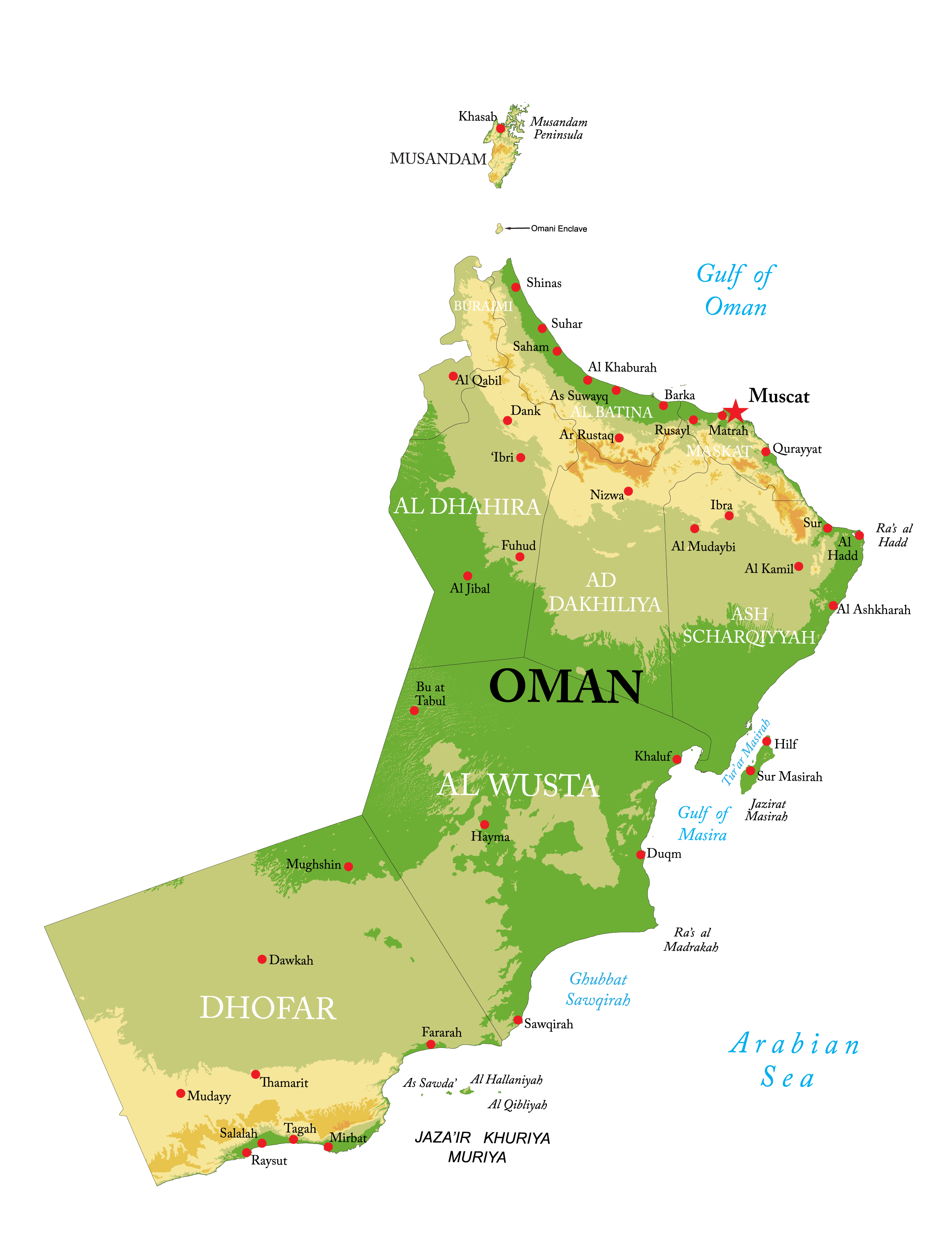
Adenocheton phyllanthoides Fenzl
Bricchettia somalensis Pax
Cebatha pendula (J.R.Forst. & G.Forst.) Kuntze
Cocculus leaeba (Delile) DC.
Epibaterium pendulum J.R.Forst. & G.Forst.
Leaeba dubia J.F.Gmel.
Menispermum ellipticum Poir.
No data
maintenanceAr.Item1
Not known
In northern Oman, the dark red fleshy fruits are edible. The foliage known grazed by livestock if possible. (Ref. Oman Botanic Garen). In Omani studies: Miller & Morris (1988) wrote that: "C. pendulus, called locally [J: isten, yisten], is by many regarded as being an unlucky and slightly sinister plant, beloved of the jinn, but children find that its hanging white stems make as excellent a swing [J: metbohot] as do the 'rops' that hang down from the Ficus vasta, and spend many a happy moment swinging up and down on them in the pleasant shade of whichever tree the vine has chosen as its host". (Ref. Plants of Dhofar).
*Ghazanfar, S. (2003). Flora of the Sultanate of Oman, vol.1: Piperaceae – Primulaceae. Meise, National Botanic Garden of Belgium (Scripta Botanica Begica, Vol. 25). ISBN 90-72619-55-2 ISSN 0779-2387. *Miller, A., Morris, M. (1988). Plants of Dhofar, the Southern Region of Oman: Traditional, Economic, and Medicinal Uses. Published by Office of the Adviser for Conservation of the Environment, Diwan of Royal Court, Sultanate of Oman; ISBN 10: 0715708082 ISSN 13: 9780715708088. *https://en.wikipedia.org *Gledhill, D. (2008). The Names of Plants. Fourth Edition. Cambridge University Press, UK. ISBN 978-0-521-86645-3 ISSN 978-0-521-68553-5. *https://en.wiktionary.org *http://www.efloras.org *Patzelt, A. (2015). Photographic Field Guide to the Plants of the Western Hajar Mountains, Sultanate of Oman: with a complete checklist of vascular plant species. Sultan Qaboos University – Academic Publication and Outreach Department. P.O Pox (17) Postal Code (123), Muscat, Al khoudh, Sultanate of Oman. *Miller, A.G. & Cope, T.A. (1996). Flora of the Arabian Peninsula and Socotra 1:
...