Ficus_ingens_2 © OBG
Ficus_ingens_3 © OBG
Ficus_ingens_4 © OBG
Ficus_ingens_5 © OBG
Ficus_ingens_6 © OBG
Ficus_ingens_7 © OBG
Ficus_ingens_8 © OBG
Ficus_ingens © OBG
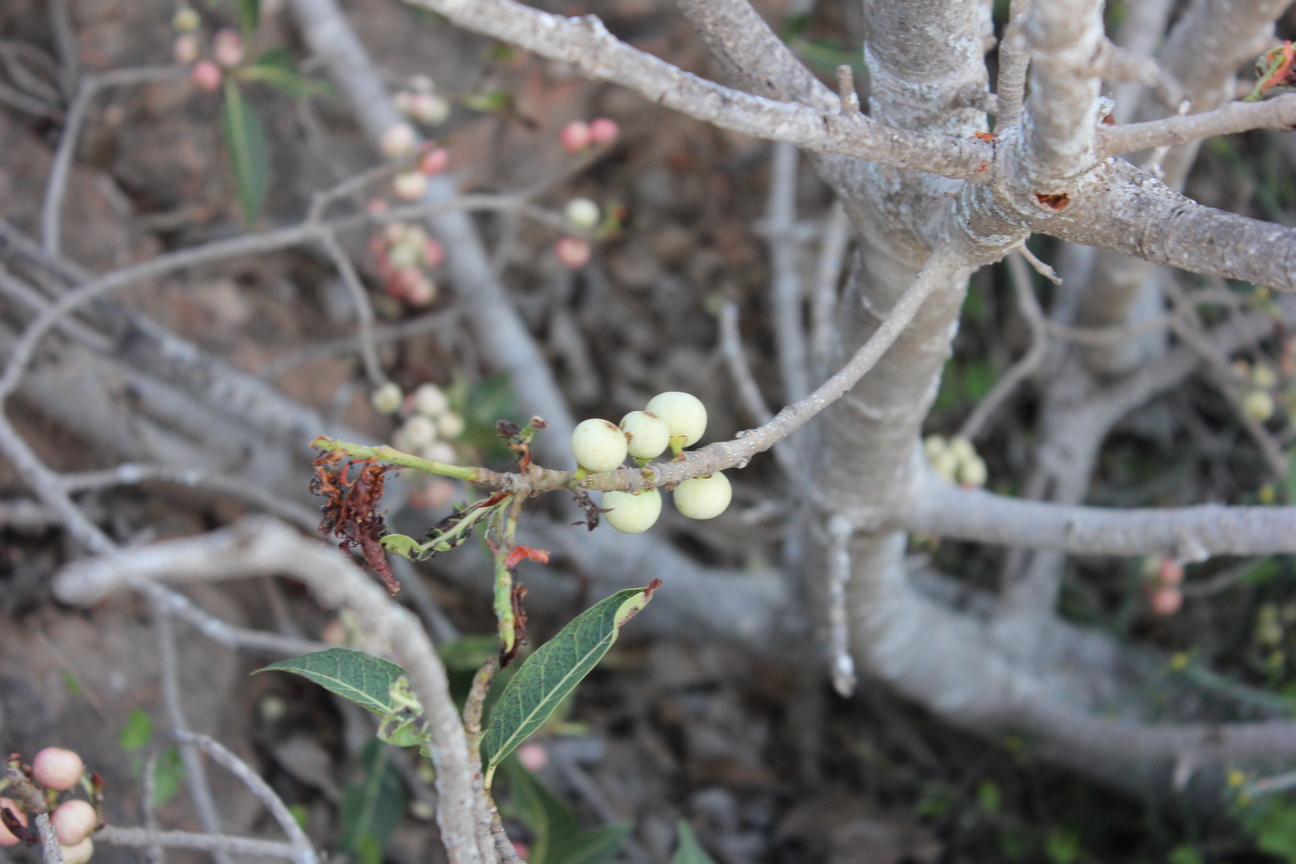
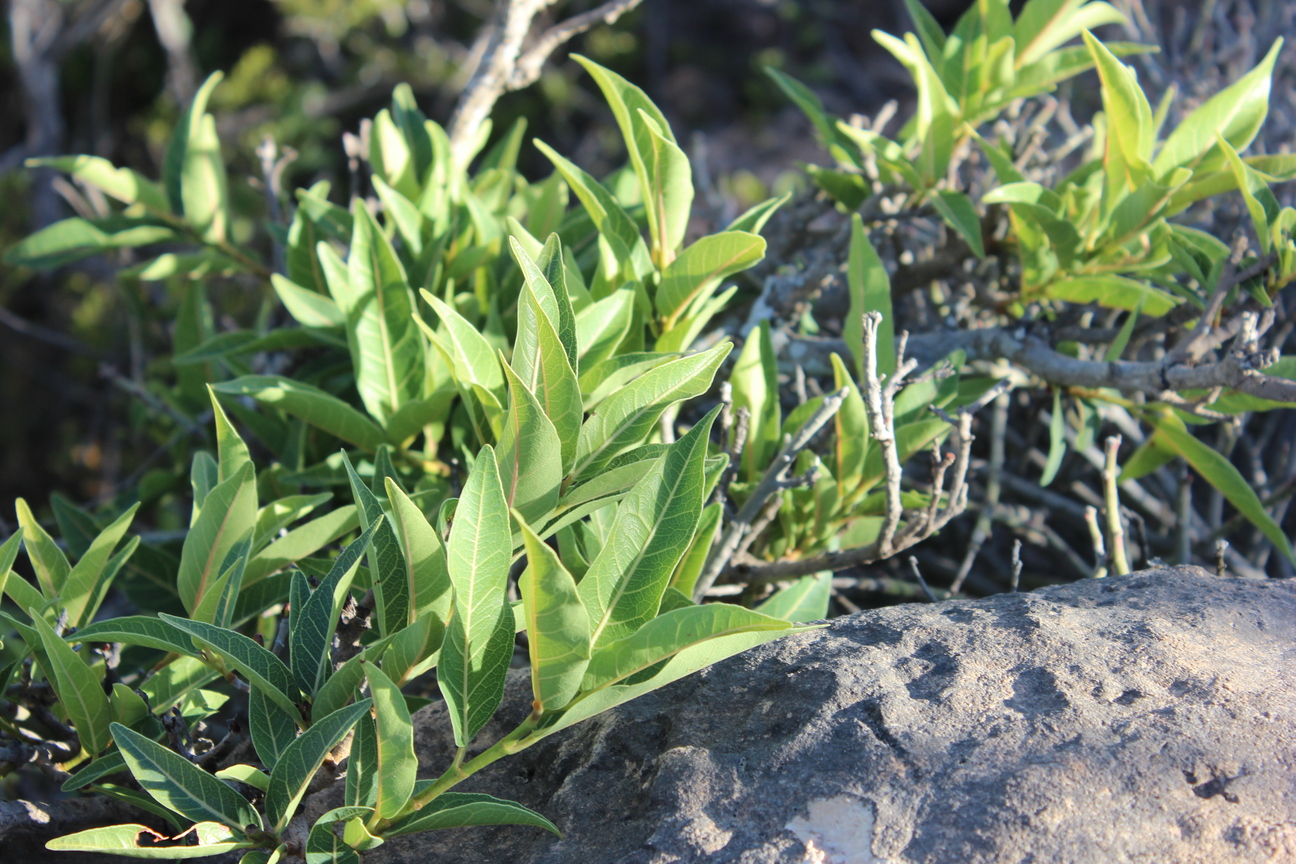
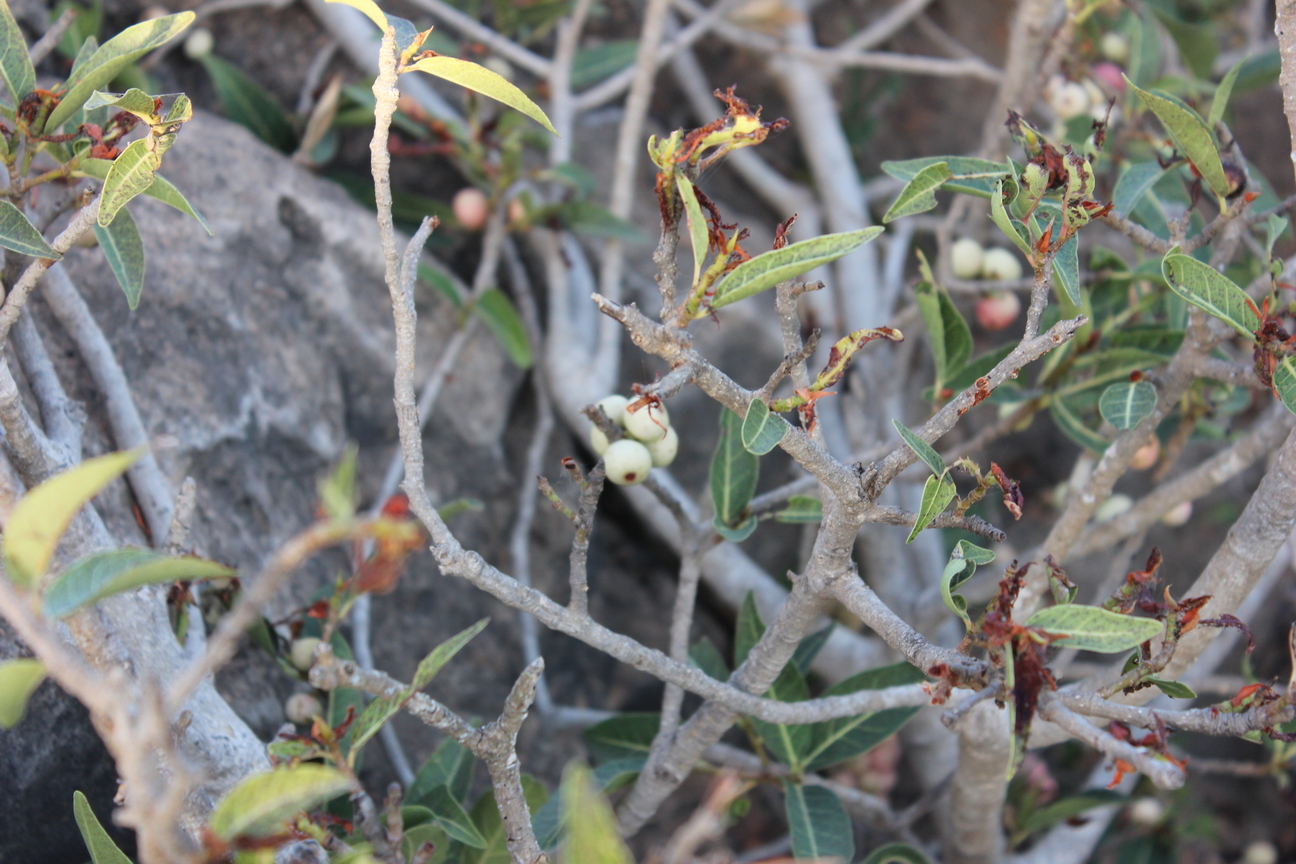
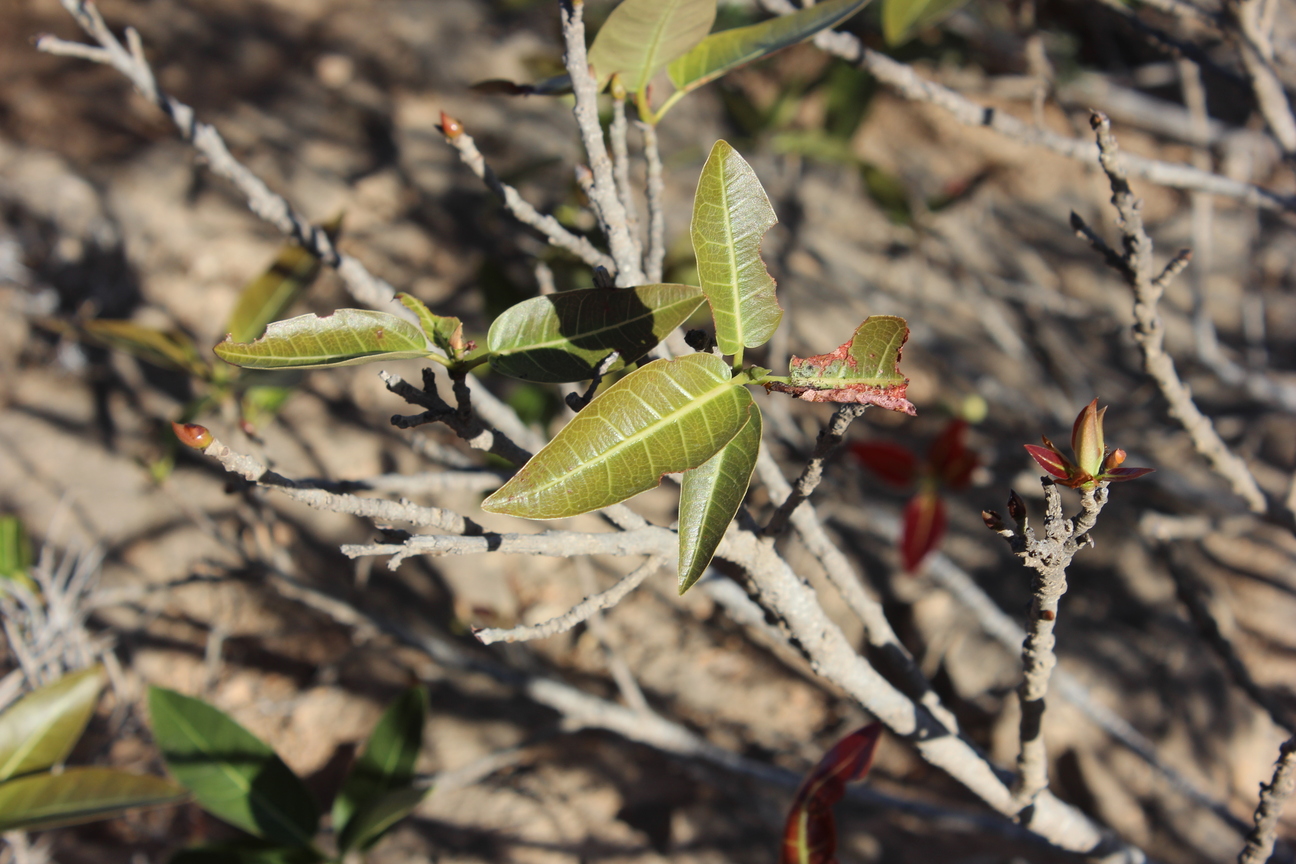
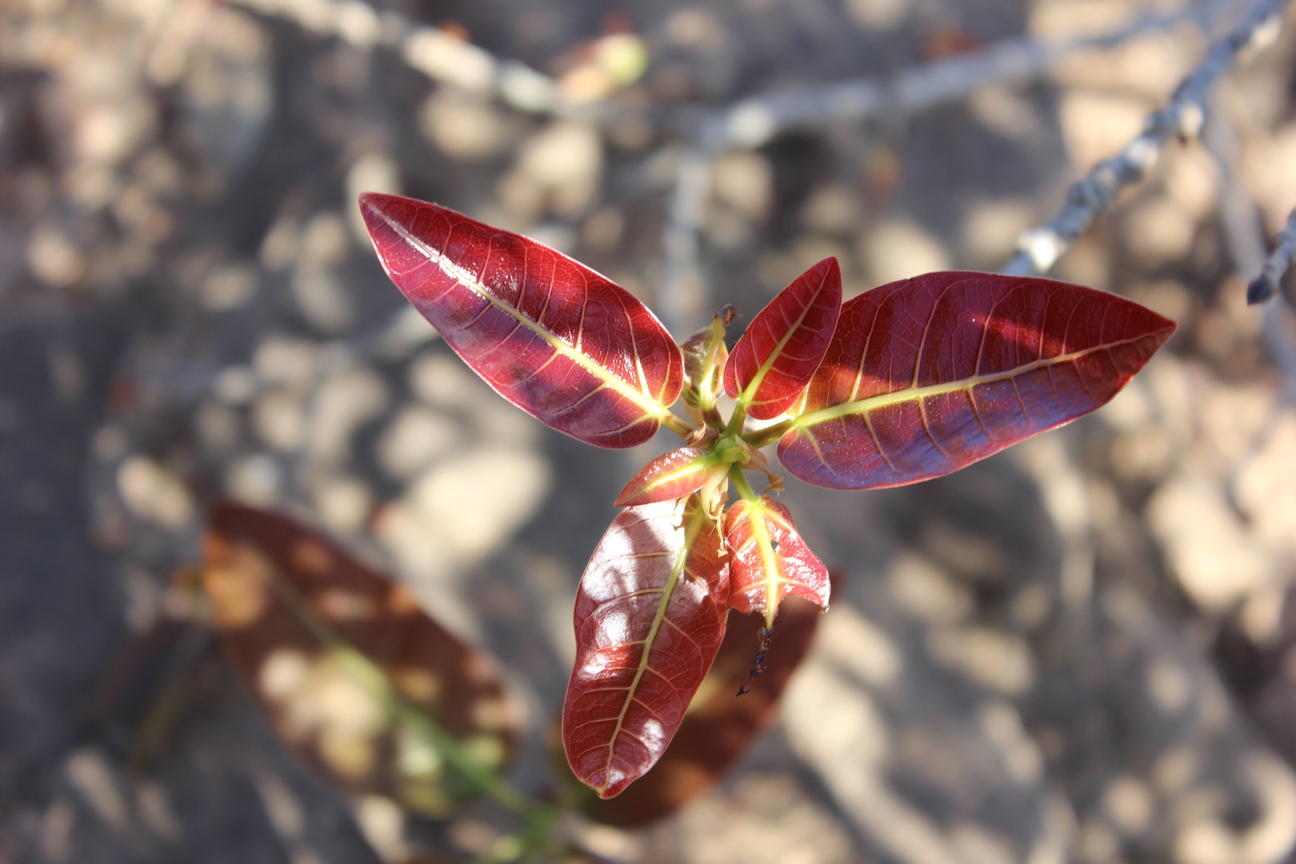
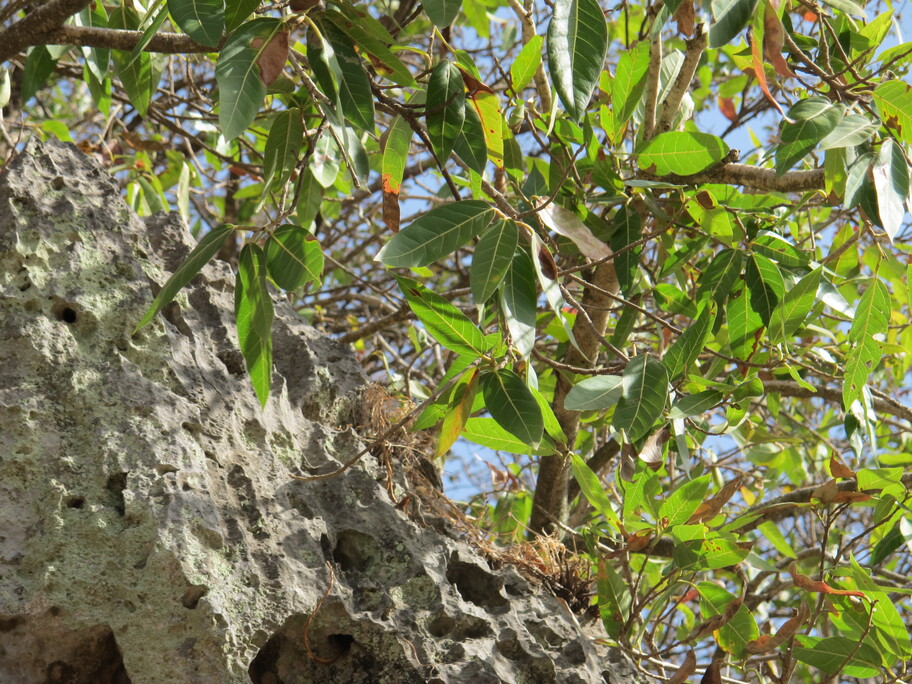
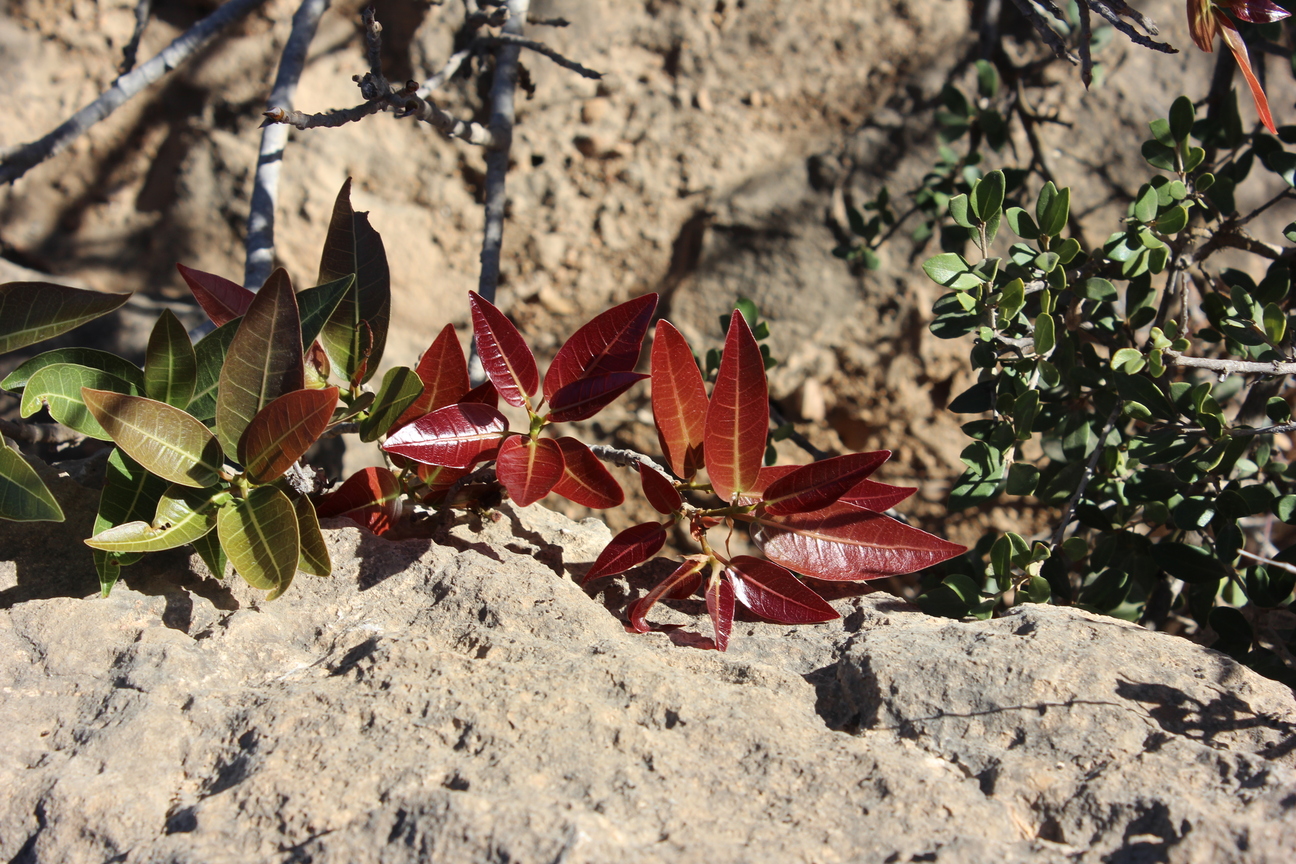
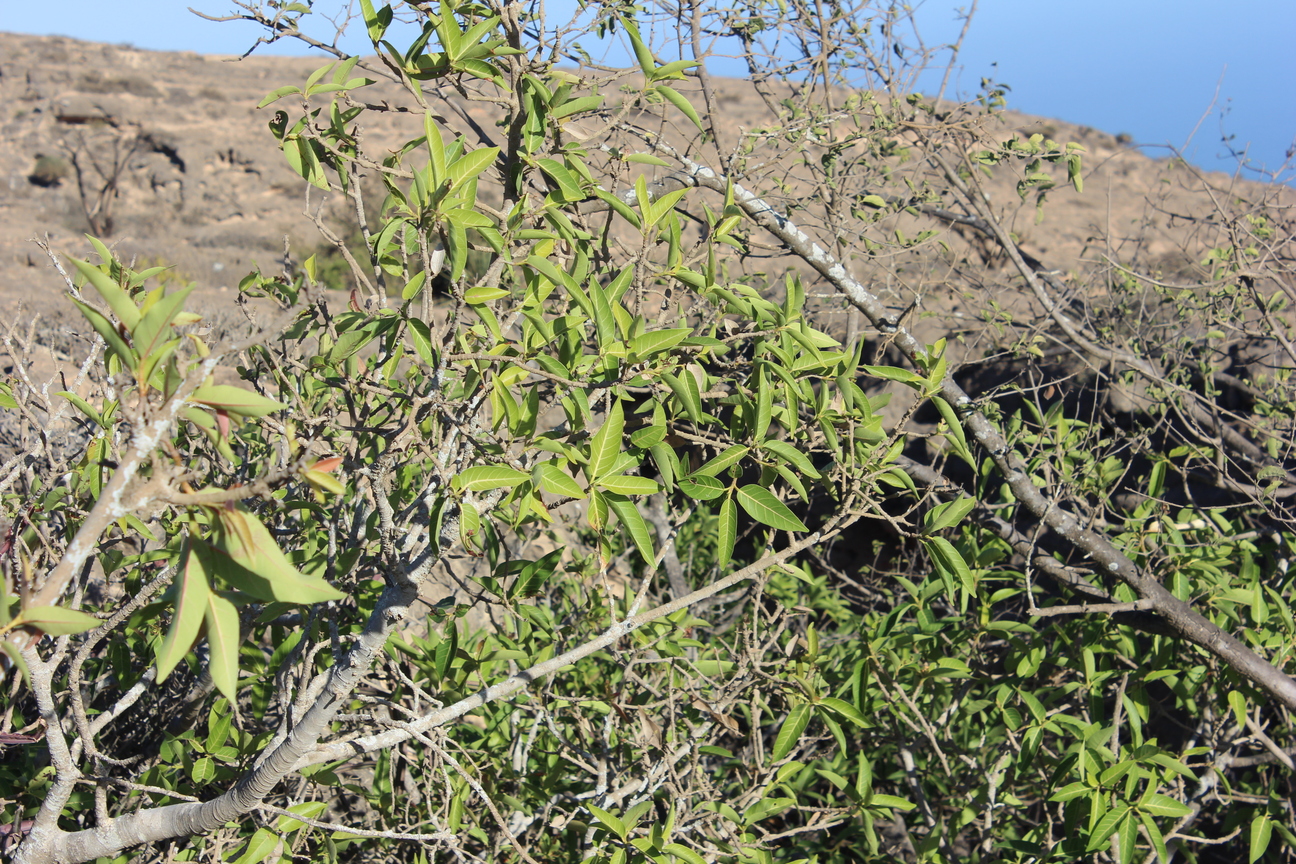
Shrub or small tree ; up to 10 m tall , with grey-brown bark , white latex and rounded , spreading crown . Stems smooth , grey-brown ; young branches with a yellow tinge . Leaves 9-20 x 3-8 cm , narrowly ovate to lanceolate to oblong-lanceolate , apex acute to acuminate , cordate or rounded to truncate at the base , margin entire , smooth , leathery , dull-green , bright red brown when young , sinuate , glabrous ; petiole 1-5 cm . Inflorescences (fig) 1-2 , in the leaf axils . Flowers minute , green , grow within the fruit , monoecious . Fruit fig , globose , glabrous to tomentose , sessile or pedunculated , white to reddish-pink when ripe . (Ref . Flora of Oman ; vol . 1) .
No Data
Not Evaluated (NE)
Not Common
الوصف غير متاح حاليًا
Ficus lutea sensu Miller & Morris (1988) and Schwartz (1939) non Vahl.
Urostigma ingens Miq.
This tree is propagated by seeds and stem cuttings. Steps to follow: 1. Seed propagation: • Sow collected seeds in seed tray filled with a ratio of 3 peat moss: 1 compost, 5 cm apart. • Irrigate the seed tray three times a week. • Germination commences from 14–24 days. Seed germination of this species is low and average germination is around 12%. 2. Cutting propagation: • For stem cutting propagation, use softwood, semi-hardwood and hardwood cuttings with at least 5 nodes. • For better rooting, use cutting hormone, and plant in long root trainer or pots filled with a ratio of 1 peat moss: 3 perlites: 1 compost. • Leave cutting on a bench with mist irrigation. • Stem rooting can vary from 13–94 days, with average rooting around 12%.
maintenanceAr.Item1
Red-Leaved Fig
Red-leaved Rock Fig
Red-leaf Wild Fig
Rock Fig
Wild Fig
In Omani studies: Miller & Morris (1988) wrote that: "The edible fruit are called [J: zerf or șerf] are smaller than the fruit of the other edible figs, making their gathering much less demanding. They were formerly picked in huge quantities and stored as food for the coming year. The fruit keeps well, and once properly sun-dried, is apparently relatively resistant to insect attack. The wood of the bush provided good, short but stout sticks used in making implement handles, cradles, and the wooden frameworks for such items as the butter-making tripod, or the scarecrow [J: si: site] used in the garden plots or placed in a prominent position, clothed in a woman's discarded dress, to reassure the herd of goats that they were still under surveillance of their herder while the actual herder was in fact absent about some other business. Well-grown species of this fig were regarded as
...

*Ghazanfar, S. (2003). Flora of the Sultanate of Oman, vol.1: Piperaceae – Primulaceae. Meise, National Botanic Garden of Belgium (Scripta Botanica Begica, Vol. 25). ISBN 90-72619-55-2 ISSN 0779-2387. *Miller, A., Morris, M. (1988). Plants of Dhofar, the Southern Region of Oman: Traditional, Economic, and Medicinal Uses. Published by Office of the Adviser for Conservation of the Environment, Diwan of Royal Court, Sultanate of Oman; ISBN 10: 0715708082 ISSN 13: 9780715708088. *https://en.wikipedia.org *https://www.nparks.gov.sg *https://treesa.org *https://www.zimbabweflora.co.zw *POWO (2022). ""Plants of the World Online. Facilitated by the Royal Botanic Gardens, Kew. Published on the Internet; http://www.plantsoftheworldonline.org
