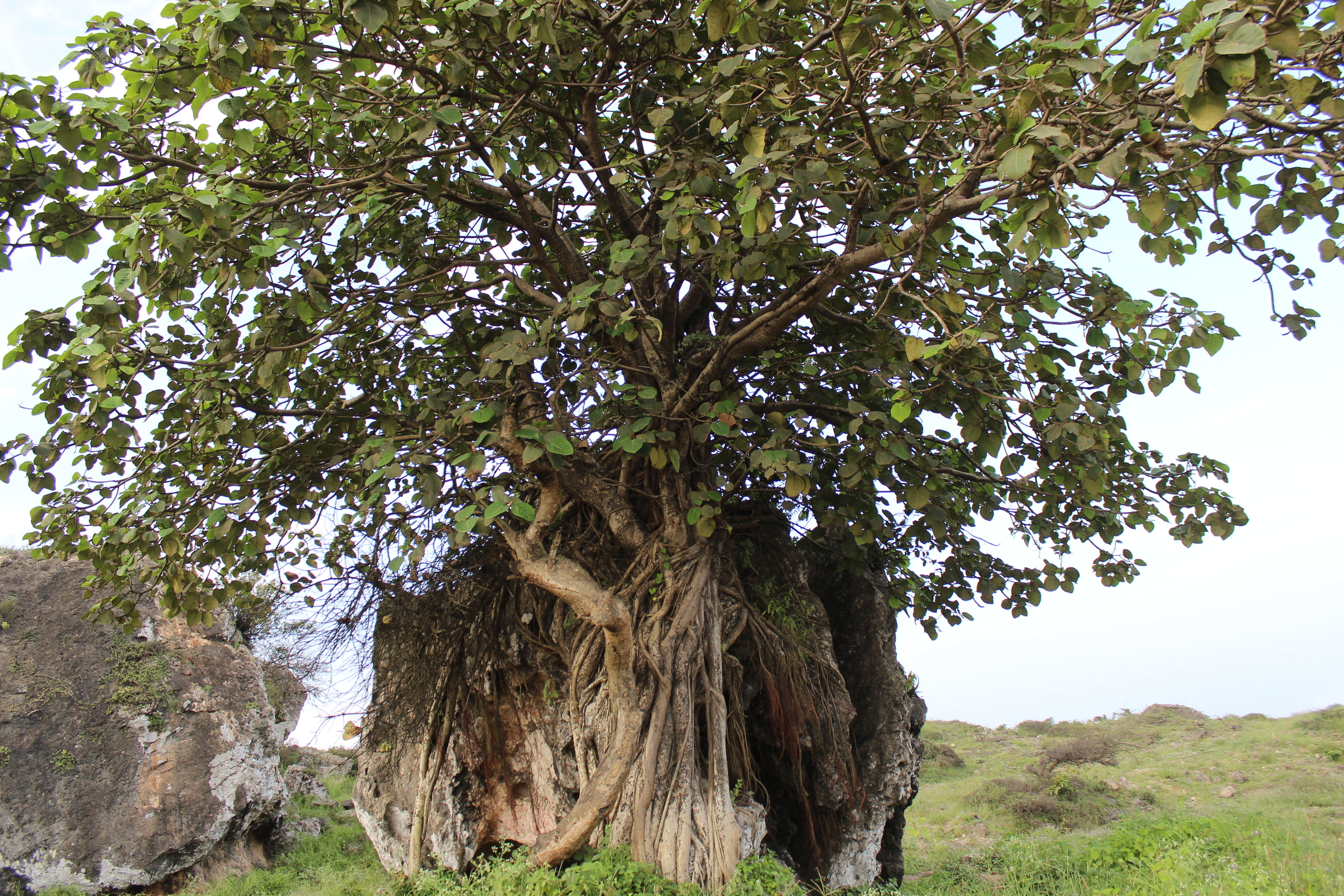
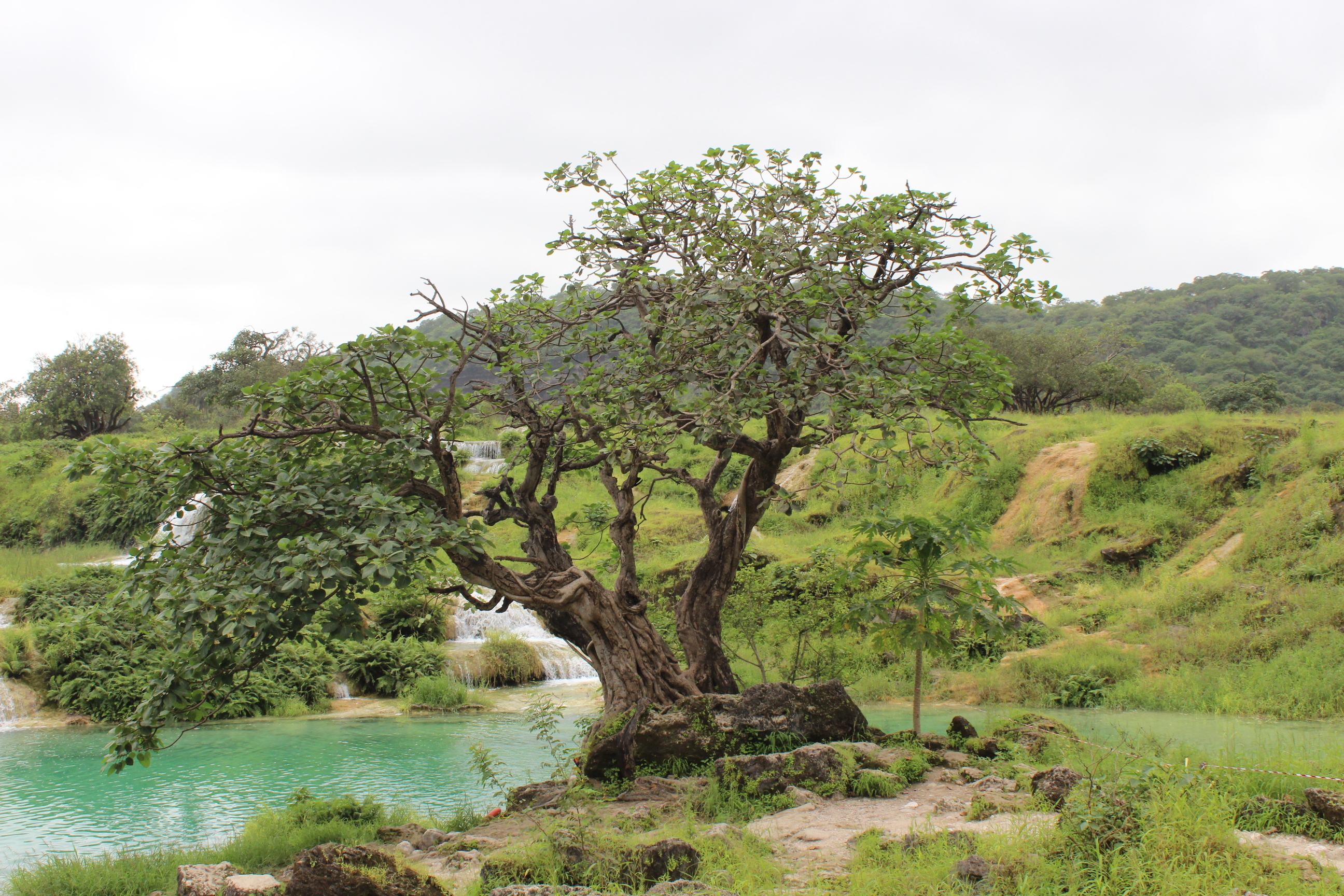
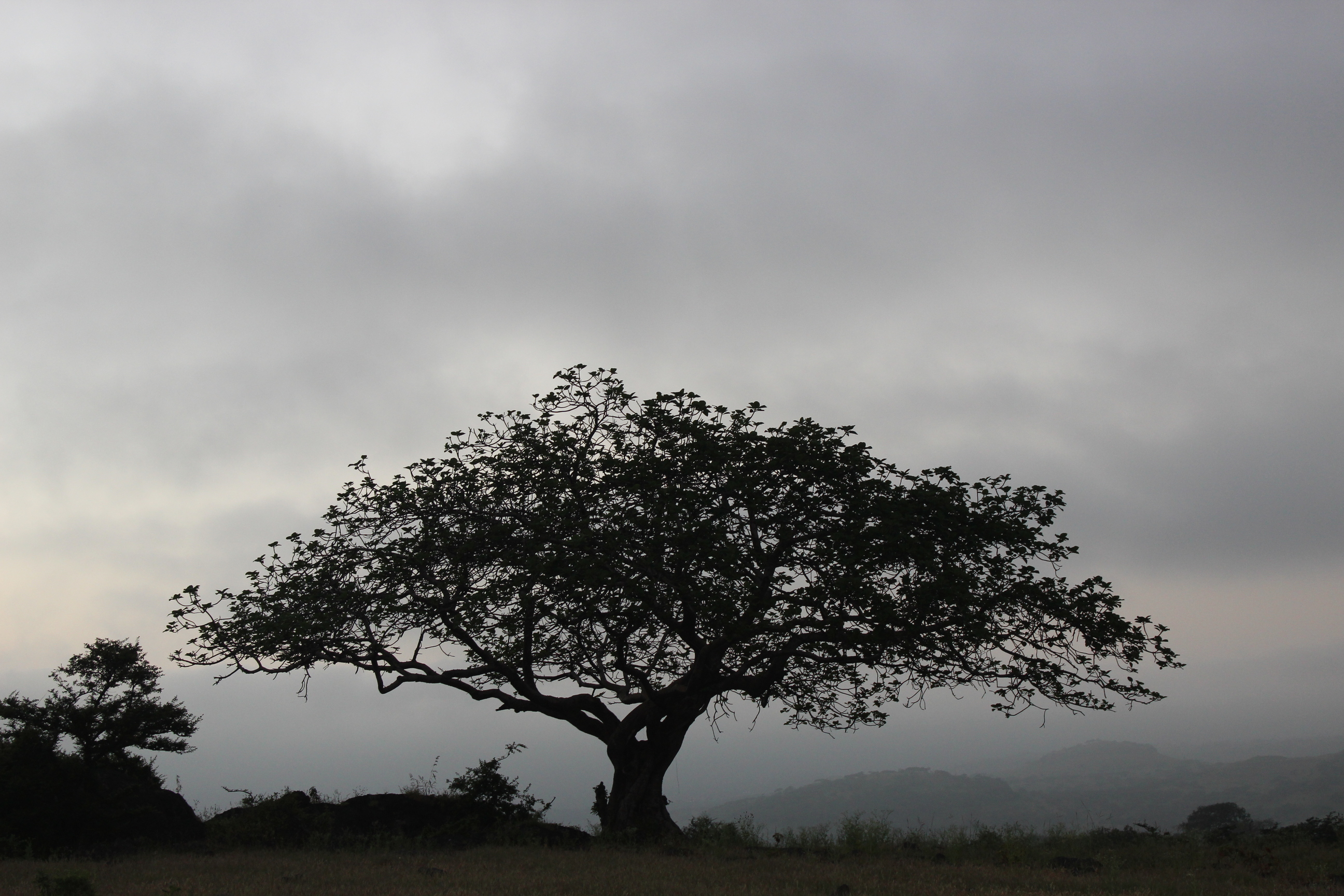
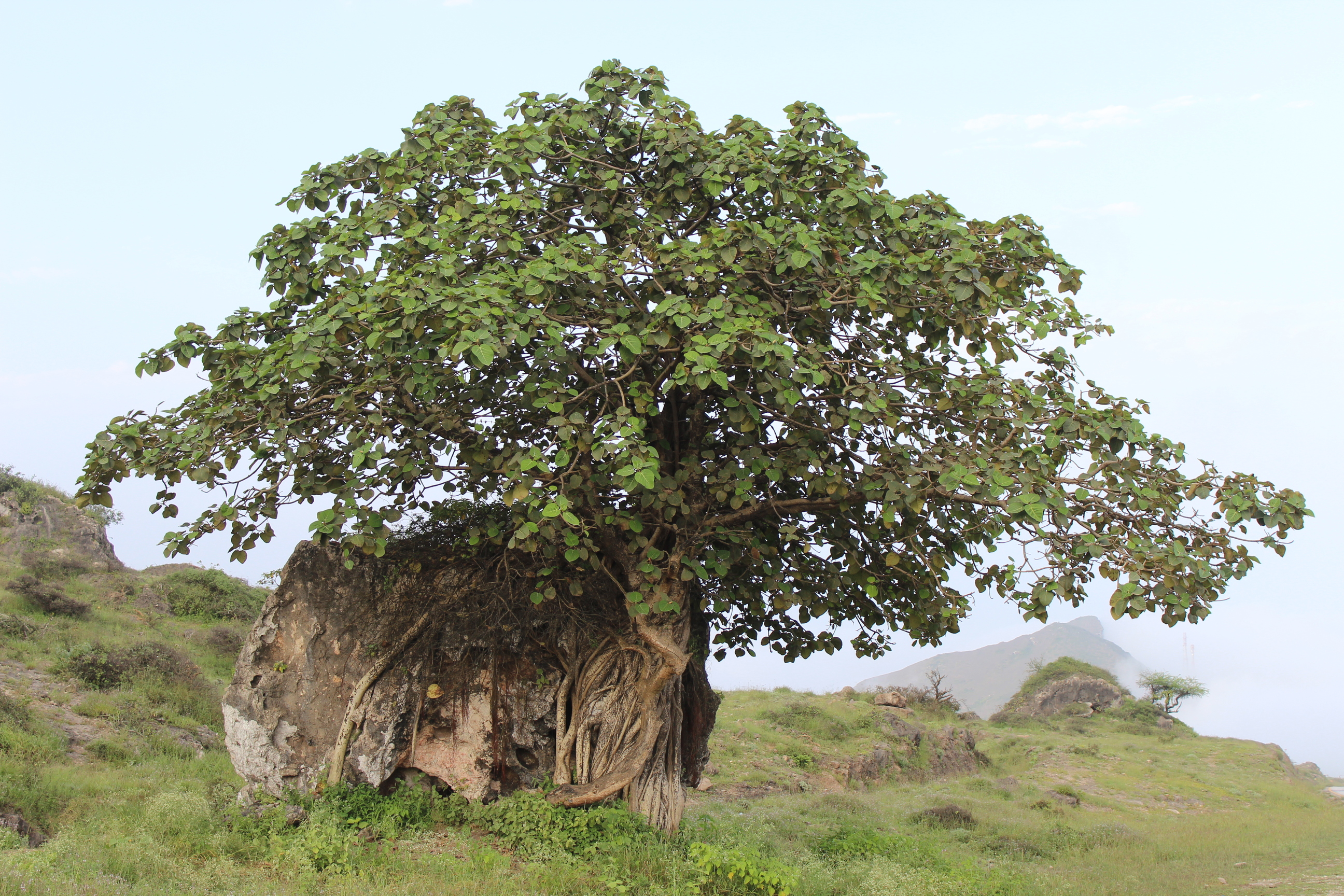
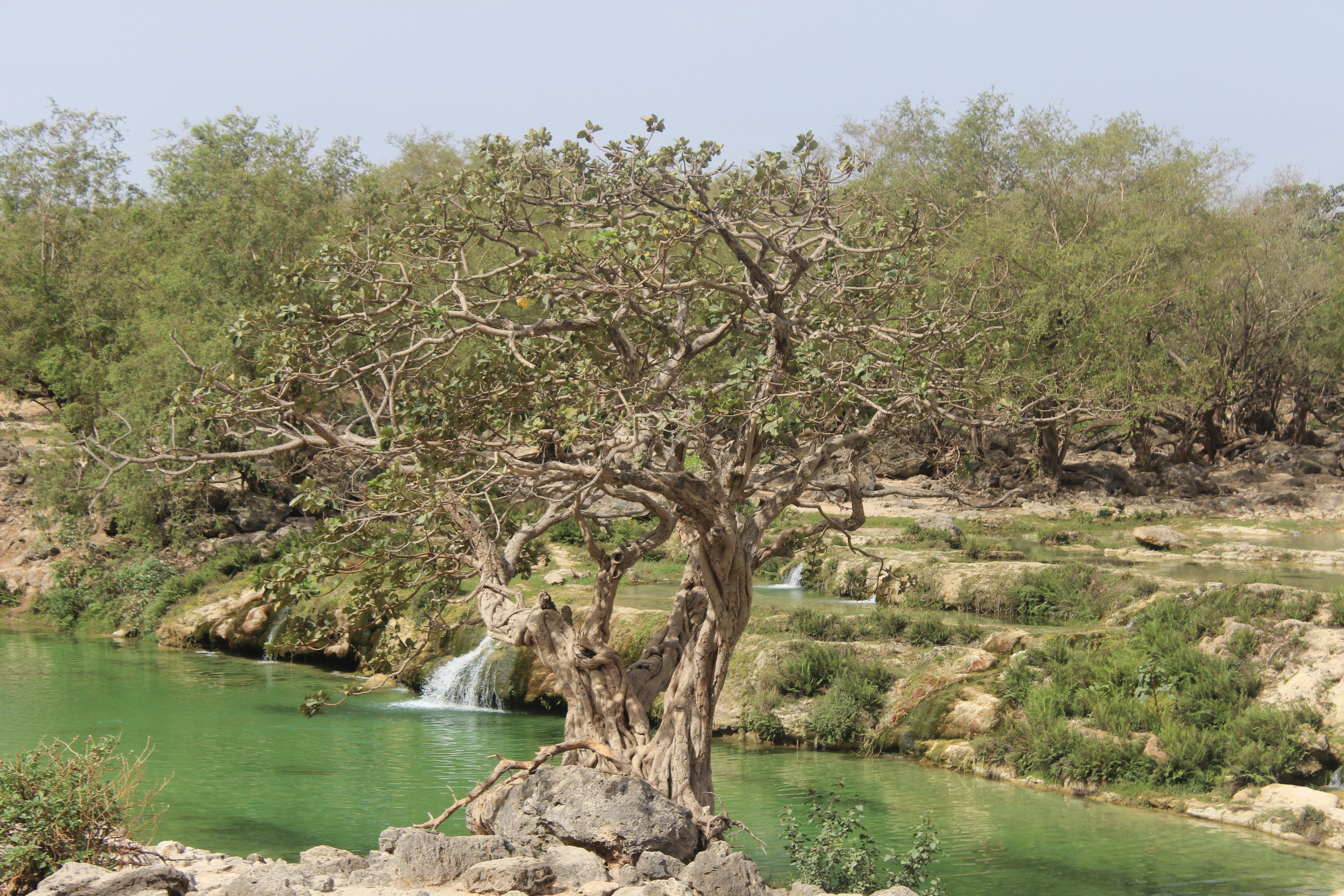
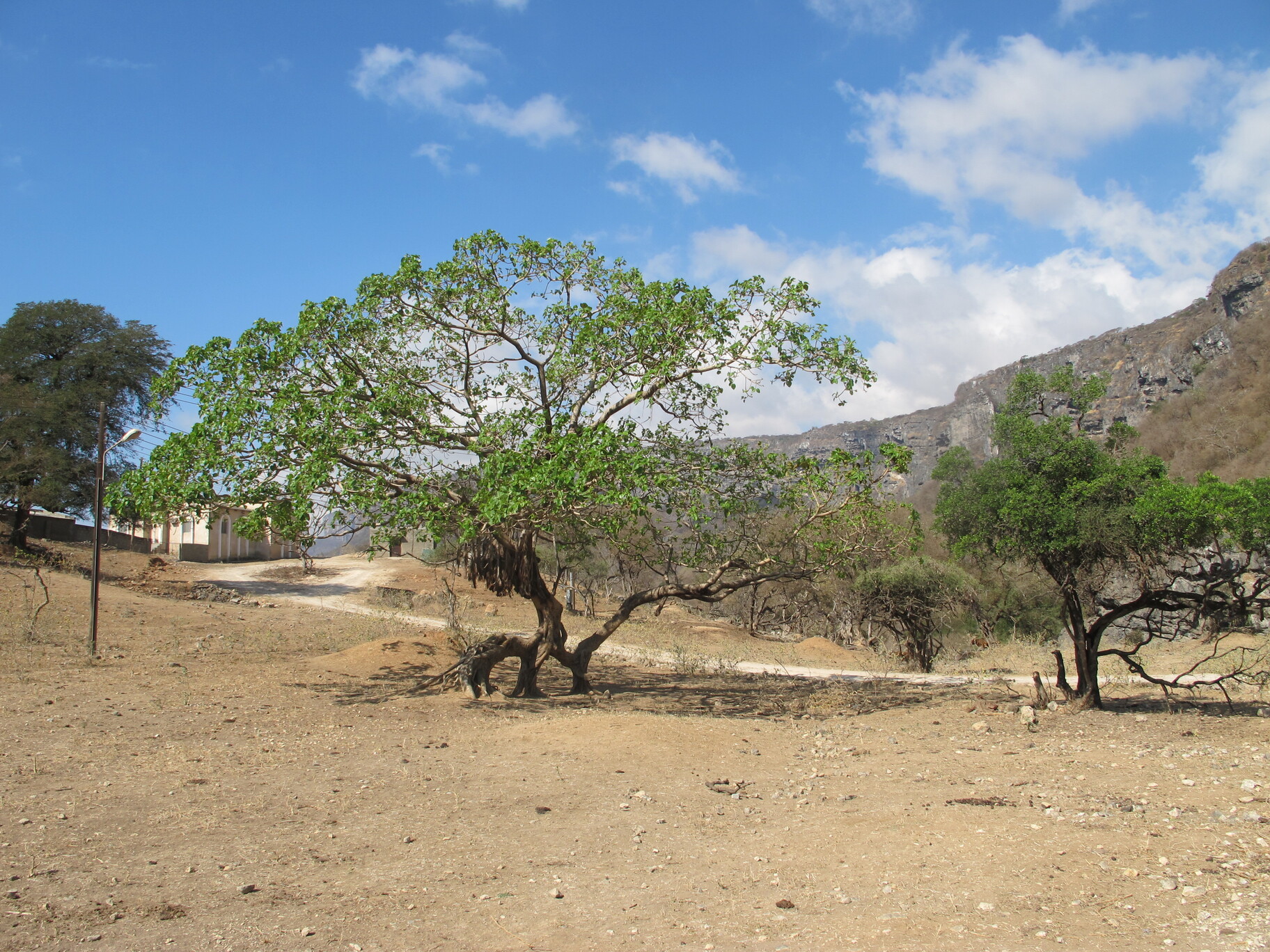
Ficus_vasta_10 © OBG
Ficus_vasta_2 © OBG
Ficus_vasta_3 © OBG
Ficus_vasta_4 © OBG
Ficus_vasta_5 © OBG
Ficus_vasta_6 © OBG
Ficus_vasta_7 © OBG
Ficus_vasta_8 © OBG
Ficus_vasta_9 © OBG
Ficus_vasta © OBG
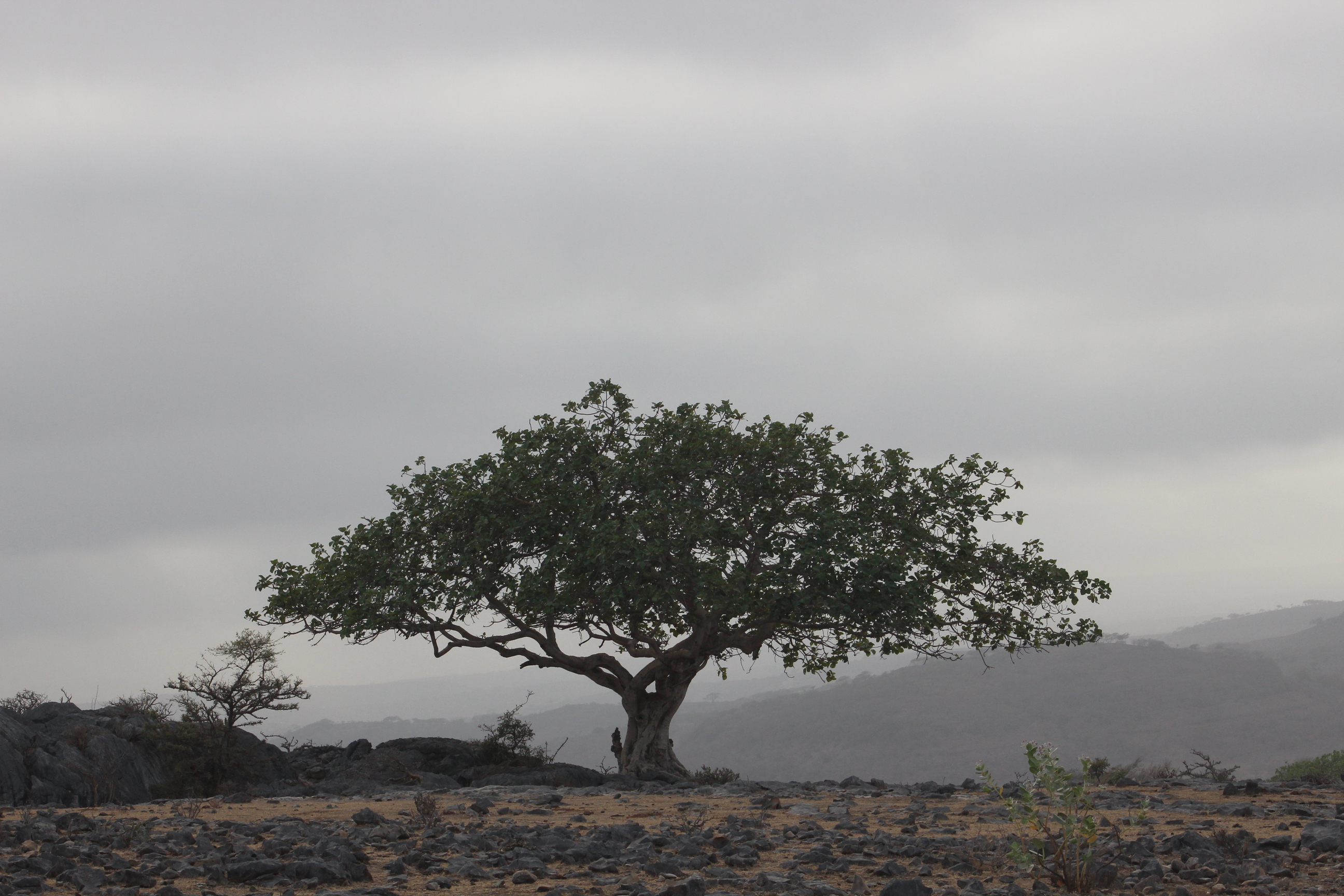
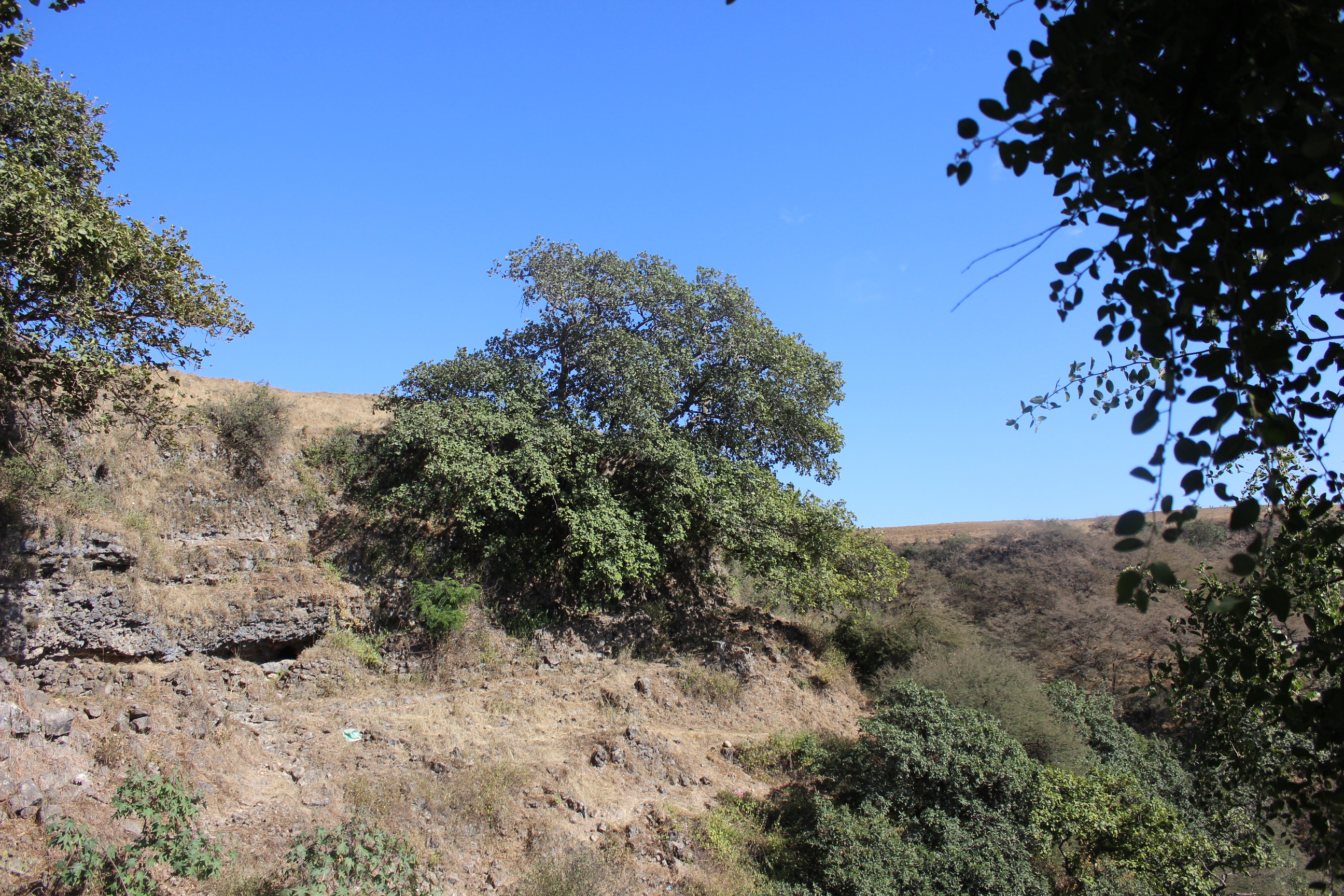
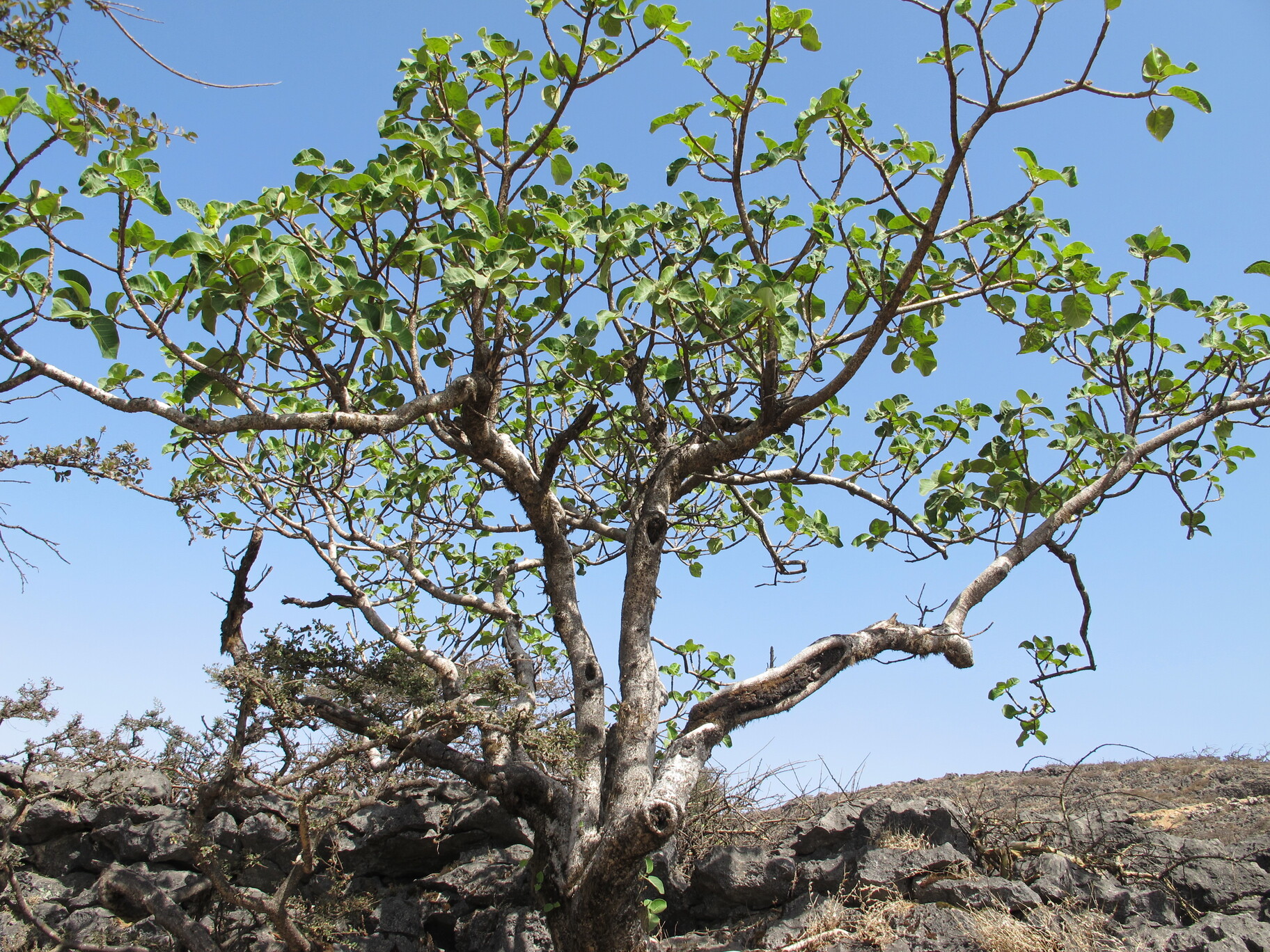
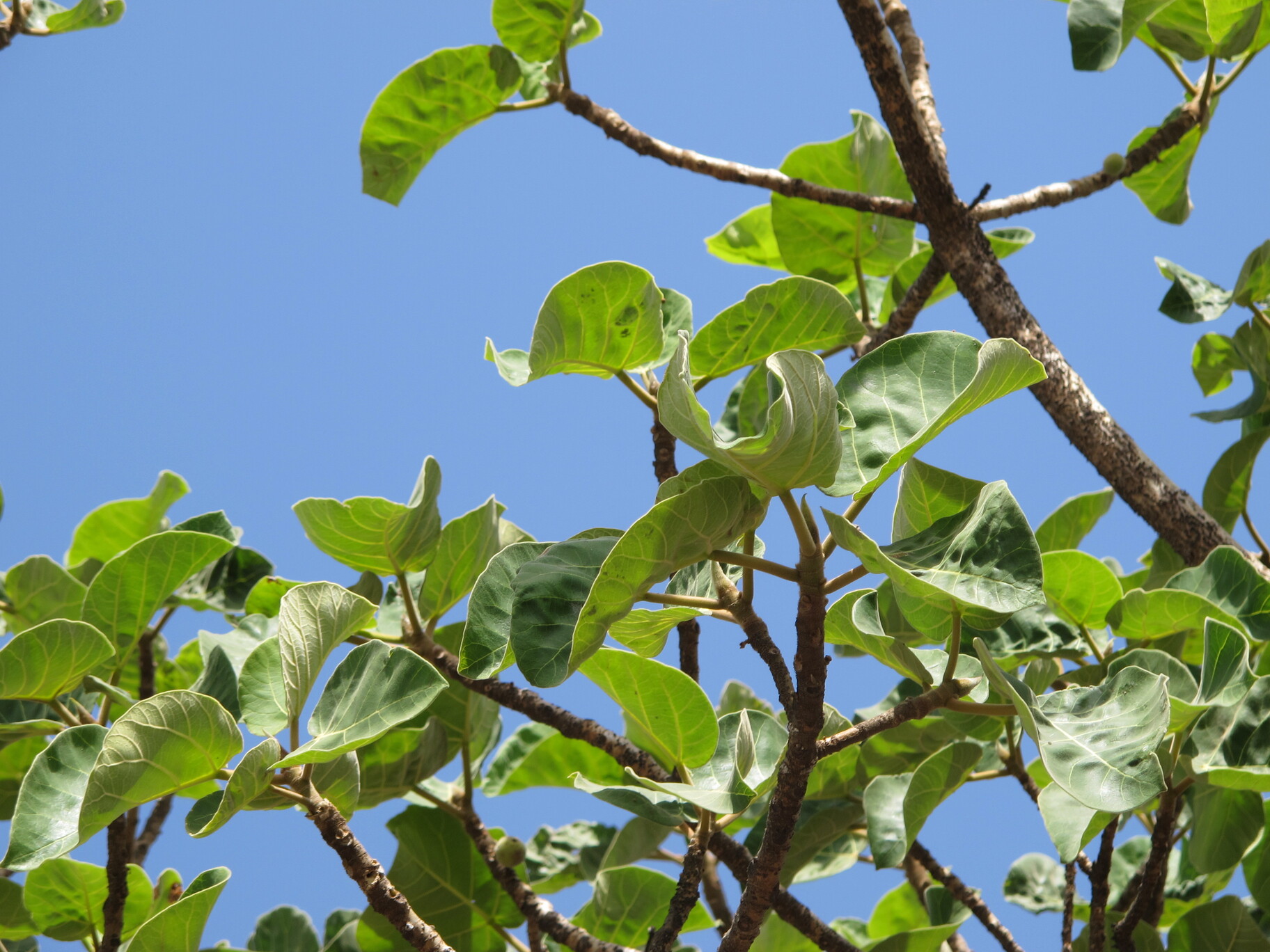
Tree ; up to 20 m tall , epiphytic when young , with with spreading crown , smooth , white bark , often with reddish-brown aerial roots and white latex . Stems thick , yellowish to whitish or brownish hirsute to hirtellous ; bark smooth pale grey , flaking and scaly below . Leaves 12-16 x 11-15 cm , alternate , spirally arranged , broadly ovate to suborbicular , apex acute to rounded with a short acute tip , base cordate , margin entire or obscurely undulate , pubescent , above thinly velutinous becoming glabrous with age , beneath tomentose to velutinous , 3-5-nerved at the base , petiolate . Inflorsecences (figs) axillary , solitary or grouped , borne amongst the leaves . Flowers minute , yellowish greent , monoecious ; male flowers shortly pedicellate , subtended by two subulate bracts , perianth membranous , stamen solitary ; female flowers sessile , perianth lobes long acuminate , style long , stigma clavate ; gall flowers shortly pedicellate , perianth 2-lobed . Fruit fig , sessile or pedunculate , with a whorl of tomentose bracts , globose to subglobose , glabrous to puberulous-tomentose , green
...

No Data
Conservation Dependent (CD)
Common
الوصف غير متاح حاليًا
Ficus callabatensis Warb.
Ficus hararensis Warb.
Ficus socotrana Balf.f.
Ficus vasta var. glabrescens Hutch.
Ficus vasta var. velutina Fiori
Sycomorus dahro (Delile) Walp.
This tree is propagated by seeds and stem cuttings. Steps to follow: 1. Seed propagation: • Sow collected seeds in seed tray filled with a ratio of 3 peat moss: 1 compost, 5 cm apart. • Irrigate the seed tray three times a week. • Germination commences from 6–12 days. Seed germination of this species is low. 2. Cutting propagation: • For stem cutting propagation, use softwood, semi-hardwood and hardwood cuttings with at least 5 nodes. • For better rooting, use cutting hormone, and plant in long root trainer or pots filled with a ratio of 1 peat moss: 3 perlites: 1 compost. • Leave cutting on a bench with mist irrigation. • Stem rooting can vary from 20–37 days, with average rooting around 17%.
maintenanceAr.Item1
Vast Fig
Taik Socotran Fig
In Omani studies: Miller & Morris (1988) wrote that: "This tree grows to a taller height than any of the other figs, indeed is one of the tallest trees of Dhofar, and its 'trunk' is broder, sometimes attaining a quite impressive girth. This huge tree is important in providing good thick shade for livestock when they seek to escape the heat of the noonday sun - indeed, it was as much apperciated for the deep shade it offered as it was for its figs, which were never as highly thought of as were those of F. sycomorus. F. vasta grows in a much wider spectrum of habitats than that fig, and is often also to be found growing in settlements, especially the more permanent stone-built ones, where it provided a shaded meeting place for the inhabitants of the village. Such trees had either been deliberately transplanted to this position, or
...
*Ghazanfar, S. (2003). Flora of the Sultanate of Oman, vol.1: Piperaceae – Primulaceae. Meise, National Botanic Garden of Belgium (Scripta Botanica Begica, Vol. 25). ISBN 90-72619-55-2 ISSN 0779-2387. *Miller, A., Morris, M. (1988). Plants of Dhofar, the Southern Region of Oman: Traditional, Economic, and Medicinal Uses. Published by Office of the Adviser for Conservation of the Environment, Diwan of Royal Court, Sultanate of Oman; ISBN 10: 0715708082 ISSN 13: 9780715708088. *https://en.wikipedia.org *https://www.nparks.gov.sg *Gledhill, D. (2008). The Names of Plants. Fourth Edition. Cambridge University Press, UK. ISBN 978-0-521-86645-3 ISSN 978-0-521-68553-5. *Hammer, K. Gebauer, J. Al Khanjari, S. Buerkert, A. (2009). Oman at the cross-roads of inter-regional exchange of cultivated plants. Gene Resour Crop Evol (2009) 56:547-560. Springer Science+Business Media B.V. 2008. DOI 10.1007/s10722-008-9385-z. *POWO (2022). ""Plants of the World Online. Facilitated by the Royal Botanic Gardens, Kew. Published on the Internet; http://www.plantsoftheworldonline.org
