Cultivated

Tree-like herb ; up to 2–9 m tall when mature . Stems pseudostem , moderately blotched . Leaves huge , oblong to paddle-shaped . Inflorescences spike c . 1 m , drooping . Flowers white , cream , or pink , with purple-red bracts . Fruit oblong , fleshy , yellow . Seeds usually sterile , without seeds or viable pollen . (Ref . http://www . missouribotanicalgarden . org) .
No Data
Least Concern (LC) - Global Assessment
Common
الوصف غير متاح حاليًا
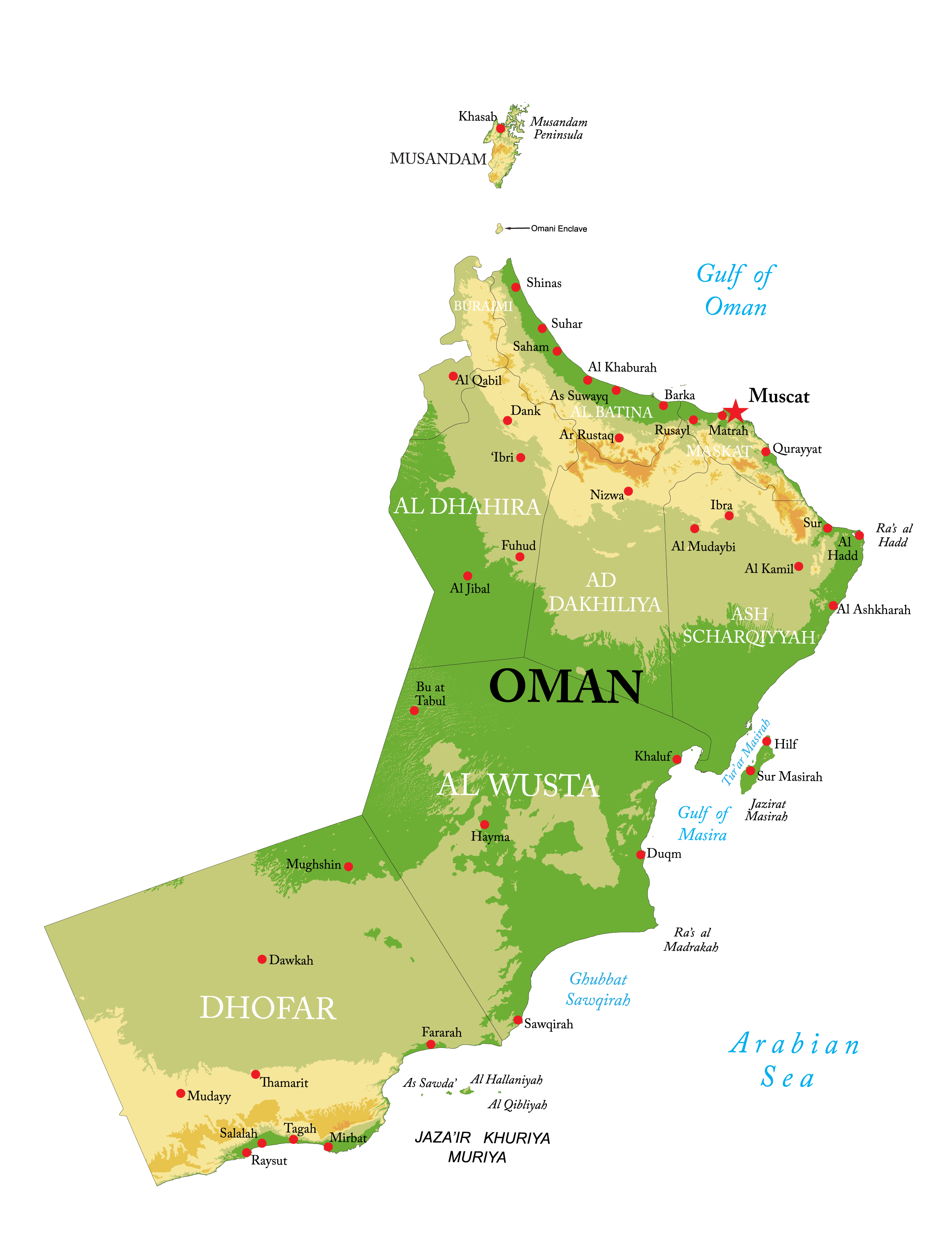
Karkandela × malabarica Raf.
Musa × acutibracteata M.Hotta
Musa × nigra Perr.
Musa × sapientum L.
No data
maintenanceAr.Item1
Banana
Dessert Bananas
Edible Banana
Plantain
French plantain
The leaves commonly used in the preparation of the local barbecue 'shiwa', where they are wrapped around the meat mixed with traditional mixed spices and placed inside a bag made of palm leaves ‘khasfa’. The bag then thrown inside a pit or oven ‘tanour’ for a day or more until the meat is fully cooked. Banana leaves protect the meat from burning and give the meat a good taste. (Ref. Oman Botanic Garden).
*POWO (2023). ""Plants of the World Online. Facilitated by the Royal Botanic Gardens, Kew. Published on the Internet; http://www.plantsoftheworldonline.org *https://en.wikipedia.org *http://www.missouribotanicalgarden.org *https://antropocene.it *Hammer, K. Gebauer, J. Al Khanjari, S. Buerkert, A. (2009). Oman at the cross-roads of inter-regional exchange of cultivated plants. Gene Resour Crop Evol (2009) 56:547-560. Springer Science+Business Media B.V. 2008. DOI 10.1007/s10722-008-9385-z.
