Cultivated

An evergreen vine or shrub ; up to 0 . 5-3 m high . Stems twining . Leaves opposite or in whorls of three , simple (not pinnate , like most other jasmines) , ovate , 4-12 . 5 x 2-7 . 5 cm , glossy , dark green , glabrous (except for a few hairs at the venation on the base of the leaf) . Inflorescences in clusters of 3-12-flowers at the ends of branches . Flowers strongly scented , waxy , pure white fade to pink as mature , open at night (usually around 6 to 8 in the evening) , and close in the morning ; corolla 2 to 3 cm , lobes 5 to 9 . Fruit berry , 1 cm in diameter , purple to black when ripe . (Ref . https://en . wikipedia . org) .
No Data
Not Evaluated (NE)
Not Common
الوصف غير متاح حاليًا
Jasminum fragrans Salisb.
Jasminum sambac var. normale Kuntze
Mogorium sambac (L.) Lam.
Nyctanthes sambac L.
No data
maintenanceAr.Item1
Arabian Jasmine
Sambac Jasmine
White-Flowered Indian Jasmine
Mohle Flower
Tuscam Jasmine
Asian Jasmine
Asiatic Jasmine
Sacred Jasmine
Zambac
Sampa Gita
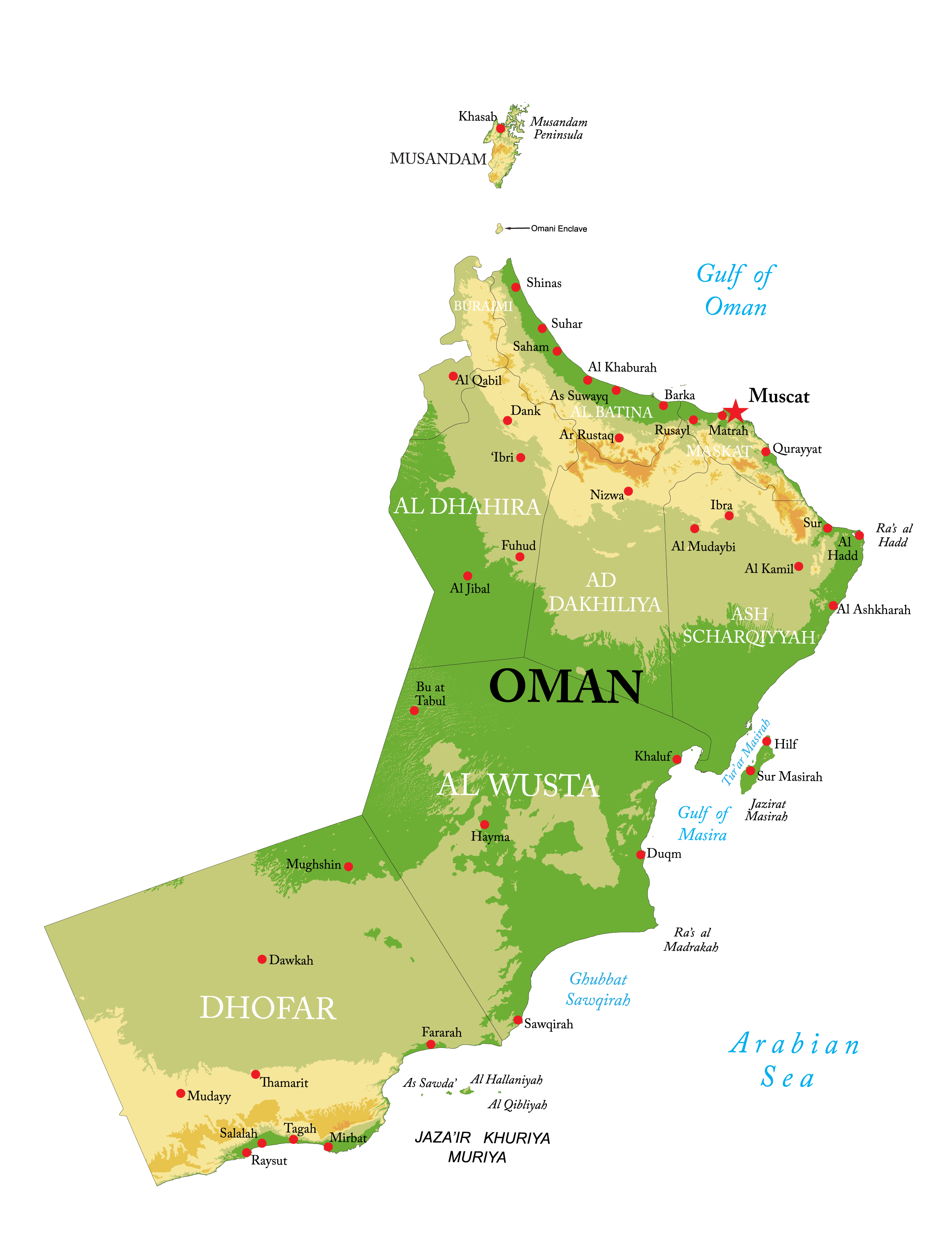
In Omani studies: Richardson & Dorr (2003) wrote that: "The processing of leather in Southern Oman is an art in itself, made possible by the abundance of indigenous plant materials available for the use of artisns. These include not only a wide variety of agents for hair-removal and tanning, but other materials for leather treatment which are not utilised elsewhere in Oman. For example, the underbark of the frankincense tree is often used to deodorise leather and to improve its suppleness and pliability. Jasmine is also used as a suppleness agent and to impart fragrance". (Ref. The Craft Heritage of Oman). In addition, Ghazanfar (2015) mentioned that: "The flowers are fragrant and appreciated locally for their scent, and often cultivated in homes. Several species of Jasminum, especially J. sambac (simple leaved shrub) is widely cultivated in private gardens for the fragrant flowers". (Ref. Flora of Oman; vol.3).
*Ghazanfar, S. (2015). Flora of the Sultanate of Oman, vol.3: Loganiaceae – Asteraceae. Meise, National Botanic Garden of Belgium (Scripta Botanica Begica, Vol. 25). ISBN 9789082352511 ISSN 0779-2387.*https://en.wikipedia.org *https://www.missouribotanicalgarden.org *Miller, A., Morris, M. (1988). Plants of Dhofar, the Southern Region of Oman: Traditional, Economic, and Medicinal Uses. Published by Office of the Adviser for Conservation of the Environment, Diwan of Royal Court, Sultanate of Oman; ISBN 10: 0715708082 ISSN 13: 9780715708088. *Richardson, N. Dorr, M. (2003). The Craft Heritage of Oman; vol. 1. Published by Motivate publishing. ISBN 1-86063-1576. *Hammer, K. Gebauer, J. Al Khanjari, S. Buerkert, A. (2009). Oman at the cross-roads of inter-regional exchange of cultivated plants. Gene Resour Crop Evol (2009) 56:547-560. Springer Science+Business Media B.V. 2008. DOI 10.1007/s10722-008-9385-z. *POWO (2023). ""Plants of the World Online. Facilitated by the Royal Botanic Gardens, Kew. Published on the Internet; http://www.plantsoftheworldonline.org
