Limonium_axillare_2-06082024 © OBG
Limonium_axillare_3-06082024 © OBG
Limonium_axillare_4-06082024 © OBG
Limonium_axillare_5-06082024 © OBG
Limonium_axillare_6-06082024 © OBG
Limonium_axillare_7-06082024 © OBG
Limonium_axillare-06082024 © OBG
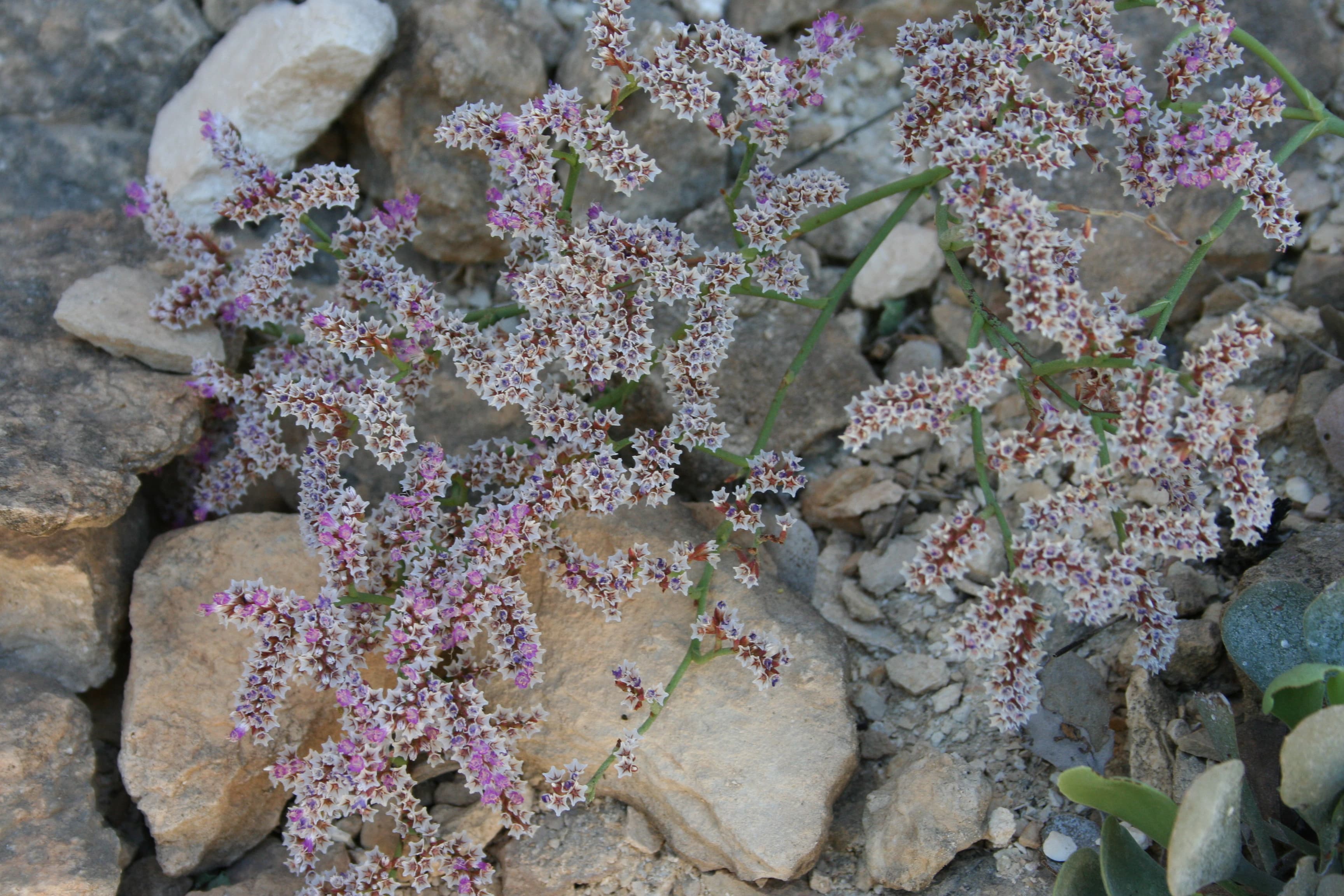
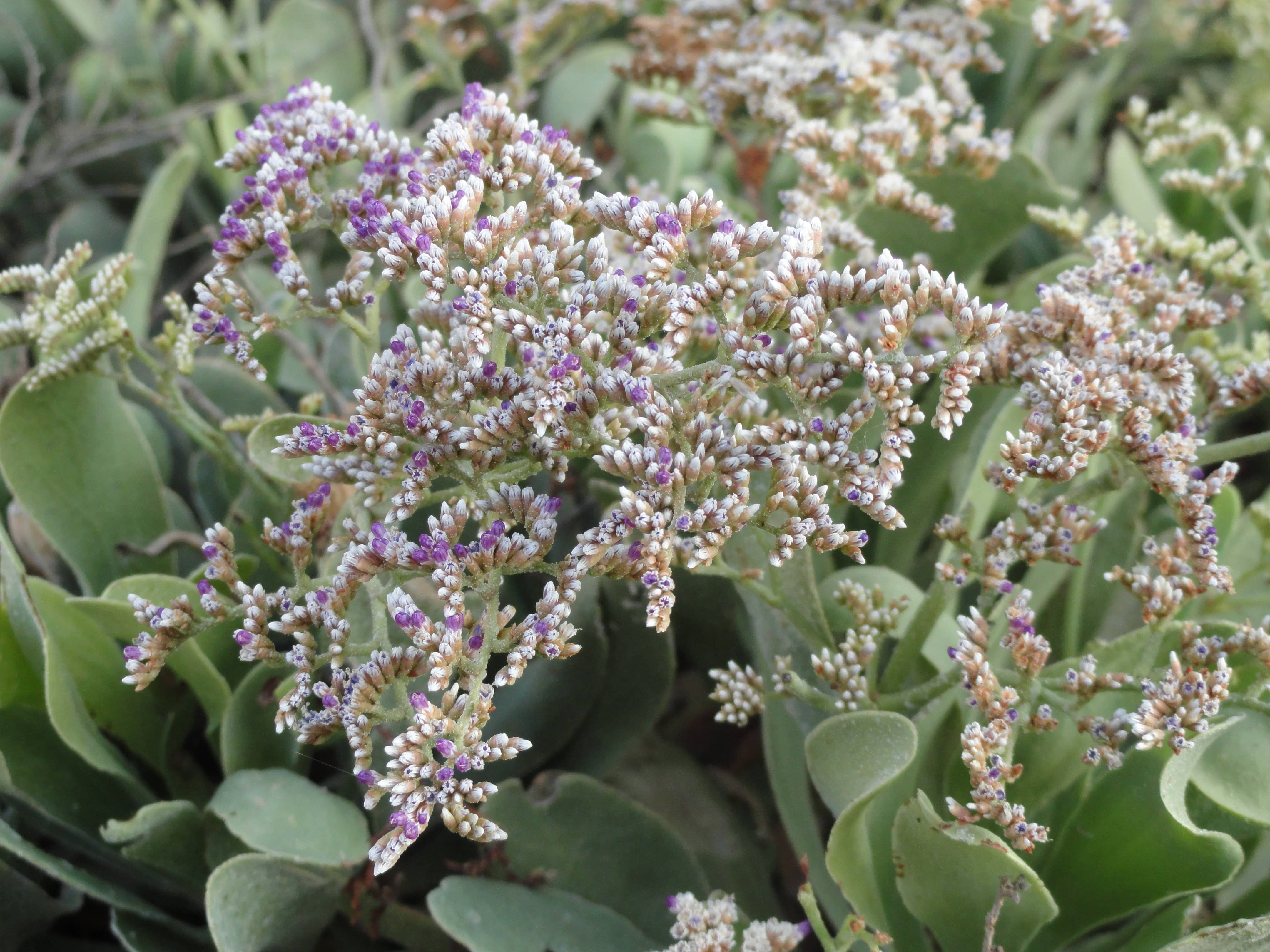
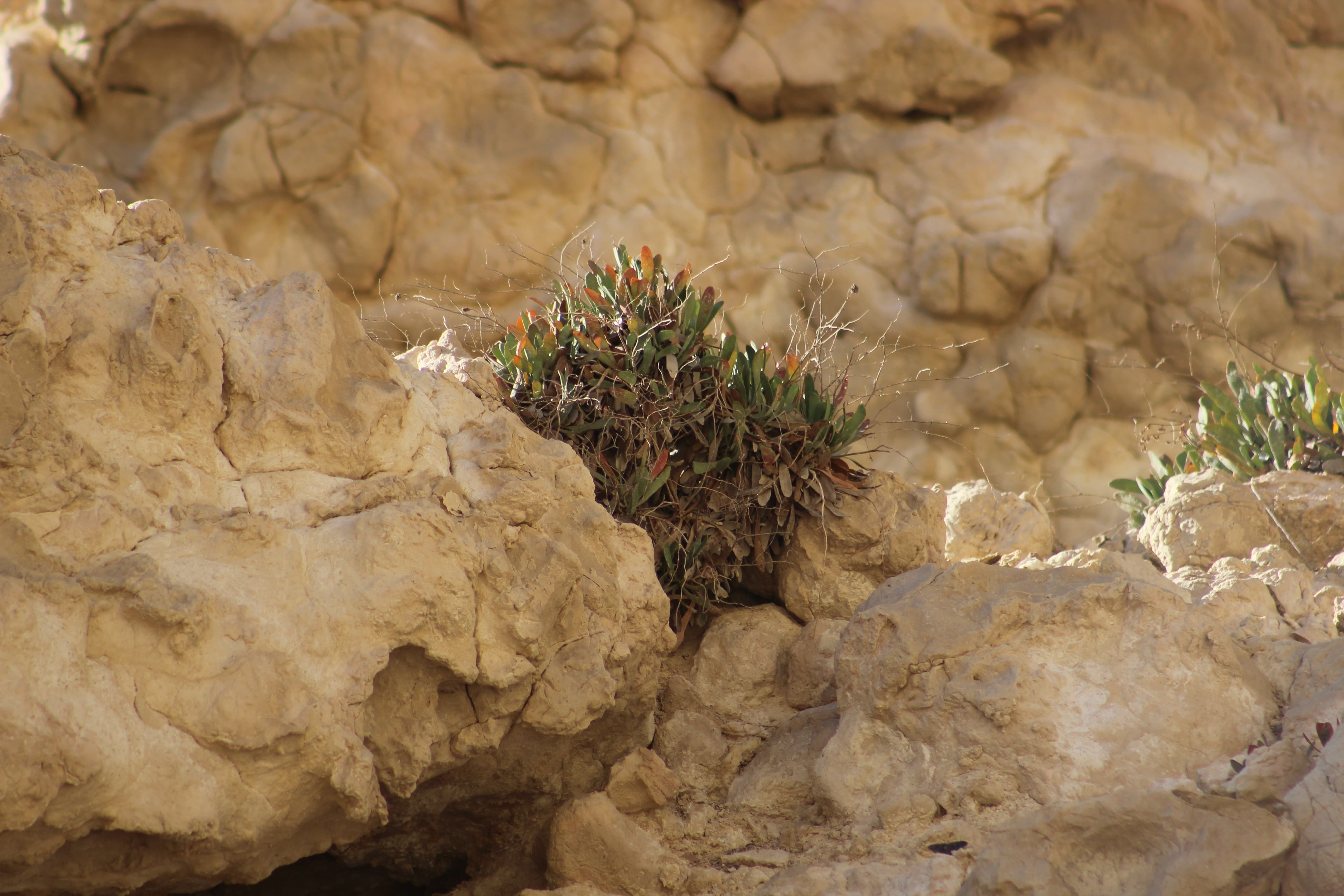
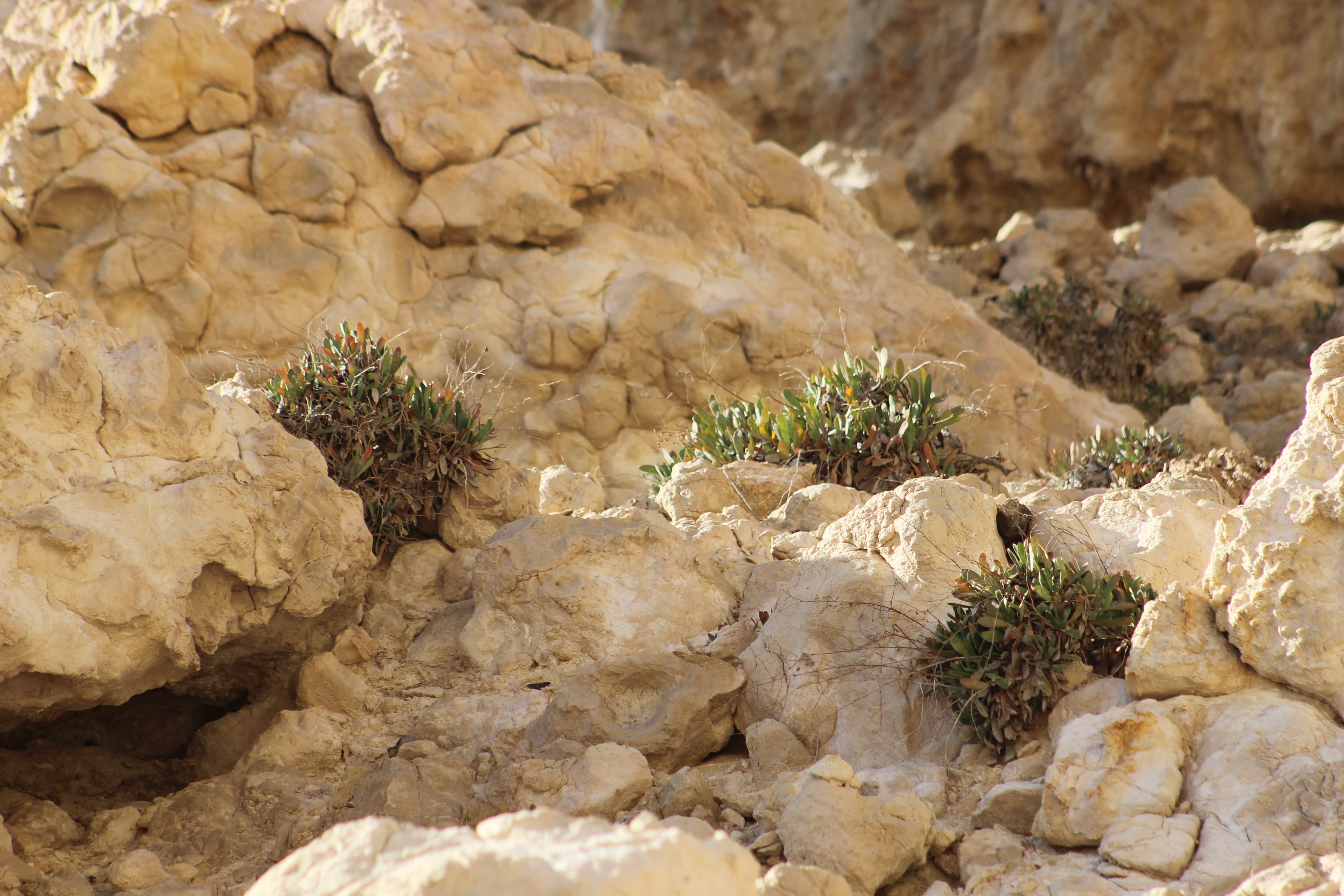
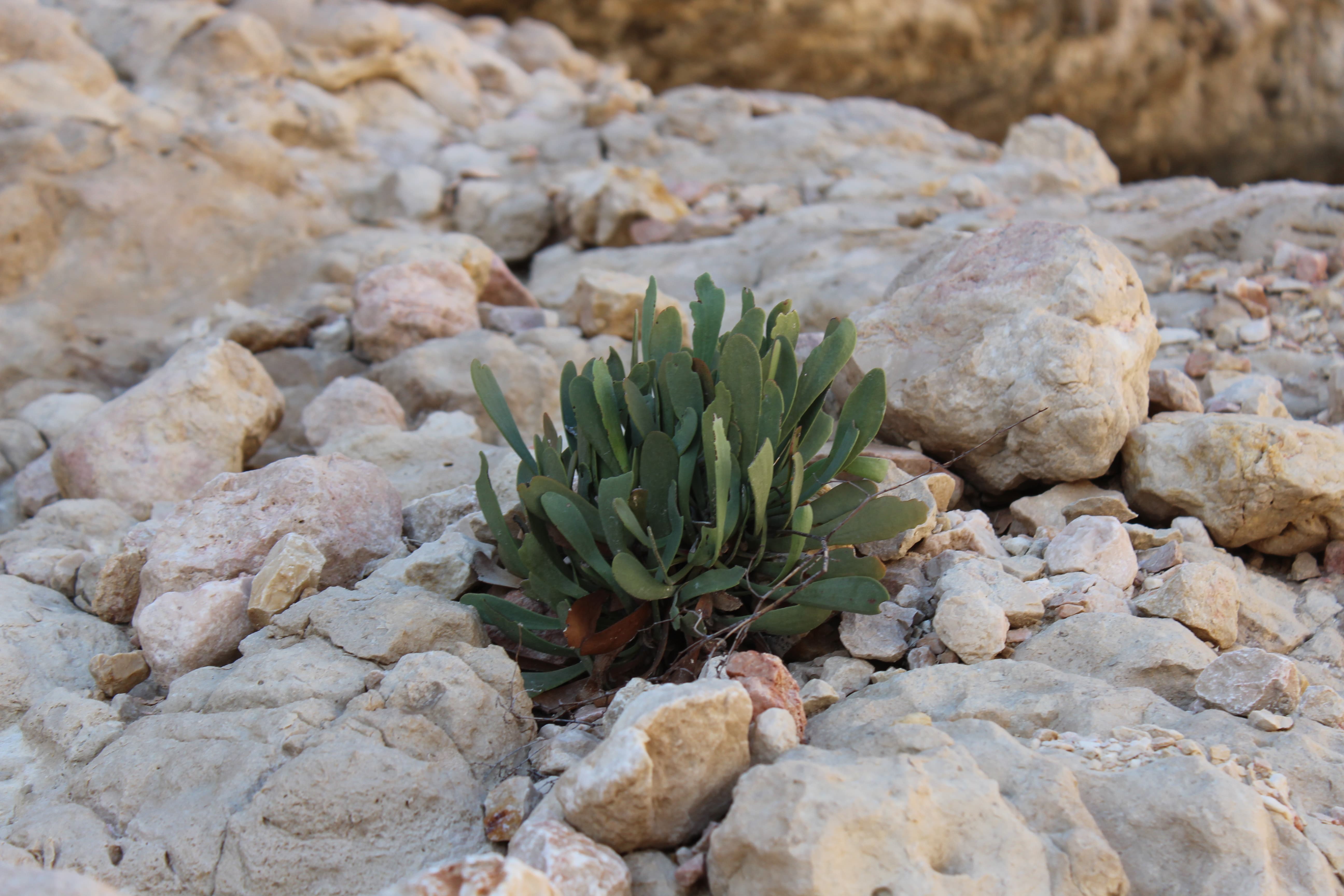
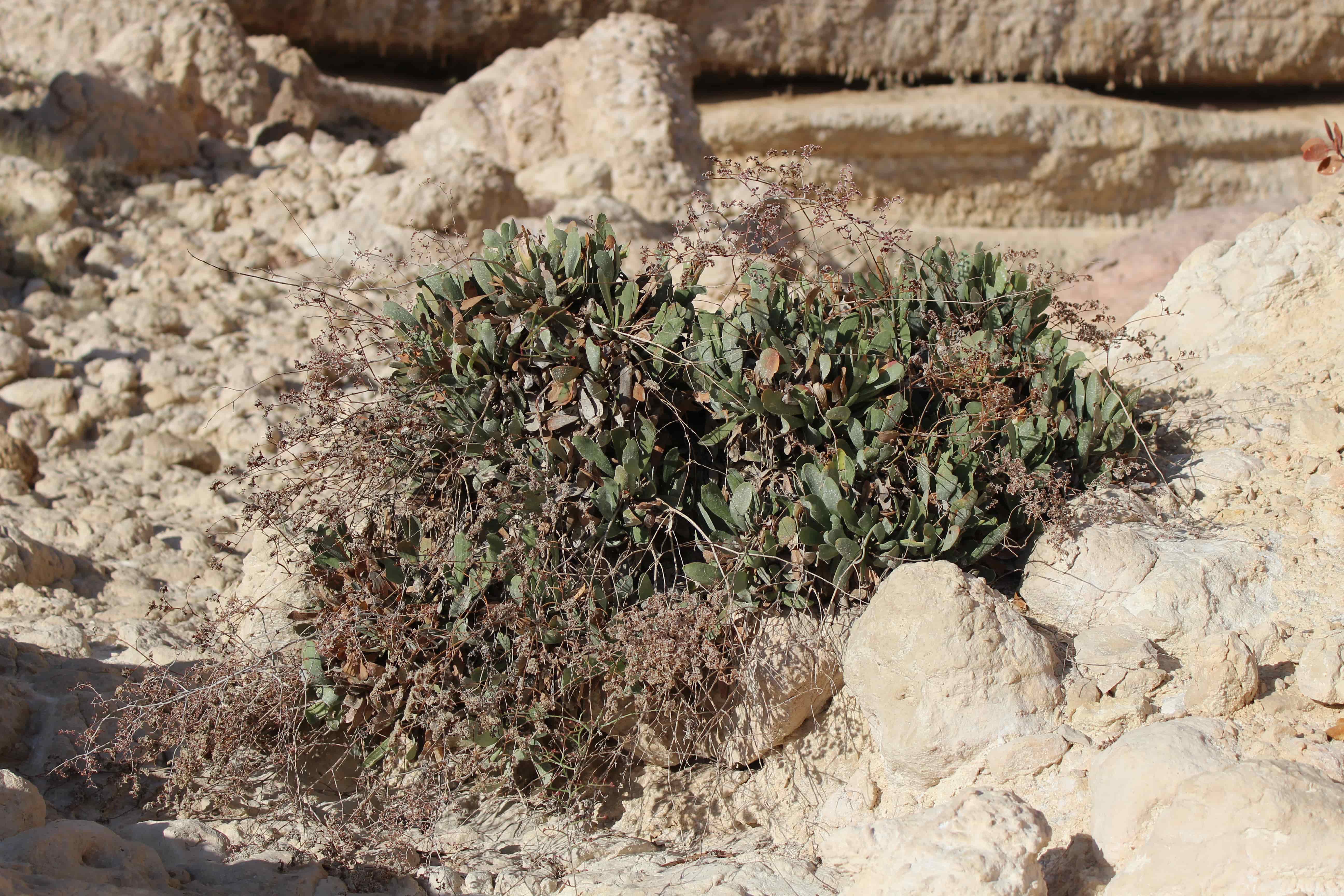
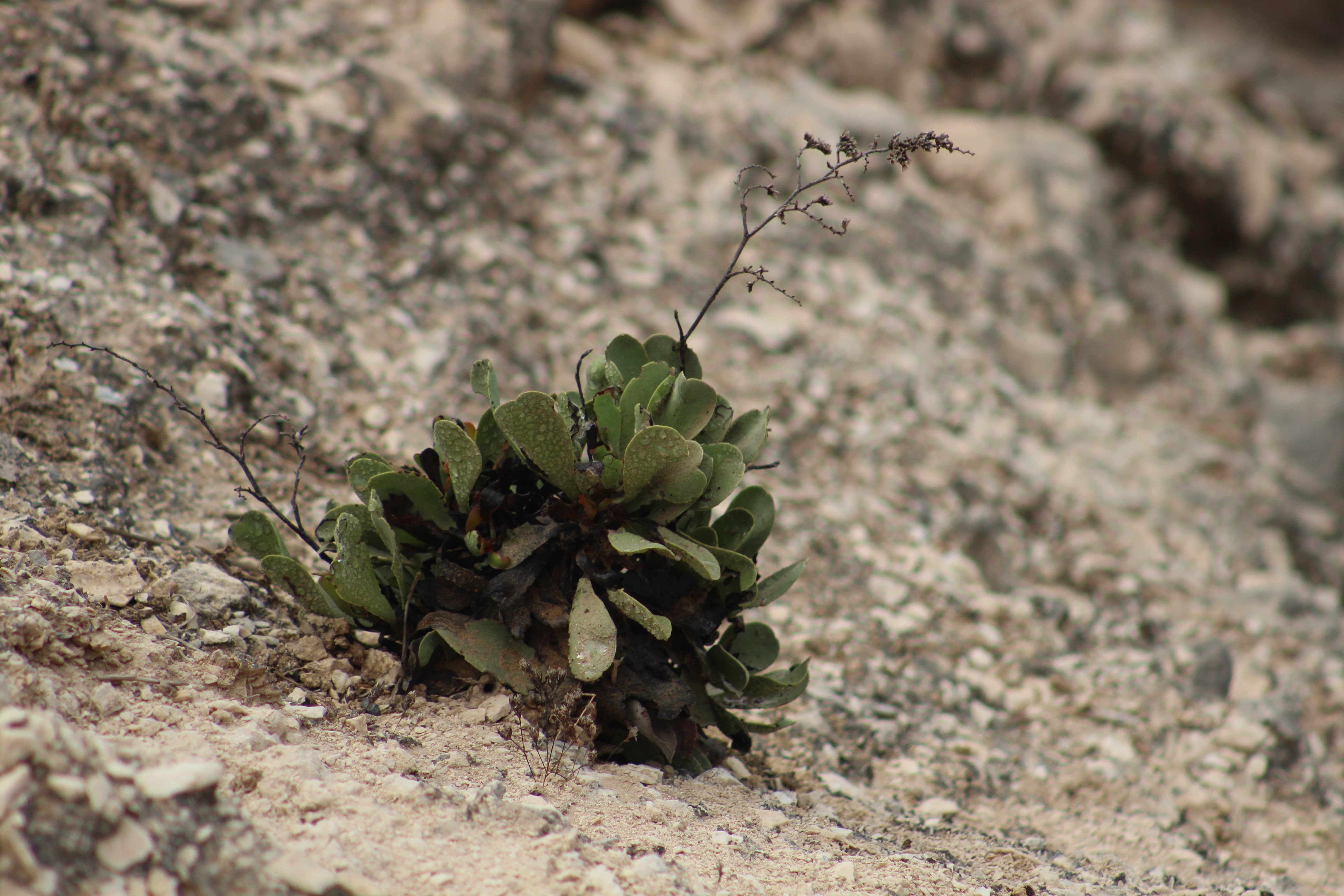
Clump-forming evergreen subshrub or woody-based perennial herb ; up to 60 cm tall . Stems ascending to erect , branched , stiff , short , the basal part covered with remains of old leaves . Leaves in basal rosettes , 5-10 x 1-5 cm , oblong-spatulate to obovate , apex obtuse to subacute , base tapering , margin entire , grey-green , glabrous , covered with salt excreted from glands on the leaves . Inflorescences in 2-flowered bracteate spikelets which are arranged in dense one-sided groups along the branches of ascending panicles up to 30 cm long ; each spikelet subtended by 2 short broadly ovate reddish brown bracts ± 1 mm long . Flowers pale pink to purple ; calyx tubular , 3-4 mm , shallowly 5-lobed above , scarious with 5 red-brown veins , pubescent below ; petals purple-pink , 5 mm , notched at the apex , fused below ; stamens 5 , exceeding the petals ; ovary superior , 1-locular , 1-ovulate , ovoid ; styles 5 , free to base , 5-6 mm long ; stigma filiform . Fruit 1 mm , ovoid , 1-seeded ,
...

No Data
Not Evaluated (NE)
Frequent
الوصف غير متاح حاليًا
Statice axillaris Forssk.
No data
maintenanceAr.Item1
Sea Lavender
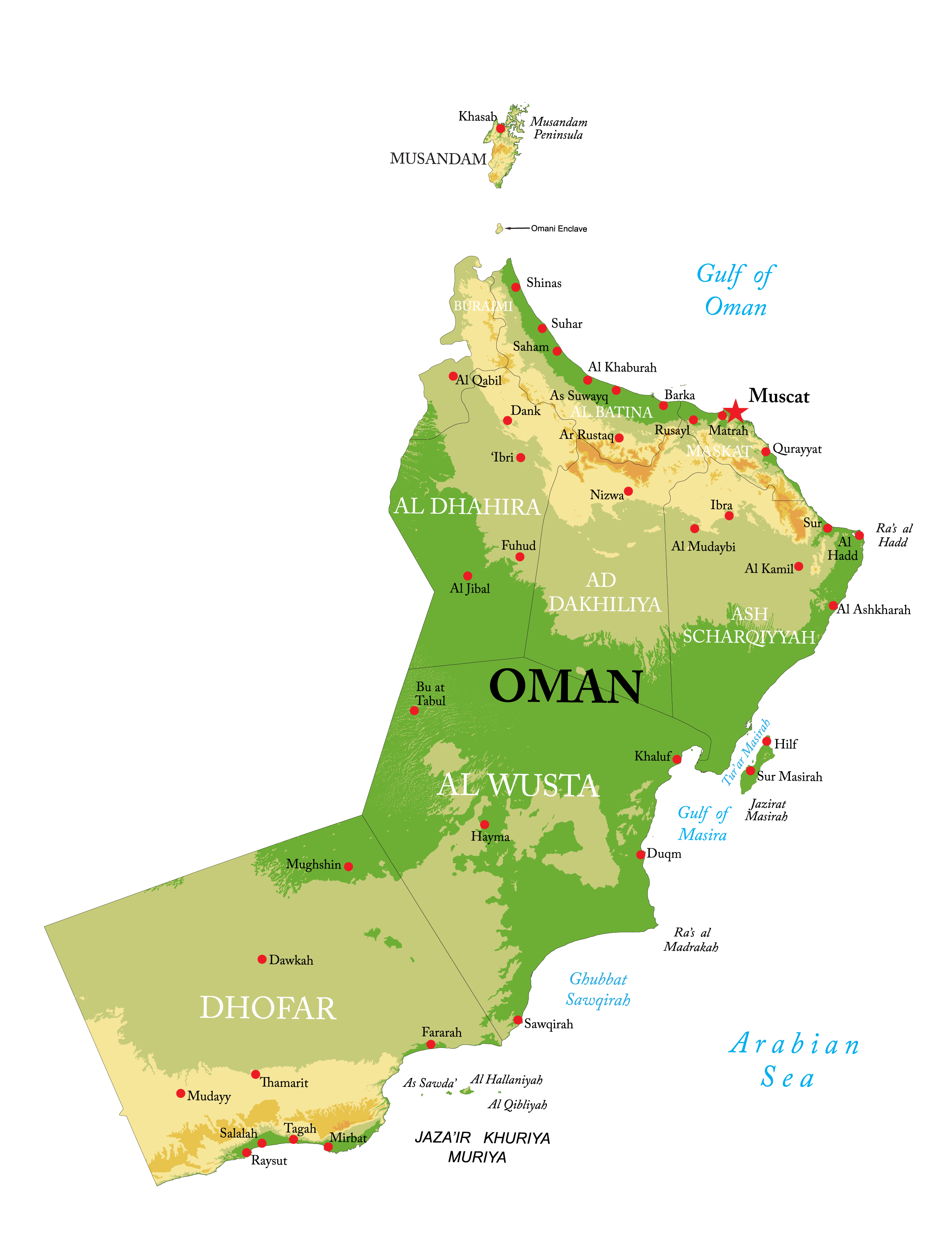
In Omani studies: Miller & Morris (1988) wrote that: "L. axillare is a very common plant of the coastal planis and the drier coastal watercourses, growing right down to the edge of the seashore. It is an important bee forage, but livestock are not enthusiastic about it unless pressed by hunger, when goats and camels will nibble the buds and flowers, or the soft new growth brought up by rain. The roots and stalks were formerly used as a dye, especially for the cotton fishing equipment: the variuos ropes [J: ahtim], nets both small [J: soged, megedeft, gork] and large [DA: girif and dewagi], as well as other miscellaneous pieces of fishing tackle. The roots were dug up and ground with the stems of the plant to a paste with added water. If the fisherman was in a hurry, an adequate colour could be produced by simply rubbing the paste
...
*Ghazanfar, S. (2003). Flora of the Sultanate of Oman, vol.1: Piperaceae – Primulaceae. Meise, National Botanic Garden of Belgium (Scripta Botanica Begica, Vol. 25). ISBN 90-72619-55-2 ISSN 0779-2387. *https://en.wikipedia.org *https://www.etymonline.com *Miller, A., Morris, M. (1988). Plants of Dhofar, the Southern Region of Oman: Traditional, Economic, and Medicinal Uses. Published by Office of the Adviser for Conservation of the Environment, Diwan of Royal Court, Sultanate of Oman; ISBN 10: 0715708082 ISSN 13: 9780715708088. *Richardson, N. Dorr, M. (2003). The Craft Heritage of Oman; vol. 2. Published by Motivate publishing. ISBN 1-86063-1584. *Pickering, H. Patzelt, A. (2008). Field Guide to the Wild Plants of Oman. Kew publishing, Royal Botanic Garden, Kew. ISBN 9781842461778. *POWO (2023). ""Plants of the World Online. Facilitated by the Royal Botanic Gardens, Kew. Published on the Internet; http://www.plantsoftheworldonline.org
