
Erect , much branched perennial with grey stems ; up to 150cm . Leaves succulent , linear , in clusters along the stem . Flowers alternate , small , white with red stamens , borne in the leaf axils . Fruit nutlet surrounded by conspicuous reflexed papery wings , turning from cream to bright red .
No Data
Regional Endemic (RE) - Least Concern (LC) - National Assessment
Very Common
الوصف غير متاح حاليًا
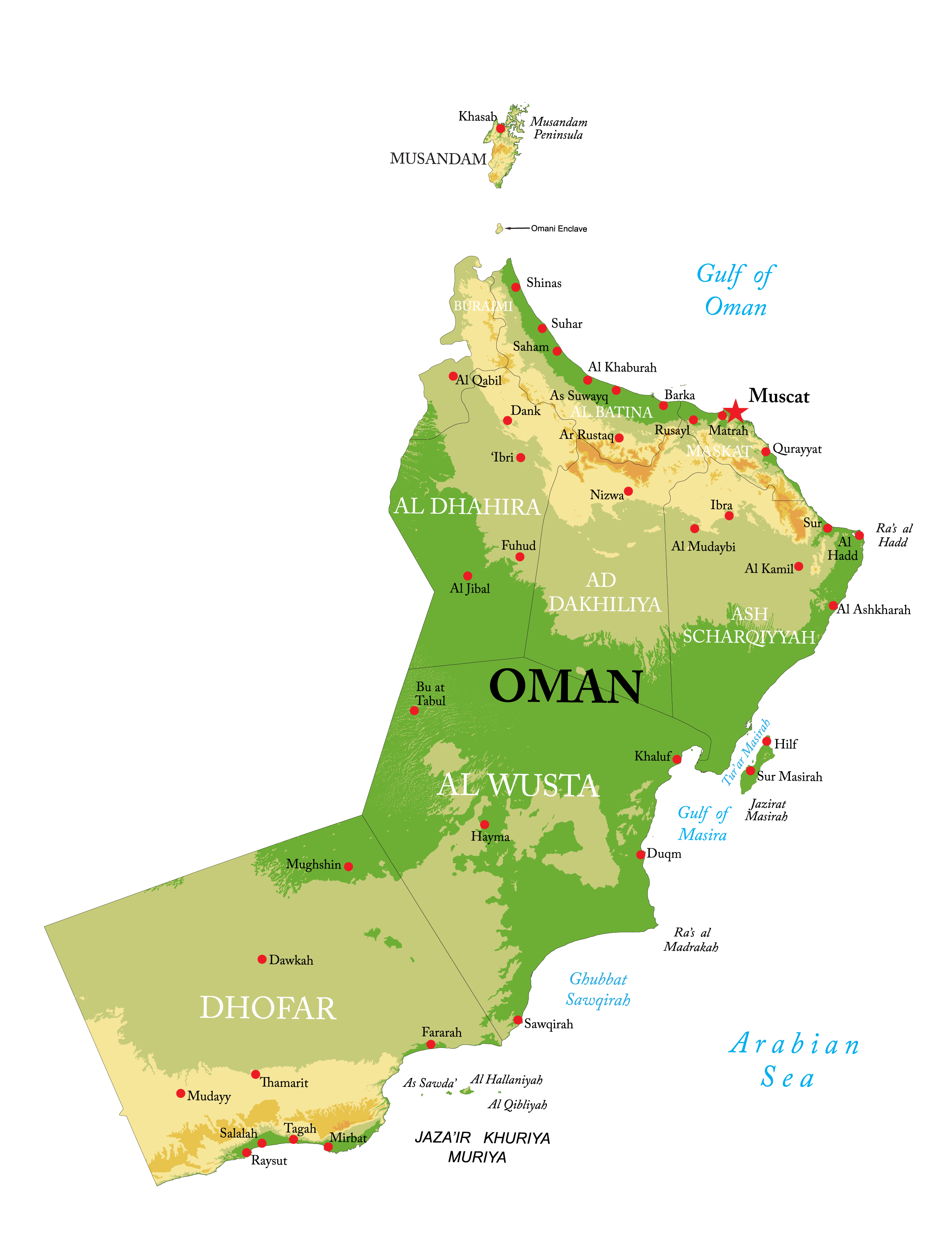
Not available
No data
maintenanceAr.Item1
No Data
The leaves either eaten without additions or crushed and mixed with salt, lime, fine grains of dried sardine, locally “Qasha”, pieces of Omani bread and onion (Ref. Oman Botanic Garden).
*Ghazanfar, S. (2003). Flora of the Sultanate of Oman, vol.1: Piperaceae – Primulaceae. Meise, National Botanic Garden of Belgium (Scripta Botanica Begica, Vol. 25). ISBN 90-72619-55-2 ISSN 0779-2387.*https://en.wikipedia.org *https://www.eeob.iastate.edu *Gledhill, D. (2008). The Names of Plants. Fourth Edition. Cambridge University Press, UK. ISBN 978-0-521-86645-3 ISSN 978-0-521-68553-5. *Miller, A.G. & Cope, T.A. (1996). Flora of the Arabian Peninsula and Socotra 1: 1-586. Edinburgh university press. ISBN 0748604758. *Pickering, H. Patzelt, A. (2008). Field Guide to the Wild Plants of Oman. Kew publishing, Royal Botanic Garden, Kew. ISBN 9781842461778. *Patzelt, A. (2015). Oman Plant Red Data Book. Published by Diwan of Royal Court, Sultanate of Oman. Oman Botanic Garden Publication No. 1. ISBN 978-99969-50-10-0. *POWO (2023). ""Plants of the World Online. Facilitated by the Royal Botanic Gardens, Kew. Published on the Internet; http://www.plantsoftheworldonline.org
